Asia/Singapore Sunday, 14th June 2026
Page 597

Virtual meetings are here to stay, even after Covid-19

0
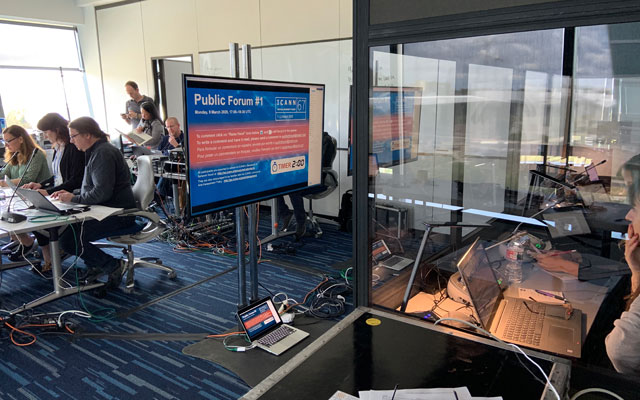
For Congress Rental, which has offices in Australia, Singapore and Indonesia, its point of difference is its Remote Simultaneous Interpretation (RSI) language solution, which helped Nuskin and ICANN proceed with international events in recent weeks.

With event organisers turning to technology and online solutions to avoid disruptions caused by Covid-19, suppliers say hybrid and/or virtual meetings are trending and will fuel their development even when the industry recovers.

Commenting on how Covid-19 could affect event organisers and participants, Veemal Gungadin, founder and CEO, GlobalSign.in, said: “Given the current situation and where things are going, I think companies should seriously start looking into virtual and hybrid events.
Congress Rental offers a Remote Simultaneous Interpretation (RSI) language solution, which helped two companies proceed with events recently

“It is impossible to predict the end date for Covid-19 and its repercussions. Investing in live streaming is a safe bet because there is an immediate need for it. But we also believe a whole new paradigm is going to emerge from this situation.

“A lot of people are going to experience organising, or attending, a virtual event for the first time and they will start looking at how it could replace some of their physical events or act as a complement.”

Gungadin shared that only a few small-scale Singapore government events were able to continue with a physical format – to communicate important messages – as there were only a few attendees and measures were in place to ensure participants’ safety. It was the same for some businesses too.

Such measures included health and travel declaration, temperature checks, more space between seats, and making sanitisers available.

Hybrid events, usually small in scale, he added, were also being live-streamed to a larger audience in parallel.

Gungadin: organisers need to consider virtual and hybrid events more seriously

Gungadin said: “We did such an event last week (end-March) which was a briefing session at IMDA’s PIXEL on digital solutions to keep a safe and healthy workplace amid Covid-19.”

For Congress Rental, which has offices in Australia, Singapore and Indonesia, its point of difference is its Remote Simultaneous Interpretation (RSI) language solution, which helped Nuskin and ICANN proceed with international events in recent weeks.

According to managing director Jeremy Ducklin, RSI allowed interpreters to be remote from the event they were providing the interpretation/translation and the platform further extended to having the audience remote.

Ducklin said: “The ICANN event was a truly remote meeting with all the presenters in remote locations worldwide. At its peak, it had 690 people listening to their community forum session with many remarks complementing the online nature of the meeting and the language support that we provided.

“Similarly RSI was used for a Honda event where space was an issue,” he shared.

“We are now talking to one client with a requirement for an online AGM where the presenter and presentation need to be shown at the same time to 1,000-plus shareholders,” Ducklin noted, adding that enquiries and proposals for remote solutions have trebled in the past week.

But Kenny Goh, founder of Singapore-based event tech company miceNEUROL, said event organisers must look beyond just the end product or the broadcast portion.

Goh – a proponent of event tech “integration” – pointed out: “There many piecemeal solutions for virtual MICE. Many like Zoom, YouTube, etc focus on the last-mile solution – the broadcasting solution.”

But there are few integrated event tech companies that start from accreditation and registration, or even start from contact management. As such, Goh cautioned that even though the tech solutions are in place, the systems integrators are not, which may bring about serious consequences.

“When there is a problem, the broadcasting media may blame the registration company, the registration company may blame the accreditation company which may blame the onboarding system, which may blame the AV supplier which may blame the telco. That is the problem,” he explained.

Claiming that the implementation of integrated virtual conferences and exhibitions is “low cost”, Goh has been spending time educating event organisers instead of deploying its systems over the last few weeks.

For some organisers, going hybrid is a defence strategy and Goh observed that the Covid-19 pandemic could provide the opportunity to lead event organisers to adapt, adopt integration and succeed.
Phuket readies for lockdown; MICE industry to get support

0
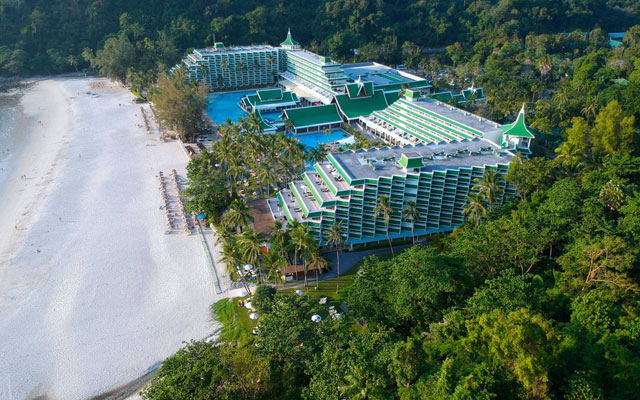
Aerial view of a resort in Phuket

Phuket’s announcements over the past weekend have most of its hotels considering temporary closures, as the destination’s land and sea borders have been sealed off, with a looming cessation of air transfers from April 10-30 due to Covid-19.

Currently, its beaches have been closed, and a curfew from 20.00 to 03.00 is in place. Tourist attractions such as zoos, animal shows and Patong’s walking street have also shuttered.

Aerial view of a resort in Phuket

Anthony Lark, Phuket Hotels Association’s (PHA) president, commented: “As travel has almost ground to a halt, the island’s hotels and business that cater to travellers have been (badly) hit in terms of business levels.”

“Most Phuket hotels anticipated these rules being imposed by the government, and our main concerns are for the safety and health of our staff. We support the measures the government is taking to stop the spread.”

As Phuket’s tourism industry braces itself for an impending lockdown, PHA is also preparing to support its members going forward.

One of PHA’s initiatives is a MICE recovery programme that will be released at a timely moment, and as soon as the industry is on the verge of a rebound. It includes an e-event planners’ guide which features all Phuket hotels, venues and event offerings. Short clips and videos on venues will also be produced and shared by hotel association members.

While there has not yet been an official announcement on closure of hotels, local hotels are already in preparation mode, based on a letter of guidance from the Phuket governor addressed to the Civil Aviation Authority of Thailand (CAAT).

However, without a clear order from the authorities to close, affected full-time, formal hotel employees will be ineligible for benefits from the Thai Social Security Fund (SSF), and properties will find themselves bearing the brunt of subsidising their hard-hit businesses.

But Lark remains optimistic that the island will emerge from this even stronger once the storm blows over.

“Phuket’s inbound MICE business was growing well, particularly for the Indian market with the increase of direct flights. We expect this to continue after the travel restrictions are lifted. Phuket hotels were also (anticipating increased business pre-Covid-19), upsizing their MICE venue capacity to cope with influx and demand from major markets like China, Europe and Australia,” Lark shared.

He added that Thailand Convention and Exhibition Bureau’s increased budgets and action recovery programme in response to the Covid-19 crisis will also help the industry weather these tough times.

Dusit Thani Laguna Singapore raises the meeting bar for Gen Y professionals

0
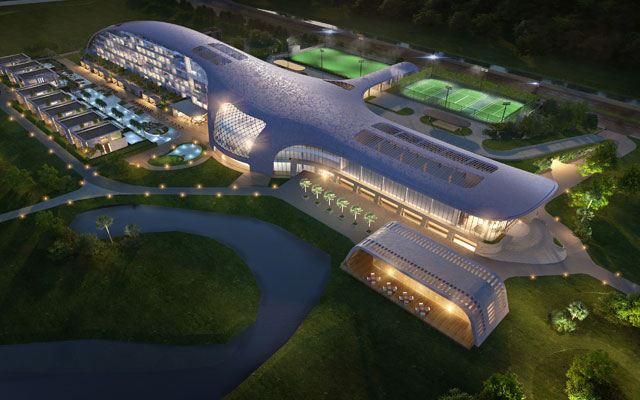
Artists' impression of the upcoming luxury golf resort

As more Gen Y employees enter the workforce and leadership positions, their preferences are influencing the way business meetings and travel are conducted, and the soon-to-open Dusit Thani Laguna Singapore was constructed with this in mind.

“Gen Y, now in their mid-20s to 30s, is an important generation that craves connection and engagement. Well-thought-out MICE events are no longer just about stimulating presentations and networking opportunities. Meeting planners are designing programmes that consider the dietary, physical and mental wellness of their delegates,” observed Eric Piatti, general manager of Dusit Thani Laguna Singapore.

Artists’ impression of the upcoming luxury golf resort

Slated to open in July 2020, the 198-room resort will be Singapore’s first hotel with direct access to a golf course, the Laguna National Golf & Country Club’s two 18-hole championship golf courses.

This unique location opens up new possibilities that planners can explore for events in Singapore. Piatti described: “Imagine a welcome reception on an outdoor event lawn with the golf course as a backdrop, a C-suite gathering in one of our private pavilions or a farm-to-table dining experience. Teambuilding activities can also include cooking classes following a therapeutic harvesting experience from the hotel’s herb farm, or an excursion to the neighbouring East Coast Park.”

In addition, golf lovers and beginners alike can enjoy the sport with an Asia first – Laguna National’s Moonlight Golf programme, which adds an evening of golfing powered by Swiss-engineered LED technology.

Other unconventional meeting options on the property include three event lawns with a golf course backdrop; eight private pavilions, each with their own outdoor plunge pool; and a host of modular workspace arrangements – be they sofa lounge or bean bag set-ups – for C-Suite discussions or creative brainstorming sessions.

But Piatti assures that Gen Y are not their only target, as he affirmed that “C-Suite executives in their 40s and 50s will also find these enhanced experiences both engaging and enriching”.

Dusit Thani Laguna Singapore will also be decked out in technology that caters to Gen Y and any other guests who have “high expectations when it comes to digital services”, he added.

For instance, meeting attendees can register on the hotel’s e-network platform to engage and interact with each other, while event organisers can conduct real-time polling and Q&A with attendees.

Beyond a seamless e-registration, property guests will also be able to check-in and obtain their mobile keys via an app. Through the app, guests can also request for in-room amenities, such as a yoga mat, or arrange for late check-out without having to pick up the phone.

Aside from Dusit Thani’s events team, planners can also access an e-MICE planning tool to organise, manage and execute their events on the property with ease.

UFI delivers educational sessions and talks online

0
As regular events cannot take place as usual, UFI connects is how the association will continue to deliver

In response to the Covid-19 pandemic that is keeping exhibition industry professionals apart, UFI – the global association for the exhibition industry – has launched “UFI connects”, a series of online sessions.

Organised by the UFI team and the UFI community, “UFI connects” will provide a schedule of regular talks, panels, and webinar sessions streamed globally. The programme will also feature selected sessions from previous UFI event that are normally only available to members of the association.

As regular events cannot take place as usual, UFI connects is how the association will continue to deliver

Access to all sessions will be free of charge for industry professionals.

The first sessions focused on the impact the Covid-19 pandemic is having on the exhibitions and events industry in various regions around the world.

For example, the Focus on Asia session included updates and insights from Aloysius Arlando (SingEx Holdings, Singapore), Michael Duck (Informa Exhibitions Asia, HongKong), Anbu Varathan (BIEC, Bangalore), and Michael Kruppe (SNIEC, Shanghai), moderated by Mark Cochrane (UFI Regional Manager Asia/Pacific).

The hub for this evolving programming is a designated area on the UFI website at www.ufi.org/uficonnects. Schedules and programme announcements will be posted there. Exhibition industry professionals will also have the opportunity to re-watch previous episodes and programmes from there.

“As our industry’s global association, we are working to support our members and the industry at large through this unique time. The recovery of the world’s economies will rely on our companies, our skills. We will need to build and run the market places and the meeting places for industries and experts to come together again. UFI connects is a way to stay connected, to get through this pandemic, and to be ready for the time afterwards“, said Mary Larkin, UFI President, in a statement.

Sindhorn Midtown Hotel Bangkok opens

0
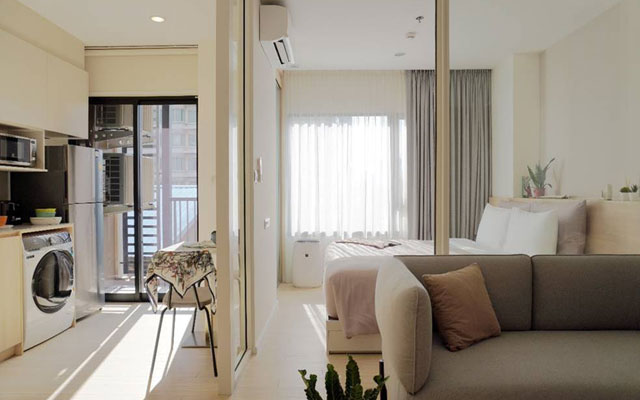
One of the 49 serviced residences

Sindhorn Midtown, the flagship property of Thai-inspired hospitality brand Siam Sindhorn, has opened in Bangkok’s Langsuan neighbourhood.

Spread across two towers are 344 hotel rooms and suites, alongside 49 serviced residences.

One of the 49 serviced residences

F&B offerings include Tr.EAT, an in-house eatery with the flavour and flair of the local neighbourhood; and Rhumba, a gathering spot offering a large selection of rum, mixed into classic and creative cocktails. On the 18th level, the Horizon Pool offers skyline views, cocktails and small bites; while the Fitness Center on the 19th level allows guests to stay fit 24/7 with the latest equipment from Life Fitness.

The BTS Sky Train Chit Lom and Ratchadamri stations, the Erawan Shrine or Pratunam Market are a five-minute walk from the hotel. Or, walk on the nearby Rajprasong to major shopping centers Central World, Siam Paragon and Siam Center.

Better together

0

The Covid-19 pandemic has taken its toll on some industry associations which had no choice but to suspend operations or lay off staff. How has JMIC been impacted?
JMIC has always had very modest resources so we are as yet unaffected by staffing issues and doing the best we can to act as an aggregator, access point and analyst for the wide array of information and resources being generated by individual member organisations via the JMIC website at www.themeetingsindustry.org.

This is a better course than to attempt to recreate what is already useful and available, and this includes everything from links to member resources to specific resources such as guides and leading national strategies of note.

What challenges are associations with in-house teams facing?
In the absence of specific information, it may be assumed that most associations will be re-evaluating resources in anticipation of needing to maintain priority activities in the face of potentially reduced revenues in the coming year.

However, as we are relatively early into the current fiscal, most will have some time to sort this out. Much will depend on the reserves that have been built up in “the good times” and their “burn rate”.

Major objectives will be to maintain core programming and to redeploy resources from areas with reduced demand, for example live events, in favour of those having to ramp up such as online presence, remote engagement capabilities, etc.

What can associations do to help affected staff?
First, they have to be fully aware of the wide range of applicable government support measures and how they can facilitate access for affected staff.

This is becoming highly complex and individuals will need all the help they can get to navigate the process. However, there is also a psychological component – identifying and promoting ongoing roles that will give staff something useful to do, even at a reduced level of engagement.

This will not only enhance functionality but would help support their morale and ensure they are better able to re-engage when conditions improve.

What can associations – hit by no event revenue and possible membership fee delinquency – do to continue serving members?
I think the time for “motivational pronouncements” is over. The biggest need now is to use the power of the collective to gather and distribute hard information – to create context – and facilitate the exchange of strategies and policies being developed either by governments or the members themselves in order to cope.

The greatest value of a collective is the power of sharing. That is where we should be focusing efforts now, and it has the added benefit of being pretty cost-effective.

JMIC has provided a forum for information exchange, strategy development and the recognition of excellence among industry groups for well over 50 years. It can continue to document and communicate the diverse values of the industry in supporting global economic, academic, professional and social development.

Radisson’s Nanjing property to be events-ready

0

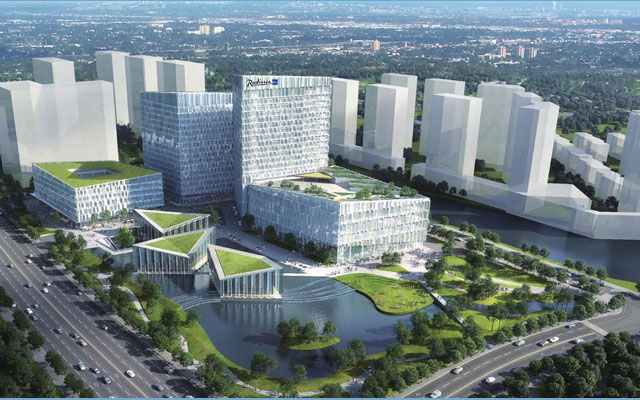
Radisson Hotel Group has signed its first property in Nanjing, China, which is primed to be the city’s central business and lifestyle landmark come 2024.

Located in Nanjing South New Town, a rapidly emerging commercial area that will become the city’s new CBD, the upscale Radisson Blu Hotel Nanjing South New Town will feature 300 keys, an extensive collection of event spaces, three restaurants, a lobby lounge, an indoor swimming pool, and a fitness centre.

Radisson Blu Hotel Nanjing South New Town will feature two exhibition areas, a large ballroom and seven functions spaces

The hotel’s events capability shines through two exhibition areas spanning more than 3,200m2, a large ballroom as well as seven other meeting and function spaces.

Radisson Blu Hotel Nanjing South New Town is part of a larger complex which houses a high-end shopping mall and an office tower.

Katerina Giannouka, president, Asia Pacific, Radisson Hotel Group, said: “Nanjing has always been one of China’s most important cities; its name literally means Southern Capital, which reflects its historical influence. Today, Nanjing remains one of China’s 21st century most vibrant destinations and the rise of Nanjing South New Town will further enhance its development.

“With its world-class accommodation, facilities and conference space, Radisson Blu Hotel Nanjing South New Town will be a central landmark in this exciting new district.”

The property is being developed by Nanjing South New Town Exhibition Centre Development Co.

Singapore lifeline fails to address larger MICE ecosystem

0
Stakeholders call for Singapore government to also address the larger MICE ecosystem

Several business events industry stakeholders in Singapore are feeling shortchanged by the Resilience Budget announced last week by the Singaporean government – of which S$440 million (US$309) has been dedicated towards providing relief for the tourism sector.

One of the sore points, according to these stakeholders, is that event organisers such as DMCs, PCOs, and service providers like audiovisual suppliers, F&B caterers, and exhibition stand contractors have fallen through the cracks.

Stakeholders call for Singapore government to also address the larger MICE ecosystem

The stimulus package has provisions for only venue owners and travel agencies.

While Andrea Teo, head of Pacific World, Singapore, said the Resilience Budget was a step in the “positive direction”, it “excludes a number of critical players in the MICE ecosystem”.

“These industry players are moving parts that are crucial to running a well-oiled machine. Should these companies be unsuccessful in getting through this period, Singapore will be faced with a lack of capabilities to support our position as a top MICE destination and bear the additional burden of acquiring manpower in an industry that is already facing talent shortages to begin with,” Teo cautioned.

Trade fair company Koelnmesse’s managing director, Mathias Kuepper, said: “(The situation has) equally affected event organisers, PCOs, DMCs, and all supporting businesses are facing serious challenges to keep their business running over the coming months.”

“We are categorised as ‘Suppliers’ under Enterprise SG’s website (yet we have been excluded from) the latest singaporebudget.gov.sg website. It seems very unfair, since we are the first industry to be hit with absolutely zero revenue streams since Chinese New Year, as compared to the F&B, tourism and airline industry,” remarked Gerard Rodrigues, managing director of audio, lighting and video company, Expo AV-InSync.

“MICE venues, such as Singapore Expo, Marina Bay Sands and Suntec, rely heavily on our professional services and solutions. We play an integral part within the MICE ecosystem and contribute to every success of it through event technology and other solutions,” he added.

Rodrigues also pointed out that even though the government has initiated a Working Capital Loan to tide various industries during this period, many business owners in the audiovisual industry have been rejected because their bank statements over the past three months were not healthy.

Kuepper said: “At the end of the day, it wouldn’t benefit Singapore if only venues survive this episode, with nobody left to organise and service the events.”

Fusion appoints Stuart Lyall to manage new Vietnam property

0

Wellness-focused hospitality group Fusion has appointed Stuart John Lyall to manage a new Vietnam property, Fusion Suites Vung Tau, which is opening in April.

Lyall’s most recent role saw him guide Selong Selo Resort & Residences in Lombok through its soft opening phase as general manager. Prior to his time in Indonesia, Lyall was also general manager at Our Jungle Camp from 2017 to 2018.

Before his move to Asia, he was with Australian cruise company, Travel Marvel, where he served as regional product manager of Asia and India from 2013 to 2017.

Prior to that, Lyall spent time in other capacities, such as general manager of sales and marketing for South Sea Horizons; regional product manager Asia Pacific with Peregrine Adventures; an international travel and hotel consultant for Flight Centre; and Asia-focused tour director for Intrepid Travel.

Building in a local angle

0

The modern traveller’s penchant for authentic local experiences has conveyed into the business events scene, leading teambuilding operators and event specialists to see a growing demand for team-bonding ideas that provide participants with a taste of the destination.

David Fotheringham, director of Singapore-based Asia Ability, said the opportunity to experience the destination during corporate playtime was especially necessary since event schedules today are too “packed with critical business elements”.

He said: “Delegates can leave thinking, ‘where was this event again?”

With this in mind, Asia Ability has curated a collection of localised teambuilding activities, such as the indoor Dragon Squad, in which corporate teams build their own Chinese dragons and choreograph a dragon dance; as well as Go Team Singapore Heritage, a GPS-tagged treasure hunt through the cultural enclaves of Chinatown, Kampong Glam and Little India.

Cindy Lie, executive director, Indonesia-based Infinity Holiday, has observed the same growing preference for destination-focused teambuilding sessions.

She recently organised a meeting/incentive trip to Bangkok for an Indonesian insurance company, which featured a teambuilding activity that was built around the concept of living like a local. Delegates got to visited a local market to buy ingredients to make som tam (green papaya salad); travelled by public transport such as the BTS; and learnt muay Thai from a professional.

Karen Livermore, director of sales and events with ID Events Australia, typically builds teambuilding activities around iconic Australian locations. In Sydney, treasure hunts on boats, sailing regattas and other water activities with competitive teams and an educational component are conducted around the famed harbour.

Kristie Turner, director of operations and sales at Uniq Concepts Australia, noted that cultural activities are also high on clients’ priority list.“When people think of Australia, they generally think of a few things: Sydney Harbour (Bridge and Opera House), the Great Barrier Reef, and Uluru (Ayers Rock).  We try, where possible, to always include these in our teambuilding programmes as an immersive experience, with an element of indigenous culture,” said Turner.

Ora-uan Maharpol, MICE manager of ICS Travel Group, observed that such teambuilding programmes are trending in line with the growing popularity of transformational travel, where people seek opportunities to “stretch, learn and grow, as well as get to know the culture, lifestyle and people of the country they are visiting”.

And Vietnam is well placed in South-east Asia to cater to this desire. Its varied landscapes and rich heritage allow planners to create unique and immersive teambuilding activities.

Ora-uan said: “There are so many local cultures, plus the scenery and terrain alters dramatically throughout the country.”

ICS recently led a corporate group to a locally-run speciality coffee farm in Dalat, where part of the teambuilding activity was to learn the entire process of Vietnamese coffee production, including how to be a barista.

Hoa Binh Group’s deputy director general Jackie Han, said Vietnam’s diversity makes it an increasingly popular destination for cultural teambuilding for organisations across South-east Asia.

He remarked: “The diversity means we can easily tailor itineraries to meet demands.”

In creativity we trust
To enable the creation of a truly local teambuilding experience, corporate clients have become more willing to leave the planning process in the hands of destination specialists.

Ora-uan told TTGmice that she gets full control of the programming right from the start.

“Even clients that start by having very specific requirements usually change their itineraries quite dramatically once they realise the full scope of what we can offer,” she said.

Should a client have their own itineraries in mind, Asia DMC’s Cambodia country manager Vanthirith Prak said his team would consult closely with clients on the feasibility and operational procedures.

“It often takes a little talking to explain, but that’s normal. It is often during such explanations that the clients’ eyes grow wider -– and with that an expansion of time and budget,” added Peter Weibel, regional director of MICE for Tour East.

However, Livermore and Turner emphasised that clients will not compromise teambuilding objectives just to make room for creativity. It is common for the more flexible of clients to propose several broad requirements for event agencies to work with, such as specifying a must-do activity with indigenous children.

Coming together for good
Beyond connecting with the destination, teambuilding participants are expecting a more fulfilling experience that can only be obtained through meaningful projects that benefit the local community.

Asia DMC’s Prak said enquiries for teambuilding activities with opportunities to support communities are up. He shared that an IT company recently took time off to build a stilted house for an impoverished family in Siem Reap.

“Teambuilding is not always the main goal, as we have seen several corporates that include team bonding as part of their Corporate Social Responsibility campaigns,” Prak added.

ID Events Australia’s Livermore agreed, sharing that she has noticed how companies are moving “towards philanthropic activities where people have the ability to say they’ve given back to the community”.

Such activities can include building bikes for a children’s charity, or creating indigenous paintings using bottle caps, with the artwork being present to a charity or indigenous group after.

Companies are also taking into consideration current affairs when choosing their teambuilding and CSR programmes.

Turner said: “We’ve had an increase in requests to include projects that involve benefit for those impacted by the recent bushfires (in Australia).”

Wellness-focused teambuilding programmes are expected to trend in the near future

Into the future
So what’s next on the horizon for teambuilding programmes?

Specialists are putting their dollar on nature-based and wellness-focused activities, such as meditation sessions in temples and agricultural farming programmes.

Requests for teambuilding ideas utilising technology, such as gamification, are emerging, said Prak.

Some Japanese companies have started to organise e-sports – gaming competitions – to encourage interaction among their millennial staff.

Japanese telecommunications giant NTT West hosted an interactive e-soccer gaming tournament for its employees and their family members. Some 60,000 staff across western Japan, from Shizuoka to Okinawa, participated in it.

Taking the same route, Hitachi Systems established an e-sports club to promote staff interaction and unity.

On the other hand, Asia Ability’s Fotheringham told TTGmice that is an opportunity for teambuilding trends to shift back to traditional problem-solving games, albeit with a fresh spin.

Asia Ability is playing up trading games for corporate groups, where participants are split into teams that represent trading partners in 18th-century Singapore, namely the British, Dutch, Portuguese, Chinese, Indians and Malays. These ‘traders’ must strike deals to make a profit from goods such as sandalwood and mother of pearl, under the watch of a designated ‘Sir Stamford Raffles’ – the British statesman who founded modern Singapore.

Adelaine Ng, Marrissa Carruthers, Pamela Chow and Rachel AJ Lee contributed to this article

Reviews

The Slate Phuket

Just 10 minutes from Phuket International Airport on the serene northern coast, this 178-key, Bill Bensley-designed resort offers delegates a quiet, tropical paradise steeped in Phuket’s tin-mining heritage

The Ritz-Carlton, Bangkok

The newly-opened Ritz-Carlton, Bangkok anchors the One Bangkok development with cosmopolitan elegance. Featuring the city's largest ballroom and a spectacular new penthouse suite, it delivers exceptional hardware and deeply authentic, soulful service for business and leisure travellers alike

Mama Shelter Zurich

Behind the imposing, Brutalist concrete that defines Zurich’s Oerlikon district lies a surprising secret. While its exterior honours the neighbourhood’s industrial roots, stepping inside Mama Shelter reveals a vibrant, neon-soaked world that is a far cry from its rigid shell