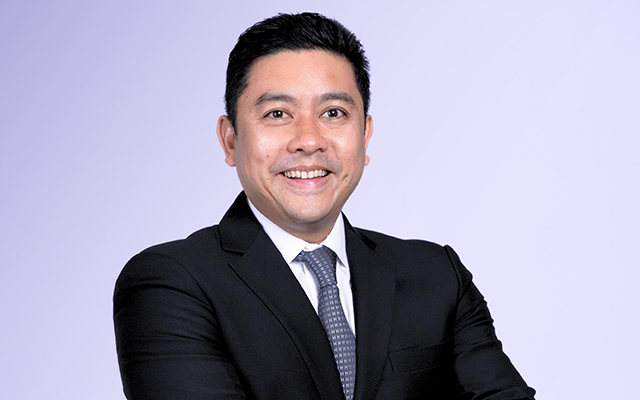
Yuthachai: Onyx Hospitality Group commands strong recognition in Thailand
A combination of vigorous sales efforts, new campaign aimed at business event planners, hardware rejuvenation and expanding property portfolio is expected to put Onyx Hospitality Group on the fast track to a stronger performance in the business events segment.
Yuthachai: Onyx Hospitality Group commands strong recognition in Thailand
At a time when event planners and event owners are closely watching their budgets while being spoilt by choice across hotel, venue and destination options, Yuthachai Charanachitta, CEO of Onyx Hospitality Group, believes that a perk-led campaign helps his customers to make the right choice quickly.
“There is also the benefit of a double reward since event planners and event owners can gain points towards the Onyx Rewards loyalty programme,” he added.
Sunny Kim, vice president, global sales at Onyx Hospitality Group, shared that the campaign has drawn interest from across various geographical markets.
“We will review the outcomes of this campaign when it ends on October 31, and update the list of benefits, if necessary, for the next edition. We will also see what else we can do (to grow business events bookings) with our strategic partners,” added Kim.
Furthermore, the campaign opens the eyes of event planners and owners to the group’s selection of event-ready hotels. Flagship properies such as Amari Bangkok, Amari Phuket, Oriental Residence Bangkok and Ozo North Pattaya in Thailand; Amari SPICE Penang in Malaysia; and Amari Vang Vieng and Amari Vientiane in Laos; and Amari Colombo in Sri Lanka are prime options.
Amari Bangkok, which emerged recently from major renovations, stands out in the portfolio for business events, as it occupies a central city location and offers more than 564 keys and 18 function rooms, including 15 breakout rooms.
Amari Phuket boasts large outdoor spaces overlooking the Andaman Sea – something that creative events value, remarked Yuthachai. Events with 120 guests can be arranged at the private jetty while the outdoor area of Rim Talay Restaurant can take 120 pax.
Meanwhile, the dual-branded Amari Pattaya and Ozo North Pattaya complex offers event groups a variety of rooms to suit different delegate profiles. There are also 11 indoor and outdoor spaces to choose from.
Amari Bangkok is not the only property to benefit from a modern update. Onyx Hospitality Group is putting Amari Don Muang Airport Bangkok, Amari Buriram and Amari Phuket through an asset enhancement initiative that will result in transformed guestrooms, dining venues and other facilities.
Yuthachai also shared plans to construct a third hotel tower at the Amari Pattaya complex, allowing the addition of the Shama serviced apartment product to be brought into the mix. The Shama tower will offer around 180 keys and allow guests to share the facilities of Amari Pattaya and Ozo North Pattaya.
Yuthachai told TTGmice that a strong relationship with customers is crucial for the group to succeed in the international business events industry. He has tasked his sales teams to “initiate first contact” with the growing number of multinational companies that have set up operations in Thailand. He also hopes to attract regional events to Thailand.
Yuthachai believes that the Onyx Hospitality Group commands strong recognition in Thailand, where it is established and has flourished for the past 60 years, and aims to accomplish the same across Asia where his hotel brands – Amari, Shama, Ozo, and Oriental Residence – are present.
He also shared that the Amari brand will be rejuvenated next year to reflect a stronger upper-scale positioning.
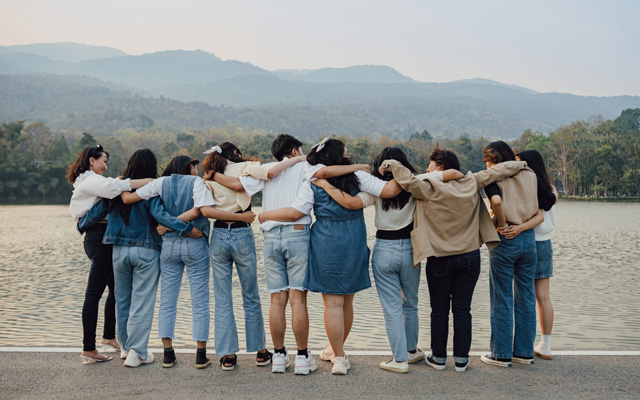
Younger workers push incentive trips toward sustainability and authentic experiences
Corporations are reshaping incentive travel to meet the evolving expectations of their millennial and Gen Z workforce.
These younger generations value experiences, seeking trips that blend professional recognition with personal growth and cultural immersion.
Younger workers push incentive trips toward sustainability and authentic experiences
As a result, programmes are moving away from conventional luxury getaways and towards purpose-driven journeys that integrate sustainability, community engagement, and authentic local encounters, shared buyers at IT&CM Asia & CTW APAC 2025.
Paula Wong, founder and CEO of Paula & Co DMC (Thailand), shared that companies in Thailand are increasingly involving their millennial workforce in event briefings prior to the incentive trip.
She shared: “By inviting employees to contribute ideas and preferences, organisations are not only delivering engaging travel programmes, but also fostering loyalty and a stronger emotional connection to the workplace.
“It also gives them a sense of ownership and ensures activities resonate more deeply with their interests and values.”
Wong added that incentive programmes shaped by millennial and Gen Z tend to avoid fully packed schedules, as participants now prefer having free time to explore or pursue personal interests.
In addition, these younger generations are drawn to community-based tourism activities that carry a strong sense of purpose and highlight sustainability. When included, teambuilding activities are usually light, held in comfortable air-conditioned settings, and designed to encourage company bonding.
Carrie Xu, sales manager at Beijing-based A Trails, shared that clients with a Gen Y and Gen Z majority are usually in the IT, petroleum, architecture and design sectors.
She observed that these younger participants also show strong interest in soft adventure activities, such as hiking, camping, and ATV rides.
While many incentive groups still comprise a mix of age demographics, Xu noted that programmes are usually tailored to accommodate both younger and older participants.
This flexibility, Xu added, has become a key factor in designing successful incentive itineraries.
Tamas Varga, director of operations from I Like MICE in Hungary, shared that he is actively working with younger individuals to craft social media messages. By engaging younger voices, I Like MICE ensures that incentive travel programmes are promoted in ways that resonate with millennial and Gen Z audiences.
He added that the preferences of these younger groups often include gastronomy-driven experiences, such as dining at Michelin-star restaurants, discovering local street food culture, or enjoying curated culinary workshops with chefs.
Authentic experiences, such as hands-on craft making with local artisans or immersive cultural exchanges, Varga added, also help participants to feel a genuine connection with the destination.
The 33rd IT&CM Asia and 28th CTW Asia-Pacific 2025 successfully concluded, reporting a show characterised by a strong focus on experiential learning, networking, and regional partnerships.
The double-bill event welcomed over 270 exhibitors and more than 400 business events, association, and corporate buyers from over 50 countries and territories.
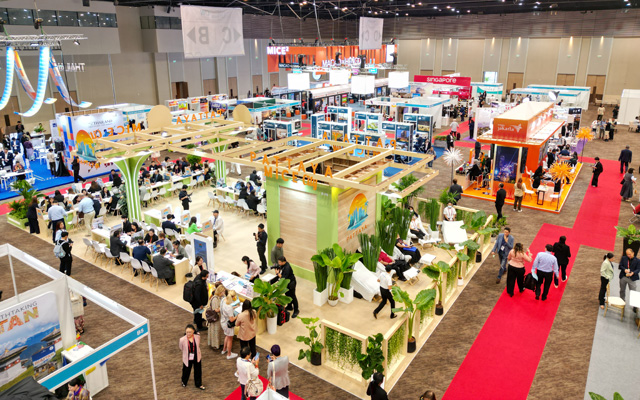
IT&CM Asia and CTW Asia-Pacific 2025 showfloor
At their respective booths, destinations and organisations added fun experiential elements through activities, giveaways, and entertainment.
Meanwhile, the conference portion featured tailored educational sessions and workshops, allowing delegates to focus on relevant topics. Highlights included an ICCA-led Sustainable Gastronomy in MICE engagement activity, and a cocktail mixing session by Singapore Expo.
Keynote addresses included Thailand Convention and Exhibition Bureau’s (TCEB) president Supawan Teerarat on Design Local: Quenching the Thirst for Authenticity, and PATA’s CEO Noor Ahmad Hamid on Shaping the Future of Travel.
Beyond the floor, the event’s focus on immersive experiences began before the official opening with a Bang Kachao Pre-Event Tour hosted by TCEB. Delegates explored Bangkok’s “green lung”, participating in sustainable activities like planting native trees and creating custom diffusers. The evening concluded with a Lost Plate Bangkok Evening Food Tour via tuk-tuk, sampling local street food and delicacies.
Following the exhibition, buyers participated in TCEB-organised post-show tours to explore business events-ready destinations outside of Bangkok.
In Sukhothai, delegates experienced the region’s cultural heritage through visits to historical parks, porcelain villages, and hands-on souvenir creation.
Meanwhile, Krabi offered adventure and wellness, including snorkelling, zip-lining, and pristine beach relaxation.
Lastly, Khon Kaen focused on local craftsmanship and culture, featuring visits to the Ban Chiang UNESCO World Heritage Site, weaving centres, and authentic farm-to-table Isan cuisine.
The next edition of IT&CM Asia and CTW Asia-Pacific is scheduled for September 22 to 24, 2026, in Bangkok, Thailand.
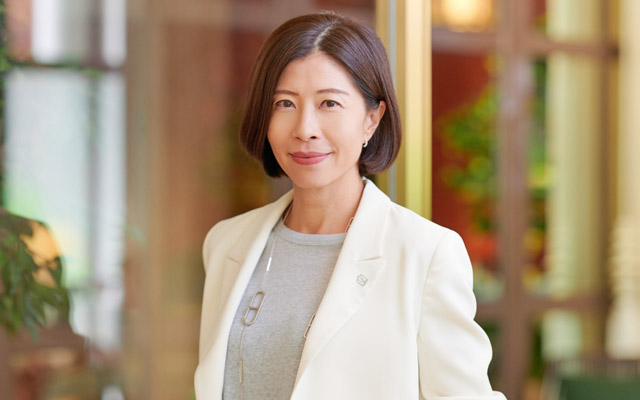
Lanson Place has appointed Cecilia Lo as area general manager of Lanson Place Causeway Bay, Hong Kong and Lanson Place Waterfront Suites, Hong Kong.
In her new role, Lo will oversee the operational and strategic management of both properties.
Lo brings over 20 years of experience in Hong Kong’s luxury hospitality sector. She joins Lanson Place from K11 ARTUS, where she served as general manager since 2019, overseeing day-to-day operations, contributing to new property developments, and leading feasibility studies for brand expansion.
Hotels are no longer mere venues for business events. Instead, they play a big role in supporting event planners’ content delivery by providing an environment that satisfies attendees’ lifestyle expectations and brings programme ideas to life.
From biophilic design that inspires positive mood and creativity to thoughtful cuisine that answers atteedees’ quest for mindful living, hotels are demonstrating a variety of ways to redefine the business event experience.
The boardroom at Amari Vientiane is ideal for executive meetings and focused discussions
Onyx Hospitality Group
Onyx Hospitality Group has adopted a wellness- and sustainability-forward strategy for business events.
“Our goal is to deliver seamless service with thoughtful touches that turn corporate functions into standout experiences,” shared Sunny Kim, Onyx’s vice president of global sales. This includes wellness activities, sustainable event design, and “engaging experiences that go beyond the boardroom”.
In December 2024, Amari Bangkok introduced an EV Shuttle Tuk Tuk for delegates to explore Bangkok in a sustainable manner.
The group is also dishing out healthier and more nutritious F&B options at business events hosted at its properties.
For example, Amari Bangkok introduced “zero-energy” coffee breaks that are designed to keep energy levels high without overindulgence, as well as nutritious meals made with organic ingredients.
The group has also entered partnerships with local food organisations known for their ethical processes, such as Naeville Organic Farm, known for its cage-free eggs, and Thai artisanal cheese maker Jartisann, a champion of sustainable farming practices.
Furthermore, adoption of innovations like Winnow AI, which reduces food waste by up to 70 per cent, and ecoSpirits, which cuts bar waste by 95 per cent, supports Onyx’s green goals.
According to Kim, the group’s approach is to align each brand with the evolving needs of today’s event planners and attendees.
Each Onyx brand supports a different business events segment – Amari for large-scale events; Ozo for dynamic, creatively-driven gatherings; Shama for executive retreats; and Oriental Residence Bangkok for boutique, high-end meetings.
She noted: “Today’s organisers are not only seeking reliable logistics and functional venues. They are also looking for meaningful, personalised experiences that reflect broader values like sustainability, wellness, and authenticity.”
Ultimately, Onyx is ready to offer what matters most to today’s delegates, whether it is a revitalising gastronomic experience, a well-being-focused activity, or a more sustainable way to meet, Kim added.
Most recently in August, Onyx Hospitality Group launched its first-ever chain-wide business events campaign, ONYX Onward – Unlock Double Benefits That Matter Most. Available across properties in Thailand, Malaysia, Laos, and Sri Lanka, the offer gives planners booking 10 or more paid room nights the choice of any two benefits from a suite of six options, ranging from a five per cent master bill rebate and complimentary room upgrades, to F&B discounts and themed coffee breaks. The offer ends October this year. – Anne Somanas
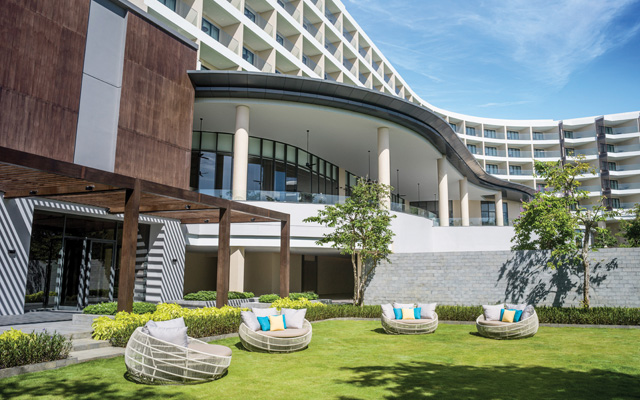
Crowne Plaza Phu Quoc Starbay has a variety of unique outdoor venues
InterContinental Hotels Group
As business events evolve to prioritise well-being, authenticity, and meaningful engagement, InterContinental Hotels Group (IHG) is meeting these expectations with thoughtfully-designed spaces and experiential offerings that go beyond conventional meeting formats.
Following a global brand refresh in October 2023, IHG now has two new hallmarks: Insider Expertise and Incredible Occasions. With a dedicated team on hand, the brand curates events that are both highly personalised and unforgettable, enhanced by locally-inspired touches and thoughtful details.
For instance, InterContinental Fiji Golf Resort & Spa offers a Vanua Immersion Dinner, a signature cultural evening that celebrates the destination’s five natural elements. The programme includes a traditional Fijian torch lighting ceremony, a kava ritual, live art and craft demonstrations, meke dance performances, and a fire show.
Another IHG brand, Crowne Plaza Hotels & Resorts, also caters to the desire for stimulating environments by offering a variety of inspiring meeting and event spaces. These include pre-function areas filled with natural daylight and framed by lush gardens, beachside terraces, and lawns at Crowne Plaza Phu Quoc Starbay, and indoor-outdoor dining areas at Allora, the Italian restaurant at Crowne Plaza Changi Airport.
IHG has also enhanced its digital offerings for corporate event planners by way of a dedicated meetings platform.
Dean Jones, vice president, commercial, East Asia & Pacific at IHG Hotels & Resorts, said: “We offer meeting planners a range of cost management tools and services. These include planning and booking tools such as EasyGroup, which allows bookers to share links and manage their rooms booking at no extra cost.”
IHG’s commitment to responsible events is reflected in its Meeting for Good campaign, launched in 2023. Jones explained that it “reinforces our commitment to look after the world around us while strengthening the competitive advantage of our hotels through the provision of a Sustainable Meetings Playbook”.
IHG pays close attention to retaining clients to build repeat business.
Jones shared: “The most cost-effective strategy is running a strong loyalty programme. As long as bookings come through our direct channels, we own that journey from beginning to end. For instance, we’re able to draw on insights from previous stays – such as specific preferences or service expectations – and use that information to tailor future stays or events.
“This personalised approach helps ensure a consistently high-quality experience that keeps clients coming back.” – S Puvaneswary
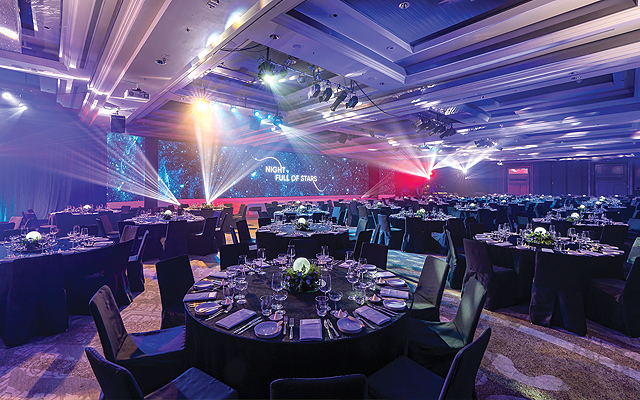
Bangkok Marriott Marquis Queen’s Park has two grand ballrooms
Marriott International
One of Marriott International’s strengths is its extensive portfolio of hotels and resorts, which spans all customer segments. The hospitality company also prides itself in creating trusted experiences and meaningful connections for every guest, regardless of the market segment.
“Our luxury hotels are well positioned to cater to bespoke events, from small intimate business meetings to large-scale marquee events. Hotels in the premium category provide well-sized event spaces, while properties in the select category offer affordable options for more budget conscious clients,” said Ramesh Daryanani, vice president global sales, loyalty operations & partnerships, Marriott International Asia Pacific excluding China.
For example, the Bangkok Marriott Marquis Queen’s Park – which houses some of the city’s largest event venues – offers more than 4,000m2 of venue space across 33 venues, including two grand ballrooms that can accommodate up to 1,500 guests. To promote attendee well-being, the hotel offers curated wellness breaks, such as stretching or mindfulness sessions, and menus with nutritious, plant-based, and sustainably-sourced options.
Meanwhile, the Sheraton Hua Hin Resort & Spa prioritises attendee wellness with offerings like nutrient-rich coffee breaks and mindful activities such as morning yoga on the beach, and guided stress-relief sessions. The resort also offers destination-specific culinary experiences with locally-sourced ingredients, including fresh seafood and regional specialties. Through its Gatherings by Sheraton programme, the resort provides memorable and enriching experiences that blend purpose, creativity, and connection.
Sustainability is also incorporated into Marriott’s business events offering, where Connect Responsibly provides organisers with meeting impact reports, and the option to offset their carbon footprint.
Daryanani added: “Organisers are prioritising purposeful events, wellness integration, and ESG-conscious venues. Our Good for You, and Better for the Environment campaign speaks directly to that, inviting planners to create impactful gatherings.”
For instance, at the W Singapore – Sentosa Cove, wellness is integrated into event experiences with add-ons like sunrise yoga and pilates, all customisable for any group. Also in the works are ice baths, aqua biking, and boxing sessions.
Over in Vietnam, the JW Marriott Hanoi offers a JW Lakeside Gardens Adventures experience. Here, in-house horticulturists guide guests through the JW Greenhouse, Herb Garden, and Animal Farm, where the activity is designed to connect guests with nature.
As for Westin Manila, the property provides meeting menus that stimulate focus and creativity, along with wellness activities like breathing exercises and massages. In November 2023, the hotel became the first to introduce neuroinclusive practices for events of 250 people or more, ensuring a more inclusive experience for all.
Planners are supported and rewarded by the Marriott Bonvoy Events loyalty programme.
Daryanani elaborated: “Our current Good for You, Better for the Environment campaign gives planners discounts off room rates or meeting packages when participants enrol as Marriott Bonvoy members, and access to complimentary carbon offsets when a minimum spend is met.” – Rachel AJ Lee
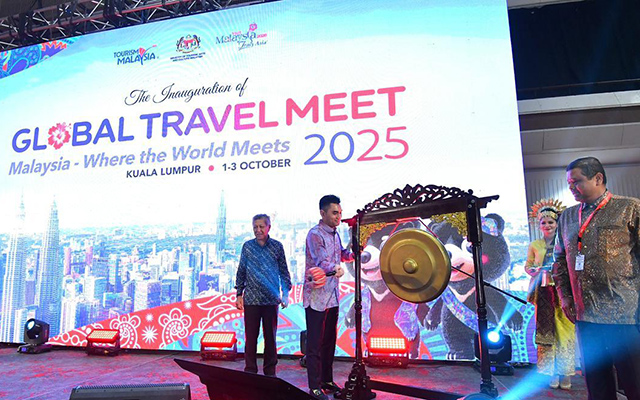
From left: Minister of tourism, arts and culture Malaysia’s Shaharuddin Abu Sohot; deputy minister of tourism, arts and culture Malaysia’s Khairul Firdaus Akbar Khan; and Tourism Malaysia’s Manoharan Periasamy at GTM's opening ceremony
Tourism Malaysia is hosting the Global Travel Meet 2025 this week, a major international tourism business event designed to drive momentum toward the Visit Malaysia 2026 goal of 47 million visitor arrivals.
The three-day event, running from October 1 to 3 at the World Trade Centre Kuala Lumpur, serves as a pivotal platform connecting 600 international buyers and 100 media representatives with 400 Malaysian sellers, including hoteliers, airlines, and travel agents.
From left: Minister of tourism, arts and culture Malaysia’s Shaharuddin Abu Sohot; deputy minister of tourism, arts and culture Malaysia’s Khairul Firdaus Akbar Khan; and Tourism Malaysia’s Manoharan Periasamy at Global Travel Meet 2025’s opening ceremony
Delegates will engage in structured B2B sessions, networking events, strategic matching activities, and fam trips, to gain exposure to Malaysia’s diverse tourism offerings.
Global Travel Meet 2025 is supported by Malaysian carriers (Malaysia Airlines, AirAsia, and Batik Air) and key tourism associations, including the Malaysia Inbound Chinese Association and the Malaysian Indian Tour & Travel Association.
Malaysia welcomed 38 million international visitor arrivals in 2024, marking a 31.1 per cent increase over 2023. That trend continued through the first seven months of 2025, during which the nation received 24.5 million international visitors, a 16.8 per cent increase year-on-year.
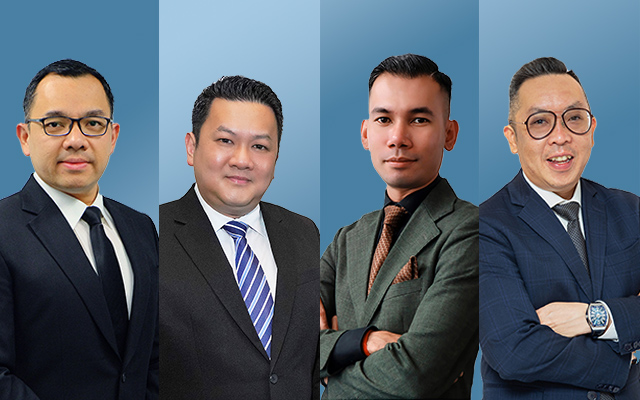
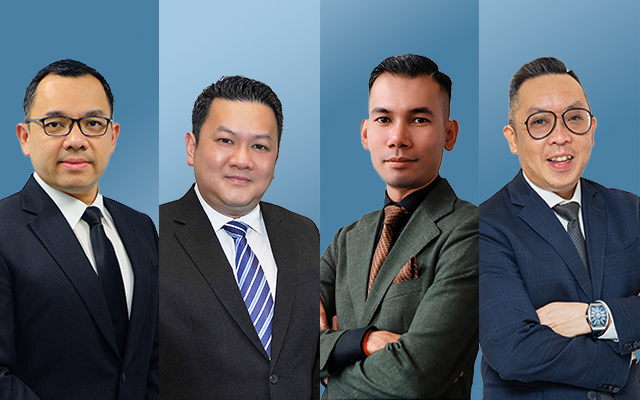
Interhill Hospitality has made a series of leadership changes across its Accor-branded hotels.
Sunardi Song is appointed general manager of Pullman Kuching. With over 15 years of hospitality experience, he will oversee the multi-million-ringgit relaunch of Pullman Kuching.
From left: Sunardi Song, Adrian Ng, Randy Nickcolas Constantine, and Alan Tham
Adrian Ng is promoted to vice president of operations at Pullman Kuching. He will provide strategic oversight across the group’s portfolio, including Pullman Kuching, Pullman Miri Waterfront, and ibis Melaka.
Randy Nickcolas Constantine is now general manager of Pullman Miri Waterfront, bringing with him more than 17 years of international experience with Hyatt, Pullman, ibis, Song Saa Private Island, Swissôtel, and Royal Tulip.
Alan Tham has been named vice president of F&B and will oversee all F&B operations across Interhill Hospitality.
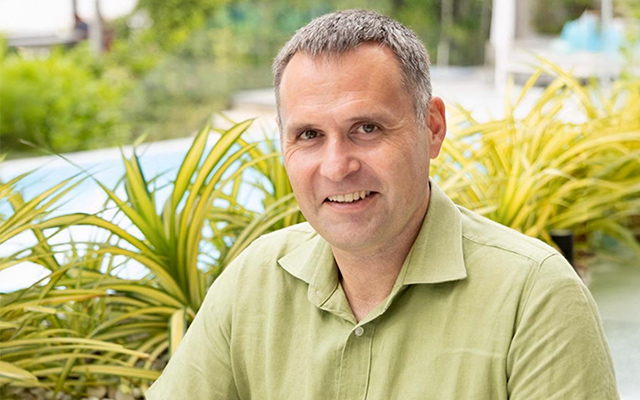
Carlton Hotel Singapore has appointed Niall Cowan as its new general manager, where he will oversee all hotel operations.
He brings over 20 years of international experience in luxury hospitality across Asia, Africa and Europe, having held senior positions at The Savoy and The Berkeley in London, Fairmont Mount Kenya Safari Club, and Fairmont Sanur Beach Bali.
Event brief
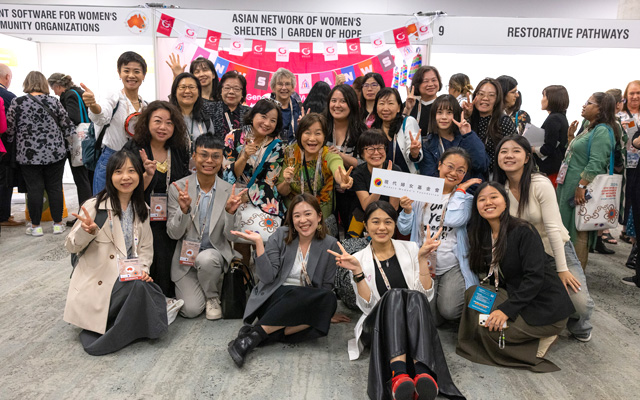
Held for the first time in the Southern Hemisphere, the 5th World Conference of Women’s Shelters (5WCWS) was hosted at the ICC Sydney from September 15 to 18, 2025.
The primary objective of 5WCWS was to provide a platform for learning and sharing experiences, and to contribute to a worldwide systemic approach to ending violence against women and their children.
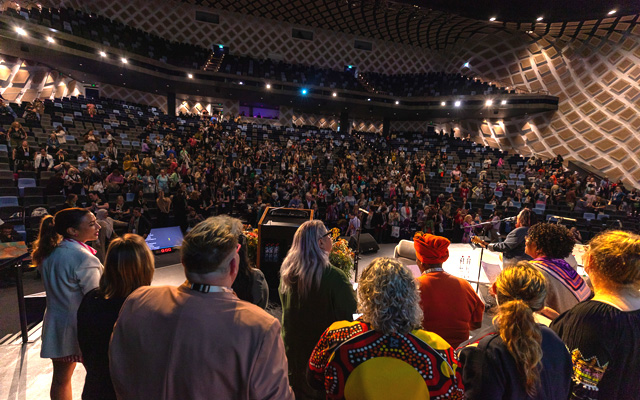
The host body had a target of exceeding 1,000 attendees. Through ICMSA’s pre-event marketing campaign, the final result was 120 per cent above expectations, with delegates attending from more than 60 countries.
Event highlights
Delegates participated in pre-conference workshops leading up to the Welcome Ceremony, which included a pre-recorded address by Australian prime minister Anthony Albanese.
The conference ran for three days, following a clear format: each day began with a morning plenary session delivered by local and international experts, followed by up to 11 concurrent presentations. The complete cohort returned each afternoon for a final plenary.
Keynote speakers were a mix of international and national experts, distinguished by strong representation from the Aboriginal and Torres Strait Islander community. Highlights included talks by Cecilia McKenzie (Aboriginal and Torres Strait Islander policy and engagement manager at Domestic Violence NSW); singer/songwriter Shellie Morris, and Kyllie Cripps (director of the Monash Indigenous Studies Centre).
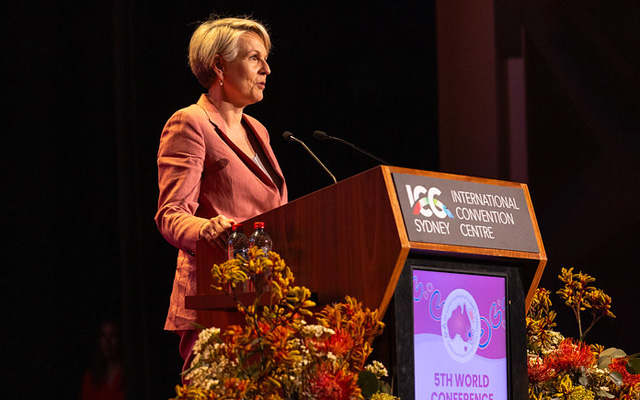
On Day 2, Tanya Plibersek, the federal minister for social services and federal member for Sydney, delivered a keynote address announcing the government’s commitment of an additional A$8.5 million (US$5.6 million) to boost programmes compelling domestic violence perpetrators to recognise and change their behaviour.
“The reason is simple: we can’t end domestic and family violence without holding those responsible to account,” she said.
The final night Gala Dinner, managed by ICMSA, took place at Watersedge at Campbells Store in The Rocks (opposite the Opera House). Delegates were transferred by boat from the ICC Sydney at Darling Harbour.
The conference concluded with a variety of Study Tours on the final day, giving delegates opportunities for specialised learning.
These included a visit to Sydney’s Women and Girls’ Emergency Centre Women’s Refuge; the Muslim Women Australia Multicultural Study Tour; the Jesuit Refugee Service Australia Study Tour; a tour of Australia’s National Research Organisation in Women’s Safety; and an introduction to Full Stop Australia’s 50-year history of services and activism to end gender-based violence.
Challenges
One of ICMSA’s biggest challenges was accommodating attendees from more than 60 countries, many of whom spoke English as a second language.
A relatively tight budget prevented the possibility of a complete translation service, a constraint largely due to the Host Body’s priority of sponsoring as many international delegates as possible.
ICMSA overcame the language barrier by implementing a new AI-powered translation system, boosting the accessibility and inclusivity of all presentations. This solution allowed delegates to engage with the content through multiple formats, including real-time translated audio streamed to their devices, translated subtitles, same-language captions, and access to transcripts and summaries in their chosen language. This was achieved for just over A$5 per delegate.
The availability of the translation system was the decisive factor for a considerable number of international attendees, according to ICMSA’s survey data.
Event 5th World Conference of Women’s Shelters Dates September 15 to 18, 2025 Organiser ICMS Australasia Venue ICC Sydney and Watersedge at Campbells Store Attendance 1,200 delegates
Just 10 minutes from Phuket International Airport on the serene northern coast, this 178-key, Bill Bensley-designed resort offers delegates a quiet, tropical paradise steeped in Phuket’s tin-mining heritage
The newly-opened Ritz-Carlton, Bangkok anchors the One Bangkok development with cosmopolitan elegance. Featuring the city's largest ballroom and a spectacular new penthouse suite, it delivers exceptional hardware and deeply authentic, soulful service for business and leisure travellers alike
Behind the imposing, Brutalist concrete that defines Zurich’s Oerlikon district lies a surprising secret. While its exterior honours the neighbourhood’s industrial roots, stepping inside Mama Shelter reveals a vibrant, neon-soaked world that is a far cry from its rigid shell



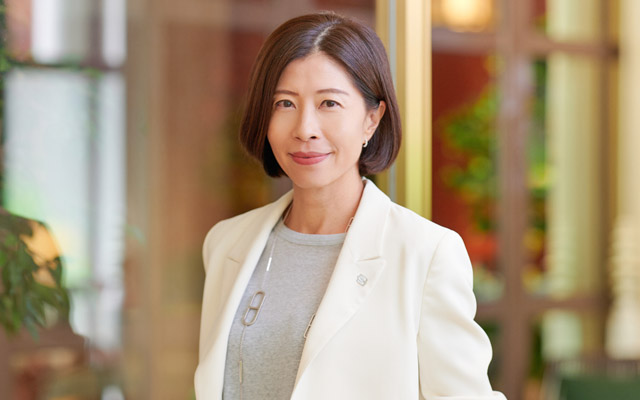 Lo brings over 20 years of experience in Hong Kong’s luxury hospitality sector. She joins Lanson Place from K11 ARTUS, where she served as general manager since 2019, overseeing day-to-day operations, contributing to new property developments, and leading feasibility studies for brand expansion.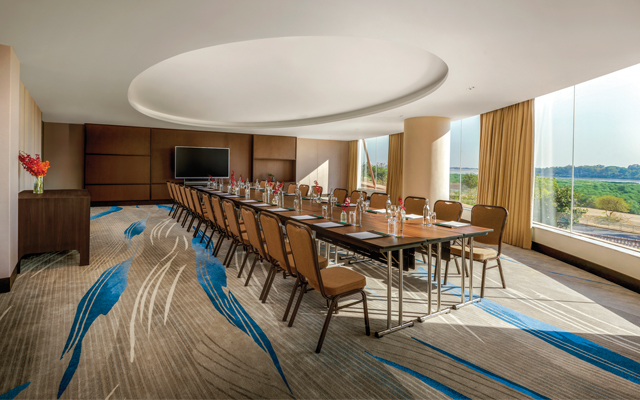
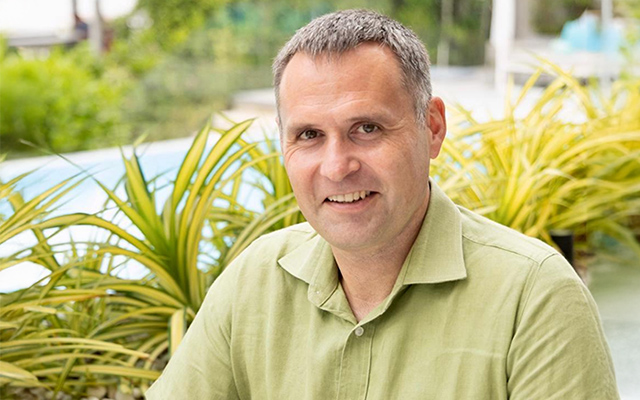 He brings more than 20 years of experience in hospitality and will oversee operations as Jati enters its first full high season.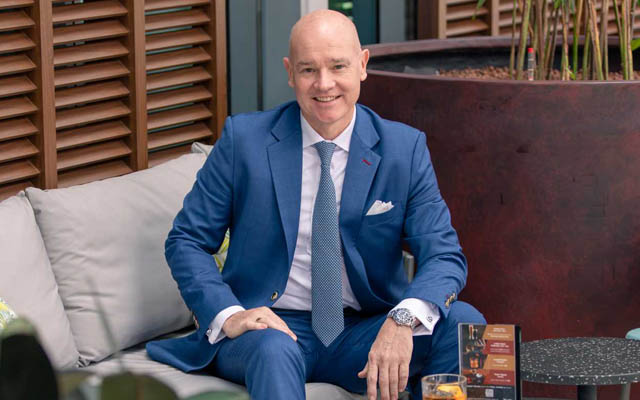
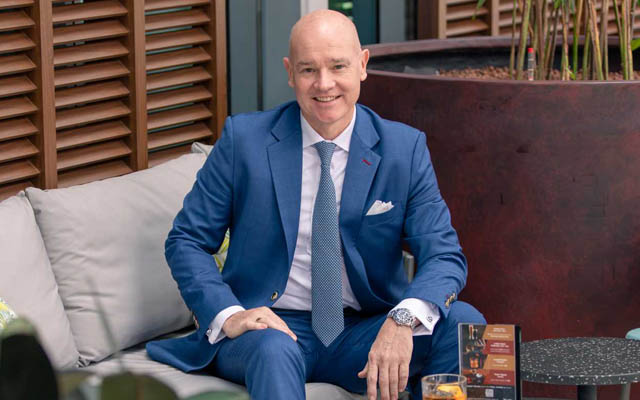 He brings over 20 years of international experience in luxury hospitality across Asia, Africa and Europe, having held senior positions at The Savoy and The Berkeley in London, Fairmont Mount Kenya Safari Club, and Fairmont Sanur Beach Bali.