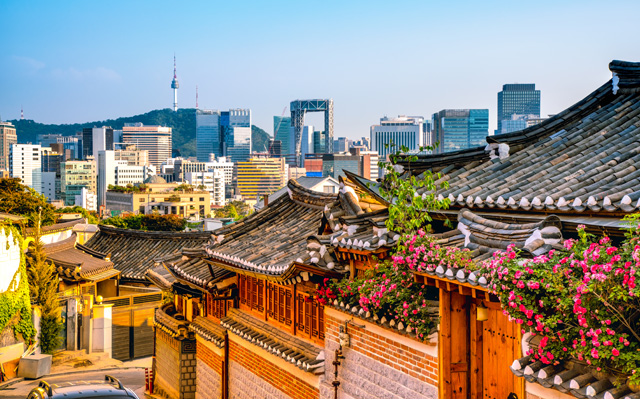
Bukchon Hanok Village in Seoul, South Korea, pictured
About 11,000 employees of global health food manufacturing company USANA Health Science will be heading to South Korea from May 6-10, 2020.
The Utah-based company will be holding its 2020 USANA ASIA PACIFIC Corporate event, which will include meetings to discuss new product development and marketing strategies as well as visits to key attractions in the Seoul and Gyeonggi areas.
Bukchon Hanok Village in Seoul, South Korea, pictured
The event will be jointly hosted by the Korea Tourism Organization (KTO), Gyeonggi Tourism Organization and the Goyang Convention Bureau, and will see representatives from 11 Asian countries in attendance.
For the past five years, from 2015 to 2019, USANA hosted its corporate meetings in Singapore. However, due to rapid growth in the Asia-Pacific market and an increase in the number of participants, the group chose to consider other countries to host next year’s corporate meeting.
KTO triumphed over bids from China, Malaysia, and Taiwan.
Park Jung-Ha, KTO’s executive vice president of the international tourism division said in a statement: “The USANA corporate meeting holds great significance for the development of the Korean tourism industry in that the meeting will see the greatest number of participants among any corporate meeting Korea has hosted thus far.
“Furthermore, the production inducement effect is estimated to be 50 billion won (US$41.1 million), the value-added effect 22.5 billion won, income-inducement effect 10.8 billion won and employment-inducement effect 497 persons. If the 2020 Korea event is successful, there are plans to secure the event in Korea for the next five consecutive years until 2025.”
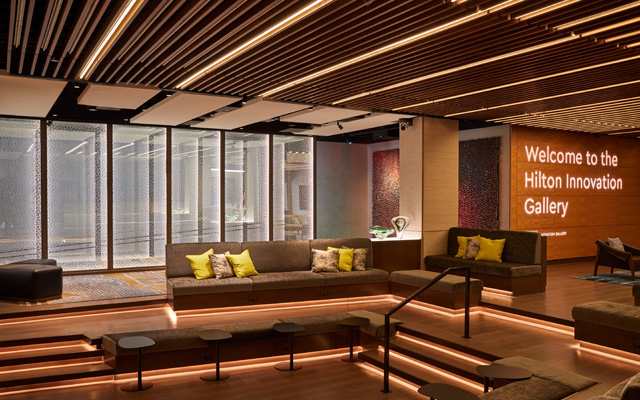
Meeting space design concepts including dynamic, social work areas that feature all of the amenities needed by remote workers, Hilton McLean Tysons Corner Innovation Gallery pictured
Young business travellers aged between 23-35 and who attend meetings on the road have revealed to Hilton Hotels & Resorts in a survey that while buzzing social environment and in-person interactions during regular work hours, this segment would rather spend their evenings on their own.
The research identified that 84% of young business travellers say that they cherish their alone time during business trips, and nearly three-fourths (73%) report that they have a better experience when they spend downtime on their own.
Meeting space design concepts including dynamic, social work areas that feature all of the amenities needed by remote workers, Hilton McLean Tysons Corner Innovation Gallery pictured
When asked how this group prefers to spend their free time, results included: eating at local restaurants (69%); exploring the city and/or neighbourhood (59%); sleeping or relaxing (56%); working out (35%); and attending a Happy Hour (38%) or unwinding at the lobby/hotel bar (32%).
“We’ve all had over-scheduled business trips – with meetings from 09.00 to 17.00. and social obligations the rest of the evening – and the result is pure exhaustion. We applaud this next generation of travellers for highlighting a tension point many of us have dealt with for years,” said Vera Manoukian, senior vice president and global head, Hilton Hotels & Resorts.
In looking at preferred work styles while travelling for business, findings were consistent with Hilton Hotels & Resorts’ 2018 survey results with 81% of respondents believing that they can get more done in-person.
Findings also underscore how their workspace – whether that’s a formal meeting room or multifunctional common space – plays a key role in spurring creativity, encouraging collaboration and ultimately contributing to positive outcomes. Key findings include:
Bustling environment: Two-thirds of respondents (63%) are more inspired in a busy, social environment when they are working alone/independently
Natural Light: 92% prefer natural light/windows in a meeting space
Colourful Spaces: 80% prefer a colourful meeting space with elements inspired by their surroundings
Intuitive Technology: 82% prefer a meeting space with ad
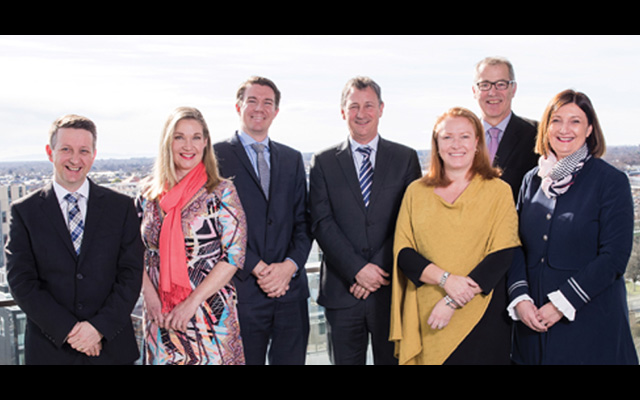
The team will be headed by general manager Ross Steele, and joining him are Karine Legeay-Fisher (event services), Ben Buchanan (business services), Darren Tait (culinary services), Vanessa McBean (human resources) and Ken Davidson (building services). Earlier last year, Gillian Officer was appointed director of sales.
From left: Darren Tait, Vanessa McBean, Ben Buchanan, Ross Steele, Gillian Officer, Ken Davidson and Karine Legeay-Fisher
Steele was appointed general manager in early 2019, and brings more than 20 years’ convention centre business experience to the role. Prior to joining Te Pae Christchurch, Steele managed the Cairns Convention Centre in Queensland for 12 years.
Legeay-Fisher has more than 25 years’ experience planning and delivering customer service excellence in international and local tourism, venues and event sectors.
Buchanan is a qualified chartered accountant whose career spans across a number of convention centres and entertainment venues.
Tait has more than 25 years’ senior management experience in both New Zealand and the UK, where he worked in country house hotels in Scotland and large function venues in England, as well as the largest entertainment venue in Christchurch.
McBean began her career in hospitality at the Regent Auckland Hotel more than 30 years ago. She has held various hotel operations and F&B management roles in locations across New Zealand. Before joining Te Pae Christchurch, she was the regional HR manager at Farmers for six years.
Davidson has worked in the hospitality industry for more than 20 years. He held the chief engineer role for leading local hotels, including the Novotel Queenstown and the Grand Mercure St Moritz.
Singapore-headquartered Pan Pacific Hotels Group (PPHG) is bringing its first serviced suite product into Vietnam, with the opening of Parkroyal Serviced Suites Hanoi in 2020.
This marks the debut of the group’s Parkroyal brand in Hanoi, where it already operates the Pan Pacific Hanoi. With this latest addition, the number of PPHG’s properties in Vietnam will total three, including the Parkroyal Saigon in Ho Chi Minh City.
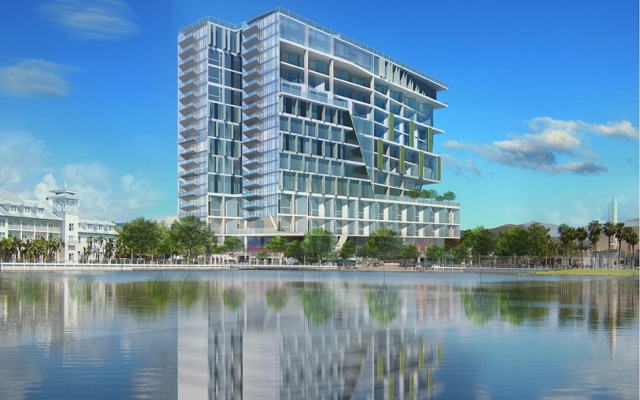
A rendering of the upcoming serviced apartments
Located at the scenic West Lake, the 126-unit Parkroyal Serviced Suites Hanoi is less than a 15-minute drive from key business, commercial and tourist areas of Hanoi, including the Ba Binh and Hoan Kiem districts.
The new Hanoi property will feature a rooftop restaurant and bar, multi-function spaces, a fitness centre and wellness facilities, including a swimming pool. Each unit will also be equipped with modern amenities, including a kitchenette, washer and dryer.
Parkroyal serviced suites are currently operated in Singapore, Kuala Lumpur and Yangon, with Bangkok and Jakarta soon to come in the pipeline, said Neo Soon Hup, executive vice-president, operations, PPHG.
Scheduled for opening later this year, the 205-unit Pan Pacific Serviced Suites Puteri Harbour will cater to the needs of short- and extended-stay professionals and expatriates working in the Iskandar region of Johor, Malaysia. The property is a 10-minute drive from Singapore via Tuas Second Link.
Pan Pacific Serviced Suites Jakarta, comprising 179 units, will open in 2020 in Indonesia 1, the tallest twin tower in the country located along Jalan Thamrin in the city’s CBD.
Come 2021, the 210-unit Pan Pacific Serviced Suites Kuala Lumpur will open along Jalan Sultan Ismail in the heart of the city. In the same year, Parkroyal Jakarta and Parkroyal Serviced Suites Jakarta will open as part of a new mixed-use development in Jakarta’s Thamrin Nine.
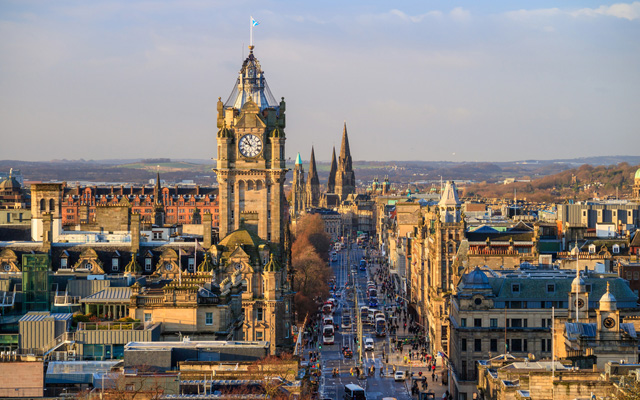
VisitScotland provides more details on its Legends Legacy Network; Edinburgh, Scotland pictured
VisitScotland provides more details on its Legends Legacy Network; Edinburgh, Scotland pictured
VisitScotland unveils Legends Legacy Network
VisitScotland Business Events has launched Scotland’s Legends Legacy Network, pulling local innovation centres, industry representative organisations and research hubs together to enhance the country’s inward investment, inclusive growth and global profiling ambitions.
The Legends Legacy Network is an evolution of its Legends marketing campaign.
Focus is on the importance of legacy and collaboration, both nationally and internationally, and how the country can connect with international businesses through business events. It aims to promote Scotland as “a place where new #ideasbecomelegend.”
The Legends Legacy Network will continue to push and develop on the work that has already been achieved through the Legends campaign and continue to show that business events are a critical tool for economic and social progress.
Uniworld reports best year for charter sales
Uniworld Boutique River Cruise Collection, a luxurious all-inclusive river cruise line, will close 2019 charter sales with a YOY increase of 225 per cent in full ship charters, marking the company’s most successful year in charter sales in its history.
Uniworld has enhanced its charter and incentive offerings in recent years, including two new ships from new brand U River Cruises. A variety of charter options and the ability to customise an itinerary, executed by Uniworld’s in-house Charters & Incentives team, has helped drive incredible growth in the brand’s charter sales business, stated a press release.
Each ship accommodates between 116 and 159 guests in Europe and 56 to 81 guests in Egypt, India, Vietnam and Cambodia. Planners are able to build their own special menus, onboard entertainment and activities, private shore excursions, corporate branding opportunities and more. All ships include premier accommodations for meetings groups, with complimentary audiovisual equipment, shipwide Wi-Fi and meeting spaces in a variety of configurations. Itineraries can also incorporate themes such as food and wine, history or art.
Both Uniworld and U brands have been chartered by special interest leisure groups and corporate incentive groups, the latter said to be increasingly popular. Corporate incentive groups range from 20 to 80 guests, with bookings coming from the US, Canada, Asia, Australia and beyond.
Finnair flies first biofuel flight Finnish flag-carrier Finnair flew its first biofuel flight, backed by its Push For Change carbon decreasing initiative, on August 5, with a second following on August 7.
Finnair flights departing San Francisco Airport bound for Helsinki, Finland, were flown with a biofuel mix of 12 per cent, reducing the total CO2 emissions for the two flights by approximately 32 tons.
“The launch of our Push For Change initiative was an important step for Finnair in order to provide our customers with the opportunity to conveniently offset or decrease the emissions from their travel,” said Arja Suominen, senior vice president, communications & corporate responsibility at Finnair.
Finnair’s biofuel partners in San Francisco are SkyNRG and World Energy; Shell Aviation has provided logistics and supply chain support for the project. The sustainable biofuel is produced from used cooking oil in California, which does not compete with food production or the agriculture industry.
Flights flown by Finnair with biofuel are determined by the uptake of the service by Finnair customers. To support biofuel flights, Finnair customers can purchase biofuel via Finnair’s Push For Change service available on Finnair web pages, which can also be paid for with Finnair Plus frequent flyer points.
Biofuel is sold for €10 (US$11), €20 or €65, to reduce the emissions of a return flight in Finland, return flight within Europe, or a return intercontinental flight respectively. Finnair customers can also support a CO2 emission reduction project by making offset payments of one euro for a return flight within Finland, two euros for a return flight within Europe, and six euros for a return intercontinental flight. The charges are based on the average emissions and costs of reducing a CO2 ton within the project. The payments are transferred to the project in full through NEFCO.
Finnair also offsets the CO2 emissions of its own personnel’s duty travel through the CO2 emission reduction project.
Douglas Glen has joined Carlton City Hotel Singapore as general manager.
With over 30 years of extensive leadership and global luxury hospitality experience, Glen will be responsible for driving all key operations and strategic initiatives for the 386-room upscale business hotel’s continued growth in revenue and brand reputation.
Glen has successfully managed high-profile, five-star international chain hotels in the UK and South-east Asia. For over two decades, the Scotland-born hotelier held various management positions with The Landmark Lancaster Hotel Group.
During his stint as the general manager of The Landmark Bangkok from 2013 to 2018, he played a pivotal role in the overall growth and profit of the five-star hotel, effectively developing a cross-functional culture for continuous improvement.
Prior to joining Carlton City Hotel Singapore in April 2019, Glen was most recently pre-opening general manager for the Steigenberger Hotel Riverside in Bangkok.
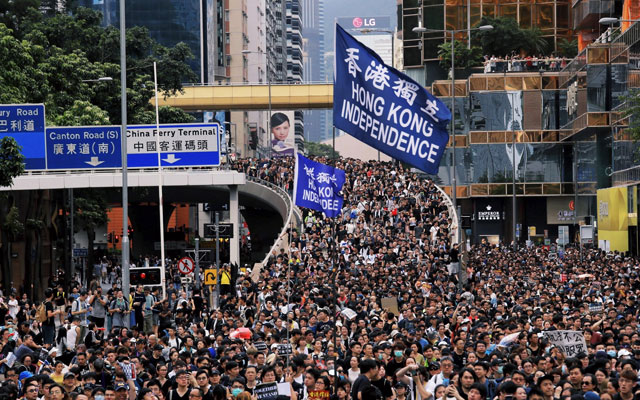
Prolonged city-wide protests in Hong Kong against encroaching control from Beijing have resulted in event cancellations and poor business expectations for the rest of the year, reported events specialists in the destination.
City-wide protests are hurting business events in Hong Kong
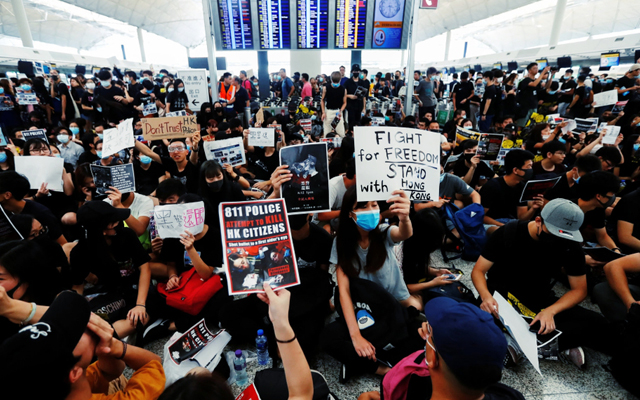
Besides a sit-in protest at the Hong Kong International Airport (HKIA) which led to an abrupt 12-hour shutdown of the facility on Monday evening, Hong Kong has also suffered protests that spread into various districts over the last 10 weeks.
These protests – some of which were violent – have impacted tourism and business events.
Tourism stakeholders have reported poor business in July and their outlook remains bleak for August.
Most MICE stakeholders are reluctant to speak on record about the situation’s impact on business.
Doris Lam, general manager of Momentous Asia Travel & Events Co, told TTGmice that “the damage has been done”.
Lam said: “Business has been affected very seriously. Many groups originally bound for Hong Kong were cancelled, and many agents are letting their staff go on no-pay leave. It will take a very long time for (the industry) to recover.”
She added: “We are lucky that our next event is in China and another one is heading out of Hong Kong. Going forward, we may direct our events elsewhere. This is not good for Hong Kong in the long run.”
Over at Destination China, general manager Gunther Homerlein is expecting no new events for the rest of 2019.
“Traditionally this period brings us quite a bit of business, which can make up 15 to 20 per cent of our annual revenue,” he lamented.
However, for Destination China, confirmed events are still “stable”, with clients only asking for situation updates and not yet cancelling.
Homerlein said: “I believe if they had the opportunity to cancel under “force majeure”, at least 50 per cent of the upcoming events would. But most (clients) have invested deposits and would lose these at the moment if they chose to cancel. So for the time being, things are stable.”
He warned that “force majeure” would come into effect should the situation worsens and the United Nations or other globally-recognised body issues a travel advisory against Hong Kong.
“What has prevented this from happening so far is that there has not really been any risk to livelihood and no tourists have been hurt or affected by the riots and protests, with the exception of travel distruption,” he added.
Homerlein said event operations will have to work around the protests.
“The bigger rallies in Tsim Sha Tsui and Central earlier on affected us more than the now sporadic violent ones. If we know protesters are in an area, we avoid it. We have had to cancel a couple of dinners, based on clients concerns rather than the actual situation, but it is just a matter of keeping on line, keeping in touch and avoiding areas where there is confrontation.”
Corporate travel companies, like Connexus Travel, are issuing regular alerts to clients and advising them to monitor local media for updates on the demonstrations.
Operations have resumed at Hong Kong International Airport (HKIA) early Tuesday morning, a day after a massive pro-democracy protest there forced the shutdown of the travel hub, according to an AFP report.
Signalling a return of normalcy, check-ins at the departures hall were in progress and information boards showed several flights were boarding soon or about to depart.
A mass protest led to the forced shutdown of HKIA on Monday evening
The sudden shutdown of the busy international transport hub came after thousands of demonstrators staged a peaceful sit-in protest at the airport, said the AFP report, adding that the rally has enraged Beijing, which likened some of the violent protests to “terrorism”.
While only a few demonstrators remain in the airport, protestors have said they plan to resume their efforts later that day.
A South China Morning Post report claimed that Monday’s protest left hundreds of passengers stranded at HKIA. The Hong Kong Airport Authority moved to cancel all flights after 18:00 local time yesterday due to the protest, affecting about 180 outbound flights and 45 inbound flights. The lack of information from airlines meant that many passengers arrived at the airport clueless about the cancellations.
Affected Asian airlines included Singapore Airlines and its subsidiary Scoot, as well as the Philippines’ Cebu Pacific and Malaysia Airlines. They were forced to re-route or turn their flights back to their country of origin.
Yesterday, HK Express issued a travel advisory on the airport disruption and warned of some cancelled flights between August 12 and 13.
The airport closure was the latest in Hong Kong’s ongoing anti-government protests, which show no signs of abating more than two months after they were sparked by a controversial extradition bill but has since morphed into wider resistance against encroaching control from Beijing.
Although Hong Kong tourism authorities insist it is safe to travel to the city and many attractions remain open, the prolonged protests have since drawn travel advisories from the government of Singapore, the US and Canada, with travellers advised to exercise caution and to avoid areas affected by protest rallies.
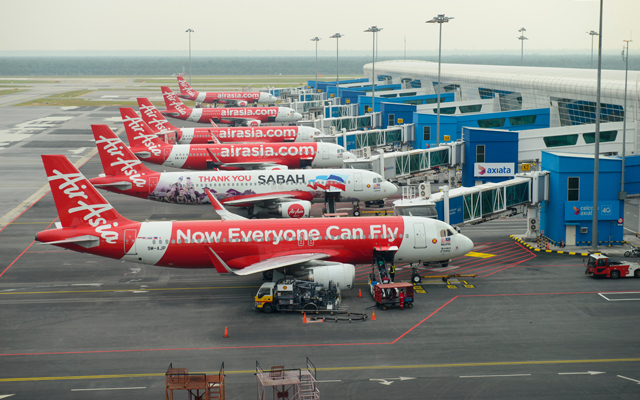
AirAsia has since last Thursday started collecting the increased passenger service charge (PSC) of RM73 (US$17) levied by Malaysia Airports Holdings Berhad (MAHB), following a recent court ruling.
AirAsia has begun collecting the increased passenger service charge (PSC) of RM73
In a statement, the airline said that it will be doing so “under protest”, after losing a lawsuit against MAHB.
In July, the Kuala Lumpur High Court had dismissed AirAsia and AirAsia X’s striking out application in relation to the payment for outstanding PSC to Malaysia Airports (Sepang) (MASSB), a subsidiary of MAHB. The airline subsequently appealed against the order to pay RM41.5 million (US$9.9 million) of arrears to MAHB.
PSC, or airport tax, is charged by MAHB on all departing passengers for the use of airport facilities, and is collected by airlines such as AirAsia on behalf of the airport operator.
MAHB had imposed a higher PSC of RM73 on passengers using klia2 to destinations beyond South-east Asia, stating that it was implementing the same charges as at the full-service terminal KLIA, effective July 2018.
The new PSC was higher than the previous rate of RM50, and AirAsia had refused to collect the additional RM23 from its guests, saying that it was ensuring air travel remains affordable for all, and also that the inferior service and facilities at klia2 could not match up to those at the KLIA.
In February, AirAsia had sued MASSB for almost RM480 million (US$117 million) for supposed losses incurred from operating at klia2.
Following this latest development, AirAsia will now collect the additional RM23 in PSC, and the differential amount will be clearly indicated in the itemised fare as “PSC (Under Protest)”.
AirAsia Malaysia CEO, Riad Asmat, said: “We will collect the full RM73 PSC but we do so under strong protest. Itemising the additional PSC will allow our 5.5 million guests departing from klia2 for non-ASEAN destinations annually to see how much they’re paying for inferior facilities. I believe many will agree with us that they’re not getting their money’s worth, especially when compared to the far superior facilities at KLIA.”
AirAsia X Malaysia CEO, Benyamin Ismail, added: “We really don’t want to be (collecting the PSC), and we sympathise with our guests. PSC for passengers flying beyond ASEAN has more than doubled in less than two years, from RM32 to RM73.”
He added: “This is an arbitrary hike and we will continue to oppose it until all our legal options are exhausted. However, we are forced to collect the additional RM23 as we cannot afford to continue subsidising our guests in the event our appeal falls through. We hope our guests will understand.”
This new ruling culminates the months-long contentious dispute between AirAsia and MAHB over the PSC.
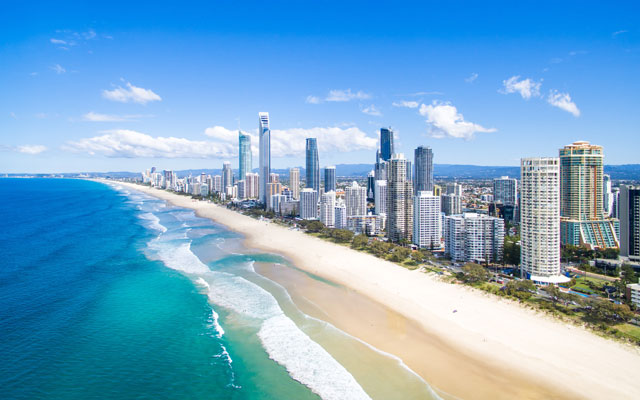
The Gold Coast has been selected to host the Amway Taiwan 2019 Leadership Seminar in November, an incentive event that will bring over 950 distributors and company representatives to the destination.
Amway Taiwan 2019 Leadership Seminar to head to the Gold Coast this November
Destination Gold Coast CEO Annaliese Battista said the event is expected to inject A$2.8 million (US$1.9 million) into the Gold Coast economy.
The Gold Coast was selected ahead of other international destinations bidding for the programme, including Canada, Hawaii and Tokyo.
The Leadership Seminar is designed as a reward to motivate distributors to achieve excellence and outstanding achievement in their business.
“We are delighted to have secured this important incentive and offer our support to Amway Taiwan who will no doubt deliver an inspiring and motivating itinerary as part of their robust distributor reward programme,” said Battista in a press statement.
“The Gold Coast offers business event travellers exceptionally diverse tourism experiences and high-quality venues in an enviable globally-renowned destination.”
Tourism Industry Development minister Kate Jones said securing another Amway business event was a coup for Queensland and would showcase the Gold Coast’s best tourism offerings to some of Taiwan’s best sales people.
“Winning the bid to secure a second Amway event for Queensland above other international competitors demonstrates the strength of our tourism offering and the importance of business events to Queensland’s tourism economy,” she said.
The bid was a collaborative effort by Destination Gold Coast and Tourism Australia, and supported by the Business Events Bid Fund Program and Tourism and Events Queensland’s Business Events Acquisition and Leveraging Fund.
Just 10 minutes from Phuket International Airport on the serene northern coast, this 178-key, Bill Bensley-designed resort offers delegates a quiet, tropical paradise steeped in Phuket’s tin-mining heritage
The newly-opened Ritz-Carlton, Bangkok anchors the One Bangkok development with cosmopolitan elegance. Featuring the city's largest ballroom and a spectacular new penthouse suite, it delivers exceptional hardware and deeply authentic, soulful service for business and leisure travellers alike
Behind the imposing, Brutalist concrete that defines Zurich’s Oerlikon district lies a surprising secret. While its exterior honours the neighbourhood’s industrial roots, stepping inside Mama Shelter reveals a vibrant, neon-soaked world that is a far cry from its rigid shell