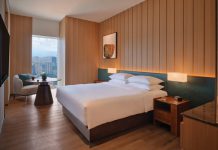
THE LANGKAWI International Convention Centre (LICC) has recently enhanced is half- and full-day meeting packages.
Half- or full-day meeting packages, complete with lunch and tea break are priced are RM160 nett (US$40) and RM180 nett per person respectively. Both packages come with complimentary use of an LCD projector and screen, a flipchart and/or whiteboard and two microphones from a choice of wired, wireless, lapel or table microphones. Conference stationery, mints and bottled water are also provided throughout the meeting duration. For additional meeting rooms, a discounted rental charge will be applicable.
For clients who wish to add dinner to the package, there will be a choice of buffet or set menu starting at RM180 nett per person.
“A variety of Asian and international cuisine is available; including Malay, Chinese, Indian, Western and fusion, providing our customers with a delicious conclusion to their meetings,” said Tengku Ramizan, director of LICC.
Moreover, LICC is offering complimentary return transfer pickups for any confirmed clients whose guests are staying at hotels, excluding the neighbouring Westin Langkawi Resort and Spa. LICC delegates will also be able to enjoy 30 per cent discount for any spa treatment and 20 per cent discount for beverages during events.
All promotions are available until December 31, 2017.
Sydney’s Ovolo Woolloomooloo has launched its brand new event complex, after a A$20 million (US$15.1 million) renovation.
The complex, set in a 100-year-old heritage-listed wharf, has rooms that are named after some of Sydney’s most popular neighbourhoods and can cater for events with 12 to 350 guests.
The biggest of the rooms, Piper Room, can be combined with The Burbs – made up of Darlo, Paddo and The Cross rooms – to create a 390m2 space for up to 350 guests.
For smaller gatherings, planners can use the Glam-A-Rama boardroom, as well as the AC/DC and INXS Ultraroo suites.
Joanna Hillier, conference & events sales manager, Ovolo Woolloomooloo, said: “We know that not all events are created equal and accept the challenge to make every event completely different. Whether it be for work or pleasure, a memorable location creates a memorable occasion. There are few areas in Sydney that rival our location and the versatility of our offering.”
The use of state-of-the-art audiovisual equipment and Wi-Fi are included with every booking, while delegates receive preferential bookings at the hotel. Planners are also given a selection of menus, created by award-winning group executive chef, Gavin Berrecloth, to choose from.
Wanda Reign on the Bund, the latest ultra-luxury property under the Wanda Hotels & Resorts umbrella, has opened in front of the popular Shanghai Shiliupu Marina.
The hotel features 193 rooms including 14 suites, five F&B outlets offering a variety of cuisines, a 720m2 pillar-less Grand Ballroom which looks out to the Bund, three multi-purpose function rooms, and the private Club Reign, among other facilities. Meeting planners can also enjoy assistance from the hotel’s in-house event specialists and a professional banquet culinary team.
Yu Garden and the City God Temple are within walking distance, allowing time-strapped business travellers to get a quick introduction to Shanghai’s cultural side.
Easier access to information essential for event planning as well as richer content are being promised on the revamped Destination Asia Events website.
The redesigned website now provides planners with a thorough understanding and overview of event options available in the 11 Asian destinations the company has operations in.
Users are able to view destination facts and extensive information on hotels and venues. For select destinations there is also an option to directly download event videos, programme overviews and ready-made presentations that can be included in proposals to clients.
China, Vietnam, Cambodia and Indonesia take the online offering further by making available virtual, 360-degree-view tours of the destination.
The new responsive site can work across all devices, ensuring every planner has the best possible experience when navigating through its pages.
“We are excited about our new event website and the valued information it provides for clients who seek to remain ahead of their competitors,” said Victoria Sertic, COO of Destination Asia Events.
Sertic added: “The new site was required to better support our clients, providing them with the tools they need to succeed when competing against others.
“It also complements the support provided by our professional, local meeting and incentive staff who lead the way in providing faultless event services for groups of any size visiting Asia.”
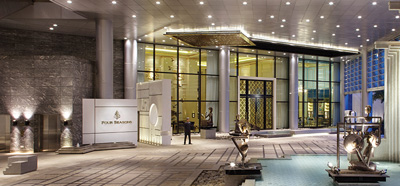
The 125-suite Four Seasons Jakarta has opened on Jalan Gatot Subroto within the central business district of the Indonesian capital.
Business travellers will appreciate the elegant and spacious suites crafted by New York-based interior designer Alexandra Champalimaud, a member of the Interior Design Hall, who worked chinoiserie wall panels, original Indonesian artwork and Italian marble bathrooms into each unit. Private space is also separated from the living area to allow a perfect mix of comfort, style and function.
Facilities include four F&B outlets, a spa, a 24-hour fitness centre, an outdoor pool and 1,858m2 of function space which features the Grand Ballroom for 350 people, two salons, three meeting rooms and a pool terrace.
Centara Hotel & Convention Centre Khon Kaen has been rebranded under Minor Hotels’ Avani flag.
According to a statement, Avani Khon Kaen Hotel & Convention Centre is “uniquely positioned to meet the needs of business guests”, boasting 4,000m2 of meeting space.
In addition to having 196 guestrooms across five room types, the property also features an outdoor pool, a fitness centre and a spa.
The property is a 15-minute drive from Khon Kaen Airport and located close to a number of leisure attractions such as the Dino Park water park and a shopping district.
A line of specialised tours that connect event delegates with some of Asia’s most inspiring people who will impart knowledge on Asian cuisine, history, arts and culture, have been launched by Buffalo Tours.
Also available to leisure tour groups and individual travellers, the Master Class line boasts 14 unique tours in seven Asian countries. Event groups can expect to enhance their programme with a guide who is a stone conservationist in Angkor Wat; Indonesia’s most famous chef, Degan; and a famous painter who explores the history of Hanoi through art.
Matt Masson, Buffalo Tours managing director, said: “Many of our customers are looking for unique and exclusive experiences that they will remember forever. These experiences and workshops from local masters provide an out-of-the-box insight into our destinations.
“Some of our Master Class experiences include preparing traditional Chinese home cooked meals, capturing the unique architecture of Kuala Lumpur through photography, learning the secrets behind making the legendary Singapore Sling, or exploring Saigon’s history through paintings.”
Masson added that the Master Class delivers Buffalo Tours’ commitment to connecting people and cultures through extraordinary journeys.
Master Class follows close on the heels of Buffalo Tour’s late-June launch of a dedicated MICE division, Buffalo Events.
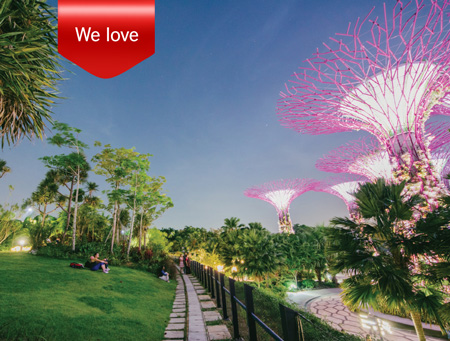
Gardens by the Bay’s existing event venues such as the Flower Field Hall are already a hit with event planners, but its latest product will likely set more hearts ablaze.
The new Secret Life of Trees is a new outdoor venue that made its debut in July. Carved out of an existing plot of lush land that sits close to the iconic Supertree Grove and promising the best views of the 15-minute Garden Rhapsody light and sound show that transforms the megastructures into magical giants, Secret Life of Trees is perfect for welcome cocktails, networking parties and product launches for up to 120 guests.
It boasts a fairytale-like garden setting, framed by trees of varied species, and offers plenty of attractive photo opportunities.
According to Darren Oh, director of business development at Gardens by the Bay, there has been a surge in demand for outdoor events at the attraction, and Secret Life of Trees is the answer to this growing interest.
Oh said the new venue “helps to break the usual tone of meetings and events by transporting (delegates) outside”.
Mobile sound system and projection setup can be arranged, as can chauffeur-driven garden cruisers to ferry guests to the venue.
In the event of wet weather, a sheltered space located right below the garden will be used instead.
To enhance the event experience, planners can arrange for their guests to end the event with a stroll through Gardens by the Bay and across the OCBC Skyway, an aerial walkway located 22m above ground in the Supertree Grove.
Secret Life of Trees is open for hire from 18.00 to 21.00 only.
Brexit reality has rocked global stock markets and slayed the pound, but Asian BTMICE players are not feeling the pinch yet. By Karen Yue
In the days after the UK’s historical vote on June 23 to leave the European Union, leading global travel companies have reported neither sharp falls in business travel traffic nor postponements or cancellations of business events originating from the UK.
Carlson Wagonlit Travel (CWT), BCD Travel and Hotel Reservation Service (HRS), have all reported no significant changes in business travel by their clients in the UK over the final days of June.
The impact on business travel has continued to be slight in the following weeks.
While Bertrand Saillet, general manager of FCM Travel Solutions Singapore, shared that “a level of uncertainty and a slight downward trend in business travel” had emerged over time, he said there isn’t yet a “clear trend for business travel to and from the UK”.
“Corporate travel is usually linked to market conditions, so with the uncertainty, businesses are watching their spend more cautiously and when this happens, business travel is usually the first to be scaled back. This is more apparent now in the finance and investment sectors, where most trading is conducted in pounds,” Saillet explained.
But because most business travel plans are pre-determined (and essential for) ongoing business discussions, corporate traffic from the UK into Asia will carry on as usual, according to Saillet.
BCD Travel is also “preparing for some volatility” as clients may take a “conservative approach to internal travel and small meetings”, according to Greg O’Neil, president – Asia-Pacific, but the company is not “adjusting annual projections for volume”.
Still, the uncertain economy will cause clients to approach travel negotiations with greater care, resulting in tougher negotiations and higher demand for cost-savings, opined both FCM and HRS.
No impact yet on meetings
It is still early days for regional MICE experts to diagnose Brexit’s impact on meetings and events coming from the UK into Asia, but a tinge of apprehension exists.
Arokia Das, senior manager at Luxury Tours Malaysia, thinks a slowdown in corporate event bookings is on the horizon, as companies will be cautious about spending and may wait until the economy and political situation stabilise.
And should demand for corporate meetings be affected, O’Neil and Saillet agreed that small meetings would take the first hit.
O’Neil explained: “Companies tend to drop small internal meetings first because those are planned closer to the time of the event and often can be (replaced) using virtual collaboration technology. Larger meetings typically include costly cancellation policies, so we expect them to proceed.”
On the corporate incentives front, SITE past president, Paul Miller, has urged calm, saying: “It is critical that our industry maintains a ‘keep calm and carry on’ approach in order to minimise any potential impact on incentive travel programmes and other business events.”
And calm is what Diethelm Travel Group is feeling right now.
Lisa Fitzell, group managing director of the inbound specialist with operations in 12 Asian countries and which is strong in the European market, told TTGmice that it is business as usual with her UK clients.
“We have had no cancellations and bookings have not slowed down,” Fitzell said, adding that enquiries for future events in Asia have not been put on hold.
Fitzell, who held client meetings across the UK in the two weeks following the Brexit vote, found that key clients were not changing their forecasts for 2016.
While she expects softer bookings in 2017 due to the weak pound, she opined that “Asia is still placed better than the US, Australia or New Zealand (as a destination) due to the value it offers”.
SITE Asia-Pacific president, Rajeev Kohli, also reminded his industry peers that “British travellers tend to be very resilient and, after a period of adjustment, we should see a degree of normalcy (in outbound travel) return.”
Rosy prospects the other way
It is a different story with inbound travel to the UK.
David Tarsh, managing director of UK-based Tarsh Consulting, which serves many in the travel industry there, said: “Brexit brought a slump in the value of the pound. Overnight, hotel rooms, taxis, restaurants and all visitor attractions in the UK are better value.”
Companies holding events in the UK would benefit from being able to attract a larger attendance with the softer currency, opined Saillet.
“This means we are able to offer our clients more event options that fit within their budget. Our clients are also looking to extend their business trips in London because it is now more affordable to do so,” he said.
A HRS spokesperson also agrees that the weakened pound will lead to increased demand for the UK, as cost of business trips and meetings will be lower.
Dynasty Travel, one of Singapore’s leading outbound specialists with a business events arm, has already reaped the rewards of Brexit’s pound slaying.
Spokesperson Alicia Seah said corporate event bookings for the UK have leapt 15 to 20 per cent within a few weeks. These are slated to take place between September and December.
Seah added that dual city itineraries, such as those combining London and Paris, are giving way to more UK-only programmes as clients hope to take full advantage of their new buying power.
“Travellers are opting to travel beyond London to less explored parts of the UK, such as Ireland and Scotland,” she said.
“The UK is popular among Singaporeans. If the pound continues to weaken, we can expect even stronger demand in the coming spring/summer months,” Seah concluded.
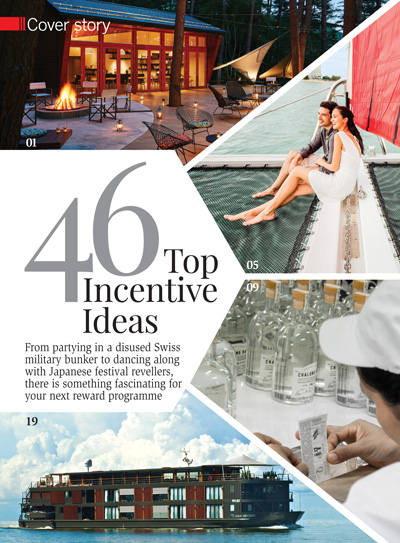
From partying in a disused Swiss military bunker to dancing along with Japanese festival revellers, there is something fascinating for your next reward programme
Take in the raw energy of Fuji san
Renown Japanese hotel company, Hoshinoya, has come up with a great way to appreciate the majesty of Mount Fuji by placing guests in a location that leverages the great outdoors around the sacred mountain and yet elevate the experience with touches of luxury.
Known as Japan’s first glamping resort, the 40-cabin Hoshinoya Fuji sits amid pine forests that overlook Lake Kawaguchi-ko and Mount Fuji. Groups that buy out the resort can work with the in-house Glamping Masters to create an itinerary which includes activities such as coffee brewing lessons, canoeing on Lake Kawaguchi-ko or early-morning yoga in Aokigahara Forest.
The library café, where hot drinks and petit fours are served, is also a lovely place for top achievers to gather and trade winning tips.
Capacity: 86 pax for resort buy-outs Website: http://hoshinoyafuji.com/en/
Party in a Swiss bunker, anyone?
Peace-loving Switzerland’s many disused bunkers – military shelters that are partly or fully buried underground – make for novel incentive event venues.
In Ticino, the bunkers entice with live music and a feast of cheese fondue, raclette and other much loved Swiss dishes. Cooking lessons can even be arranged.
Accorded with military welcome and briefing, your top achievers can spend the night in the dorms within the bunker, which can be personalised and branded with their company logo or Swiss images.
Capacity: 50 pax per bunker, up to six bunkers per event Email: mice@ticino.ch
For your eyes only
Already widely acclaimed as the first museum in the world to be dedicated to modern art from South-east Asia, the National Gallery Singapore invites your delegates for an exclusive view behind the scenes. In this private tour, learn from curators and specialists about the rich history of the heritage buildings and gain insight into iconic art pieces for an unrivalled experience in this prestigious museum.
Picture by nisit keawnoi/shutterstock.com
Capacity: 20 pax per tour Email: info@nationalgallery.sg
Clan meetings
Celebrate your top achievers in a one of the most distinctive Chinese clan houses in Malaysia – the Khoo Kongsi in Penang – by throwing a dinner featuring delectable popular local street eats such as char koay teow, laksa and passembur and entertaining them with living heritage activities that showcase true Malaysian customs and traditions.
Discovery Overland Holidays, which delivers this experience, is able to put together unique cultural dance performances as well as a mock Peranakan wedding procession.
Get on the water in style at Mövenpick Siam Hotel Pattaya, which has partnered with Ocean Marina Yacht to offer upscale sailing in the Gulf of Thailand.
A range of fully-manned yachts are available to whisk guests around the bay or to the neighbouring islands off Na Jomtien coast in Pattaya.
Yachts include the 25-person, 16m-long Siamese Twin, which includes captain and crew, state-of-the-art equipment, living quarters and four bedrooms; the 20-pax, 13m-long Sonic; and the intimate six-pax, 8m-long Siamese Cat.
Slide back in time to the notorious past of Shanghai when the city’s most powerful Chinese crime lords ruled like kings. Have your incentive winners don colonial era costumes, and explore the mansions and villas where once wealthy banking families and rich opium dealers live, and learn how crime lords stashed their ill-gotten gains.
Participants also get an exclusive chance to “spy” on the insides of an old Jewish club where secret conversations took place and gain insight on how they changed the fate of Shanghai. Your winners can conclude the adventure by sipping on complimentary cocktails inside a mansion that once belonged to one of Shanghai’s most influential families.
Picture by Antoine Icard
Capacity: Minimum three pax Email: info@newmantours.com
Wining in Waiheke
Waiheke Island, approximately 18km from Auckland, and is famed for its sprawling vineyards, olive groves and pint-sized beaches. Savoy Charters offers exclusive luxury yacht charters for groups from Auckland to the Island where guests are met by a local sommelier for an afternoon of premium wine tasting. A private tasting back on the 16.4m vessel in a sheltered, secluded bay caps off the experience.
Capacity: 44 pax Email: info@savoy.co.nz
Down by the railroad track
Haerang, also known as the Hallyu Tourism Train, is an event train that provides visitors with a unique and immersive Korean travel experience to Namiseom Island from Seoul. Passengers will get to enjoy Korean fusion music performances and live performances of songs from the soundtracks of hit Korean TV dramas. They will also be treated to a tour of Namiseom Island before indulging in a hearty meal of dakgulbi followed by the chance to make makguksu noodles. The train will then depart from Gimyujeong Station and return to Seoul.
Capacity: At least 100 pax Email: ask@korailtravel.com
A bottle of rum to warm the tum
Visit a young French couple’s award-winning rum distillery at Phuket’s Chalong Bay and meet the owners for a private tour at Chalong Bay Rum. Learn how natural white rum is made from Thai sugarcanes cultivated on the premises. With ample space available at this boutique plant, events and programmes can be customised and personalised, ranging from distillery discovery tours with a master distiller to cocktail-making workshops to full dinner receptions with live music.
Capacity: 50 pax for full-option dinner and activities; 200 pax for cocktail parties Email: marine@chalongbayrum.com
Glory of Awa Odori, Picture by ohn Leung/shutterstock.com
Glory of Awa Odori
The Awa Odori is one of Japan’s three most famous festivals and takes place over four days in Tokushima, on the island of Shikoku, in mid-August every year. Dozens of teams – known as ren – wear brightly coloured costumes and chant and dance through the city’s streets to traditional pipe and drum music. For anyone unfortunate to be visiting at other times of the year, do not fret; teams put on demonstrations three times a day at the Awaodori Hall and positively insist upon audience participation.
Capacity: 50 pax Email: www.awaodori-kaikan.jp
A gastronomic adventure for an exclusive few
Exclusivity, refined cuisine and culinary expertise come together at Khao, the private table of chef Vichit Mukura – the former executive chef at the Mandarin Oriental, Bangkok’s Sala Rim Naam. Set in a cosy dining room with a show kitchen at high-end Japanese restaurant Yuutaro, the acclaimed chef serves up a modern interpretation of Thai cuisine using freshest ingredients available on the day of dining. Six, eight and 10-course menus are offered. With only 12 seats per session and a waiting list at least a month long, this chef’s table will make an intimate gastronomic adventure for discerning gourmands.
Capacity: 12 pax Email: info@khaogroup.com
Get behind a fancy wheel
Perfect for fans of the luxury British car, the Aston Martin Experience at the Silverstone Track, the home of British Motor Racing, allows participants to put their driving skills to the test on eight amazing cars in a single day. Take the Aston Martin V8 Vintage on the full Grand Prix circuit or the Formula Silverstone Single Seater race car on the Stowe Circuit – it is up to your participants’ fancy.
Make time to soak up the ambience of racing greats past and present in the exclusive British Race Drivers’ Clubhouse before finding out first-hand the differences in power, handling and dynamics of these luxury vehicles.
The Waterhouse at South Bund, Shanghai is the embodiment of a perfect architectural marriage between the remnants of a serrated 1930s warehouse and a former army compound, and contemporary design adaptations.
Situated in the iconic Shiliupu dockyards, the hotel offers 19 rooms (including 11 suites), a rooftop bar and an adjacent pillarless multipurpose warehouse. Every room comes with a stunning view of the majestic Huangpu River.
Incentive winners can enjoy epicurean dining at Table No. 1, a modern European restaurant helmed by Jason Atherton, followed by a tour around the nearby old Jewish ghetto and synagogue. Architectural geeks will be pleased to find that The Bund is a mere five minutes’ walk away.
Capacity: Unavailable at press time Email: reservations@waterhouseshanghai.com
Bask in Brunei’s pristine environment
Take your top achievers out of the bustling city and into the preserved Ulu Temburong National Park in Brunei, where flora and fauna are protected for scientific research and the appreciation of low-impact travellers.
A day excursion can be organised for private groups, beginning with a ride in a local water taxi from Bandar through a network of rivers and channels around the back of Brunei Bay. As the group passes by dense mangrove islands, delegates have the chance to spot wildlife enjoying the early morning sun.
From Bandar continue onwards to Batang Duri where the group stops for morning tea, before heading upstream through the rapids of the Temburong River using traditional longboats, to the National Park entrance. Here, enjoy the panoramic view of the rainforest from the tree tops and visit a waterfall for a swim. The return journey downstream is taken on a longboat or inflatable raft to Rainforest Lodge where a great lunch of local delights awaits.
When hungry bellies are satiated, take the zipline and call at an Iban longhouse to discover the local way of life.
Capacity: 60 pax Email: fremeinb@brunet.bn
It is all written in the stars
In June 2012, the Aoraki Mackenzie region in the South Island of New Zealand was approved as one of only a few international Dark SkyReserves worldwide, offering unparalleled vistas of the night sky . Nestled against the backdrop of spectacular alpine landscape, the Hermitage Hotel in Aoraki Mt Cook Village offers Big Sky Star Gazing tours of the largest gold-rated reserve of its kind, beginning at the hotel’s Digital Dome Planetarium. Guests are then transferred to the Reserve where astronomers highlight the constellations of the spectacular southern sky .
What better way to get a feel of a city than through its local cuisine. UnTour Shanghai offers culinary excursions that deviate from usual tourist hotspots. Three regular food tours with bilingual guides are offered: Shanghai Night Markets; Street Eats Breakfast; and Dumpling Delights, which ends with a one-hour hands-on cooking class for shengjianbao with a local chef. Private tours for corporate groups can be arranged.
Capacity: Six to 20 or 30 pax, depending on the tour Email: info@untourshanghai.com
Shake up the afternoon with a sushi class
No trip to Japan is complete without a taste of freshly made sushi, but you can up the game by getting your top achievers to make their own tasty nugget of rice and seafood.
At Umemori Sushi School in Nara, Japan, a sushi-making class can be conducted for groups as large as 100 pax. The 90-minute experience begins with a welcome drink of Japanese tea, and then participants will be given happi, a cloth used for festivals, to don as aprons. After a quick briefing, the group gets on with making eight types of sushi using tuna, squid, salmon, shrimp, eel, salmon roe, scallops and sea urchin.
Everyone will have a chance to enjoy their creations together, before receiving a certicate of completion to show off proudly to friends and family back home.
Capacity: 100 pax Email: info@umemori.co.jp
Fancy a cocktail?
Delve into Shanghai’s thriving nightlife where speakeasy bars are coming back in vogue. For your incentive winners who crave for a different facet of Shanghai, a former F&B editor of Time Out Shanghai will personally lead this tour, taking them to three hidden bars. The night doesn’t end without enjoying new cocktail creations specifically tailored to the participants’ taste by the city’s best bartenders.
Capacity: Minimum two pax; maximum eight Email: info@bespoke-beijing.com
Luxury voyage down the Mekong
The customisability of Aqua’s luxury offerings is just what incentive planners need to effectively dangle a carrot. Unlike its competition, Aqua does not rely on third parties, and even has its own skiffs for excursions – the only cruise plying the Mekong to offer this. With the added flexibility, foodies, for example, could choose to attend cooking lessons on board and visit markets and villages when they hit shore.
Aqua Expedition offers a four-night itinerary from Ho Chi Minh City to Phnom Penh, and a three-night itinerary from Phnom Penh to Siem Reap, with two excursions each day.
Capacity: 20 suites for 40 passengers Website: www.aquaexpeditions.com
Regal home of the winners
Hidden among the lush undulating hills of Bali’s highlands is The Chedi Club Tanah Gajah, an intimate retreat with twenty individual villas, each one uniquely featuring original Balinese artworks, spread across a five-hectare plot.
And within this private, serene complex, poised at the edge of a steep valley along the Petanu River, is the Bumi Duadari, an enchanting residence of renowned Indonesian art collector and designer Hendra Hadiprana. Constructed in traditional Balinese style, the handsome residence also supports local Ubud-based artists by filling out its interior with their art pieces.
While Bumi Duadari is not open for stays, select spaces are available for private event hire. Three venues are on offer: Bale Barong, which can seat 45 pax or accommodate 60 for a standing cocktail; Dua Dari Statue, which can seat 20 pax or host 60 for a standing cocktail; the scenic poolside which is good for a 45-pax cocktail party; The Hadiprana House which welcomes 45 pax for a standing cocktail.
One that features hot air ballooning and a cool champagne breakfast, to be exact!
To gain a full appreciation of the expansive Australian outback and why it has been dubbed The Red Centre, a bird’s-eye view is recommended.
Outback Ballooning operates hot air balloon flights out of Alice Springs, which begin before dawn so your top achievers can watch the sunrise and crimson shades emerge over the West McDonnell Ranges and arid landscape. Following the flight, your groups is treated to a cool champagne breakfast at a remote bush campsite.
The Forbidden City in Beijing is iconic and holding a gala event on the grounds is very prestigious and exclusive because it costs about 10 times more to use the venue to access areas that are not open to the public. Participants can dress up in imperial costumes and enjoy five-star dining in the main hall of the Imperial Ancestral Temple while being entertained by performers playing traditional instruments.
For a modern twist on entertainment for a gala event, a mini Beijing Olympic Games-style opening ceremony with artists and performers can be staged in the courtyard.
When The Gleneagles Hotel first opened its doors in the heart of Scotland in 1924, it was dubbed the playground of the gods. Not much has changed and it is still recognised as one of the world’s grandest resorts.
This luxury hotel is set on a sprawling estate where guests can indulge in a smorgasbord of activities not easily found in the big cities. Have your top achievers train a Labrador at the Gundog School, experience the thrill of flying a Harris Hawk at the world’s first dedicated Falconry School, put their motor skills to the test on two of Scotland’s most challenging 4×4 off-road driving courses, and more.
Golf enthusiasts can also have a go on the PGA Centenary Course which had hosted The 2014 Ryder Cup.
Dining delights abound too at the hotel, home to two Michelin star chef Andrew Fairlie’s restaurant.
Capacity: 232 guests on single-occupancy basis for hotel buy-out Email: group.sales@gleneagles.com
Road to happiness
A well preserved 360m long and 50m high Roman aqueduct in Pont du Gard, France provides a memorable trek to an even more impressive venue where a private sound-and-light show awaits your top achievers. The colossal structure makes a unique backdrop for a private gathering held in a nearby Mediterranean garden or right on the riverbank. At night, the aqueduct will be lit with a thousand lights for a heavenly sight.
A succulent seafood feast on a private island off the coast of Victoria, complete with a beach concierge to facilitate on-the-ground activities such as stand-up paddle boarding, four-wheel driving over sand dunes or a relaxing massage, may be the highlight for the day. But getting your top achievers to this private island lunch date is also great fun when you put them on a helicopter and fly them from Melbourne to the Great Ocean Road, soaring over the majestic 12 Apostles and coastal surrounds.
Capacity: 60 Email: info@bigstickadventures.com
Don’t forget your brolly
Umbrellas are a symbol of good luck for the Hakka people. This 1.5 hour workshop is offered in a small Hakka Village situated in the countryside of Kaohsiung, Taiwan. Owner Li Rong-qun and his wife will guide the class in the century-old craft of Chinese umbrella making, before offering participants brushes and colours to beautify their creations. Moreover, as only a handful of umbrella makers still survive, your group’s participation supports the continuation of this traditional handicraft.
Capacity: 30 pax Email: kcsumbrella@yahoo.com.tw
A great stay all the way
Reward your incentive winners with a one-of-a-kind stay at Commune by the Great Wall, an award-winning contemporary architecture overlooking the Great Wall of China. Occupying the plains of the picturesque Shuiguan Mountains, the property offers tranquillity away from the city’s hustle and bustle. Your winners will appreciate a private path from the property that leads to an untouched section of the Great Wall of China. The property has 40 villas with a total of 175 suites and 11 presidential suites.
Capacity: Unavailable at press time Email: reservation@commune.com.cn
Glide like a bird
At dawn, coast over lush paddy fields, Lanna temples and the rolling mountains of northern Thaiand in a two-seater microlight aircraft belonging to Chiang MaiAdventure. Take in views of the idyllic countryside and enjoy the sensation of gliding in the air like a bird. There are plenty of aerial photo and video opportunities, just make sure to come with a GoPro.
Capacity: Eight pax per day Email: infoadventure@gmail.com
Dive into MIddle Earth
Your top achievers can channel their inner Gandalf and take a journey to Middle-earth with a scenic flight from Queenstown in the South Island of New Zealand. Departing from Queenstown Airport, pilot Alfie Speight, the cameraman responsible for most of the aerial scenes in The Lord of the Rings and The Hobbit movie trilogies, flies passengers over the awe-inspiring Remarkables and onto many film locations including the Shotover River which can be recognised as the Ford of Bruinen.
Capacity:Six pax per helicopter Email: info@glaciersouthernlakes.co.nz
Master The Jungle Cook Book
Love Rudyard Kipling’s The Jungle Book? Now you can step into the very landscape that inspired the setting of the classic tale – Pench National Park – through a stay at Vannraj by Ayana in Madhya Pradesh, India.
The luxury safari lodge is a short drive to the Turia entrance of Pench National Park, and blends in with the surrounding landscape and indigenous vegetation. Spread across nine hectares of deciduous forest are 12 independent lodges that provide ample indoor and outdoor spaces for guests to interact with nature while being afforded the necessary privacy.
Landscaped gardens and various open spaces make perfect locations for exclusive get-togethers, or host a welcome dinner under an old Mahua tree and a post-dinner cocktail party on a romantically-lit pool deck or on a suspended deck on the lake. These venues can accommodate 100 to 150 pax.
But wait, there’s more to do. Ready your group for a lesson on tribal cooking techniques used by the local Gond and Baiga tribes. Interactive sessions, led by the executive chef, can be arranged for groups of eight to 10 guests.
The Deccan Odyssey, regarded as one of the most luxurious trains in the world, rolls through India and takes its passengers to some of the country’s most remarkable landmarks and locations.
Itineraries are rather lengthy for corporate incentives though – running for seven nights/eight days – but for groups who can afford the time, the journey will be a memorable one. Various itineraries are available, and each explores a different part of India, such as the Taj Mahal in the north and the heritage sites of Ajanta and Ellora caves in the west.
The Deccan Odyssey train has onboard a fitness centre, a spa, restaurants and well-appointed cabins that come furnished with twin-beds, LCD TVs, bath and shower. There are 21 royal coaches and four presidential suites.
Capacity: 88 Email: trains@deccanodyssey.in
Stop and smell the flowers
In the Upcountry region of Maui, nestled on the slopes of Haleakala, is the mystical Ali’i Kula Lavender farm. Created by Ali’i Chang, an agricultural artist and horticultural master, the 5.5-hectare farm resides at an elevation of roughly 1,219m and is home to some 55,000 lavender plants from 45 different varieties.
Guided walking tours can be arranged for your top achievers to wander down the beautiful paths and enjoy breathtaking views while the guide shares the farm’s history, inspiration and plans for the future.
Later, work off lunch with a treasure hunt that explores lesser known nooks and crannies of the farm or partake in a craft class where your group can make their own souvenir using lavender flowers.
Capacity: 40 pax Email: info@aklmaui.com
Sandy adventures
The Gobi Desert adventure in Dunhuang will be able to even awe participants who have seen it all. Count on the stunning backdrop, especially when going on one of the many land and air transport experiences such camel back rides, a helicopter trip, microlighting (flying in an ultralight aviation craft), a jeep safari and all-terrain biking on sand dunes, to impress your top performers.
The programme also includes an open-air Silk Road dance and cultural performance.
Capacity: 80 to 100 pax Email: kris.vangoethem@thomascook.com.cn
Get a trinity treat of culture, adventure and nature
Want to experience Sarawak’s traditional Iban longhouse with the opportunity for some culture, adventure and nature along the way?
Aiman Batang Ai Resort and Retreat is the answer. Previously managed by the Hilton hotel group, the 100-key property at the fringe of the Batang Ai National Park and overlooking the picturesque Batang Ai lake was renamed on January 1, 2016 following its purchase by Malaysian company Aiman Agro Park.
Fashioned after a traditional Iban longhouse, the resort offers a variety of activities such as canopy walks, jungle treks and traditional cooking classes.
Capacity: 200 pax, twin-share basis in a resort buy-out Email: sales@aimanbatangai.com
Purify this soul
Your top achievers are invited to experience this time-honoured tradition of the Hindu-Balinese culture and take part in a one-of-a-kind spiritual experience.
The 45-minute programme takes place on the beaches of The Ritz-Carlton, Bali in the early morning, when Surya, God of the Sun, is believed to rise.
Balinese Hindus believe that the blessings from Surya and Baruna, God of the Ocean, are required for a clean and fresh new beginning, which is why this is performed on the beach.
It started with a Balinese priest offering a devotion to both Gods, followed by a Tepung Tawar ritual – cleansing of the guest’s hands, feet, face, and mouth three times each with the holy water, to symbolically cleanse the body, mind, and soul, and concluding with a prayer.
Completing the journey, a piece of three-colored string called Benang Tridatu is tied around the guest’s wrist and worn until it falls off – symbolising their quest for balance, harmony, and understanding.
Established in the 1970s from the run-off of the Svartsengi Geothermal Power Plant in Iceland, today the healing waters of the Blue Lagoon occupy 8,700m2 in an 800-year-old lava field. The nine million litres of geothermal seawater combine silica, algae and minerals, and at a temperature of approximately 38 degrees Celcius, bathing in the Blue Lagoon is an invigorating experience quite like no other.
The Blue Lagoon is available for exclusive events and can be combined with lunch or dinner overlooking the surrounding volcanic landscape and lagoon in the LAVA Restaurant.
And if you are planning ahead for your top achievers, you can watch out for aluxury hotel and underground spa which are set to open in 2017.
Capacity: 700 pax Email: sales@bluelagoon.com
Music for winners
Hotel Magnol in Montpellier, France, a 17th century mansion formerly home to famed botanist Pierre Magnol, from whom the magnolia tree was named, is now owned by sculptor, writer and violin maker Frederic Chaudiere.
The magnificent property makes a stunning location for an awards gala that can be accompanied by a private concert and a tour of Chaudiere’s atelier where he makes violins, violas and violoncellos, including copies for museums and collectors.
Chaudiere or his daughter will regal visitors with anecdotes about famous musicians and their expensive musical instruments, entertain requests for an imitation Gibson Stradivarius, and more.
Capacity: 100 pax Email: contact@hotelmagnol.com
Gourmet encounter of the Maui kind
A truly unique island experience begins in the misting forest of Waipoli in Upcountry Maui, Hawaii where you will find O’o Farm.
Its northwest exposure and 1,067m elevation on the slopes of Haleakala provide a breathtaking venue for a truly unique Maui experience.
Your top achievers will feel like they are at the top of the world amid the cool upcountry climate while enjoying panoramic bi-coastal views of the island. Enrich their soul with a connection to the land as they sit down to a gourmet lunch prepared in their presence with fresh natural products they had a hand in harvesting. What a rare chance to become hunters and gatherers of a sort again, living for today’s treasures.
Get up close and personal with Singapore’s celebrity chef, Sam Leong and his wife Forest Leong, while learning how to cook modern Chinese dishes under their guidance.
Whip up plates of baked cod with honey, prawns stuffed with smoked oyster and egg yolks, and pumpkin dumpling with quail egg in coconut sauce. Once you nail these dishes, and more, you are one step closer to becoming your household’s master chef!
Capacity: 20 pax per class Email: samatforest@singnet.com.sg
Sail away
What better way to fete incentive winners than sailing onboard the 19-metre catamaran Région de Picardie which its owner and skipper, Alain Petit Etienne, steered to win top prizes in many a sea races in Europe since 1983. Etienne himself will sail the catamaran around Camargue, the port of the rich and the famous, and regale your top achievers with tales of his sea adventures and history of this scenic area in the south of France.
For larger groups, Etienne has four other catamarans to rent.
Capacity: 15 pax per catamaran Email: skipper@voilemed.com
Wild days ahead
In the Patlidun valley of India’s Uttarakhand lies Aahana – The Corbett Wilderness, a luxury eco-friendly resort that touches the forests of Corbett National Park all along its entire length on the north-eastern boundary.
Here, your incentive winners can begin the day by going on a bird-watching trail to spot vultures, storks, eagles, kingfishers, sandpipers, martins – and even spotted deers, tigers and leopards if they are lucky. The programme can then progress with a jeep safari into the national park in the afternoon, and a traditional ayurvedic body therapy at the resort come evening.
Aahana promises an experience than is on par with other wildlife resorts across the globe, where fine living and dining blend perfectly with closeness to wildlife. Resort guests can expect to see and listen to wildlife from the comfort of their living room and other resort areas such as the restaurant and swimming pool decks.
And come mornings and evenings, avian songs will entertain guests.
Cuddling a koala or feeding a kangaroo is a must on any Australian incentive itinerary. Currumbin Wildlife Sanctuary on the Gold Coast offers guests the opportunity to do both over a five-course progressive dinner, stopping at multiple exhibits along the way for A$400 (US$300) per person. Guests are welcomed by Yella the yellow tailed black cockatoo before they get to meet Boss Hog the crocodile and pay a visit to the Wildlife Hospital. What’s more, all proceeds from the event are invested back into caring for the wildlife and conservation programmes.
Capacity: 160 pax Email: enquiries@cws.org.au
Local interaction
Located approximately two hours from Kota Kinabalu, Kundasang is reputable for its sweater weather and picturesque view of the captivating Mount Kinabalu. Travelling through Kundasang, participants will get to experience the freshly grown produce and local delicacy – sago worms! Dive into the local culture as the tour visits local villages. There, participants will be introduced to the Kundasang locals’ fascinating culture through food and performances. This adventure will end at a dairy farmhouse, where guests can interact with the cows and shop for fresh dairy foodstuff.
Capacity: 200 pax Email: askapxara@apxara.com
Peer into Kedah’s past
An international ancient trading centre and a Hindu-Buddhist kingdom believed to be the oldest civilisation in Southeast Asia, dating back to 110AD, is the latest historical discovery in modern Malaysia to be made available to tourists.
The archaeological site of Bujang Valley in Kedah will be the starting point of this curated tour, and your top achievers will get a deeper look at the well preserved surroundings. A two-hour drive from Bujang Valley will take the group to Inas Mountain Forest Reserve, where a bird’s-eye view of the lush tropical jungle below can be enjoyed from the world’s longest canopy walkway measuring 925m.
Capacity: 30 pax Email: greenjohnchan@gmail.com
Get out of the city
Skip the usual city hotels and house your top achievers at The Tamara, Coorg, a resort that is tucked away in the tranquil confines of a 69-hectare coffee, cardamom, pepper and honey plantation in Kodagu District, Karnataka, India.
All 56 cottages here are raised on stilts and enveloped by hills, sparkling streams and lush greenery at about 1,097m above sea level.
Its unique location presents opportunities for nature and wellness activities, such as yoga sessions, nature treks and bird-watching.
Sign your group up for the resort’s signature Blossoms to Brew activity, which invites participants to blend and roast their own coffee beans to create a unique cup of coffee at The Verandah restaurant. The coffee blend can then be taken back home as a unique souvenir.
Capacity: 56 Email: coorg@thetamara.com
Be a latter-day superhero
Your top achievers may have conquered the toughest targets in the corporate world, but how will they fare as modern-day ninja warriors?
For anyone who has dreamed of becoming a latter-day superhero, here comes the opportunity. Descendents of Japan’s legendary feudal era warriors maintain the traditions to this day and are now imparting these secrets to worthy disciples. Under the guidance of ninjas from the Musashi clan, delegates will don the all-black robes of the ninja, practice martial arts, master the art of concealment and silent escape, and learn how to use weapons such as throwing stars and short swords.
The newly-opened Ritz-Carlton, Bangkok anchors the One Bangkok development with cosmopolitan elegance. Featuring the city's largest ballroom and a spectacular new penthouse suite, it delivers exceptional hardware and deeply authentic, soulful service for business and leisure travellers alike
Behind the imposing, Brutalist concrete that defines Zurich’s Oerlikon district lies a surprising secret. While its exterior honours the neighbourhood’s industrial roots, stepping inside Mama Shelter reveals a vibrant, neon-soaked world that is a far cry from its rigid shell
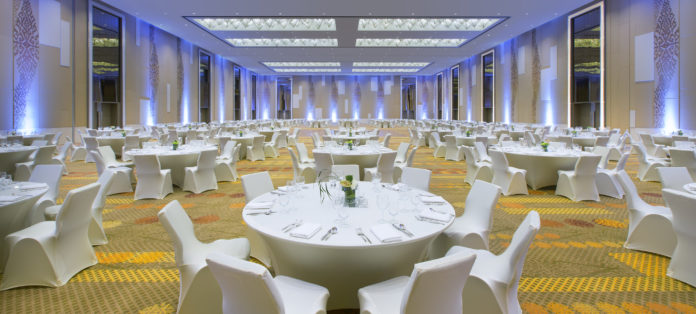
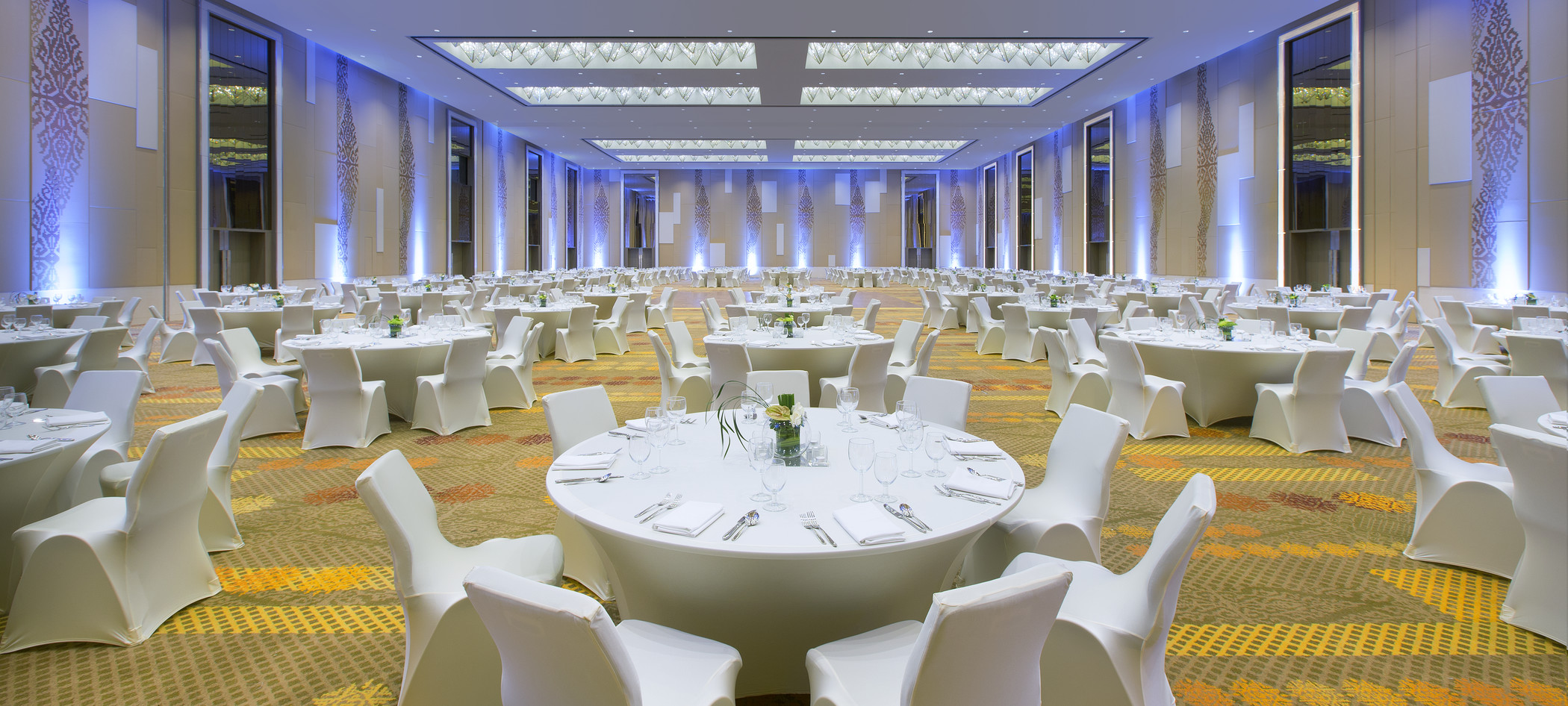
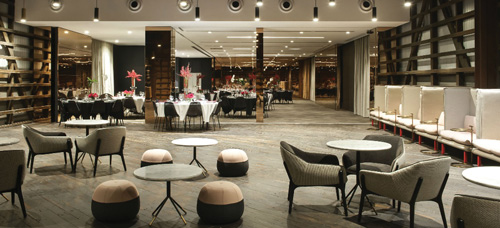
A polished urban retreat designed for business travellers, Hyatt Regency Kuala Lumpur at KL Midtown combines thoughtful design, seamless service, and exceptional facilities.





 Take in the raw energy of Fuji san
 Party in a Swiss bunker, anyone?
 For your eyes only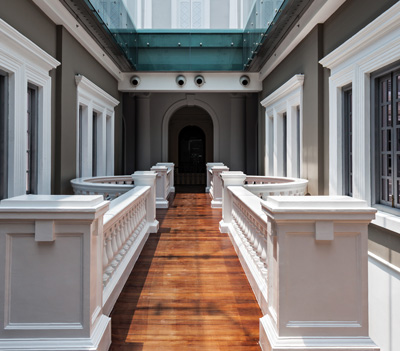
 Clan meetings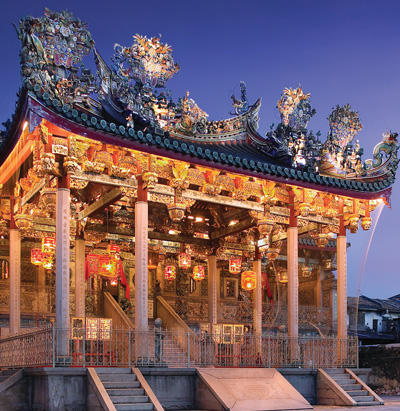
 Sail away in a catamaran
 Gangsta lovin’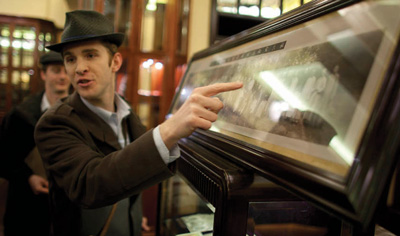
 Wining in Waiheke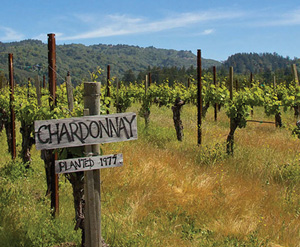
 Down by the railroad track
 A bottle of rum to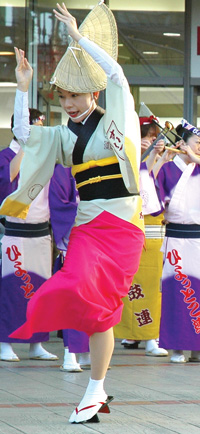

 A gastronomic adventure for an exclusive few
 Get behind a fancy wheel
 A touch of luxury
 Bask in Brunei’s pristine environment
 It is all written in the stars
 Eat your way around town
 Shake up the afternoon with a sushi class
 Fancy a cocktail?
 Luxury voyage down the Mekong
 Regal home of the winners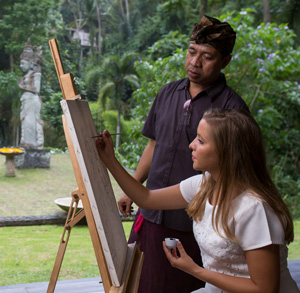
 A hot and cold date
 Forbidden no more
 Playground of the gods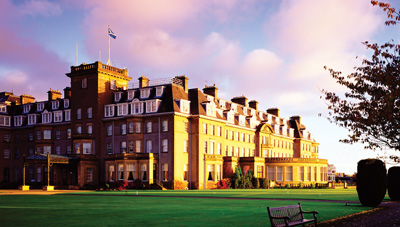
 Road to happiness
 Fly over for lunch
 A great stay all the way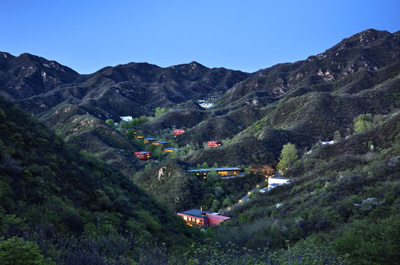
 Glide like a bird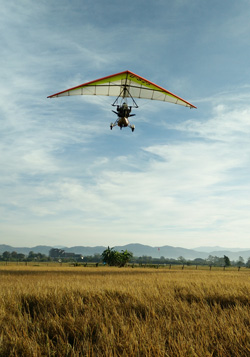
 Dive into MIddle Earth
 Master The Jungle Cook Book
 Roll into India’s best locales in style
 Stop and smell the flowers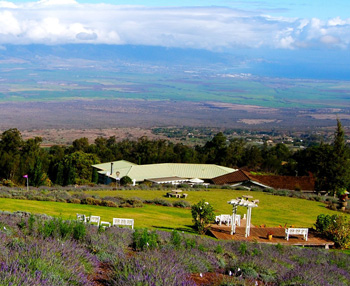

 Get a trinity treat of culture, adventure and nature
 Purify this soul
 Blue, blue woohoo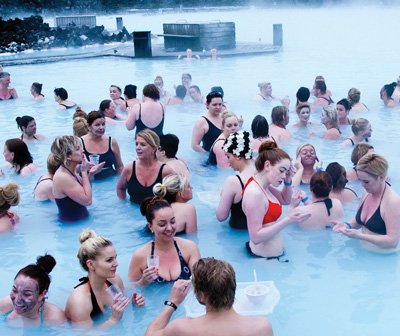

 Gourmet encounter of the Maui kind
 Sizzling action
 Wild days ahead
 Gastronomic discoveries in a wildlife sanctuary
 Local interaction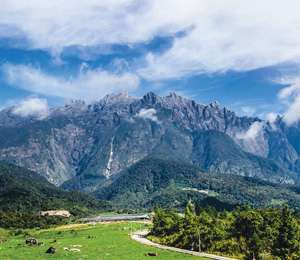
 Peer into Kedah’s past
 Get out of the city
 Be a latter-day superhero