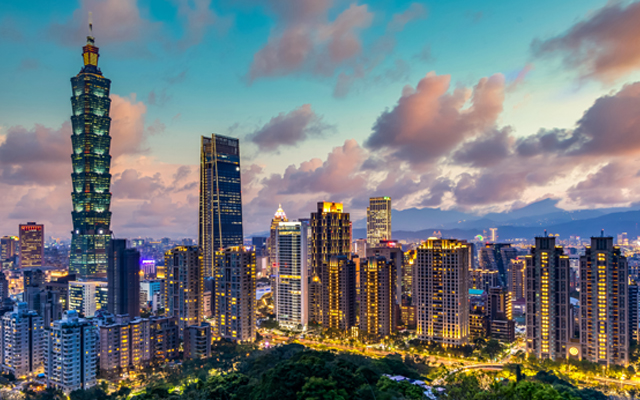
Taiwan aims to ease her blanket on-arrival quarantine requirement for people entering the island from March, in recognition of the need to resume normal life and reopen to the world, the government said yesterday.
While Taiwan has never implemented a full border closure during the pandemic, arrivals have generally been limited to citizens and foreign residence permit holders and with a compulsory two-week quarantine on arrival.
Taiwan intends to shorten on-arrival quarantine and facilitate the entry of business travellers
The government now intends to cut on-arrival quarantine to 10 days before the middle of March. Health minister Chen Shih-chung told reporters that infections could be detected within that period with testing.
In an interview with Taipei Times, Chen said the new measures would also permit the entry of foreign business travellers and that the Central Epidemic Command Center might establish business travel bubbles to facilitate shorter quarantine periods for such travellers.
However, a complete removal of on-arrival quarantine before the summer holidays was unlikely, according to Chen.
Standing alongside reopening plans is an acknowledgment that Taiwan will need to reopen safely. Conditions for Taiwan’s reopening include sufficient medical supplies and preparations, as well as a continued expansion of Taiwan’s vaccinated population. Some 30 per cent of Taiwan’s 23.5 million residents have obtained a booster shot. The government wants the figure to hit 50 per cent before easing entry requirements.
News media reported that premier Su Tseng-chang expressed confidence in the government’s ability to cope with rising local infections that might come with the reopening.
“The government must also take into account livelihoods and economic development, gradually return to normal life, and step out to the world,” stated the office of premier Su Tseng-chang.
Flooded with natural light and anchored in indigenous design, the New Zealand International Convention Centre (NZICC) offers an intuitive, state-of-the-art environment built for effortless networking and large-scale global summits
Oakwood Premier Raffles Place Singapore brings serviced apartment-style accommodation to the heart of the city's financial district, offering business and leisure travellers a base within walking distance of the CBD and key attractions.
Just 10 minutes from Phuket International Airport on the serene northern coast, this 178-key, Bill Bensley-designed resort offers delegates a quiet, tropical paradise steeped in Phuket’s tin-mining heritage












Taiwan aims to ease her blanket on-arrival quarantine requirement for people entering the island from March, in recognition of the need to resume normal life and reopen to the world, the government said yesterday.
While Taiwan has never implemented a full border closure during the pandemic, arrivals have generally been limited to citizens and foreign residence permit holders and with a compulsory two-week quarantine on arrival.
The government now intends to cut on-arrival quarantine to 10 days before the middle of March. Health minister Chen Shih-chung told reporters that infections could be detected within that period with testing.
In an interview with Taipei Times, Chen said the new measures would also permit the entry of foreign business travellers and that the Central Epidemic Command Center might establish business travel bubbles to facilitate shorter quarantine periods for such travellers.
However, a complete removal of on-arrival quarantine before the summer holidays was unlikely, according to Chen.
Standing alongside reopening plans is an acknowledgment that Taiwan will need to reopen safely. Conditions for Taiwan’s reopening include sufficient medical supplies and preparations, as well as a continued expansion of Taiwan’s vaccinated population. Some 30 per cent of Taiwan’s 23.5 million residents have obtained a booster shot. The government wants the figure to hit 50 per cent before easing entry requirements.
News media reported that premier Su Tseng-chang expressed confidence in the government’s ability to cope with rising local infections that might come with the reopening.
“The government must also take into account livelihoods and economic development, gradually return to normal life, and step out to the world,” stated the office of premier Su Tseng-chang.