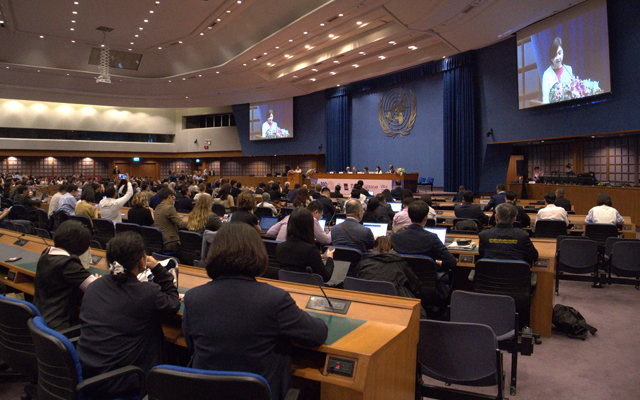
Global leaders, scientists, and environmental advocates gathered in the Thai capital last week for the 12th Better Air Quality (BAQ) Conference 2026, marking a decisive moment in the regional fight against toxic air pollution.
The three-day event, which concluded on March 13 at the United Nations Conference Centre, saw over 1,100 delegates from 56 countries convene to address an escalating public health emergency.
Organised by Clean Air Asia in partnership with the Asian Development Bank, the Climate and Clean Air Coalition, United Nations Economic and Social Commission for Asia and the Pacific, and United Nations Environment Programme, the conference focused on the theme Together for Clear Skies: Driving Action, Accelerating Investment.
The conference opened against a backdrop of sobering data. According to the State of Global Air 2025 Report, one in eight deaths worldwide is now attributed to air pollution. Despite the WHO tightening its safety guidelines for fine particulate matter (PM2.5) to 5 µg/m³ in 2021, statistics shared at the summit revealed that 99 per cent of the global population still breathes air exceeding these health standards.
“BAQ 2026 underscores the urgent need for collective investment and strengthened partnerships,” said Bjarne Pedersen, executive director of Clean Air Asia, during the opening plenary. “We are here to unlock the health, economic, and climate benefits that only clean air can provide.”
The selection of Thailand as the 2026 host was no coincidence. As a regional hub for diplomacy, Thailand has faced its own hurdles with seasonal agricultural burning, industrial emissions, and urban traffic. By hosting the summit, the nation positioned itself as a leader in regional environmental cooperation.
BAQ 2026 conference moved beyond theoretical discussions, focusing heavily on financing and scalable solutions. Key objectives tackled during the sessions included unlocking investment for long-term economic resilience, driving multi-sectoral action to reduce emissions from energy and agriculture, and building stronger partnerships between the private sector and civil society.
The event concluded with a series of high-level financing roundtables designed to accelerate the flow of capital into clean air programmes.