Asia/Singapore Saturday, 13th June 2026

Sun Siyam makes Maldives leadership appointments

0

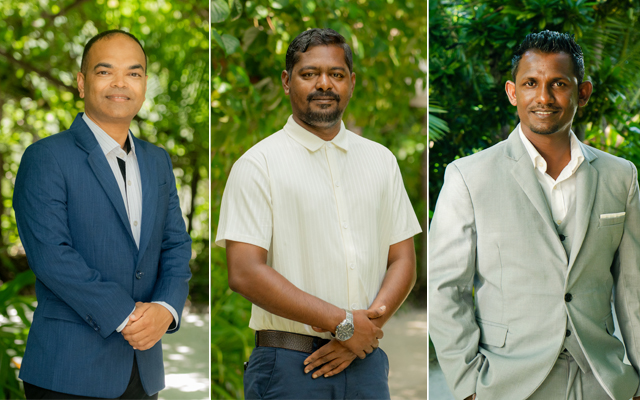
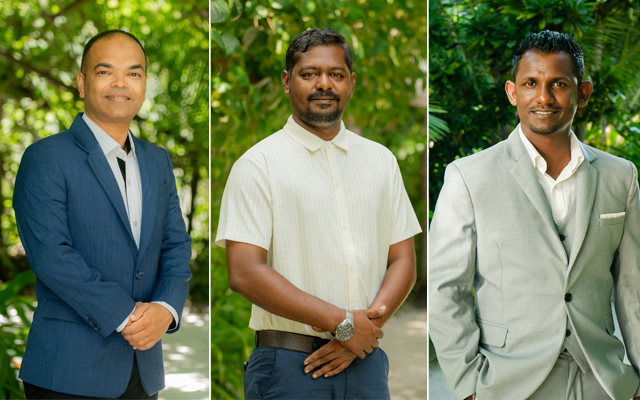
Sun Siyam has made three leadership appointments across its Maldives resorts.

Masdhooq Saeed has been promoted to cluster general manager for Sun Siyam Iru Veli and Sun Siyam Vilu Reef. He previously served as general manager of Sun Siyam Iru Veli.

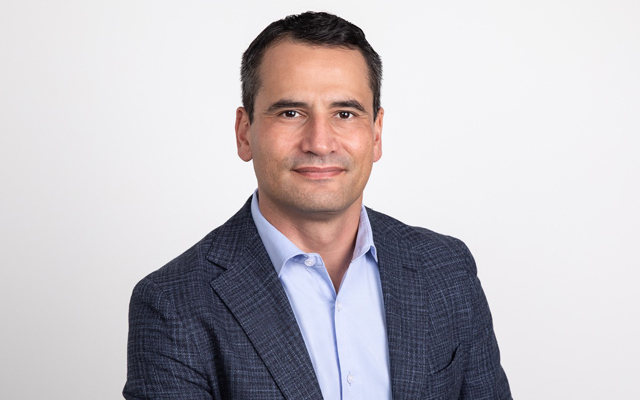
From left: Masdhooq Saeed, Ibrahim Baasith and Ibrahim Jaaweedh

Ibrahim Baasith has been named director of operations at Sun Siyam Vilu Reef. He most recently served as operations manager at Sun Siyam Olhuveli.

Ibrahim Jaaweedh has been appointed operations manager at Sun Siyam Olhuveli. He joins the role after serving in a range of operational and guest services positions within the Sun Siyam portfolio, most recently as guest services manager.

JW Marriott New Delhi Aerocity appoints DOSM

0

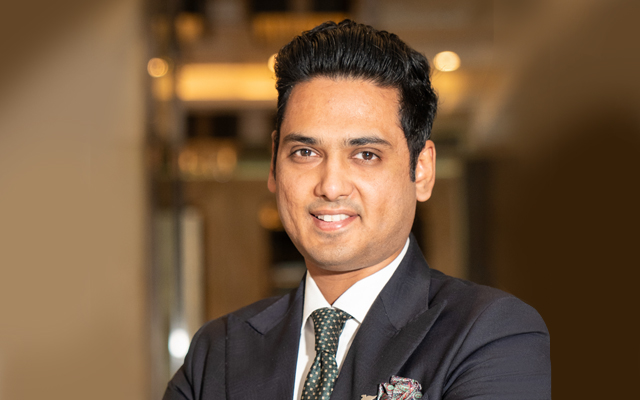
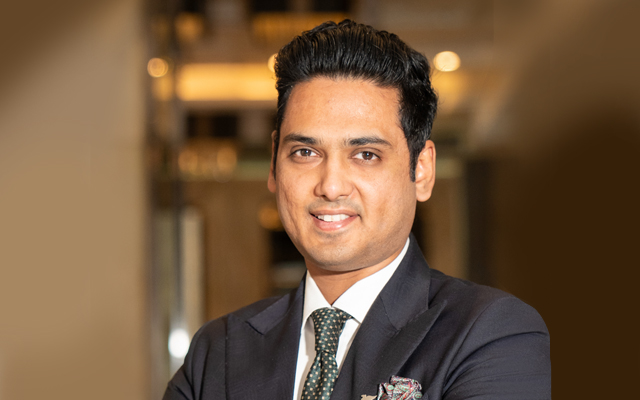
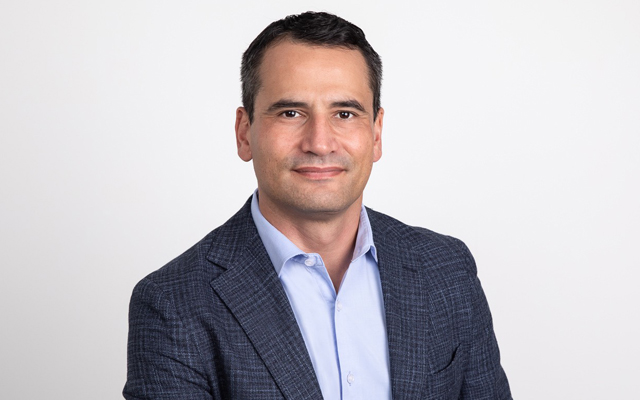
Vishwajeet Singh has been appointed director of sales and marketing at JW Marriott New Delhi Aerocity.

He brings more than 16 years of experience in hospitality sales, marketing, business development and customer relationship management, and will lead the hotel’s commercial strategy, revenue growth and market positioning efforts.

Eventful flavours Part 2

0

In the modern corporate landscape, F&B has evolved from a functional necessity into a driver of event success.

No longer confined to static buffet lines, today’s catering is being reimagined to elevate corporate functions, breathe life into mid-conference breaks, and foster deeper connections through sensory storytelling.

In this feature, we explore the creative philosophies and trends of five industry leaders to see how they are turning the dining table into a stage for engagement and sustainability.

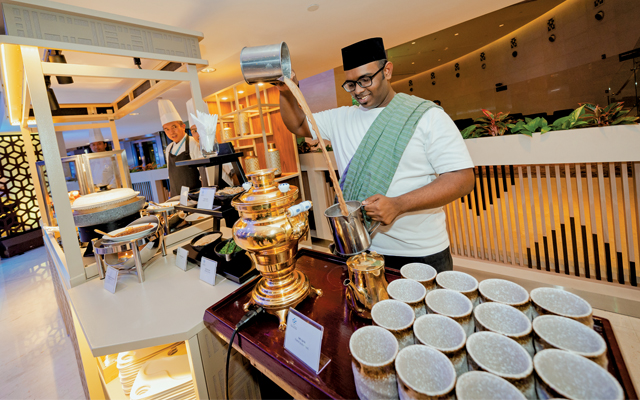
A live teh tarik station at Kuala Lumpur Convention Centre adds an interactive touch to conference catering

Kuala Lumpur Convention Centre
Rather than serving purely functional meals, Kuala Lumpur Convention Centre (the Centre) focuses on culinary creativity to elevate social functions and energise mid-conference breaks, ensuring food becomes part of the overall event narrative.

Hisham Jaafar, executive chef at the Centre shared how the role of catering has evolved for business events.

“From a simple event necessity, it has become a key experience driver at events, as memorable culinary moments can evoke emotions, spark memories, and foster a sense of belonging,” he elaborated.

This shift in expectations from organisers guides the Centre’s approach to designing immersive dining experiences that encourage delegates to interact, connect and remember the event long after it ends.

To elevate conference catering, the Centre blends local heritage with interactive flair. Live cooking stations – featuring wok-frying and satay grilling – transform routine breaks into social, multi-sensory experiences. Traditional Malaysian staples like nasi lemak and rendang are reimagined with a modern twist, showcasing the destination’s flavours in contemporary ways.

Organisers are further reimagining refreshments as curated culinary moments rather than simple stops, utilising artisanal snacks and themed concepts to maintain delegate engagement. For gala dinners, the focus shifts to immersive storytelling and creative presentations, using layered flavours to turn every meal into a memorable event.

Alongside these creative formats, Hisham noted that organisers are increasingly requesting plant-forward menus and locally-sourced ingredients, reflecting growing awareness of health and sustainability.

“International delegates are also showing greater interest in authentic destination-based dining that allows them to experience local culture through food,” he said.

Options for vegetarian, vegan, halal and allergen-sensitive diets have also been integrated into the Centre’s overall menu design rather than treated as separate alternatives, ensuring all attendees can enjoy the same shared culinary experience. – S Puvaneswary

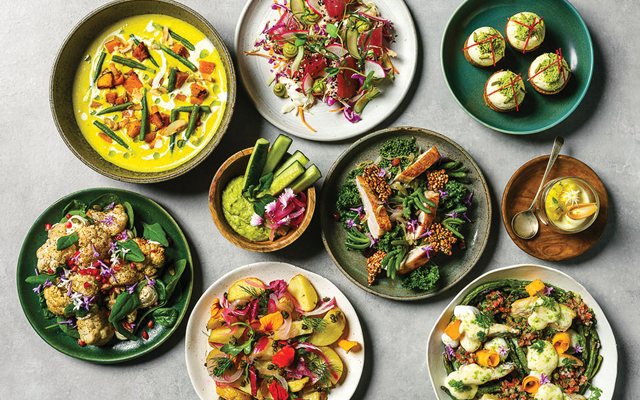
A variety of dishes created by ICC Sydney chefs

ICC Sydney
At ICC Sydney, catering is no longer a supporting act, but a strategic lever shaping delegate experience. Creativity in F&B is defined not just by what is served, but how it aligns with event objectives and audience outcomes.

“We don’t just see creativity in F&B as what’s on the plate,” said Marc Singerling, director of event delivery. “Menus are crafted around the client’s objectives so food plays a meaningful role in the overall experience.”

For planners, this translates into opportunities to reimagine routine moments. While mid-conference breaks primarily serve as breathing space between sessions, ICC Sydney focuses on quality coffee, wellness-led options and spatial flow to encourage movement and interaction, with chef-led activations and grazing formats increasingly used during lunch periods to spark conversation.

The venue weaves native and indigenous ingredients into offerings to create a distinctly Australian experience. Live stations, such as an oyster shucking course led by a local producer, invite delegates to interact with the story behind the food.

A 900-person international gathering was similarly transformed through a taste of country reception featuring interactive stations and storytelling from culinary and beverage experts.

“More than a networking event, it becomes an immersive cultural experience,” Singerling noted.

Several trends are reshaping catering design, noted Singerling: rising demand for indigenous ingredients and ethical sourcing, wellness-driven menus with lighter lower-sugar options, and carbon-labelled menus driving climate-conscious dining.

Back-of-house investment, including water cutting technology, is also improving precision and sustainability, while immersive stations and fluid market-style layouts replace static buffets. – Adelaine Ng

A matter of care

0

What is duty of care, and why is it important during meeting and events (M&E) disruptions?
Duty of care is a legal obligation, not a marketing tagline. It is owed directly to the individual, not to the trip itself. Furthermore, signing a contract with a big-name provider simply adds a party to the mix; it does not transfer your legal responsibility. The principal organiser still owns it.

M&E concentrates that duty far more than any other element of your corporate travel programme. Picture 200 top performers staying at a single resort that is fed by just one stretch of road from the airport, with one TMC handling the entire operation.

Now, introduce a typhoon, a coach crash, or a major power failure into that scenario. The decision-making window instantly collapses to a matter of hours. The critical work that supports those high-stakes decisions either exists before the event occurs, or it does not exist at all.

What is physical security? What do M&E planners need to know, and what are they missing?
There are three key areas where M&E planners typically come unstuck. The first is hotels, where detailed research into hotel fires reveals preventable deaths year after year, worldwide. Organisations that strictly vet airlines will often select a hotel based solely on loyalty tiers and room rates. While aviation receives strict governance, the locations where delegates sleep are treated as mere procurement decisions.

The second area is ground transport. The airport-to-venue leg produces the highest potential single-event fatality exposure of the entire journey, yet it receives the least auditing. Planners who would never put delegates on an unvetted airline routinely place them on a bus they have never even seen.

Finally, off-site experiences like yacht charters, desert excursions, and helicopter transfers appear in death and medical incident statistics far more often than the main programme. Typically, the TMC negotiates these on purely commercial terms, meaning your risk function never actually vets the operator. Beneath all of these missteps lies a fundamental mistake: assuming a brand name is a proxy for actual capability.

How can M&E planners build technology and cybersecurity resilience?
Event apps, registration platforms, badge systems, hybrid streaming services, and venue Wi-Fi collectively hold one of the densest concentrations of personal data and access privilege in your business. However, they usually sit outside your corporate IT perimeter, are stood up and torn down in a matter of days, and are run by third parties who are rarely audited in depth.

Planners can build resilience across three distinct layers. In the design phase, treat the event app and registration platform as being fully in scope for your information security programme, evaluating them using the same baseline as any other corporate technology vendor.

When it comes to operations, assume venue Wi-Fi is hostile and explicitly communicate this to delegates. Phishing attacks targeting named conference participants spike just before and after major events, as your agenda and speaker list function as open-source intelligence.

Lastly, establish contingency plans by rehearsing for streaming failures, registration outages, and badge compromises, documenting these practical workarounds before the event, not after.

What innovative tools and vendors are now available for M&E duty of care planning?
The market is increasingly separating platforms from programmes. The ultimate test is this: if your primary vendor went under tomorrow, would your duty of care still be successfully discharged?

When assessing the market, look for integrated medical and security operations. Crucial decisions during a disruption, such as whether to treat, hold, move, or repatriate, sit at the intersection of medical and security judgment, and a federated model splits these functions in a way that can slow down response times.

You should also look for intelligence-led pre-event assessments from vendors that provide specific evaluations of your chosen venue, accommodation, and transfers, rather than just a generic country summary lifted from a database.

Finally, seek out mass-incident capabilities, ensuring the vendor’s systems have been tested on scenarios involving 200 affected people in a single location with anxious families on the phone, rather than just a single assistance case.

The vendor market currently includes highly capable specialists alongside a long tail of badge-and-app businesses positioning themselves as duty of care providers. Buyer diligence makes all the difference.

Who are the critical stakeholders that must be engaged in the M&E duty of care playbook, and what perspectives do they bring?
The playbook inevitably collapses when it is owned exclusively by procurement, the events team, or security alone. A successful playbook must engage a wide range of corporate functions.

The executive sponsor owns the business case, while legal and compliance anchors the strategy to the specific laws of each country. Work health and safety identifies officer duties and liability exposure, while security and risk owns the actual threat assessment and emergency response.

Medical advisory is required to guide clinical decisions during a mass event, and communications manages the heavy reputational load.

Finally, procurement and finance controls the vendor contracts, while internal audit tests whether the playbook is actually being implemented on the ground. Each stakeholder brings a vital perspective that the others cannot replicate. The most common failure pattern is when events and procurement sign off on a plan and simply assume the rest of the organisation will follow.

How differently do M&E planners and company leaders need to think about duty of care today to align their goals?
Currently, individual departments are driven by misaligned metrics. The events team is measured on satisfaction and attendance; risk is measured on the absence of an incident; legal looks for the absence of litigation; and the CEO focuses on growth. None of these metrics actually asks whether the duty owed to the people at the event has been discharged.

To fix this, both planners and leaders need to shift their thinking toward a shared question asked before any contract is signed: if a serious injury or fatality occurred tomorrow, what two pieces of evidence would we most want to produce, and can we produce them today?

For leaders, duty of care is not discharged simply by buying a tech platform or holding an insurance policy. Senior officers bear personal liability in most jurisdictions, including exposure to industrial or corporate manslaughter charges, making the officer due diligence test entirely binary and evidence-based.

For planners, the shift means involving the risk function during venue selection, not at the final sign-off, because the safety of an event is ultimately determined within the first 10 per cent of the planning timeline.

Do you have any final advice?
First, make it a priority to read the incident data. The aviation industry would never accept a safety briefing that ignored prior accident reports, yet M&E routinely commissions programmes that ignore published data on hotels, ground transport, and mass gatherings. You must utilise this existing data to protect your attendees.

Second, treat the TMC as a contractor, not a partner. A partner shares your financial and legal risk, whereas a contractor delivers strictly to your specifications. The protective requirements that accompany your people are entirely yours to set in writing before the contract is signed.

Finally, expect far more scrutiny moving forward. Recent inquiries and regulator decisions in the region have increasingly turned on whether organisations could produce clear documentation of their protective decisions. The organisations that have done the work and can prove it will fare well, while those that confused mere activity for concrete evidence will not.


Malaysia to host Yalla Commerce Global E-Commerce Summit

0
Arfa: Malaysia was a clear choice for the launch of Yalla Commerce

UAE-based e-commerce summit platform Yalla Commerce will launch its inaugural global summit in Kuala Lumpur on August 11, 2026, marking the start of a multi-city series aimed at linking digital trade between the Middle East and South-east Asia.

The event, powered by the Unbound Group, will be held at Nexus, Connexion Conference & Event Centre, and is expected to draw roughly 1,000 e-commerce founders, investors, and logistics operators from both regions.

Arfa: Malaysia was a clear choice for the launch of Yalla Commerce

The summit’s agenda will focus on pressing operational challenges in the current retail landscape, specifically reducing overheads via AI integration, managing rising customer acquisition and advertising costs, and optimising cross-border payment and logistics infrastructure.

“Malaysia was a clear choice for the launch of Yalla Commerce,” said Arfa Hussain, CEO of Yalla Commerce, pointing to the country’s active digital adoption and regional growth potential. “By launching in Kuala Lumpur, we want to bring UAE and Malaysian industry leaders together to create meaningful cross-border conversations…”

Following the Kuala Lumpur debut, Yalla Commerce plans to scale the event series to Singapore, Saudi Arabia, Qatar, and Dubai.

John Bristowe to lead Amora Hotel Brisbane as GM

0

John Bristowe has been appointed general manager of Amora Hotel Brisbane.

He brings more than 20 years of hospitality experience across Australia and New Zealand.

Most recently, he held an executive operational leadership role overseeing a national serviced apartment portfolio. He has also held senior leadership positions with TFE Hotels and Stamford Hotels & Resorts.
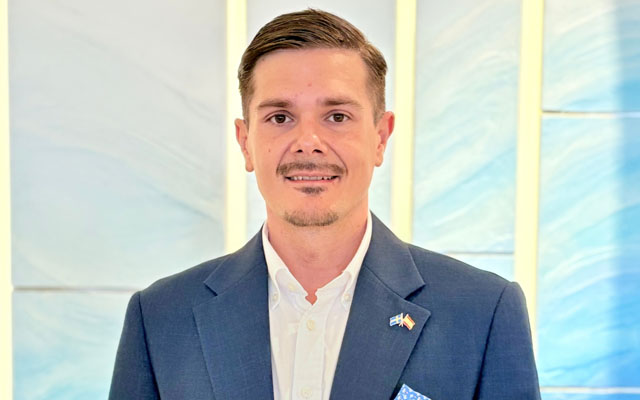
Alexander Lopez takes charge of Meliá Pattaya Hotel

0

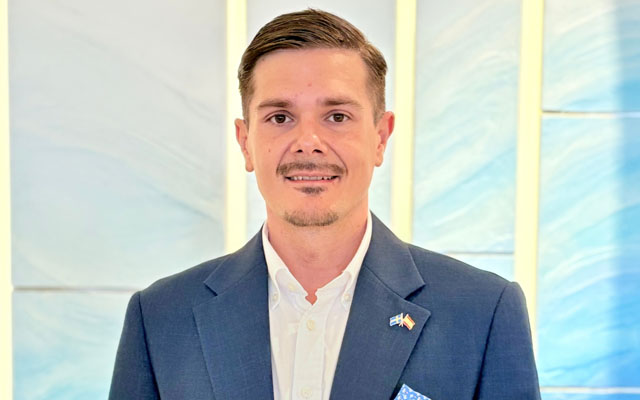
Alexander Lopez has been named general manager of Meliá Pattaya Hotel. He joins from W Koh Samui, where he served as general manager for more than two years.

Previously, he was interim general manager and resort manager at W Maldives, and has held senior leadership roles at Vana Belle, a Luxury Collection Resort, Koh Samui, and The Westin Siray Bay Resort & Spa Phuket.
NZICC achieves EarthCheck Silver Certification

0
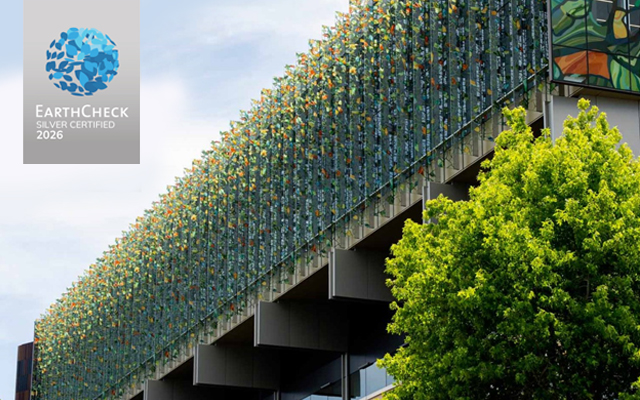
NZICC’s approach shapes the everyday operations of the venue

The New Zealand International Convention Centre (NZICC) has achieved EarthCheck Silver Certification for 2026, becoming the first convention centre in the country to secure the credential.

The venue completed its independent audit against the EarthCheck Company Standard 4.1 with zero non-conformities, making it the only local venue to reach Silver status on its first assessment. EarthCheck benchmarks performance across energy, water, carbon emissions, waste, chemical use, community impact, and employee engagement.

NZICC’s approach shapes the everyday operations of the venue

“What sets NZICC apart is that sustainability here isn’t a retrofit; it is foundational. The operational performance and cultural integrity we assessed speak for themselves, and that is exactly what the global events market is looking for,” said Stewart Moore, founder and CEO of EarthCheck.

Guided by the Maori principle of manaakitanga and its relationship with Ngāti Whātua Ōrākei, NZICC integrates sustainable practices into its everyday operations, including food sourcing, waste reduction, and energy management.

Tracey Ha, director of customer experience & marketing at NZICC, added: “This certification reinforces the role NZICC was built to play for Auckland and for Aotearoa. It gives our clients, partners and guests confidence that they are choosing a venue that operates to an internationally recognised sustainability standard.”

MCEC creates tailored Indian menu for delegates

0
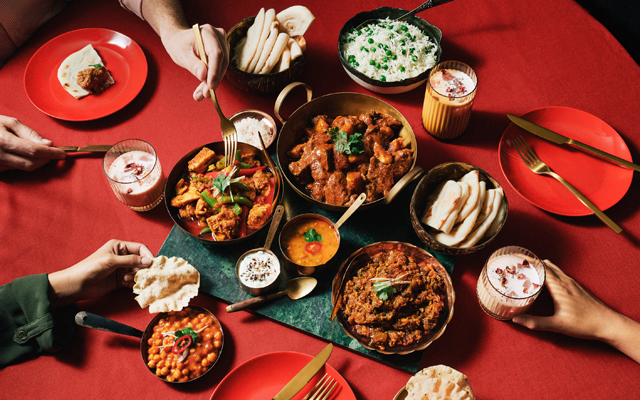
Event Experiences for India menu

The Melbourne Convention and Exhibition Centre (MCEC) has unveiled a dedicated Event Experiences for India menu, to better serve the growing number of Indian delegates.

The launch follows a record-breaking year for inbound travel, with India becoming Australia’s fifth-largest tourism market by the end of 2025, drawing 451,424 visitors.

Event Experiences for India menu

Developed by in-house chef Dinesh Kumar, who has 40 years of experience in India and Australia, the menu pairs traditional regional flavours with local Australian produce. Designed for large-scale corporate events, the offerings span buffet breakfasts, conference lunches, and multi-course gala dinners, featuring dishes like aloo paratha and lamb vindaloo.

“As the Indian market continues to grow, this menu allows us to deliver hospitality that feels thoughtful, welcoming and globally relevant,” said Angie Becker, chief sales and customer experience officer at MCEC.

Umana Bali redefines MICE retreats with secluded, experience-driven offerings

0
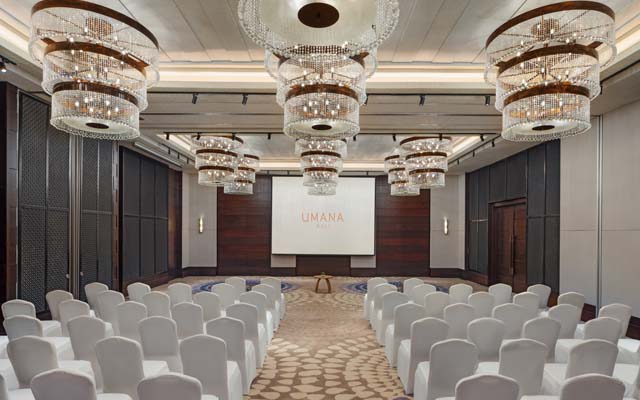
Nusa Indah Ballroom in theatre-style

Umana Bali is reshaping the corporate retreat landscape by catering to a growing demand among business travellers for privacy, calm, and seamless stays, a shift highlighted in the Hilton 2026 Trends Report.

Perched on the cliffs of Melasti Beach, the resort bypasses massive, conventional convention setups to focus on smaller, high-touch executive retreats and premium incentive travel.

Nusa Indah Ballroom in theatre-style

The sanctuary features 72 private pool villas, allowing delegates to balance business sessions with personal downtime.

The resort also integrates flexible indoor and outdoor spaces with destination-led experiences. Facilities include the 188m2 Nusa Indah Ballroom and the naturally lit Melati Room, alongside outdoor spaces like the clifftop Oliverra restaurant and the Chapel Lawn overlooking the Indian Ocean. This setup allows planners to incorporate local touches, such as traditional blessing ceremonies and wellness rituals tied to the Balinese philosophy of Tri Hita Karana.

In line with Hilton’s Travel with Purpose initiative, the resort builds corporate social responsibility directly into its event revenue, supporting the Anugrah Dewata kindergarten in nearby Ungasan village. Environmental practices are tracked via Hilton’s LightStay platform, which drives the elimination of single-use plastics and the use of locally sourced menus.

Umana Bali is currently participating in Hilton’s regional Meet More, Save More campaign, offering package discounts and event planner loyalty points.

Reviews

The Slate Phuket

Just 10 minutes from Phuket International Airport on the serene northern coast, this 178-key, Bill Bensley-designed resort offers delegates a quiet, tropical paradise steeped in Phuket’s tin-mining heritage

The Ritz-Carlton, Bangkok

The newly-opened Ritz-Carlton, Bangkok anchors the One Bangkok development with cosmopolitan elegance. Featuring the city's largest ballroom and a spectacular new penthouse suite, it delivers exceptional hardware and deeply authentic, soulful service for business and leisure travellers alike

Mama Shelter Zurich

Behind the imposing, Brutalist concrete that defines Zurich’s Oerlikon district lies a surprising secret. While its exterior honours the neighbourhood’s industrial roots, stepping inside Mama Shelter reveals a vibrant, neon-soaked world that is a far cry from its rigid shell