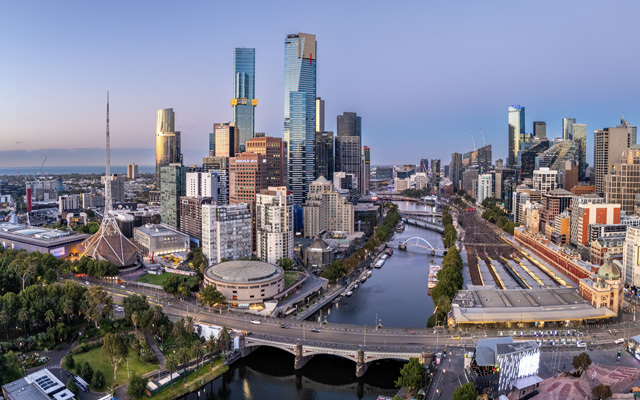
Melbourne (pictured) solidifies its position as a leader in renewable energy and a prime destination for global conferences
The APAC Wind Energy Summit, the Global Wind Energy Council’s (GWEC) flagship conference and exhibition, is set to return to Melbourne from September 16-18, 2025.
Previously known as the Offshore Wind and Green Hydrogen Summit, this event will bring over 1,500 industry leaders, policymakers, and institutions together to drive innovation and collaboration in wind energy development.
Melbourne (pictured) solidifies its position as a leader in renewable energy and a prime destination for global conferences
To be held at the Melbourne Convention and Exhibition Centre, the Summit – which will also include a public exhibition – will build upon the success of the inaugural event held in Melbourne in 2023, where Victoria became the first subnational government to join the Global Offshore Wind Alliance (GOWA).
The successful bid, led by the Melbourne Convention Bureau (MCB) in partnership with the Victorian Government Department of Energy, Environment, and Climate Action, and support from Tourism Australia’s Business Events Bid Fund Program, highlights Victoria’s leadership in the renewable energy sector.
As the only Australian state with offshore wind targets, Victoria will soon be home to the country’s first offshore wind farms, which will contribute significantly to achieving its ambitious renewable energy goals of 4 GW by 2035 and 9 GW by 2040, working towards net-zero emissions by 2045. Victoria has already made significant strides by cutting more emissions than any other Australian state, tripling the amount of renewable energy, and setting a renewable energy target of 95 per cent by 2035.
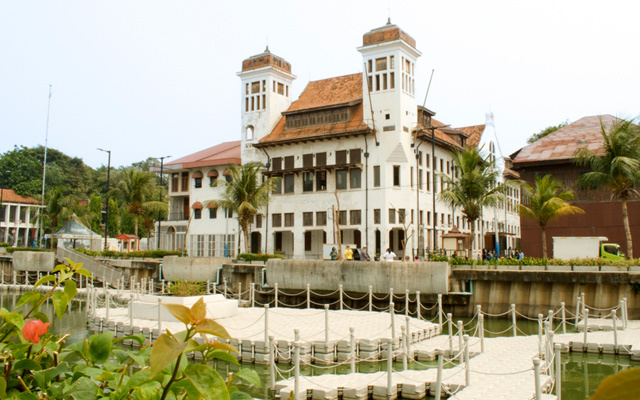
The fam trip was an opportunity to showcase business events facilities across the country; Jakarta’s Old Town pictured
Indonesia’s Ministry of Tourism and Creative Economy recently conducted a media fam trip to Jakarta, Bandung, and Surabaya which highlighted the country’s many destinations suitable for business events.
Firnandi Gufron, director of MICE at the Ministry of Tourism and Creative Economy (MoTCE), explained that as Bali is already established as a world-renowned business events destination, it was time to “develop new rising stars”.
The fam trip was an opportunity to showcase business events facilities across the country; Jakarta’s Old Town pictured
“Of the 10 national MICE destinations, Jakarta, Bandung, and Surabaya are the most suitable destinations with the potential to attract business events from South-east Asia.”
Firnandi suggested that combining two destinations in a single trip, such as Jakarta-Bandung or Surabaya-Mount Bromo, could be a great option for corporate travellers.
A trip to Surabaya, Indonesia’s second-largest economic centre, offers a blend of business and leisure. The city boasts two prominent convention centres, Dyandra Convention Center and Grand City Convex Surabaya, and itineraries could be combined with a sunrise tour of Mount Bromo.
Meanwhile, activities in Bandung can be combined with a Jakarta visit, thanks to a high-speed train connection. Historical sites like the Merdeka Building, a venue for the 1955 Asia-African Conference, and Gedung Sate, the iconic West Java Governor Office, can easily be visited as well.
Bandung also offers a variety of business event facilities, including Plataran Bandung, Intercontinental Dago Pakar Bandung, and Trans Luxury Hotel Bandung.
Over in Jakarta, Gelora Bung Karno Complex, Jakarta International Expo, Jakarta Convention Center, and the upcoming Nusantara International Convention and Exhibition (NICE), would be suitable for larger-scale events.
Immersive cultural experiences suitable for corporates include exploring Jakarta’s Old Town, which includes unique venues like Museum Fatahillah and Museum Wayang which can also be bought out for events. Other interesting event venues include Taman Mini Indonesia Indah, a cultural park with Jagat Satwa Nusantara, an animal conservation centre that also boasts venues for meetings and small conferences.
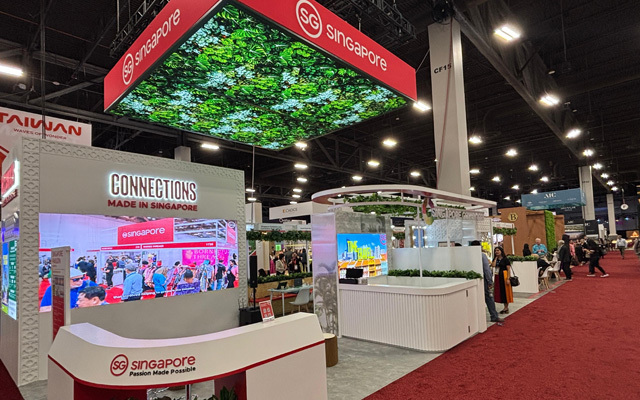
IMEX America 2024 is the first tradeshow where the Singapore Pavilion is designed and constructed with decarbonisation measures; photo by Singapore Tourism Board
The Singapore Exhibition & Convention Bureau (SECB) set a new benchmark in sustainability with the Singapore Pavilion at IMEX America 2024.
A key highlight of the Pavilion is its significant reduction in booth-related emissions. By implementing various eco-friendly initiatives, SECB has achieved a 45 per cent reduction in emissions compared to previous iterations.
IMEX America 2024 is the first tradeshow where the Singapore Pavilion is designed and constructed with decarbonisation measures; photo by Singapore Tourism Board
One of the Pavilion’s notable features is the 75 per cent reduction in carpet usage, a first for Singapore at any international tradeshow. Additionally, energy-efficient LED lighting, sustainable furnishings made from oriented strand board, and the repurposing of the entire Pavilion for future events demonstrate SECB’s commitment to circular economy principles.
To ensure a comprehensive assessment of its carbon footprint, SECB has also partnered with a third-party organisation to monitor all booth-related emissions. This includes tracking travel plans for exhibiting partners and promoting plant-based meal options. The data collected will be analysed to refine carbon reduction strategies for future events, further reinforcing SECB’s long-term commitment to sustainable event practices.
Eileen Lee, senior vice president, Americas, SECB, said: “As we celebrate 50 years of excellence in hosting major global business events, we’re focused on shaping a sustainable future. Our Pavilion at IMEX America 2024 represents a significant leap forward in sustainable event practices, incorporating decarbonisation strategies at every stage.”
Singapore’s dedication to sustainability is evident in its ongoing efforts to become a City in Nature. The MICE Sustainability Roadmap and the Singapore Green Plan 2030 provide a framework for creating large-scale events with minimal environmental impact.
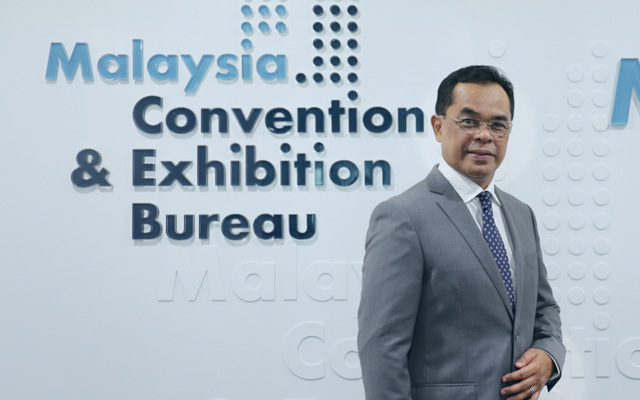
Malaysia’s Convention & Exhibition Bureau (MyCEB) is yet to fill its top position following the resignation of former CEO Azman Thambi Chik in August 2024.
Azman was appointed CEO on November 20, 2023, succeeding Abdul Khani Daud, who retired after a distinguished 38-year public service career, the last three years of which he spent leading MyCEB.
Azman Thambi Chik
TTGmice understands that MyCEB’s new chairman, V. Sivakumar, who took up the role on August 30, 2024, is currently reviewing candidates to fill this critical leadership position.
In the interim, Tan Mei Phing, a 12-year veteran of MyCEB, has been appointed as acting CEO.
Following the success of the Quincy hotel brand, which is known for its stylish properties as well as curated experiential guest offerings, Far East Hospitality has taken a step further with the launch of the brand’s first serviced residences spin-off.
The 255-key Quincy House Singapore is located in the upscale Holland Village precinct, putting guests in close proximity to some of the city-state’s most popular eateries, fine-dining restaurants, and retail shops. It is also within a stone’s throw of the train station, where lines connect guests to Singapore’s business hubs, city centre, and other essential facilities.
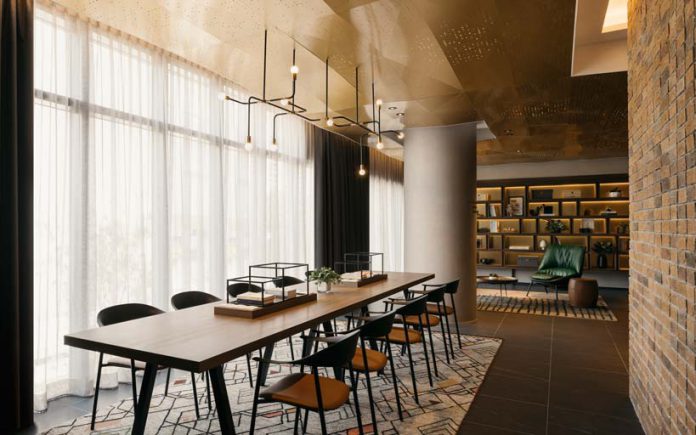
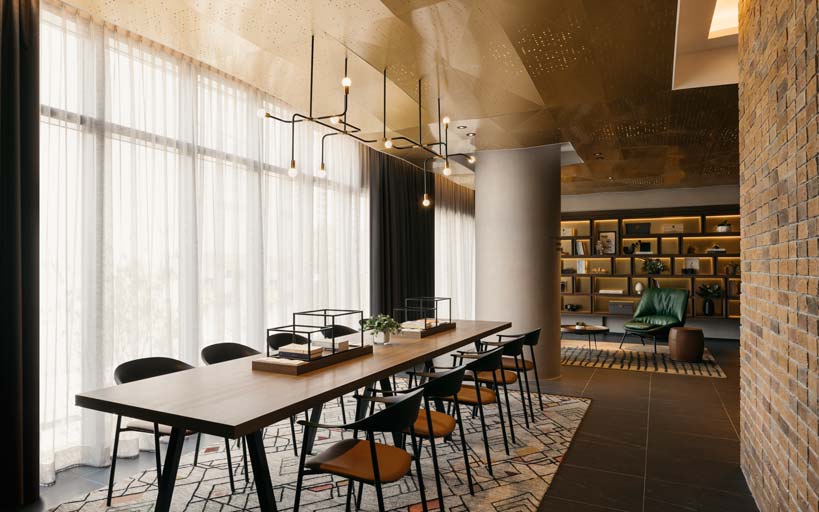
Guests of Quincy House Singapore serviced residence have stylish shared spaces to use for work and socialising
Quincy House Singapore is designed with solo travellers, expatriates, and small families in mind. Guests can choose from Deluxe Rooms that come without a kitchenette as well as One-Bedroom Deluxe, Two-Bedroom Superior, and Two-Bedroom Deluxe apartments. Apartment options come with a living room, kitchenette, and functional furniture.
Regardless of their choice of accommodation, guests are all invited to benefit from Quincy House Singapore’s social spaces and guest amenities. The property features Quincy Connect, a stylish social space that includes The Living Room and The Laundry Room. A Munchies Bar is set up within The Living Room, offering complimentary snacks round the clock and breakfast boxes in the morning. The Laundry Room comes with a cosy area for guests to read and work while waiting for their washing to be done.
Other facilities include a rooftop pool, a barbecue pit with a dining area, a 24-hour gym with abundant daylight, and an alfresco seating area with an open kitchen overlooking the Holland Village neighbourhood.
A highlight for guests is the Quincy Qurator, a knowledgeable guide who will customise stays with insider tips and tailored experiences. The serviced residence has also prepared a handy Quincy Qurate Neighbourhood Guide that offers three exploration tracks to suit different personalities and preferences. Content in this guide will be updated every quarter to ensure long-staying guests have something new to experience and discover.
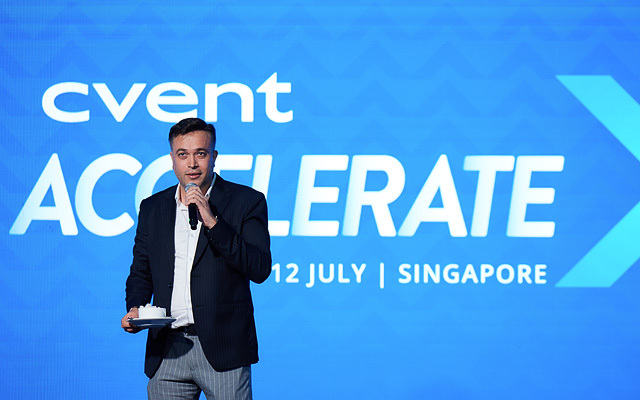
Cvent’s Will Kataria announcing the partnership to attendees at Cvent Accelerate in July
Jublia, a Singapore-based event technology provider, has formally joined forces with Cvent, a meetings, events, and hospitality technology provider.
Announced at the Cvent Accelerate event in July, the partnership combines Jublia’s AI-powered matchmaking and engagement capabilities with Cvent’s event management platform. This integrated solution offers event planners a streamlined way to manage all aspects of their events, from registration to personalised networking.
Cvent’s Will Kataria announcing the partnership to attendees at Cvent Accelerate in July
“With this partnership, we are continuing our mission to provide tailored solutions for event organisers, helping them address ongoing challenges in the event management landscape,” said Errol Lim, chief operating officer of Jublia.
“… By combining the strengths of both platforms, event planners will have access to a comprehensive solution that streamlines the entire event management process, from registration to personalised networking. We look forward to working closely with Jublia to deliver enhanced attendee experiences and drive successful events across the APAC region and beyond,” said Will Kataria, senior director and general manager, Asia Pacific, Cvent.
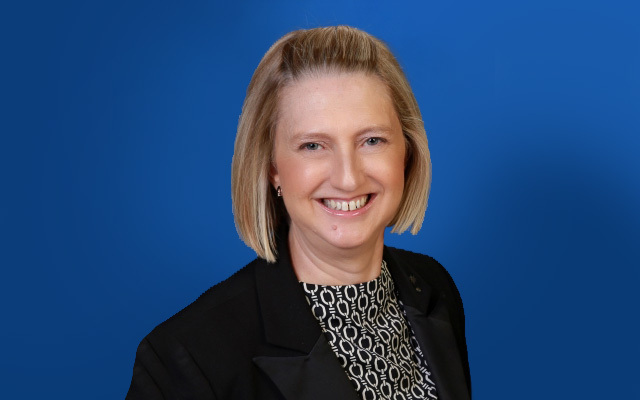
The Melbourne Convention Bureau (MCB) has appointed Nicolena Oborn as its new chief sales and customer experience officer, a newly-created role.
Working closely with MCB’s chief executive Julia Swanson, Oborn has been tasked with spearheading the Bureau’s global sales strategy and customer experience initiatives. Her focus will be on enhancing MCB’s global positioning and ensuring customer experience remains central to its service delivery by leveraging research, insights and customer feedback to guide its approach.
Oborn brings extensive experience in international sales, business development, and customer experience management having most recently been in the role of director of sales and marketing at Capella Sydney.
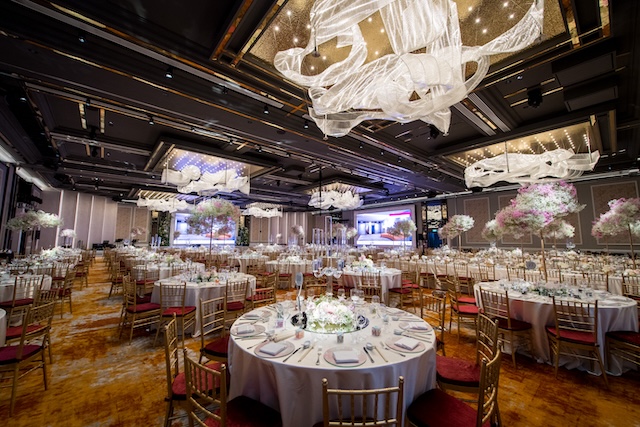
Orchard Hotel’s Grand Ballroom is one of Singapore’s largest pillar-free ballrooms with floor-to-ceiling LED walls
For organisers that want to be in the bustling heart of the city, Orchard Hotel Singapore presents a viable option.
Part of the Millennium Hotels and Resorts (MHR) group, it is located along Singapore’s premier shopping belt of Orchard Road.
It boasts 11 versatile conference and function venues across 2,000m², including one of Singapore’s largest pillar-free Grand Ballrooms with floor-to-ceiling LED walls. The Grand Ballroom itself accommodates up to 1,500 people, ideal for grand dinners, galas and other large-scale gatherings.
For more intimate events, the 24-hour Orchard Sky Lounge on level 17 and the Signature Library on level 18 are equipped with co-working spaces and private meeting rooms, which can be used to facilitate exclusive events.
The hotel also provides catering with its Orchard @ Your Place service and a Halal-certified kitchen for Muslim guests.
Complementing the event experience are the hotel’s 656 rooms, including suites, that are equipped with amenities for business travellers.
To ensure guests are well fed, the hotel’s premium dining establishments provide delicious options. They include the award-winning Cantonese restaurant, Hua Ting; The Orchard Cafe, with its Signature Class buffet that serves local and international flavours, and the classy Bar Intermezzo, with its line up of craft cocktails.
The hotel also enjoys convenient accessibility to the Orchard MRT station, which is a 10-minute walk away, is five minutes from the Singapore Botanic Gardens, a UNESCO World Heritage site, and is walking distance from a variety of retail and dining options — great for planners looking to include a leisure segment in their itinerary.
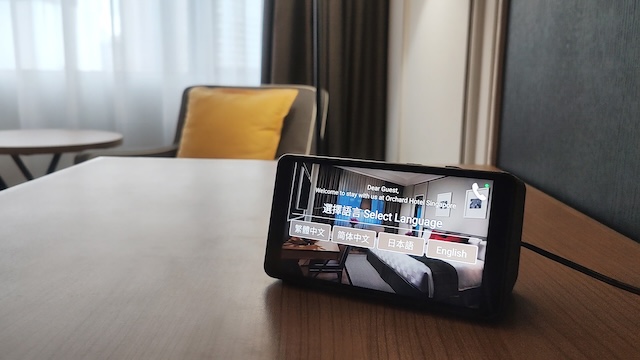
Aiello takes all requests from the comfort of your room
Powered by core brand pillars
Underpinning MHR’s commitment to excellence are five key pillars — Food & Beverage Innovation, Sustainability, Digital Innovation, Personalised Guest Experiences, and Wellness Offerings.
Food & Beverage Innovation will see the diverse and unique dining experiences. North Indian restaurant SanSara for instance, pays tribute to the diverse heritage of Indian cuisine with innovative dishes that are designed to tell a story of India’s culinary heritage.
MHR also adopts a sustainability approach and eco-friendly practices across its properties. All of the group’s six hotels in Singapore have also achieved the Global Sustainable Tourism Council (GSTC) certification, a global industry standard for sustainability tourism.
MHR also invests in digital innovation through the use of AI to enhance guest experience and streamline operations. For example, the Aiello Voice Assistant (AVA), a AI-powered device that transforms in-room services is available in selected hotels including Orchard Hotel Singapore, Grand Copthorne Waterfront Hotel Singapore and M Social Hotel Phuket.
By replacing traditional telephones, AVA facilitates effortless communication while providing personalised, real-time responses. This smart assistant enhances convenience and efficiency, making every guest interaction smoother and more intuitive.
Curated Personalised Experiences are tailored to individual guest preferences using data-driven insights, such as through MyMillennium, the award-winning loyalty programme of MHR, which offers members exclusive rates, benefits and personalised experiences.
Lastly, Wellness-Forward Initiatives offer holistic well-being experiences, blending physical and mental rejuvenation into its hospitality offerings. Grand Copthorne Waterfront, for instance, offers complimentary yoga sessions each Sunday for its guests.
“We want to continue exceeding the expectations of our guests by crafting offerings that are thoughtfully curated with their desires and needs at the forefront. This is yet another step towards a relentless pursuit for MHR to continue excelling in sustainability, presenting world-class dining experiences and more. At Millennium we aim to not just meet standards — we want to reinvent them,” says Saurabh Prakash, chief commercial officer, MHR.
More rewards for corporates
To get more out of your bookings, corporates can take advantage of the MyMillennium BIZ, a programme crafted to recognise and reward the efforts of corporate bookers. It allows members to earn points for every booking and perks like room upgrades and flexible booking management.
Earn 4 MyPoints for every US$1 spent on corporate room bookings and MICE services. Those that complete their first business stay with MyMillennium BIZ get a first-time bonus of 7,500 MyPoints.
For every new group booking or event booked with MHR from now till April 30, 2025, earn 5X MyPoints. Other benefits include complimentary late check out, wifi, and one complimentary room upgrade for every 20 paid rooms.
Keen to hold your next event at Orchard Hotel? Visit Millennium Meetings now.
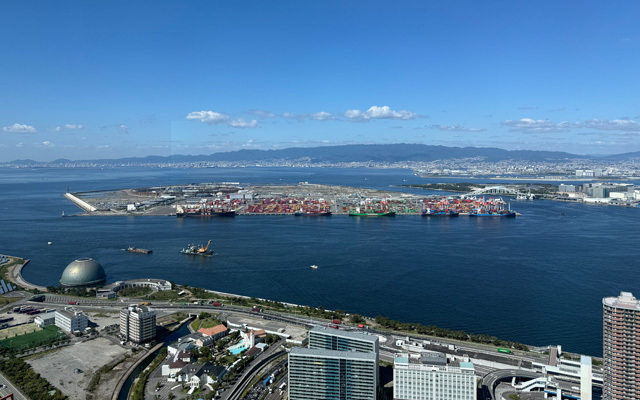
View of the Expo site from the Osaka Prefectural Government Sakishima Building. Photo: Rachel AJ Lee
Construction of the World Expo 2025 venue on Yumeshima Island in Osaka Bay is progressing steadily, where the man-made island is being transformed into a major international event site expected to attract a projected 28 million visitors from around the world.
When TTGmice paid a site visit on October 10, the wooden platform – with a circumference of two kilometres and a height of 12 metres – encircling the Expo was already up. Called the Grand Ring, it would be the world’s largest wooden structure upon completion, and stand as a symbol of “connecting” all life.
View of the Expo site from the Osaka Prefectural Government Sakishima Building. Photo: Rachel AJ Lee
For the 2025 event happening over six months from April 13 to October 13, eight of Japan’s leading filmmakers, media artists, and professors will have their own pavilions under the theme of “life”. There will also be 13 pavilions taken by private sectors, such as a Mitsubishi Pavilion and Gundam Next Future Pavilion, alongside domestic pavilions such as the Osaka Healthcare Pavilion, and a Women’s Pavilion in collaboration with Cartier.
More than 160 countries and regions have signed up to showcase their unique cultures and technological innovations, as well as nine international organisations such as the Red Cross.
A variety of events will take place daily on-site, ranging from water shows to fireworks displays, to orchestral music and manga and anime-related events.
Organisers will be building a Forest of Tranquillity in the middle of the Expo site, and guests will be able to ride in electric buses to get around.
Matsuda Hirokazu, deputy director of the global public relations and promotions division, Japan Association for the 2025 World Exposition, shared that a new train station, the Yumeshima Station, was specially built to help transport visitors to and from the Expo.
When asked what would happen to the station after the Expo, Hirokazu shared that there is a possibility it would continue operations in light of the upcoming integrated resort.
While there are discussions about repurposing the Expo site for large-scale events, the possibility of dismantling it also remains on the table.
The Japan Association for the 2025 World Exposition is a special-purpose association that was formed five years ago – and staffed by various Japanese government organisations – when Osaka won the bid to host the World Expo.
Osaka last hosted the World Expo in 1970, which attracted 64.2 million visitors from 76 participating countries. This will also mark Japan’s third time hosting a World Expo, following the 2005 event in Aichi Prefecture.
Rotorua is positioning itself as a prime destination for incentive groups and medium-sized association conferences, capitalising on the destination’s blend of indigenous culture and myriad experiences to create all-round experiences for delegates.
At the Meetings 2024 tradeshow organised by Business Events Industry Aotearoa in June 2024, Andrew Wilson, CEO of RotoruaNZ, told TTGmice: “Incentives are a big focus for us, and it is a sector we’ve got lots of opportunity to grow.”
Rotorua skyline from Mount Ngongotaha. Photo: Rachel AJ Lee
Previously, Wilson shared, tourism operators lacked the understanding of how to operate effectively and capitalise on the incentive market. But there has been a significant increase in those who now grasp its potential, and RotoruaNZ is eager to engage with these operators to provide support and a tailored strategy.
Aside from incentives, hosting medium-sized association conferences, in the areas of indigenous culture, medical and well-being, and forestry, is Rotorua’s other business events strength. A sweet spot – in terms of the number of people Rotorua can comfortably handle without overloading its hotel capacity – are groups of between 500 to 1,500 delegates.
In June this year, the city was thrilled to host Meetings 2024, as it was one of the first major tourism conferences post-Covid. Next year, Rotorua will be hosting Trenz 2025.
“The whole city turns on whenever there’s an event. Many of our businesses will get behind a major event, and operators work closely together,” Wilson said.
Debbie Robertson, the general manager of Wai Ariki Hot Springs and Spa, agreed: “If we can collectively showcase our city in a positive light, and extend our manaaki (respect and hospitality) to the world, overall, Rotorua wins. It is never about the individual tourism operators.”
Located on the shores of Lake Rotorua, the Māori owned-and-operated spa and bathing facility is eager to play its part in welcoming business events to the destination. Wai Ariki Hot Springs and Spa is built on the legacy of Ngāti Whakaue (the local Māori tribe) culture, healing practices and manaakitanga (hospitality and generosity).
“Delegates can indulge in a two-hour-long Restorative Journey, or opt for a facial or massage in our Sanctuary, to relax their body, mind, and soul post-event. We are open to hosting corporate buyouts, or we can welcome guests at stipulated slots during the day,” Robertson shared.
The Restorative Journey comprises saunas, soaking in geothermal pools, ice plunges, a slathering of mud on the body, and a steam room.
Additionally, Wai Ariki Hot Springs and Spa can host corporate events on-site. The Sanctuary can hold up to 40 pax, while the Restorative Journey concourse is good for 150 pax. Both spaces can be combined to accommodate around 200 pax.
For example, on February 28, 2024, Wai Ariki Hot Springs and Spa hosted 80 indigenous women from around the world attending the Indigenous Women in Industry Summit.
Another tourism operator, Rotorua Canopy Tours, has been around since 2012, but it was on in the last few years that the company “became a lot more flexible”, its commercial manager, Eloise Roxburgh, told TTGmice.
Rotorua Canopy Toursoffers two tours of varying lengths and abilities, with multiple tour departures during the day. Both showcase the native New Zealand forest, where guests learn about the area’s flora and fauna while hiking, ziplining through the forest, and crossing swing bridges,.
“(Planners) don’t think that we can take big groups, but we definitely can take on larger groups with ample notice. We’ve adapted and adjusted to be incentive-ready over the last few years, but as a young company, our marketing hasn’t really gone beyond outside of New Zealand or Australia,” she explained.
One of the solutions, noted Roxburgh, was to join Tourism New Zealand on various tradeshows overseas, as the attraction has “definitely a lot of room to grow”.
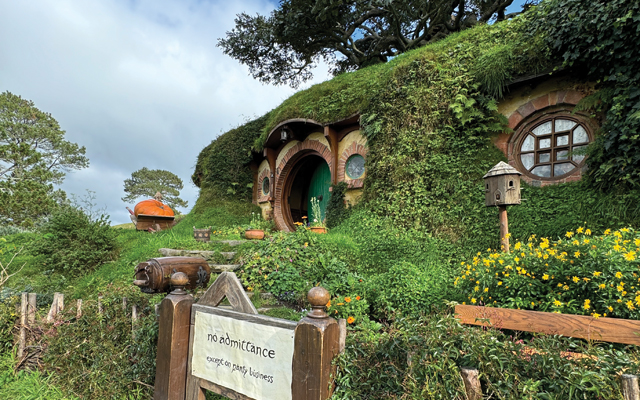
Further afield, located around an hour’s drive away from Rotorua, The Hobbiton Movie Set is one of the region’s drawcard tourism attractions that could be added on as a pre- or post-meeting.
Bag End in Hobbiton. Photo: Rachel AJ Lee
Ellis Paterson, Hobbiton’s function & event coordinator, told TTGmice that corporate meetings and incentive groups will be the attraction’s focus for this year and the next.
“Many people think we’re just doors on a hillside and run guided tours based on Lord of the Rings and The Hobbit trilogies, but we have numerous meeting venues onsite. There’s the 1,600m2 The Hub good for up to 130 theatre-style or the Millhouse which can hold up to 50 cocktail-style, to larger venues such as the Green Dragon Inn, or Party Marquee (both can hold 350 cocktail-style each),” shared Paterson.
From April 2023 to March 2024, Paterson noted that Hobbiton hosted 34 business events in total, up from 26 year-on-year. The aim for this fiscal year is 50.
“We’re in a good location, an hour from Hamilton, Tauranga, and Rotorua – where the bigger conferences are held – and two hours from Auckland. Hobbiton works as a pre- or post-tour activity, or planners can consider a memorable evening dinner experience,” he added.
Similarly to Hobbiton, Rotorua also “markets itself out of Auckland” as an add-on destination, as one of the challenges is the lack of an international airport, noted Wilson.
But with the New Zealand International Convention Centre opening in Auckland in 2025, he opined that the trickle-down benefits will be beneficial both for Rotorua and its surrounding regions.
“Overall, the feedback from the buyers (at Meetings 2024) has been incredibly positive, as they now realise how much the city has to offer. We’ve seen so much reinvestment over the last couple of years from the government and private level, so I’m feeling optimistic what the next few years will hold in store for us,” said Wilson.
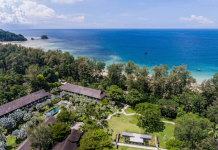
Just 10 minutes from Phuket International Airport on the serene northern coast, this 178-key, Bill Bensley-designed resort offers delegates a quiet, tropical paradise steeped in Phuket’s tin-mining heritage
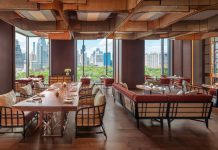
The newly-opened Ritz-Carlton, Bangkok anchors the One Bangkok development with cosmopolitan elegance. Featuring the city's largest ballroom and a spectacular new penthouse suite, it delivers exceptional hardware and deeply authentic, soulful service for business and leisure travellers alike
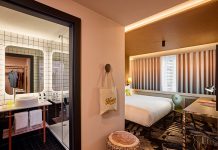
Behind the imposing, Brutalist concrete that defines Zurich’s Oerlikon district lies a surprising secret. While its exterior honours the neighbourhood’s industrial roots, stepping inside Mama Shelter reveals a vibrant, neon-soaked world that is a far cry from its rigid shell