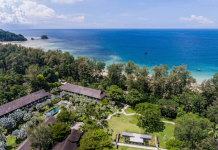
Crowne Plaza Changi Airport has named Greg Gubiani as its new general manager.
He brings 25 years of extensive experience in the hospitality industry to his new role, Gubiani will take charge of the strategic management and operations of the 575-room Crowne Plaza Changi Airport.
He most recently served as the general manager of The Westin Kuala Lumpur.
Global air and travel services provider dnata has appointed Neo Su Yin as the company’s managing director in Singapore. She will report to Charles Galloway, dnata’s regional CEO for Asia-Pacific.
In her role, Neo will oversee dnata’s ground handling and cargo operations at Changi Airport, and will manage a team of more than 1,500 employees.
A Singapore national, she was most recently CEO, Singapore, Singapore Post, and had also worked as General Manager at Changi Airport Group.
W Bali – Seminyak, the flagship W Hotels in Indonesia has named Subin Dharman as general manager.
With over two decades of leadership experience in luxury hotels across Asia-Pacific, the Middle East, the US and Europe, Dharman will champion W Bali – Seminyak’s ongoing initiatives aimed at addressing global environmental concerns, underscoring the hotel’s steadfast dedication to sustainability and social impact.
He was previously the general manager of The Ritz-Carlton, Bali before joining W Bali – Seminyak.
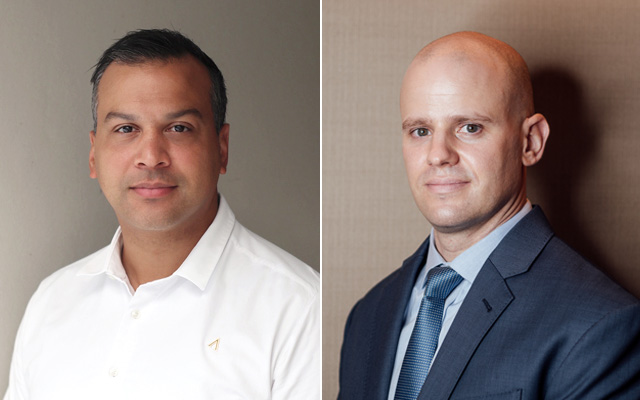
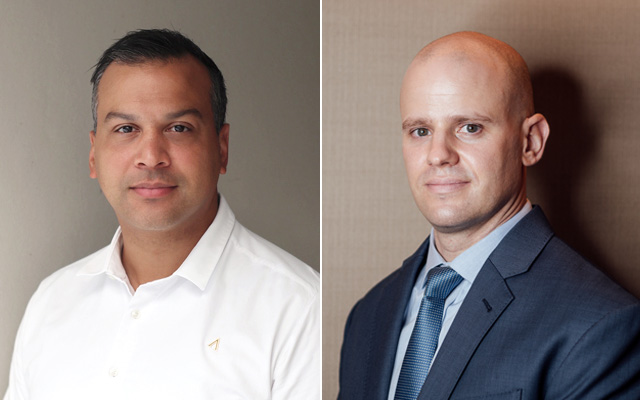
Conrad Koh Samui Resort & Residences has made significant additions to its executive team with Brent Assam as the director of operations and Marco Araujo as its new general manager.
As the new director of operations, Assam will oversee the daily operations at Conrad Koh Samui. Boasting an extensive background in F&B management and operations, his 20-year career in hospitality includes a notable tenure at Hilton Adelaide, where he served as director of operations.
From left: Brent Assam and Marco Araujo
With over two decades of experience in the luxury hospitality industry, Araujo brings with him a wealth of expertise and leadership capabilities to the team. In his new role, he will oversee the commercial and operational performances for Conrad Koh Samui.
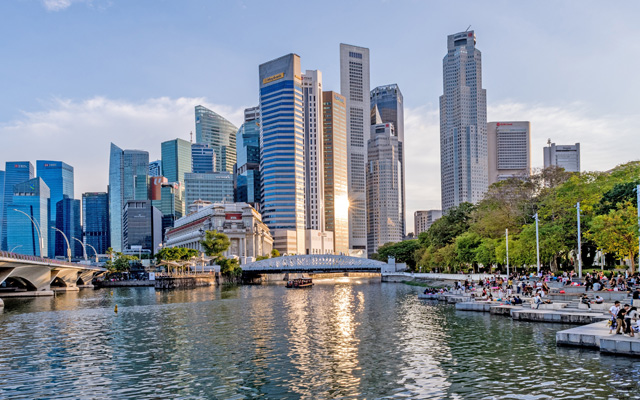
The annual rankings recognise the top-performing hotels for business events, as well as the world’s most coveted meeting destinations; Singapore pictured
Cvent has released Top Meeting Destinations and Top Meeting Hotels rankings for Asia-Pacific (APAC) for 2024, with Singapore and JW Marriott Hotel Singapore South Beach leading the respective lists.
The Top 10 cities remained mostly consistent year-over-year with Singapore retaining its #1 ranking from 2023. The sole newcomer to the Top 10 is Shanghai (#10). Bangkok (#2), Tokyo (#4), Kuala Lumpur (#7) and Phuket (#9) each improved their Top 10 rankings from 2023.
The annual rankings recognise the top-performing hotels for business events, as well as the world’s most coveted meeting destinations; Singapore pictured
As for the top meeting hotels in APAC, JW Marriot Hotel Singapore South Beach rose in the rankings to secure this year’s #1 spot, followed by Shangri-La Singapore (#2), and Hyatt Regency Sydney in #3. Newcomers to the Top 10 include Hilton Tokyo (#4), Bangkok Marriott Marquis Queen’s Park (#5), voco Orchard Singapore (#7), Hilton Kuala Lumpur (#8), and Sheraton Grand Sydney Hyde Park (#9).
For Cvent Top Meeting Destinations, Cvent evaluated 12,500+ cities worldwide listed on the Cvent Supplier Network (CSN). Activity was tracked between January 2023 and December 2023. Rankings were determined by a set of qualifying criteria, including the number of total room nights booked; the number of unique electronic request-for-proposals (RFPs) sent through the marketplace to venues within the city; the total value of the RFPs submitted; and the actual awarded value for meetings booked.
For Cvent Top Meeting Hotels, Cvent evaluated hotel properties that generated business through the CSN between January 2023 and December 2023. The properties were ranked according to various criteria, including total RFPs, awarded RFPs, total room nights, awarded room nights, major metropolitan area market share, conversion rate, and response rate.
These lists – which also include regional rankings for North America, Europe, and the Middle East & Africa – were compiled based on sourcing activity through the CSN, one of the world’s largest venue-sourcing platforms. More than US$16 billion in business events was sourced through Cvent’s online platforms in 2023.
To view all Cvent Top Meeting Destinations and Cvent Top Meeting Hotels worldwide, click here.
The Middle East leads global business travel recovery with a 112% increase in spending, surpassing pre-pandemic levels ahead of other regions
The Middle East region experienced a 112 per cent recovery in business travel spending compared to pre-pandemic levels, making it the strongest rebound among global markets, according to the 2023 Business Travel Index (BTI) outlook from the Global Business Travel Association (GBTA).
Business travel expenditure in the Middle East saw an estimated 11.2 per cent growth last year, trailing behind the global growth rate of 32.1 per cent. Nevertheless, the region surpassed its pre-Covid spending levels, achieving this milestone a year ahead of certain markets such as Western Europe, which is expected to recover fully in 2024. GBTA’s BTI only takes into account outbound spend only.
The Middle East leads global business travel recovery with a 112 per cent increase in spending, surpassing pre-pandemic levels ahead of other regions
Speaking to TTGmice on the sidelines of ATM Dubai, Catherine Logan, GBTA’s regional senior vice president EMEA & APAC, said business travel spend in the Middle East reached US$17 billion last year.
“Qatar, Israel, and Saudi Arabia have recovered the most in terms of business travel in 2023. Saudi Arabia’s business travel is expected to reach 127 per cent of the pre-Covid level by the end of 2024, making it sixth best-performing market in the world throughout the pandemic and recovery,” said Logan.
The UAE’s business travel spend represents 14.5 per cent of the Middle East’s total, reaching US$2.47 billion last year. After fully recovering to its pre-Covid spend level last year, business travel spend in the UAE is expected to grow at a modest 4.9 per cent rate this year.
Israel’s business travel spend reached US$4.4 billion last year. While Israel Is the largest business travel market in the Middle East, the BTI model does not account for the war in Gaza. Meanwhile, Saudi Arabia’s 2023 business travel spend was reported to be US$3.1 billion.
The industry verticals forecasted to grow in the Middle East in terms of business travel include the construction, financial and insurance, real estate, public administration, accommodation/food service and healthcare sectors. This forecast period is through 2027.
“The business travel in the Asia Pacific region didn’t recover to pre-pandemic levels in 2023. The wider Asian business travel market was impacted by the fact that China’s borders were closed. We expect business travel in APAC to reach pre-pandemic growth in 2024,” added Logan.
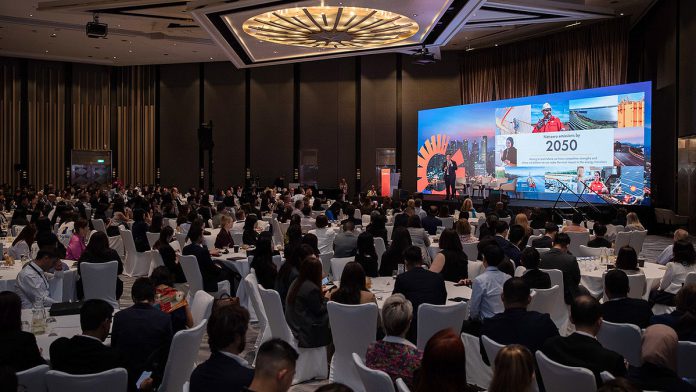
Over 800 industry professionals gathered to network, advocate, teach and learn what’s fuelling next-gen trends, spending and priorities amid a dynamic regional market
The 2024 APAC Conference hosted by the Global Business Travel Association (GBTA) took place last week at the Raffles City Convention Centre in Singapore from May 14-15, 2024.
Partnering with the WERC Regional Summit, the event welcomed over 800 attendees from 28 countries, including more than 40 exhibiting and sponsoring companies.
Over 800 industry professionals gathered to network, advocate, teach and learn what’s fuelling next-gen trends, spending and priorities amid a dynamic regional market
This year’s conference focused on adapting, innovating and succeeding in navigating the future of business travel. From understanding the complexities of global travel sustainability regulations to harnessing the power of technology for enhanced traveller experiences, the conference addressed these and other pressing issues facing businesses and travellers alike.
During her Main Stage presentation, Suzanne Neufang, CEO of GBTA, touched on these subject, as well as the current state of business travel and future forecasts, global and regional outlooks, the influence of change such as workplace transformation, and how broader forces, innovation and putting travellers at the centre will be key to navigating the future for the industry.
“The workplace and workforce continue to evolve as we see a shift in hybrid schedules, changing priorities and the increased desire to align with socially and environmentally conscious companies, but there’s no doubt that people want to travel for work, even if how they travel continues to change. Meeting face-to-face remains unmatched for positive outcomes and connections,” said Neufang.
GBTA insights Neufang shared specific to APAC included how the region continues to lead in global business travel spending; an ever-growing bleisure trend; and an increasing preference for business or first-class flights and upscale hotels for work trips.
In addition to GBTA leadership, representatives from notable organisations such as Google, EY, Jetstar Asia, The Ascott and Changi Airport shared insights on the latest topics and trends affecting travellers, businesses and industry professionals during the Main Stage presentations.
The APAC Conference also featured roundtable discussions and education sessions that focused on critical priorities and opportunities in the APAC business travel sector. These included business travel management fundamentals; travel programme organisational design; the role outsourcing plays; how today’s workplace culture influences business travel; choosing sustainable suppliers; nurturing safety, health and security of mobile workers; harnessing AI and technology; global trends in relocation and mobility; and sustainability integration in corporate mobility programmes, among others.
GBTA also announced a partnership with the Australia Corporate Travel Summit (ACTS), a collaboration of the Association of Travel Management Companies and Greener Airlines, for a conference and exhibition taking place in Sydney on November 13, 2024.
The joint effort will provide unique value and benefits to travel managers in the form of a bundled delegate pass and GBTA membership, as well as discounts for GBTA’s industry members.
GBTA also revealed it will host its 2025 APAC Conference again at Raffles City Convention Centre in Singapore on May 27-28, 2025.
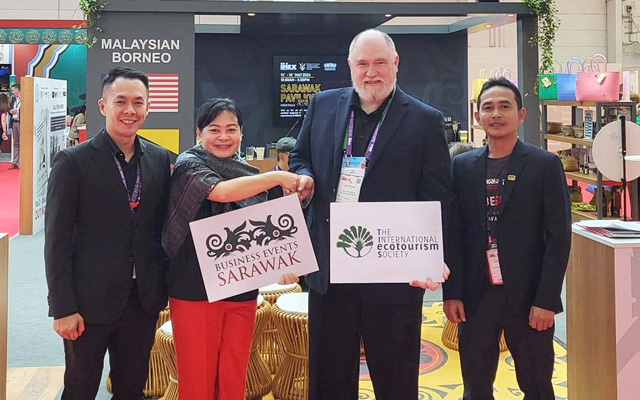
BESarawak’s Amelia Roziman (second from left), and and TIES' Jon Bruno (second from right) at IMEX Frankfurt
At last week’s IMEX Frankfurt, Business Events Sarawak (BESarawak) partnered with The International Ecotourism Society (TIES) on future ecotourism business events and developments, as well as launched a special edition of the International Journal of Business Events and Legacies (IJBEL) journal.
TIES is the oldest and largest ecotourism society in the world with 15,000 active members from over 190 countries. At the forefront of ecotourism developments, TIES provides guidelines, standards, training, technical assistance, and educational resources.
BESarawak’s Amelia Roziman (second from left), and and TIES’ Jon Bruno (second from right) at IMEX Frankfurt
According to the Post Covid-19 Development Strategy 2030, Sarawak aims to become a leading destination for ecotourism and business events in South-east Asia by prioritising responsible and sustainable practices in tourism experiences, and emphasising sustainable infrastructure to balance growth with minimal negative environmental impact.
Meanwhile, the Strategic Advisory Tripartite – of which BESarawak is a collaborator along with the Ministry of Tourism, Creative Industry and Performing Arts Sarawak and International Congress & Convention Association – launched Volume 2 Issue 2 of IJBEL, which focuses on sustainability and underscores the dedication to promoting sustainable practices within the business events industry.
IJBEL is the first international publication dedicated to business events and legacies that aims to bridge the gap between academic and non-academic communities. Curtin University Malaysia is the appointed journal manager.
IJBEL Volume 2 Issue 2 takes a comprehensive approach to sustainability, covering social, economic, and environmental aspects, and emphasises the collective role individuals and organisations can play in fostering a sustainable industry. There are nine papers within, such as The Copenhagen Legacy Lab Strategic Approach, and Shaping Destinations with Business Events: Insights into Ecosystem Dynamics.
“Adopting sustainable practices in the industry goes beyond minimising waste, reducing carbon footprints, and promoting responsible consumption. We need to examine whether our current practices promote local partnerships, create opportunities for local talents and diverse communities to contribute to the sustainability goal, and encourage leadership that celebrates diversity and inclusion. This edition is about thinking globally and acting locally for lasting change,” said Abdul Karim Rahmah Hamzah, minister for tourism, creative industry and performing arts Sarawak and patron of IJBEL.
“To make and emphasise the positive impact of what we do, we must pay attention to the finer details and recognise the significance of our actions in shaping outcomes. We hope that everyone can draw inspiration from this special edition and apply it in the future. The IJBEL Strategic Advisory Tripartite is also open to welcome more collaborators.”
“The journal is designed for universal use and contribution, serving as a valuable educational resource for everyone in the business events community, from all corners of the globe, to enhance their event quality,” emphasised Amelia Roziman, CEO of BESarawak.
“The IJBEL is now indexed with an International Standard Serial Number (ISSN) (2785-8499) and E-ISSN (2785-8855), meeting prerequisites for researchers and other academicians to cite the journal content.”
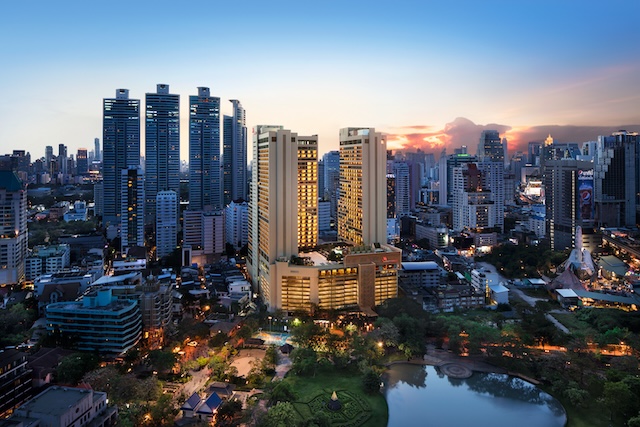
Bangkok Marriott Marquis Queen’s Park is located in downtown Bangkok near the mega malls of The EM District on Sukhumvit Road
MICE travellers to Thailand are expected to reach 23.2 million, generating over US$3.7 billion (140 billion baht) by end 2024 as the government steps up efforts to drive the industry.
According to research conducted by the Thailand Convention & Exhibition Bureau (TCEB), Thailand was the top of mind destination in Asia for MICE, and highly rated for being value for money, uniqueness, and readiness in accommodating.
To further drive the industry, TCEB has highlighted three sectors — mega events and festivals; international exhibition, and domestic MICE market — to focus on transforming Thailand into a “High Value-Added Destination”.
Bangkok continues to be the MICE hub of the country with a wide range of accommodation, venues and facilities available. Around 10,000 new hotel rooms are expected to be added this year.
One hotelier committed to creating unique meeting and event experiences is Marriott.
With a mission of “Your Vision, Our Commitment”, Marriott’s dedicated and experienced events team aims to help its clients bring their event goals to reality.
From personalised services that meet various customer needs to curated activities, right down to the smallest culinary detail, the team prioritises creating memorable experiences where guests can connect comfortably.
For groups planning meetings and events in the Thai capital, consider three of its hotels, each with its own distinct style and offerings — Bangkok Marriott Marquis Queen’s Park, Sheraton Grande Sukhumvit, or The Athenee Hotel in central Bangkok.
Bangkok Marriott Marquis Queen’s Park
Situated prominently along Sukhumvit Road in the heart of bustling Bangkok, Bangkok Marriott Marquis Queen’s Park offers convenient accessibility to key transportation hubs and renowned shopping and entertainment destinations such as Emporium, EmQuartier, and the new EmSphere, as well as direct access to the Benjasiri Park.
Boasting 1,388 rooms, the hotel stands as a premier destination for gatherings of all sizes, and is equipped with expansive convention and meeting facilities spanning over 5,000m2.
The majestic Thai Chitlada Grand Ballroom (1,201m2), serves as the flagship space, capable of hosting lavish affairs for up to 1,500 guests. Additionally, the Sala Thai ballroom (588m2), and The Great Hall (448m2), provide elegant settings for gatherings of up to 420 and 480 guests, respectively.
Complementing the grand ballrooms are more than 30 versatile breakout function rooms, ranging from 50m2 to 300m2. Whether for corporate symposiums or social gatherings, these meticulously designed spaces offer the flexibility and sophistication for events of all types.
Guests can also unwind at the trendy rooftop bar, ABar Rooftop on the 38th floor and enjoy panoramic views of the Bangkok skyline.
Sheraton Grande Sukhumvit, a Luxury Collection Hotel
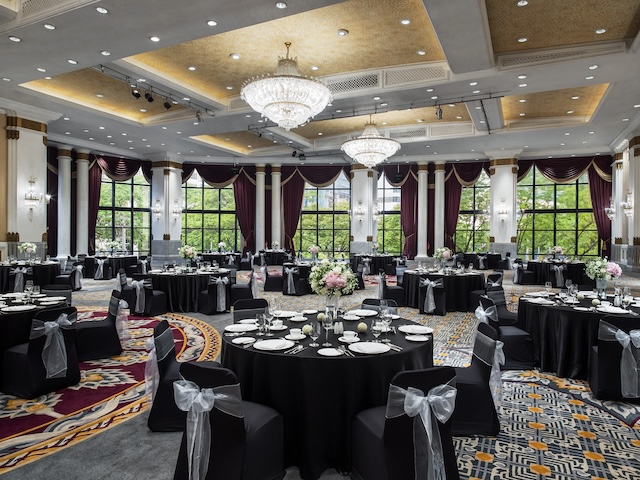
The Grande Ballroom holds 380 to 500 guests depending on the type of event
For the grandest of gatherings, the luxurious Sheraton Grande Sukhumvit offers an opulent Grand Ballroom that can hold up to 500 guests for a cocktail reception, or 380 guests for a banquet.
Its other versatile and pillarless function rooms, are flooded with natural daylight and boast high ceilings, offering functionality for seamless event execution and guest satisfaction.
Further tailor event experiences with Dining in the Dark encounters, engaging team-building activities, featuring mixologist sessions and convenient treasure hunts around the hotel vicinity. Guests can also indulge in themed coffee breaks that offer a wide range of food, from authentic Thai-inspired delicacies to luxurious chocolate treats.
Known for its dining reputation, the hotel’s restaurants cater to every palate, with the Michelin Guide award winner, Rossini’s, for fine Italian cuisine, international buffet at Orchid Cafe, and fresh seafood by the poolside at The Sala, and authentic Thai cuisine at basil.
The hotel boasts a central location with direct access via a skywalk to BTS Asok and MRT Sukhumvit stations, as well as shopping and entertainment spots.
The Athenee Hotel, a Luxury Collection Hotel
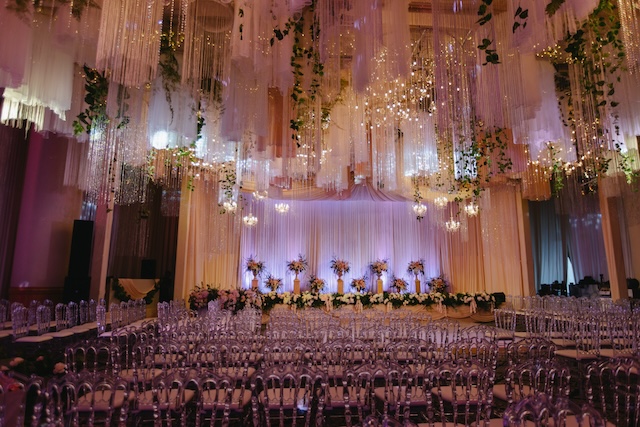
With natural daylight and high ceiling, the pillarless ballroom holds up to 1,000 guests for an enjoyable event
Nestled in downtown Phloen Chit, just a 5-minute walk from the sky train station, The Athenee Hotel, a Luxury Collection Hotel offers convenient access to public transportation.
Known as an epicurean hub, the hotel boasts eight restaurants with a diverse array of culinary experiences, including French cuisine at The Allium Bangkok, authentic Thai cuisine from the four regions of Thailand at The House of Smooth Curry, classic Cantonese with modern flair at The Silk Road, or progressive Japanese Kaiseki cuisine at Kintsugi Bangkok by Jeff Ramsey.
For meetings, there are 30 function rooms of various sizes, along with an exhibition area suitable for medium-scale exhibitions of up to 6,500m2.
Large events can take place at the three pillarless ballrooms, each with a capacity of up to 1,000 attendees, while high ceilings and natural daylight add to the welcoming atmosphere.
For semi-outdoor functions, the hotel offers the picturesque Kandhavas Place, providing a pool view setting ideal for welcome cocktails accommodating up to 200 guests.
Ready to host your next meeting in Thailand? Make a booking now and let Marriott Bonvoy bring your vision to life.
Just 10 minutes from Phuket International Airport on the serene northern coast, this 178-key, Bill Bensley-designed resort offers delegates a quiet, tropical paradise steeped in Phuket’s tin-mining heritage
The newly-opened Ritz-Carlton, Bangkok anchors the One Bangkok development with cosmopolitan elegance. Featuring the city's largest ballroom and a spectacular new penthouse suite, it delivers exceptional hardware and deeply authentic, soulful service for business and leisure travellers alike
Behind the imposing, Brutalist concrete that defines Zurich’s Oerlikon district lies a surprising secret. While its exterior honours the neighbourhood’s industrial roots, stepping inside Mama Shelter reveals a vibrant, neon-soaked world that is a far cry from its rigid shell



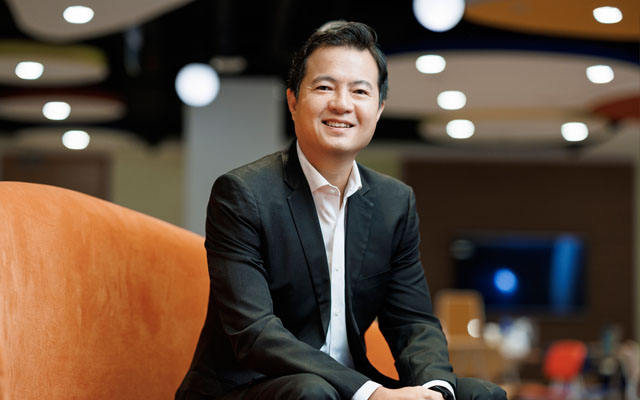
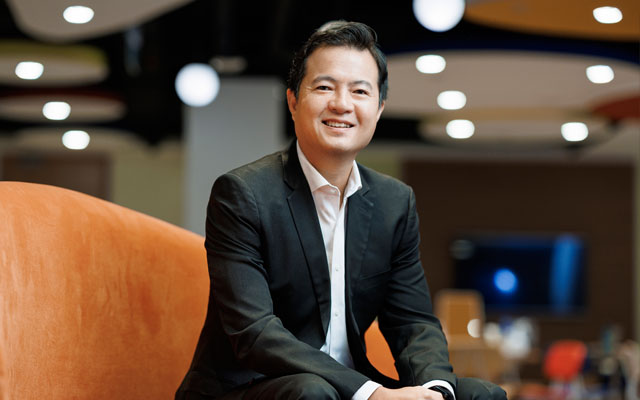 He remains the CEO of Scoot, SIA’s low-cost carrier subsidiary.
 He most recently served as the general manager of The Westin Kuala Lumpur.
 A Singapore national, she was most recently CEO, Singapore, Singapore Post, and had also worked as General Manager at Changi Airport Group.
 He was previously the general manager of The Ritz-Carlton, Bali before joining W Bali – Seminyak.