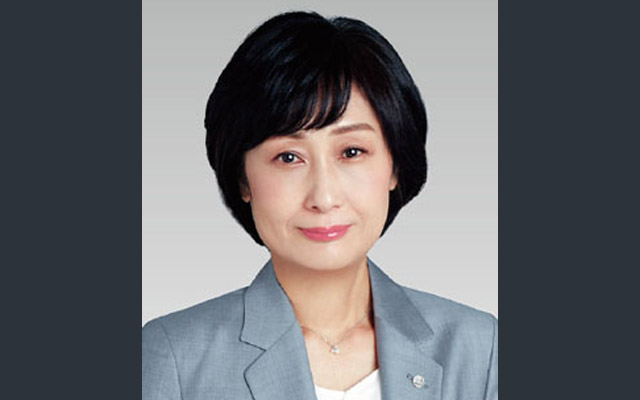
Japan Airlines (JAL) has named its first female president, Mitsuko Tottori. She first joined in 1985 as a flight attendant and rose through the ranks to senior management over the years.
She will take over from current president Yuji Akasaka starting April 1.
In 2024, KLCC will seek customer feedback by converting an existing meeting space into a concept room where clients can test out its future meeting space refurbishment
In 2024, KLCC will seek customer feedback by converting an existing meeting space into a concept room where clients can test out its future meeting space refurbishment
The business of meetings is all about connecting people. With personalisation and digital transformation high on people’s agenda, leveraging technology to facilitate better engagement is paramount, whether that is seamlessly connecting those halfway across the world from each other or those within the same space.
That is exactly what the award-winning Kuala Lumpur Convention Centre (KLCC) endeavours to offer its clients and guests. Matching the needs of the business events industry, Malaysia’s premier purpose-built venue has been developing new products, services, and room setups to ensure that events remain exciting, providing the right environment for learning, business or pleasure.
Centre's highlights
1 of 3
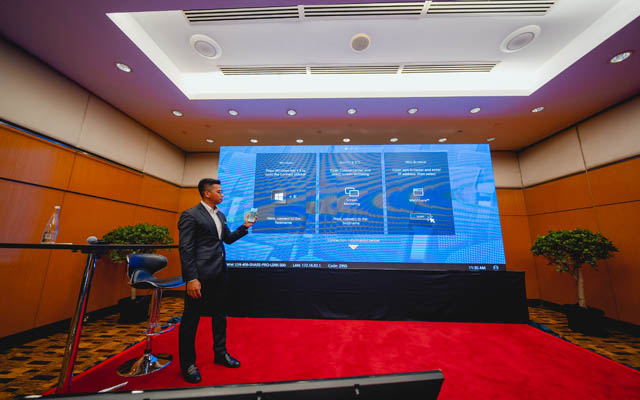
Some of the in-room meeting technology in KLCC have been enhanced to support collaborative meetings
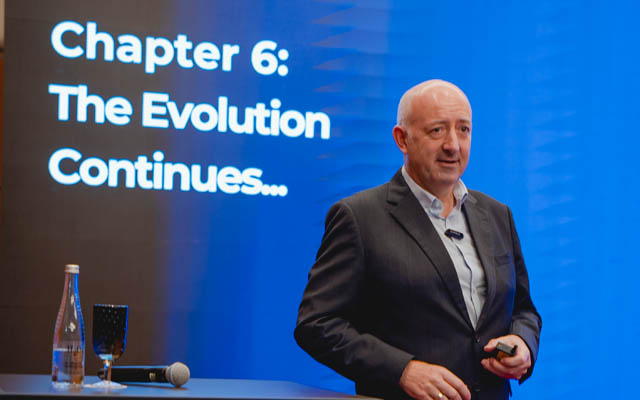
John Burke, general manager, KLCC, is determined to offer the right solution for each event so that KLCC clients and guests can fully benefit from their time there
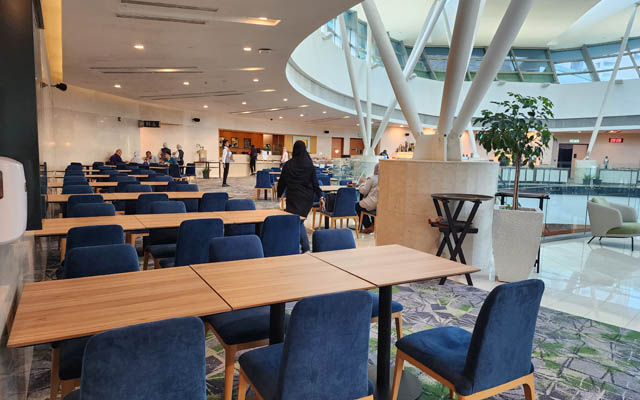
As part of its comprehensive refurbishment programme, KLCC has completed the fitting out of its Ten-on-Call function area in 2023
“More than 1,500 meetings take place at our venue annually and the format of these meetings have changed over the years. They have become more collaborative and interactive, giving an opportunity for all in a room to participate. Delegates today are tech-savvy and expect the same from a venue when attending events. We want to meet these expectations, not by offering the latest in gadgets, but by offering the right solution for each event so that our clients and guests fully benefit from their time here,” said John Burke, general manager, KLCC.
To accommodate the demands and expectations of clients and delegates, the centre has already begun to roll out a comprehensive refurbishment programme.
In 2023, KLCC completed the fitting out of some of the shared areas, Ten-on-Call function area, as well as upgraded much of the furniture and technology, IT infrastructure, and the food court. Some of the in-room meeting technology have also been enhanced to support collaborative meetings. Clients can look forward to utilising this new feature from 2024.
Besides, KLCC will also be seeking out customer feedback as part of its refurbishment programme to ensure the effectiveness of its new products and solutions. An existing meeting space is currently being converted into a concept room where clients can test out the vision of the future meeting space refurbishment.
Burke elaborated: “Our aim, going into the future, is to offer products and solutions that our clients want, and this concept meeting room will help us determine their needs to refine designs. The concept room, once finalised with this input, will be used as a template for all the other meeting rooms and functions halls.”
The upgrades are timely to meet growing demands for meeting spaces. Commencing 2024 in an extremely strong position with 65 per cent of its business target secured, KLCC’s packed calendar includes 47 exhibitions and 32 conventions (26 of which are international) over the next 12 months and expects to add more over the course of the year.
“We are very excited to introduce all these new plans to our clients and to continue to work closely with them to ensure the success of their events,” Burke added.
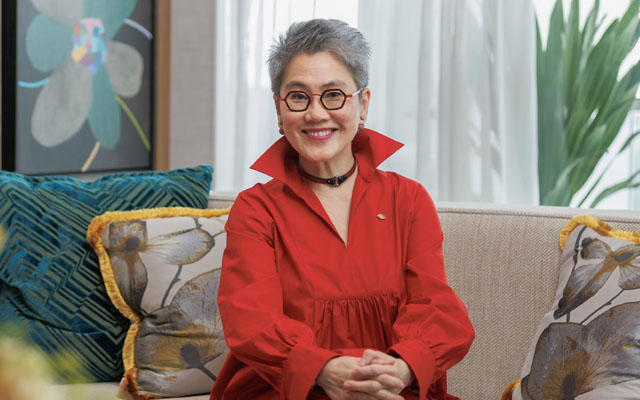
Mandarin Oriental, Singapore has appointed Jill Goh as general manager, making her the property’s first female to hold this position.
A veteran hotelier with over three decades of experience in the global luxury hospitality industry, she brings a wealth of expertise and knowledge in hotel operations and management to her new role.
Having previously been the resident manager at Mandarin Oriental, Singapore, she rejoins the Singapore property from The Landmark Mandarin Oriental, Hong Kong where she also served as general manager.
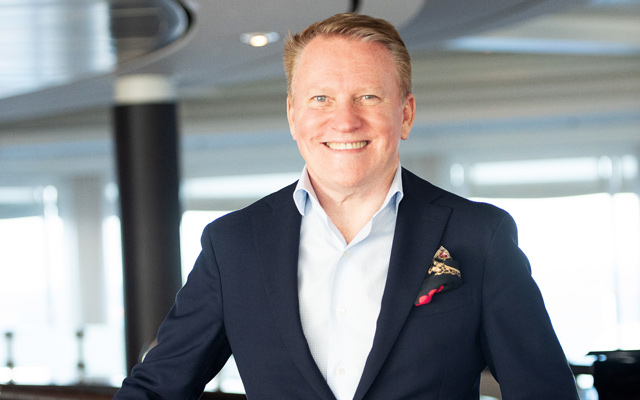
Steve Odell has been appointed chief sales officer of Regent Seven Seas Cruises.
With over 35 years of experience, Odell rejoins Regent and brings with him a wealth of experience in the luxury travel industry having most recently tenured for Regent as senior vice president and managing director of the Asia-Pacific region for seven years.
He will be responsible for the sales organisation including maximising opportunities across all booking distribution channels and deepening valued travel partner relationships.
Adelaide Venue Management has appointed Sarah Goldfinch as general manager of the Adelaide Convention Centre.
She will commence her new role in February 2024.
Prior to joining the Centre, Goldfinch operated her own business consultancy, Goldfinch Hospitality, offering executive level strategic and operational direction to clients in the tourism and hospitality sectors.
She joins the Centre following an illustrious career spanning more than 25 years which includes senior leadership roles within IHG Hotels & Resorts along with Accor Hotels.
Before moving into consulting, she led the opening of the new Crowne Plaza Adelaide hotel, consulted for the luxury Oval Hotel at Adelaide Oval, and guided the pre-opening team on everything from operations through to sales and marketing strategy. She also enjoyed a seven-year tenure as general manager at Novotel Barossa Valley Resort, with a focus on business events.
Sarah has also served on numerous boards supporting regional development, events and tourism, including Business Events Adelaide and as chair of Artisans of Barossa.
Corporate events and meetings are looking up for China this year
China’s leading inbound DMCs, buoyed by the government’s more visa-friendly stand and companies wanting to resume trade, are planning to target more business delegations and corporate meetings in 2024.
Linda Wang, founder and owner, Asia Concierge, told TTGmice her longhaul international clients with letters of invitation were granted visa approval in three days, while applications for a Fortune 500 delegation from the Philippines were granted in five.
Both inbound and outbound corporate events and meetings are looking up for China this year
But Asia Concierge prefers to be “conservative” this year and not expand too aggressively because of the complicated geopolitical situation, she shared.
China Star, founder and CEO, Liu Ping, observed DMCs and PCOs “have to be ready for overnight government changes”.
Strong in the Polish market and Germany – where production has slowed – Liu is creating new incentive programmes to showcase south-west China, and is working on a proposal for government sponsorship for a fam trip for 10 hosted buyers and media.
In the case of Realm, which targets corporate and association meetings, managing director Violet Wang is open to new source market segments in English-, French- and German-speaking countries in Europe, South America, the US, and Asia Pacific.
Violet Wang opined that “governments and corporates are driving hard to reconnect”, and as such, expects a good growth outcome of up to 20 per cent this year and sees opportunities in the US market.
Kin Qin, deputy general manager Century Holiday Travel Group said China’s “attitude change” in offering visa-free entry to France, Germany, Italy, the Netherlands, Spain and Malaysia would help address recovery challenges such as high air fares faced last year.
Century Holiday Travel Group, which focuses on tailor-made programmes and corporate trips from South-east Asia – in particular, Indonesia, Malaysia and Singapore – will continue to mount sales trips and attend tradeshows in South-east Asia.
Qin also identified IMEX Frankfurt and IBTM World in Barcelona to “grab opportunities” this year.
“We will start looking at the Middle East and potential from Dubai and invest in developing talent to personalise service and meet the needs of high-end clients,” she added.
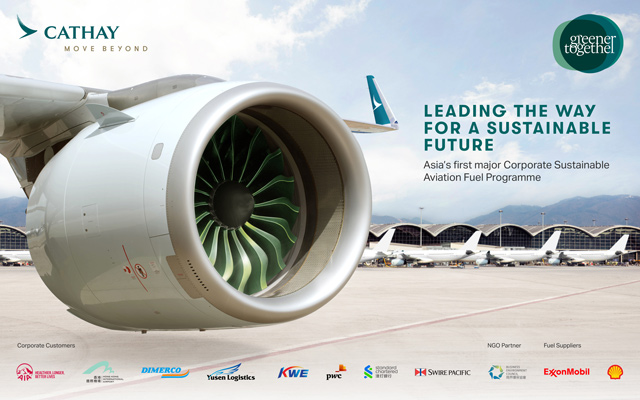
Cathay is working to decarbonise aviation with the help of SAF partnerships
To achieve its goal of net-zero carbon emissions by 2050 and decarbonise the aviation industry, Cathay has brought on three more partners to its Corporate Sustainable Aviation Fuel (SAF) Programme.
First launched in 2022, the three new partners are Dimerco Express Group, Yusen Logistics, and NGO partner Business Environment Council.
Cathay is working to decarbonise aviation with the help of SAF partnerships
These new partners join the programme’s launch customers – AIA, Airport Authority Hong Kong, Kintetsu World Express, PwC China, Standard Chartered, and Swire Pacific.
Cathay’s Corporate SAF Programme partners are committed to reducing the climate impact from their business travel and airfreight activities through scaling up the use of SAF, considered to be the most important lever for decarbonising airline operations over the next few decades, before alternatively powered aircraft can be widely deployed in commercial operations.
Cathay Group’s CEO, Ronald Lam, said: “Cathay is undertaking a multi-pronged approach to contribute to the aviation industry’s transition towards a greener future. SAF is an important facet of this approach, and we have received strong support from our corporate and cargo customers since the launch of our Corporate SAF Programme. We have also established new SAF supply partnerships in the broader Asia region to convey a clear message to the SAF supply chain that there is firm demand from this part of the world.”
Cathay was among the first airlines in the world to announce a target of 10 per cent SAF for its total fuel use by 2030. Since then, it uplifted SAF at Hong Kong International Airport for the first time in 2022, and successfully conducted its first overseas SAF uplifts on commercial flights at Singapore Changi Airport and Los Angeles International Airport last year.
The SAF Cathay used over the past year was made from used cooking oil and animal fat waste, and was made available by its fuel suppliers, ExxonMobil and Shell.
Last year, Cathay and State Power Investment Corporation signed a Memorandum of Understanding to drive the further development of the SAF supply chain in China.
In addition to increasing the use of SAF, Cathay’s carbon reduction roadmap includes fleet modernisation, operational efficiency improvements, leveraging on emerging technology breakthroughs to decarbonise aviation, and high-quality carbon offset projects.
FCM Cars is equipped to manage ground transportation for different travel needs
FCM India started their customised corporate ground transportation solutions nine years ago with just 500 cars, which today has grown to more than 25,000 cars across 60 cities in India.
The car rental programme, which includes airport transfers, local in-city assignments, outstation assignments, corporate transportation, and long-term rentals, prioritises safety and duty of care.
FCM Cars is equipped to manage ground transportation for different travel needs
Recently, FCM India also announced that they have successfully chauffeured more than 50,000 corporate travellers within India, from various countries such as the US and Europe, with a customer satisfaction rate of 99 per cent.
“India has the second largest road network in the world on account of growing government initiatives to improve transportation infrastructure in the country. These initiatives are welcomed by business travellers as India’s extensive network ensures connectivity across various regions of the country. India most recently unveiled its longest sea bridge, Atal Setu, which now connects Mumbai to Navi Mumbai to reduce travel time,” said Sunny Sodhi, managing director of FCM Travel India.
“We have established strategic alliances and trusted partnerships to ensure our travellers have a wide selection of cars to choose from. These partnerships are audited regularly to ensure statuary compliances, service, and comfort standards are met. Our mantra is to make the rides of business travellers a smooth one within India.”
FCM India is also one of the pioneers in women travelling safely for business in India, where the company not only have female drivers but a round-the-clock car desk that conducts safety checks on single women travellers from 19.00 to 07.00. Over 10,000 female travellers have been safely chauffeured.
“Understanding the expectations and requirements of businesses, we work very closely with FCM India’s Meetings & Events team when they get large event management and MICE transportation requests…,” added Sodhi.
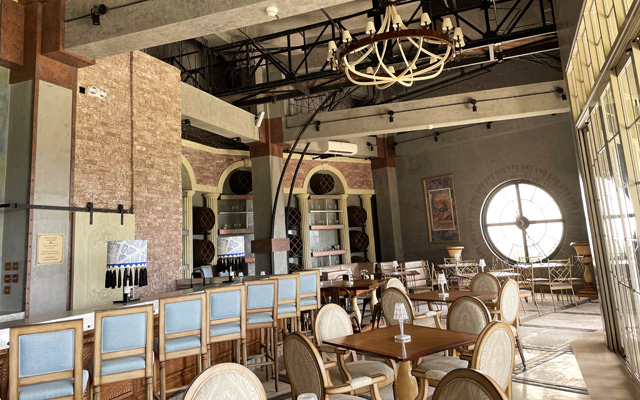
The newly-minted Wine Gallery at Twin Lakes Hotel near Tagaytay, Philippines, offers a European winery-themed experience for medium-sized corporate groups.
Offering a breathtaking view of the terraced vineyard and yonder, greenery, endless skies and Taal Volcano when it’s not hiding in the clouds, the Twin Lakes Wine Gallery has seating for 65 pax across its lounge, bar, al fresco dining, and private room.
The lounge area. Photo: Rosa Ocampo
European aesthetics are mirrored in elegant furnishings and whimsical interiors, with artwork from the Fundador bodegas in Spain, and a huge clock framing the circular window that chimes every hour.
The venue boasts an exclusive collection of Harveys Sherry wines, including Harveys Amontillado, Palo Cortado, Fino, Oloroso, Pedro Ximenez, Medium Dry, and the Very Old Rare Sherries (V.O.R.S.)
The well-curated and customisable menu complements the nuanced flavours of sherry with entrees including blackened salmon with mashed pumpkin, lamb chops, and appetisers like chorizos.
Twin Lakes Wine Gallery is also able to host immersive food and wine pairing classes led by experienced sommeliers and exclusive private discovery sessions, should corporate planners prefer.
Located at Lower Level 6, Vineyard Deck, Twin Lakes Wine Gallery is open every Thursday to Sunday, from 16.00 to 23.00.
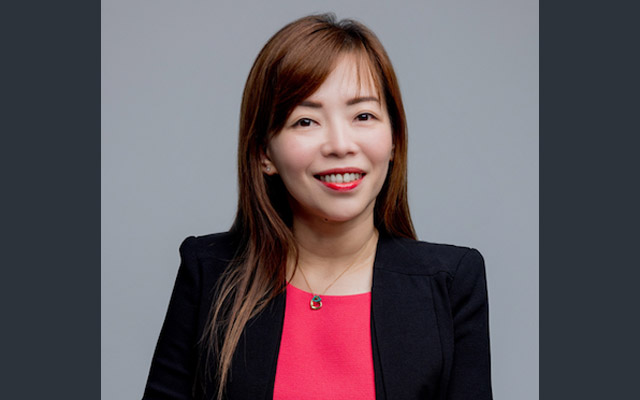
The Hong Kong Tourism Board (HKTB) has named Liew Chian Jia as its regional director of South-east Asia. In her new role, she will lead the development and implementation of HKTB’s marketing strategies in the region.
Liew joined HKTB in 2017 and has been instrumental in driving the trade partnerships and marketing Hong Kong to the travel trade in South-east Asia.
Prior to this appointment, she was the HKTB’s director of trade marketing for the South-east Asia region.
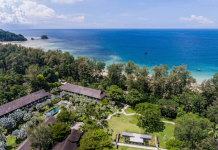
Just 10 minutes from Phuket International Airport on the serene northern coast, this 178-key, Bill Bensley-designed resort offers delegates a quiet, tropical paradise steeped in Phuket’s tin-mining heritage
The newly-opened Ritz-Carlton, Bangkok anchors the One Bangkok development with cosmopolitan elegance. Featuring the city's largest ballroom and a spectacular new penthouse suite, it delivers exceptional hardware and deeply authentic, soulful service for business and leisure travellers alike
Behind the imposing, Brutalist concrete that defines Zurich’s Oerlikon district lies a surprising secret. While its exterior honours the neighbourhood’s industrial roots, stepping inside Mama Shelter reveals a vibrant, neon-soaked world that is a far cry from its rigid shell



 She will take over from current president Yuji Akasaka starting April 1.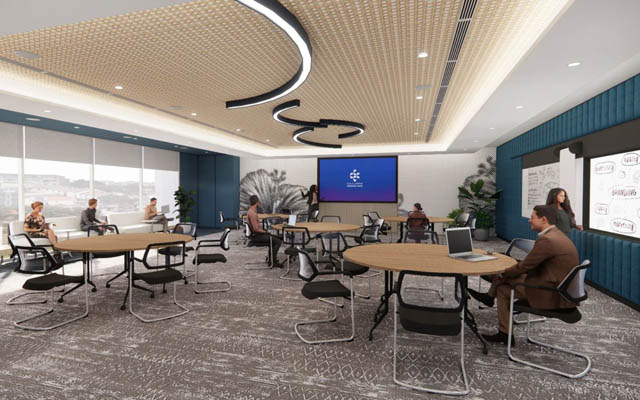
 Having previously been the resident manager at Mandarin Oriental, Singapore, she rejoins the Singapore property from The Landmark Mandarin Oriental, Hong Kong where she also served as general manager.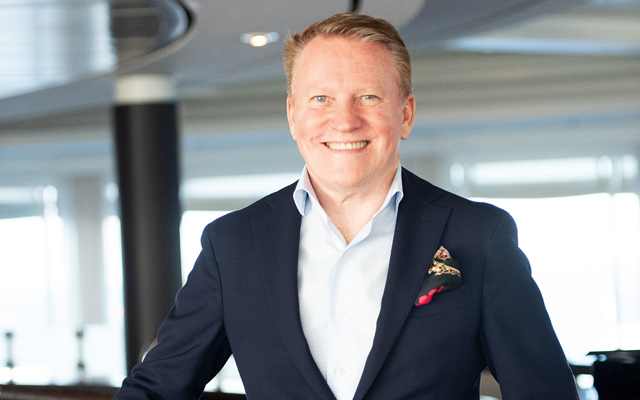
 He will be responsible for the sales organisation including maximising opportunities across all booking distribution channels and deepening valued travel partner relationships.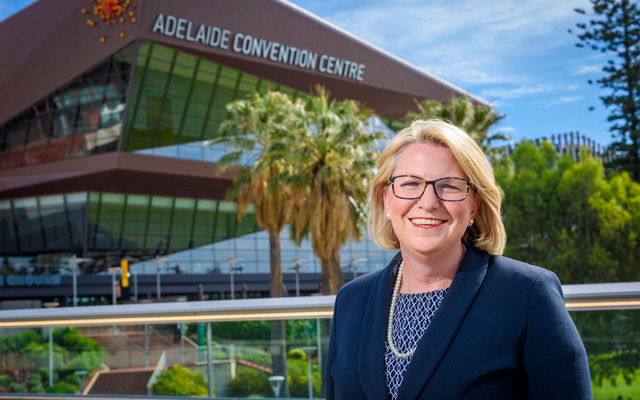



 Prior to this appointment, she was the HKTB’s director of trade marketing for the South-east Asia region.