Asia/Singapore Wednesday, 6th May 2026
Page 287

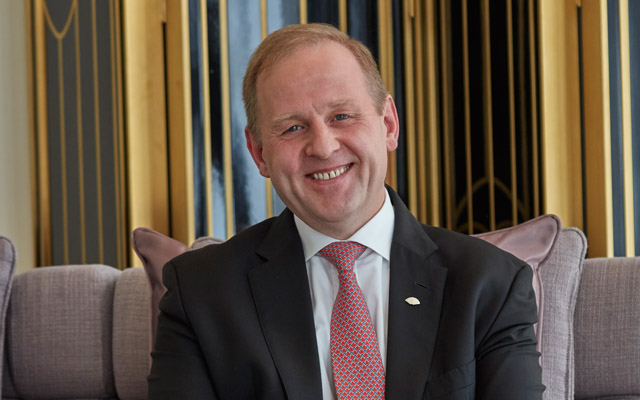
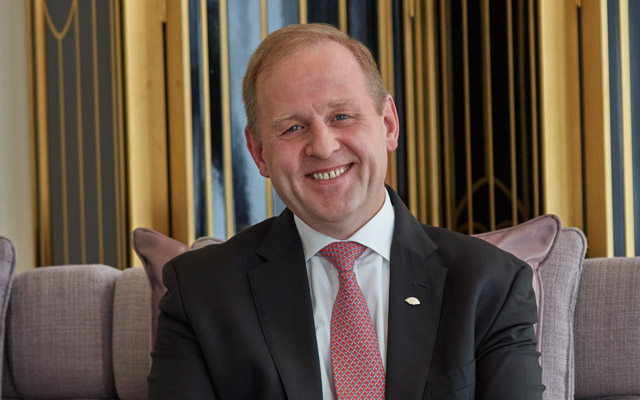
Mandarin Oriental, Kuala Lumpur appoints Martin Schnider as GM

0

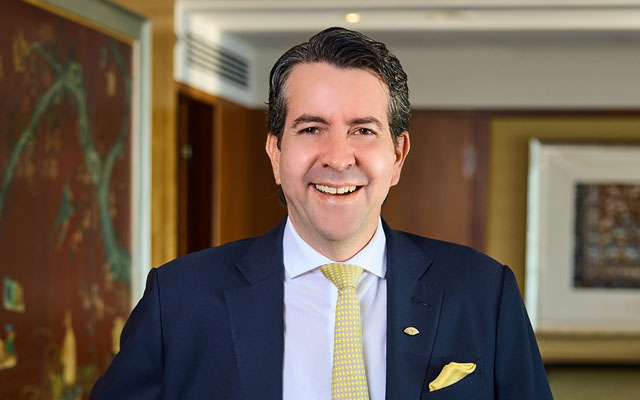
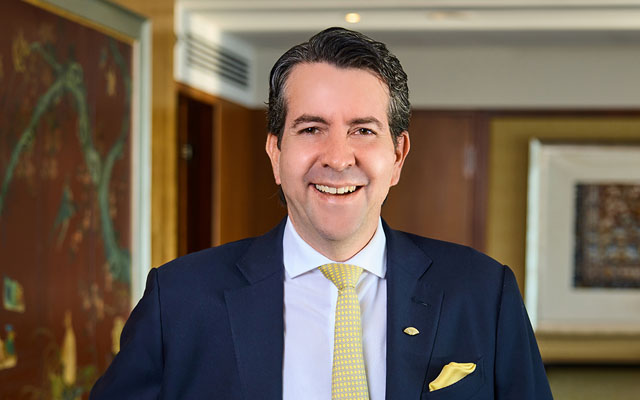
Martin Schnider has been named the new general manager of Mandarin Oriental, Kuala Lumpur.

With over 25 years of experience with Mandarin Oriental Hotel Group encompassing six Mandarin Oriental Hotels, Schnider brings a wealth of knowledge and expertise to his new role.

Prior to his appointment at Mandarin Oriental, Kuala Lumpur, Schnider served as the general manager of Mandarin Oriental, Doha.

Switzerland remains a hit among top performers

0
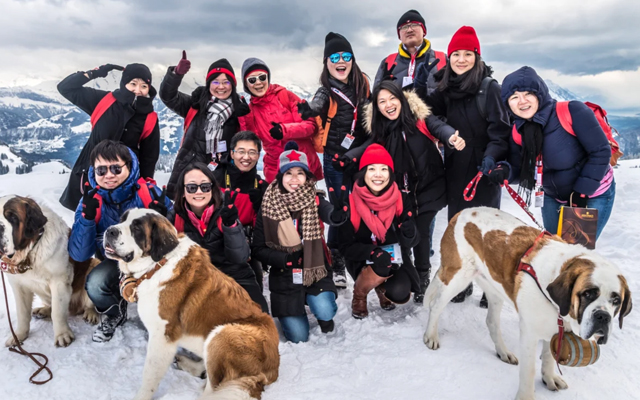
An incentive group with several St. Bernards. Photo: meetings.myswitzerland.com

Asian incentive travel specialists are seeing resilience in demand for Switzerland among their clients, as the destination continues to be regarded as a premium treat.

Speaking to TTGmice at the Switzerland Convention & Incentive Bureau Southeast Asia Workshop last Friday, Theresa Teo, sales manager group sales, Singapore, Miki Travel (HK), said more of her clients are also choosing to tour just Switzerland alone.

An incentive group with several St. Bernards. Photo: meetings.myswitzerland.com

“Most of these groups are small, usually 20 or less. Companies that send their staff to Switzerland need to be prepared to spend around S$6,000 (US$4,438) per pax, including flights for a six-day trip.”

Barbara Sew, senior reservation and groups executive, The Travel Corporation, said Switzerland is one of her company’s top European destinations, and is often reserved for only the top performers.

Clients that choose Switzerland for incentive trips tend now to send smaller groups – mostly top tier performers or decision-makers attending C-suite meetings – but with a fatter budget, observed Patrick Kam, director, MICE Maestro based in Singapore.

“But I have also arranged itineraries to Switzerland for global kick-offs or meetings, where participants fly in from all over the world,” Kam added.

Teo agreed that incentive travel budgets seemed to be bigger, with companies being more willing to splurge on performance rewards.

New Zealand marks September for inaugural Business Events Week

0

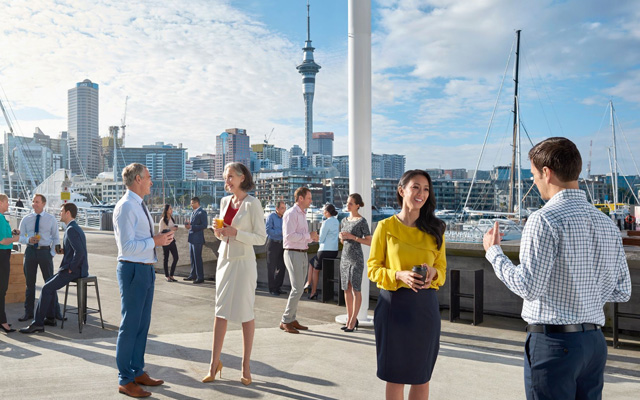
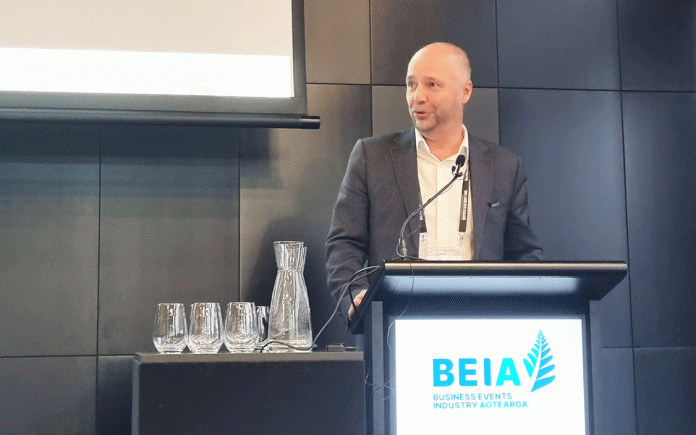
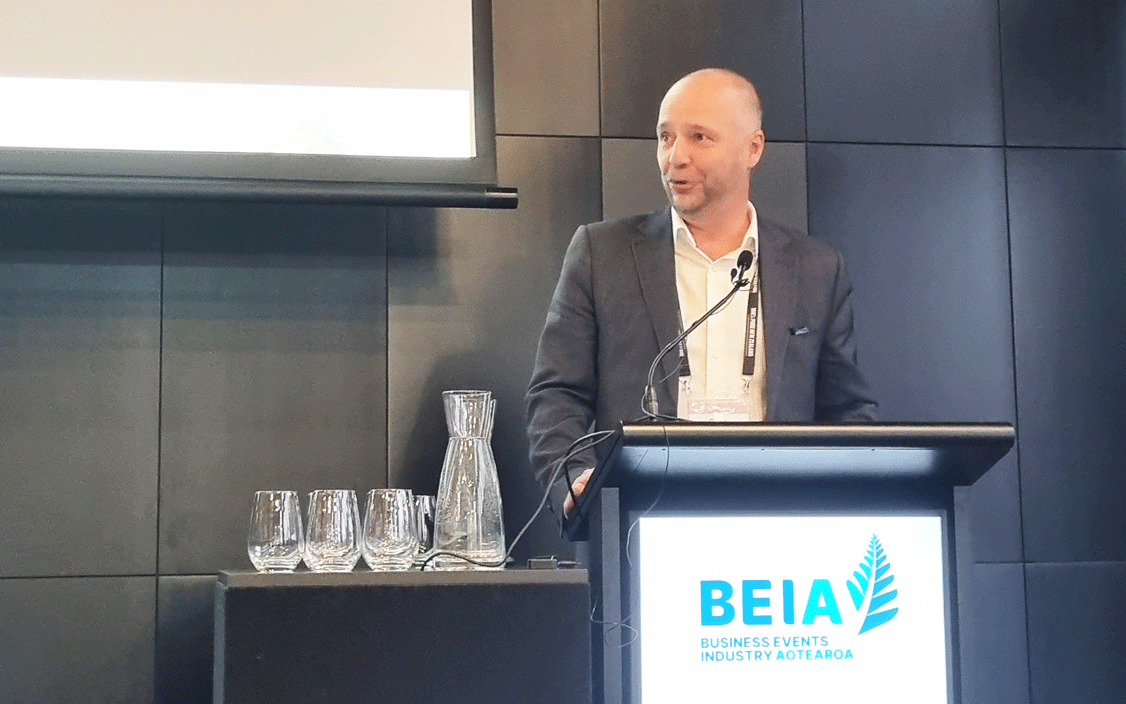
Peak industry body Business Events Industry Aotearoa (BEIA) will lead the creation of the country’s first Business Events Week, with full support from Tourism New Zealand, this September.

The week-long forum from September 18 to 22 will start with the BEIA Annual Conference in Marlborough, before moving on to Wellington for a policy forum, and Auckland for the Tourism New Zealand Business Events National Awards, and workshop events.

New Zealand will hold its inaugural Business Events Week come September

International speakers, local experts and sector leaders will join with members of the wider business events industry to present, discuss, and plan strategies for growth and ensure there is a greater understanding of the role business events can play in New Zealand in the future.

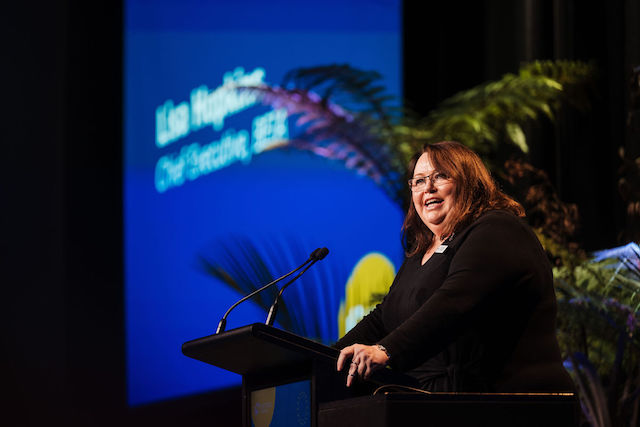
BEIA chief executive, Lisa Hopkins told TTGmice that the Business Events Week is in line with her organisation’s commitment to be “future focused” now that travel and face-to-face events are back on track and days of crisis management are over.

She noted that New Zealand’s business events community is feeling “buoyant” about the days ahead.

Pre-Covid, the business events industry was worth NZ$1.5 billion (US$931,012) to New Zealand’s economy, supporting 8,200 jobs. As the industry recovers strongly, Tourism New Zealand’s business events team has set loftier targets for financial year 2024.

Addressing the media at MEETINGS 2023, Rene de Monchy, chief executive of Tourism New Zealand, shared that his team aims to make at least 90 brand new bids in the new financial year, with a greater focus on association meetings originating from South-east Asia.

Hopkins said the Business Events Week will provide the business events community “a huge opportunity to exchange experiences and share the latest global thinking with the industry, developing ideas that can help set our destination apart”.

Tourism New Zealand’s general manager NZ & business events, Bjoern Spreitzer, added: “Business events are an important part of how we deliver on our strategy to encourage high-quality visitors to Aotearoa New Zealand. Business events deliver knowledge, business and economic benefits and positive social legacies. Business Events Week will be a great opportunity to recognise the sector’s successes and build on them for future sustainable growth.”

Tourism New Zealand sets higher targets for conference bids

0

Emboldened by New Zealand’s expanded infrastructure for large-scale meetings, growing destination awareness among planners around the world, as well as a stunning bid performance in FY2023, Tourism New Zealand has set itself a higher target of 90 fresh international conference bids worth NZ$135 million (US$83.9 million) for the new financial year.

In FY2023, the bureau enjoyed a victory of 84 successful bids that are worth NZ$120 million for New Zealand. The outcomes surpass targets of 70 bids worth NZ$105 million.

De Monchy is confident of New Zealand’s ability to secure more meetings in FY2024 (Photo credit: Karen Yue)

According to international bids manager Leonie Ashford, 30 to 40 per cent of these FY2023 bids are for Australia-originated meetings and will be delivered “soon” ­– within the next 12 to 18 months. The rest, along with earlier successful bids made throughout recent years, including during border closures, will be delivered up till 2028.

Tourism New Zealand chief executive, René de Monchy noted that with the global business events industry in full recovery mode, opportunities to attract quality events to the country are abundant.

He said business events form a “really important part of our FY2024 activities”, as they deliver high-quality visitors across the country and seasons, spend approximately twice as much as leisure travellers, and stay on for a longer period of time.

“Business events attract international experts in their field; the knowledge exchange through the knowledge they bring into New Zealand and the export of our knowledge through events is immense,” de Monchy added.

He acknowledged business events’ ability to “contribute to our country in many ways, both tangible and intangible”, such as by improving social and living conditions, helping secure investments, encouraging innovation, creating jobs, strengthening important economic pillars, and more.

When asked how Tourism New Zealand determined its bid target, de Monchy explained that factors including time and financial commitments were considered.

Tourism New Zealand will be keeping an eye out for Australia-originated meetings, which are traditionally an important segment of inbound meetings to the country, as well as those coming from associations based in Asia-Pacific.

Despite intense competition from other destinations, both de Monchy and Ashford are confident of meeting their targets, as New Zealand is recognised now as a “real option” for meetings.

“Many of the associations we are connecting with are now seeing us for the second time in their bidding process, and they are gaining faith in us, knowing that we are serious. We may not have been successful the first round, but we are finding that we are successful the second time,” Ashford told TTGmice.

She clarified that the 90-bid target will not include repeat attempts, indicating a much broader scope of bidding work undertaken by Tourism New Zealand.

Tourism New Zealand will tap into its Conference Assistance Program to support its bid attempts while working closely with its two new purpose-built convention centres in Christchurch and Wellington as well as the soon-to-come New Zealand International Convention Centre in Auckland (opening 2025), plus various other partners.

“Now with three new world-class pieces of infrastructure under our belt, I certainly hope we will surpass our targets more than we did for FY2023,” remarked de Monchy.

Next stop: the future

0

You took leadership of BEIA (CINZ back then) during a very unusual period, and it saw you and your team focused on connecting with partners to support each other and to plan for recovery. Now that the pandemic is seen as being over and business activities are back, do you see your leadership and BEIA’s areas of focus shifting?
I think we’ve gone from crisis management to future focus – from problem-solving to looking forward to how we can contribute to New Zealand’s growth.

It is very clear to me that we do that by talking about the incredible infrastructure that New Zealand now has and will have in the near future. We need to make sure that events like MEETINGS are well-subscribed to, so that we can maintain all our great existing relationships as well as make new connections.

We also need to talk about the real value that our industry brings to New Zealand and its people. This is very important. If you look across all of the people and organisations related to tourism and hospitality here, we are all saying the same thing: How do we as a collective contribute to making New Zealand the greatest country on the planet?

It is a lofty ambition, but you need to aspire, don’t you? And I believe this is achievable. We have some pretty awesome things here, including some rather cool convention centres. (Editor’s note: Te Pae Christchurch Convention Centre opened in December 2021; Tākina Wellington Convention and Exhibition Centre opened in May 2023; New Zealand International Convention Centre in Auckland is expected to open in 2025)

We have recently seen some very happy announcements of New Zealand scoring major business events. What is the mood on the ground among New Zealand’s business events community?
It is buoyant. The industry is really starting to see that the world now recognises New Zealand as an important and viable destination for meetings.

We talk about business events as a catalyst for good, and our convention centres are a catalyst for business events to deliver on that. By bringing these events to New Zealand, we get an opportunity to drive home that message of being able to provide better for communities and societies.

How did meeting planners view New Zealand before?
Before Covid, New Zealand was seen as a small country that took a long time to get to, and our event offerings were restricted. People had a lot of choice. And I am speaking as someone who used to sit in Singapore and had conversations with clients looking at New Zealand. (Editor’s note: Hopkins held leadership roles in BCD Meetings & Events Asia Pacific for more than eight years, and this was preceded by her time at Grass Roots Asia Pacific also in Singapore)

Now, sitting in this role and seeing things from a different perspective, I understand that the infrastructure that New Zealand has and its ability to open a convention centre in 2021 are all nothing sort of miraculous.

People around the world have told me how much they admired the way New Zealand handled the pandemic, and also admitted that New Zealand was not as far as they thought it was. The latter to me was a really good thing!

I was talking to our Singaporean guests at MEETINGS that Singaporeans often travel seven hours to Japan (among the top outbound destinations of Singaporean holidaymakers). New Zealand is just two more hours away! It really isn’t that far, plus we’ve got a fabulous airline (Air New Zealand). You get the Kiwi treatment the moment to step onboard. You get greeted with “kia ora”, and the service is very warm, laidback and just really friendly all around.

From TTG Asia Media’s perspective, we saw that Tourism New Zealand kept its communication lines very open and active with our meeting planner audience throughout Covid. Do you think that has helped to stir stronger interest in New Zealand now?
The pandemic was one day going to finish, and we knew that. Therefore, while it was difficult for New Zealanders to understand why New Zealand was still promoting itself during the pandemic, we knew people were going to be faced with a lot of choices once travel was possible again. We needed to make sure New Zealand maintained a top-of-mind presence once normality returned.

Manpower is a challenge in some major MICE cities as they pick up the pieces after Covid-19. Is this an issue in New Zealand?
It certainly has been. As an industry, we are doing quite a bit of education to promote business events as a career that offers things that people are interested in – it is sustainable in that it believes in helping people and the environment, and it pays well.

So, we are trying to encourage more people to come into our sector.

Business events, though, need a degree of experience – life experience or industry experience, or both. We need to find people who understand how things work and have fantastic, creative ideas for events that will blow attendees away.

All the big business events organisations here offer internship programmes. At BEIA we run a mentorship programme every year. It is a structured programme that is designed to give participants the benefit of mentors’ wisdom and experience. There is no age limit, and the programme is open to anyone that is just starting out in the industry.

Let’s talk about MEETINGS 2023 – this edition is the event’s largest ever, with more than 400 buyers from around the world. Is the event involving more buyers from outside of New Zealand and Australia this time round, compared with past editions?
About 70 per cent of business events in New Zealand are domestic in their origin – these are very rough estimates – but the big events are international. That’s why it is so important for us to get that balance right between domestic and international buyers.

‌We would love to see more international buyers in the future.

Besides MEETINGS 2023, what other activities have BEIA lined up for the rest of the year to help your community expedite the return of international events?
We are going to launch Business Events Week this September. We are doing this in conjunction with our good friends at Tourism New Zealand.

Business Events Week will kick off with the BEIA Annual Conference in Marlborough, before moving on to Wellington for a policy forum, and Auckland for the Tourism New Zealand Business Events National Awards, and workshop events. We are collaborating with Tourism New Zealand on different sessions and workshops. Our objective is to engage with officials, business leaders and academics to talk through the value of the sector, what good it can leave behind, and how more people can be involved in our work – beyond its monetary contributions.

Pre-Covid, our sector was seen as just bringing lots of people travelling around on big buses that belch smoke, and oh great, another conference is in town. Now, we are ready to show that we are very sustainable and very focused on the skills and knowledge that conferences can transfer to the local community.


Mandarin Oriental, Hong Kong welcomes new GM

0

Greg Liddell has been named general manager of Mandarin Oriental, Hong Kong and area vice president, operations.

He will oversee the operations of Mandarin Oriental, Macau and Mandarin Oriental, Tokyo in his new position.

A seasoned hotelier with over 25 years of experience in the luxury hospitality industry, Liddell has held various senior management positions around Asia. He was most recently general manager and area vice president operations of Mandarin Oriental Ritz, Madrid.
Martin Wuethrich helms as GM of Hua Hin Marriott Resort & Spa

0

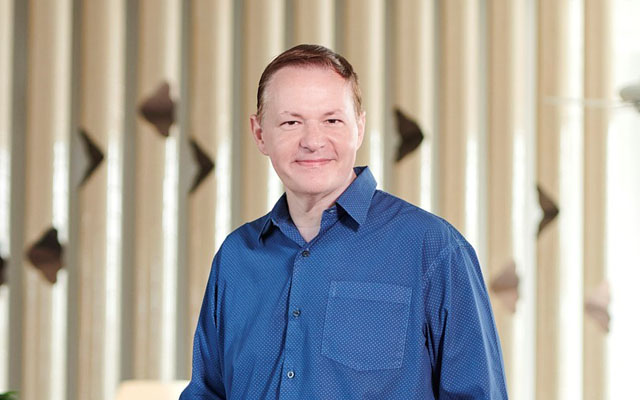
Martin Wuethrich has been appointed as the new general manager of Hua Hin Marriott Resort & Spa.

Bringing with him 30 years of hospitality experience and expertise, the Swiss national was most recently the general manager at Sheraton Imperial Kuala Lumpur.

Outrigger’s Castaway Island, Fiji names new resort manager

0

Paula Vatunicoko has been promoted to resort manager at Outrigger Resorts & Hotels’ Castaway Island, Fiji.

With experience in administration, concierge and front office operations, housekeeping, events and weddings, Vatunicoko returns to Castaway Island, Fiji Resort from his 15-year stint with Lalucala Island Resort.

Wellington’s Tākina spreads business joy to surrounding hotels

0
QT Wellington's The Tamburini Room

Business enquiries on hotel rooms and event spaces have spiked for top Wellington hotels as the city welcomed its first purpose-built convention centre on May 31.

Scott Hamilton, general manager and director of human resources New Zealand Wellington at InterContinental Hotels & Resorts, told TTGmice that Tākina Wellington Convention and Exhibition Centre’s opening is an “exciting” development for the destination.

QT Wellington’s The Tamburini Room

“I’ve been here for 11 years and have been waiting for this (convention centre development) to happen. Having a convention centre is an absolutely brilliant move by the city,” he said, adding that major events going into Tākina are contributing to guestroom bookings, as well as venue take-ups for fringe activities.

Tākina usually “sends out feelers to surrounding hotels” whenever it is bidding for events in order to build accommodation supply for event attendees.

“We will look at contributing 40 to 60 guestrooms, where possible during that time, to be featured for the event that is being brought to the city,” Hamilton shared.

InterContinental Wellington has 236 rooms and boasts the “largest independent conference space apart from the fabulous Tākina”. As it is popular with large tour series groups that flock in nine months a year, the hotel’s ability to commit rooms to business events taking place in Tākina will likely fluctuate through the year.

“But when we are in the low season, we will definitely put in more rooms for events happening then,” he added.

Naumi Wellington has seen “a lot of interest” from event planners in the lead up to and after the opening of Tākina.

“We have our own conference facility that takes up to 250 people, so conferencing is a big part of what we do. Hence, we rely on big event spaces like Tākina, particularly over the quieter winter period, to bring in business. We get social functions and offshoot meetings from main events happening in Tākina,” said Rachael Findlay, head of sales, New Zealand & Australia, Naumi Hotels.

QT Wellington, which stands just a stone’s throw from Tākina, has benefitted from pre- and post-event functions, as well as breakout events from main meetings at the convention centre.

Chris Greening, the hotel’s general manager, said: “We have three gorgeous function spaces at the hotel, along with unique restaurants. When one of the trial events was held at Tākina in May, the group hosted drinks in our lobby bar. This week for MEETINGS 2023, our venues are being used by a number of evening parties.”

He noted that interest levels in Wellington have been “really high” since Tākina announced its opening date.

“Wellington is all ready to welcome more business events. It has all the right infrastructure in place,” he remarked.

Tākina has so far secured a number of business events, such as the Royal Australian and New Zealand College of Obstetrician and Gynaecologists Annual Scientific Meeting in 2024, and the Congress of the International Association of Sedimentologists in 2026 for 900 and 800 delegates respectively. But it is also designed with locals in mind, pointed out David Perks, general manager of Tākina Commercial Development.

“When the Wellington City Council received the idea of having a convention centre, it was clear about wanting a convention centre that would be accessible to Wellingtonians on a regular basis. So, the ground floor was all about providing good activated space for the public. There are three elements to make this up: the walkway that is open all the time unless (high security is needed when a head of state is onsite); a café that is getting a lot of good use, including on weekends; and the public exhibition space where the Jurassic World by Brickman exhibition is on at the moment,” Perks elaborated.

Tākina’s provision of space for public events has positive impacts on InterContinental Wellington too, with Hamilton noting that the ongoing Jurassic World by Brickman showcase has brought in many guests who have journeyed to town just for the attraction.

Strong rebound in Indian corporate market brings about accommodation challenges

0

Malaysian DMCs handling the Indian market are finding it difficult to secure rooms, as well as hotel ballroom facilities, in five-star hotels for big groups in the nation’s capital, Kuala Lumpur.

Zahira Tahir, founder and CEO, Universal Holidays, noted that the outbound business events travel from India this year was different from previous years, as they were also travelling during this current peak Indian summer season, which is usually when Malaysia receives many Indian families on holiday.

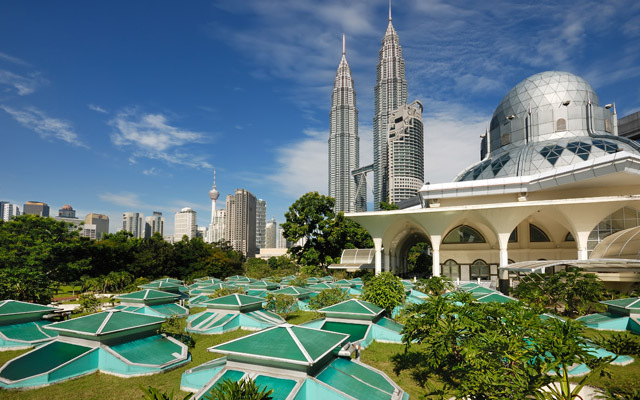
Malaysian DMCs are finding it challenging to secure hotel rooms in Kuala Lumpur (pictured)

Due to the additional number of travellers, she shared that availability of rooms in the lead-in categories in five-star hotels in Kuala Lumpur is a challenge for groups of more than 100. Her company is currently handling Indian corporates from now until October, with group sizes ranging from 100 people to 2,000 people.

As such, she is facing difficulty getting sufficient rooms, and has to split the group across two or more hotels in the city, which results in additional logistic and manpower challenges.

Arokia Das Anthony, executive director, The Essence of Asia Tours and Travel, agreed, stating that breaking groups across hotels makes logistics “complicated”.

Jessica Koh, director/general manager, The Traveller Malaysia, also revealed that she had many business events enquiries from India coming in with only a lead time of a month, which makes it more difficult to get hotel rooms in the city for more than 200 people.

In order not to lose the lead, The Traveller Malaysia provides organisers with options to hold their events in other destinations such as Penang, Desaru Coast and Sabah.

Another major challenge, Koh revealed, was that large groups were unable to confirm travel dates due to limitations in airline seat capacity, where the trickle-down effect would make it difficult to secure rooms and hotel ballrooms.

Arokia also pointed out that there were not many five-star properties in the city that had ballrooms large enough to cater to the requirements of Indian organisers, such as conferences and gala dinners. Usually, Indian organisers would stay three nights in Malaysia, where one day would comprise of a full-day conference and gala dinner.

This is because the inventory of large hotel ballrooms in Kuala Lumpur has fallen compared to pre-pandemic times, and the international business events market also had to compete with a strong domestic market.

“Many ask for half-moon seating, a stage and rear screen projectors. All of these take up space and there are not many hotels in Kuala Lumpur which is able to accommodate these requests,” he stated.

To get around this, he proposes a stay in Kuala Lumpur and Resorts World Genting, as the Genting International Convention Centre has the space to accommodate large groups.

Reviews

The Ritz-Carlton, Bangkok

The newly-opened Ritz-Carlton, Bangkok anchors the One Bangkok development with cosmopolitan elegance. Featuring the city's largest ballroom and a spectacular new penthouse suite, it delivers exceptional hardware and deeply authentic, soulful service for business and leisure travellers alike

Mama Shelter Zurich

Behind the imposing, Brutalist concrete that defines Zurich’s Oerlikon district lies a surprising secret. While its exterior honours the neighbourhood’s industrial roots, stepping inside Mama Shelter reveals a vibrant, neon-soaked world that is a far cry from its rigid shell

Hyatt Regency Kuala Lumpur at KL Midtown

A polished urban retreat designed for business travellers, Hyatt Regency Kuala Lumpur at KL Midtown combines thoughtful design, seamless service, and exceptional facilities.