


- Business events track a steady comeback as Covid-related restrictions for global visitors ease
- Unique venues are ready to welcome global events once more
- South Korea’s MICE cities promise unique sights and experiences ideal for incentive programmes


The removal of many Covid-related restrictions for international visitors in early 2022 has sent events and activities bouncing back into South Korea, noted Kwon Jong Sool, executive director, Korea MICE Bureau.
Playing host to the World Gas Conference 2022 in May, Daegu welcomed 20,000 attendees and 470 companies from over 80 countries. Korea MICE Expo, Korea’s largest MICE industry event, is also slated to return in-person in Incheon from November 9 to 10 this year.
It is prime time for the world’s planner community to remember why South Korea is one of the top destinations for business gatherings – the country boasts world-class event infrastructure, is a safe and sustainable destination, and offers a myriad of unique sights and experiences across various cities.
Organisers in favour of creative event venues are spoilt for choice, from a repurposed old factory to a unique floating convention centre.
Seoul
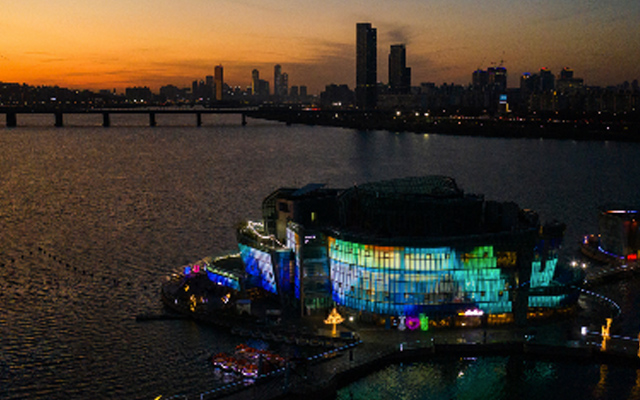
Seoul is home to the Floating Island Convention, minted as a Korea Unique Venue, for planners who want to host unforgettable events in an unusual location that promises impressive views of the famous Hangang River.
Along with convention facilities and a floating media art stage incorporated with a huge LED screen, the cutting-edge design of the venue, which consists of three man-made islands, makes the Floating Island Convention optimal for banquets, conventions, symposiums, product launches and performances.
The second floor main convention hall is equipped with an under-floor lift large enough to hoist a car into the auditorium.
Another worthy Korea Unique Venue option is the National Museum of Korea, which offers a collection of auditorium, conference and lecture halls that planners can utilise.
For a rare peek into the work spaces of politicians, top achievers on an incentive travel reward can tour the South Korean presidential residence, Cheongwadae (Blue House) in Seoul, which is now open to the public.
Incheon
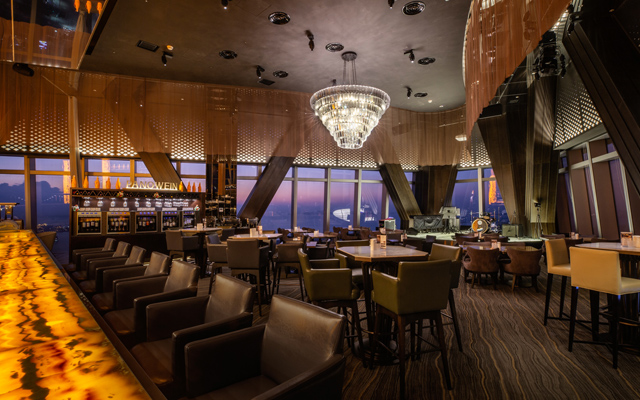
Panoramic 65 at Oakwood Premier Incheon is a Korea Unique Venue that will excite guests. The venue sits 65 storeys up in Incheon city, offering sweeping sea views by day and captivating skyline by night.
The stylish multi-purpose space includes F&B amenities, semi-private rooms, and a hall. It is perfect for cocktail receptions, intimate parties and corporate banquets.
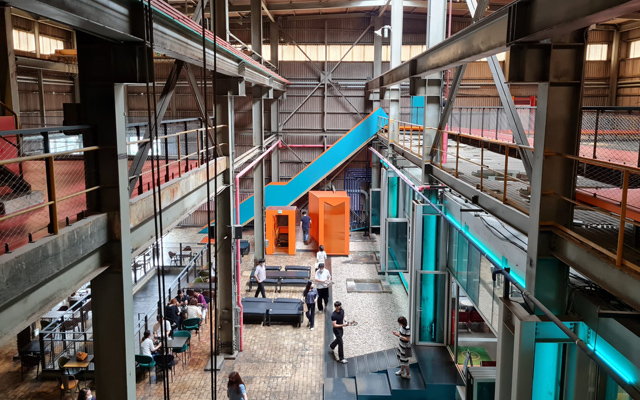
Yet another memorable venue option in Incheon is CoSMo40, a repurposed 40-year-old deserted factory building that is today a compelling space for creative events. The venue’s contemporary architecture blended with industrial chic allows organisers to design a range of events, from art exhibitions to performances.
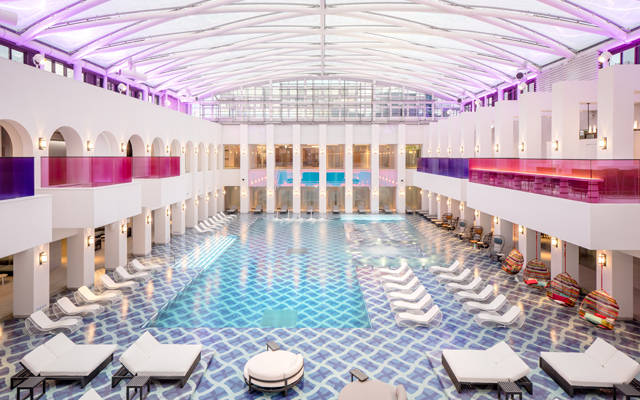
For an all-in-one event destination, Paradise City is an attractive consideration. The integrated art-tainment resort boasts a luxury hotel, high-end spa facility, hip club, theme park, performance hall, shopping venues, convention spaces, art gallery and glitzy casino – all under one roof.
Spanning an area of 13,000m², Cimer is the resort’s premium spa where visitors can have a one-of-a-kind wellness experience that blends European sensibilities with Korea’s unique relaxed jjimjilbang (public bathhouse) culture.
Elsewhere in Incheon, Songdo ConvensiA, host venue of the upcoming Korea MICE Expo, impresses as an eco-friendly international conference facility with state-of-the-art capabilities.
Jeonju
Event organisers who prefer a traditional setting will be delighted by the Royal Room of King, a Korea Unique Venue, in Jeonju. Surrounded by awe-inspiring mountains, the hanok-styled hotel is equipped with a modern convention centre, seminar hall, as well as F&B offerings.
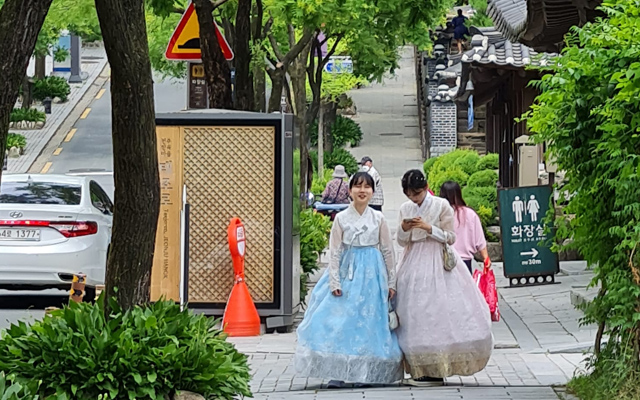
Visitors keen to don the traditional Korean outfit, hanbok, and explore Korean wine-making can drop by Jeonju Hanok Village and Jeonju Korean Traditional Wine Museum respectively.
Yeosu and Suncheon
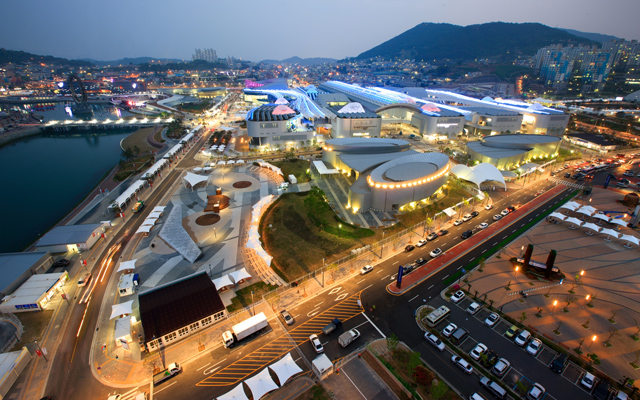
Yeosu Expo Convention Center is a planner’s dream come true, thanks to its accessible and massive spaces that are complemented by hospitality offerings nearby and splendid waterfront views.
Yeosu gained global attention as the host city of the 2012 World Expo, which drew about seven million visitors from around the world. The port city and its numerous islands exude the charms of a scenic coastal retreat, making it a popular incentive travel destination.
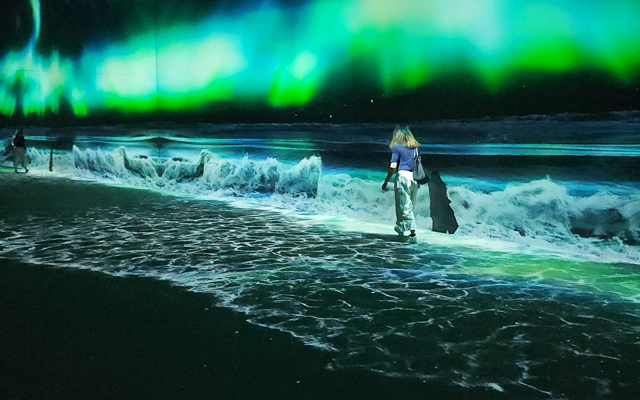
A must-visit here is the Arte Museum Yeosu, which dazzles with mind-blowing immersive digital exhibits, layered with impactful visuals, sensuous sounds, and elegant fragrances.
In close proximity is the Suncheonman Bay Wetland Reserve, one of the preserved estuary ecosystems in South Korea. It is endowed with many species of plants and a natural habitat for over 140 species of birds – another great incentive travel option for top achievers eager to explore nature.
Gwangju
Celebrated as the cultural and artistic hub of South Korea, Gwangju is home to Asia Culture Center and Gwangju Traditional Culture Center.
A confluence of international art and cultural exchange, Asia Cultural Center, another Korea Unique Venue, provides large-scale complex facilities for exhibitions, performances, educational events, as well as an outdoor area for other creative line-ups.
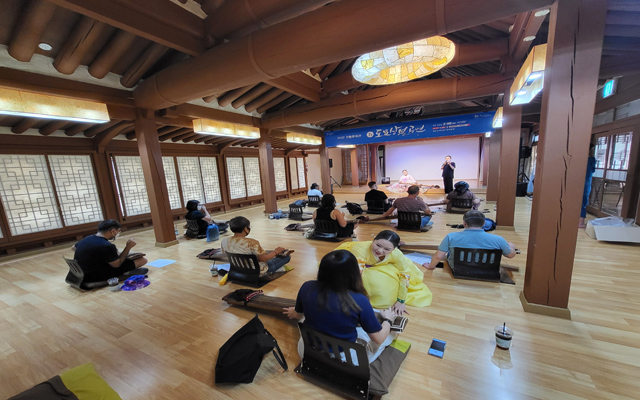
To immerse in Korean culture, corporate groups can visit Gwangju Traditional Culture Center to try their hand at the gayageum, a Korean zither, or learn to sing a folk song.
Ulsan and Daegu
Two new venues opened their doors in Ulsan and Daegu last year.
Ulsan Exhibition and Convention Center (UECO), which offers 43,000m² of flexible spaces for events of all sizes, is recognised as a catalyst for the metropolitan city’s advancement as a MICE hub. It is conveniently located a 10-minute walk from KTX Ulsan Station, from which event delegates can access Seoul in two hours and Busan in 20 minutes by KTX.
Over in Daegu, the recent expansion of EXCO’s (Daegu Exhibition & Convention Center) 2nd Exhibition Hall (East Wing) has elevated the centre to a global-standard facility. It now meets the 30,000m² space requirement to host large-scale international events.
Kwon told TTGmice: “Post-Covid-19, delegates to South Korea can expect to find a dynamic, engaging destination that is safe, secure, sustainable and fully-equipped to host events of any kind.”


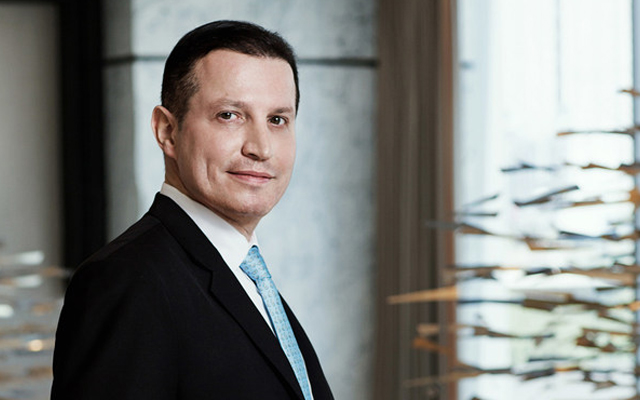
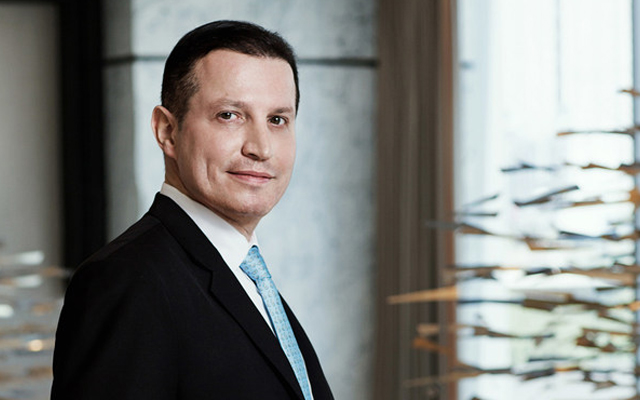 Previously the general manager of Niccolo Chengdu, Ganster hails from Austria and has over 20 years of luxury hospitality experience in Europe, North America, the Middle East, and Asia.




The three-day hotel quarantine order for all overseas arrivals into Hong Kong will officially start on August 12, announced the city authorities this afternoon.
The decision was supposed to have been made on August 5, but was disrupted by a system glitch, said sources.
The current arrival requirement calls for a seven-day hotel quarantine. From this Friday, people entering Hong Kong will only serve three days in a Designated Hotels for Quarantine (DHQ) property, followed by four days of medical surveillance.
Travellers who get an all-clear health report at the end of their DHQ will be given a yellow code on their LeaveHomeSafe app, permitting them to use public transport services and enter certain public facilities such as malls and their work places. However, they will need to continue to provide a daily negative ART/RAT result throughout their four-day medical surveillance, and refrain from entering high-risk establishments such as restaurants, bars and entertainment venues during this period.
A spokesperson of Cathay Pacific welcomed the decision.
“We are asking the government to urgently provide a clear roadmap showing the complete removal of all Covid-related restrictions for aircrew and passengers as soon as it is feasible to protect Hong Kong’s international aviation hub status,” he said.
Other tourism stakeholders are urging the same, saying that Hong Kong’s tourism recovery can only truly begin with quarantine-free arrivals.
Destination China’s general manager and co-founder, Gunther Homerlein, told TTGmice in an interview: “The first question we get from our customers is when quarantine will be removed. When we say we don’t know, it is the end of the conversation. We will not get any return of business until Hong Kong ends the quarantine requirement, like the rest of the world.”