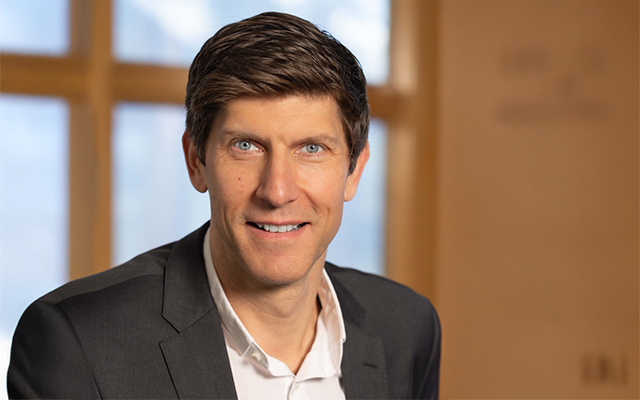
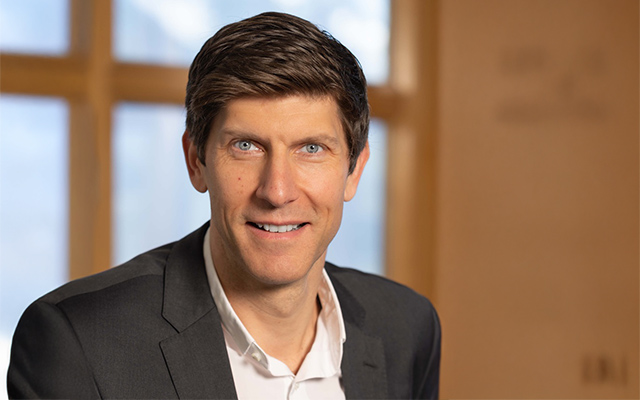
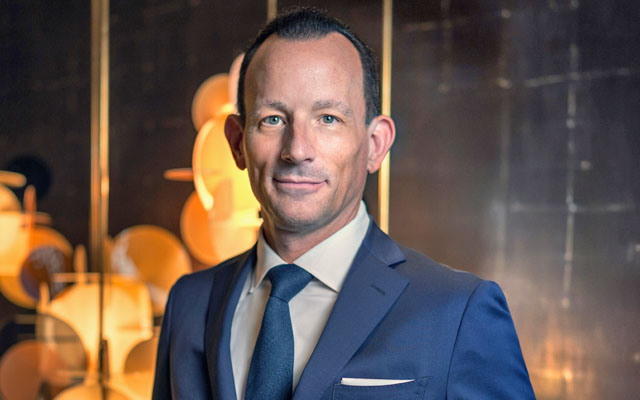
Benoît-Etienne Domenget has been appointed group CEO of Ponant, effective November 3, 2025, succeeding Hervé Gastinel, who is leaving to pursue new professional opportunities.
With 25 years in hospitality, luxury, travel, and tourism, Domenget will focus on driving the Group’s international growth while upholding Ponant’s maritime expertise, hospitality standards, and environmental commitments.
He most recently served as CEO of Sommet Education, leading its international expansion across Glion, Les Roches, École Ducasse, Indian School of Hospitality, and Invictus Education, establishing the group as a global leader in hospitality and luxury management education.
AI is seen as an essential tool among professionals helping drive creativity, content creation, and tracking attendee engagement
The meetings and events industry is entering a new era, powered by record confidence and rapid digital transformation.
Optimism among professionals has reached its highest level in five years, with 85% of respondents saying they are optimistic or very optimistic about the year ahead – a notable jump from 74% last year.
AI is seen as an essential tool among professionals helping drive creativity, content creation, and tracking attendee engagement
At the heart of this shift, artificial intelligence (AI) has moved from an emerging technology to an essential tool for 2026, with 50% of industry professionals now integrating AI throughout event planning and execution, according to the 15th Annual Global Meetings and Events Forecast by American Express Global Business Travel (Amex GBT).
“Unprecedented optimism and technological innovation are converging to redefine how we create meaningful connections,” said Gerardo Tejado, senior vice president professional services at Amex GBT.
“We’re witnessing a transformative moment where AI is not just a tool, but a strategic partner that empowers meetings and events professionals to deliver more engaging, impactful, and intelligent event experiences with measurable impact. The meeting and events industry’s growing confidence – with 85% of professionals feeling optimistic about the future – reflects our collective ability to embrace change and unlock new possibilities.”
AI’s role in shaping the future of events AI is already helping organisations unlock creativity, streamline operations, and elevate attendee experiences. From generating content and themes to tracking engagement and sentiment, the technology can help meetings professionals optimise budgets and deliver measurable impact.
The most anticipated AI use cases for the year include:
Connection: Event communications (35%), AI-powered matchmaking for attendees and sponsors (35%)
ROI < ROE: Measuring what matters Improving attendee experience remains meeting professionals’ top priority for 2026 (33%).
Meeting professionals have long strived to measure return on investment (ROI), which is giving rise to “return on experience” (ROE) as a metric. With much of the value of meetings and events tied to the impact they deliver, understanding ROE more accurately pinpoints how an event delivered against its strategic and creative objectives.
AI is essential for ROE, enabling event monitoring via badge scans and session check-ins, transforming behavioural data into actionable insights. Adoption of AI is trending up with 28% of meeting professionals planning to use it for post-event evaluation in 2026.
Shifting attendee expectations To create truly memorable events, it is crucial to encourage attendees to be active participants rather than spectators, meeting their demand for more engaging, hands-on experiences.
Compared to five years ago, attendees today crave active engagement, with 42% wanting more interactive sessions such as like workshops or demos. This was closely followed by the desire for more social activities and networking opportunities (40%).
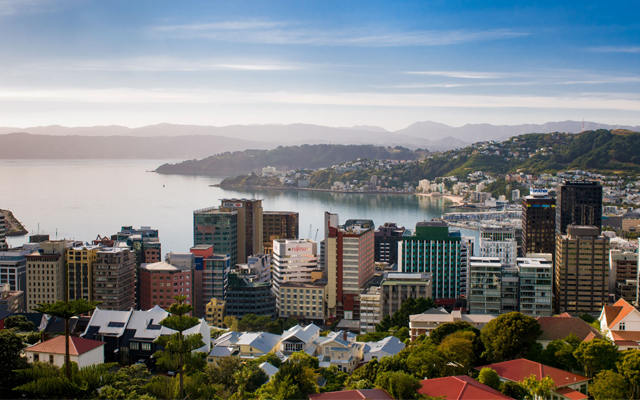
Wellington (pictured) launches fund to turn support local academics in bidding for international conferences
Business Events Wellington, in partnership with Tourism New Zealand, has launched the International Conference Leaders Fund, a new initiative designed to empower local researchers and academics to secure global conferences for the city.
The fund directly tackles a key barrier for many university researchers: limited access to funding needed to engage with international associations and attend major global meetings.
Wellington (pictured) launches fund to turn support local academics in bidding for international conferences
By offering targeted financial support, the initiative enables local experts to raise their international profiles and strengthen the global networks essential for attracting top-tier events to Wellington.
The fund has three strategic goals supporting academics in building their standing within international associations; aligning conference bids with Wellington’s key sectors ( Science, Climate Action and Environment, Technology, and Screen); and boosting the number of successful international conference bids led by Wellington researchers.
Margaret Hyland, deputy vice-chancellor – research, Victoria University of Wellington, stated: “Wellington’s research community has a global mindset and a strong track record of collaboration. This fund will give our academics the tools and confidence to lead international bids, bringing world-class events, and new opportunities to the capital.”
By investing in these future conference leaders, Wellington is cultivating a sustainable pipeline of bid champions, positioning the city as a premier destination for global knowledge exchange and collaboration.
“The strength of Wellington’s conference offering lies in its world-class research community,” says Irette Ferreira, manager of Business Events Wellington. “This fund supports our local experts to lead on the world stage, bringing more international events – and the knowledge, innovation, and economic benefits they deliver – home to Wellington.”
Applications for the fund are now open and will close on November 21, 2025. University-based researchers who are active members of international associations and keen to lead future conference bids are encouraged to apply.
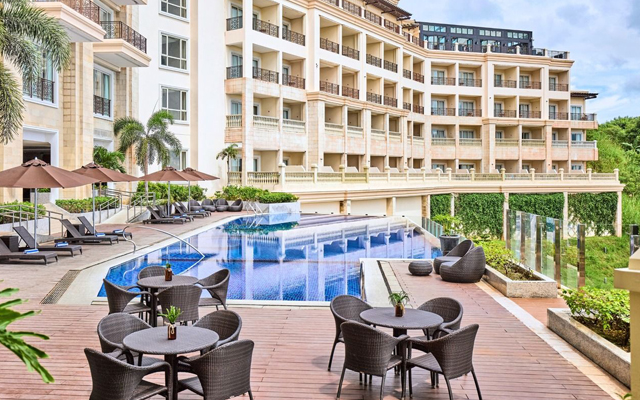
The Twin Lakes Hotel is part of an integrated tourism estate development in Laurel, Batangas
Megaworld Hotels and Resorts has certified all 13 of its properties as 100 per cent Muslim-friendly accommodations, a decisive move to capture the Muslim business events market.
By filling this niche demand, the hotel group aims to diversify its audience and counter the ongoing downturn in Chinese inbound travel.
The Twin Lakes Hotel is part of an integrated tourism estate development in Laurel, Batangas
“With less than a year from the time we declared our properties 100 per cent Muslim-Friendly accommodation establishment, we’ve already seen at least 20 million pesos (about US$354,000) worth of sales from this effort alone,” Megaworld Hotels’ managing director, Cleofe Albiso, shared.
According to Albiso, there is growing demand from Indonesia, Malaysia, the Middle East, and the local Muslim communities.
“By targeting and growing this additional market, we further diversify and populate our MICE venues, positioning them as inclusive destinations ready for global audiences,” Albiso added.
Albiso shared that Megaworld sees “tremendous opportunity” in the global Muslim travel market, citing projections by the Global Muslim Travel Index from Mastercard and CrescentRating that show the sector reaching US$225 billion by 2028. She further stressed that since the Philippines is still emerging in this space, it is “ripe for growth”.
The Philippines’ largest hotel operator currently manages seven brands and 8,500 keys, but its expansion is not limited to accommodations. The group is boosting its business events offerings with the planned late-year completion of the 2,500-pax Mactan Expo Centre in Cebu.
Additionally, Megaworld recently opened Marhaba Cove, a Muslim-friendly beach area, next to The Tent convention venue in Boracay Newcoast. Future plans also include developing new event venues within its township in the Manila Bay Area.
The Twin Lakes Hotel in Batangas, which sees heavy event traffic, has also implemented specialised training for staff on Muslim customs. Muslim delegates can now enjoy Halal-friendly dining via a separate menu and use a dedicated non-alcoholic corner, ensuring maximum cultural sensitivity.
Meanwhile, at Savoy Hotel Manila, its Soulful Stay Package caters to Muslim delegates with culturally sensitive room amenities. These features include Qibla direction, ablution facilities, clean water, Islamic/Arabic television channels, and a Muslim-friendly menu.
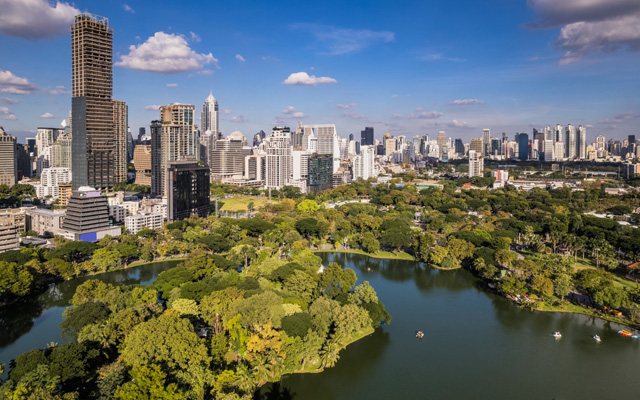
Latin America is a new market for Thailand; Lumpini Park in Bangkok pictured
A group of seasoned travel professionals in Thailand have come together to form a new DMC that specialises in handling groups from Latin American markets – a source market that its CEO Jerri Povibool regards as being “fresh” and ideal for the Kingdom’s market diversification.
Exotic Travel Advisory is less than a year old, and had started off with inbound leisure groups. The move into the business events space started when Jerri landed a contract recently to bring 250 delegates to Phuket next year for a meeting.
Latin America is a new market for Thailand; Lumpini Park in Bangkok pictured
Jerri brings a wealth of hospitality experience acquired from her stations in the Middle East, Hong Kong and Vietnam, and is supported by colleagues who have over 30 years of experience in travel.
“Thailand is a mature destination, which means many travellers from various source markets are familiar with it, and know how to arrange itineraries on their own without the help of DMCs and travel agents. However, the Latin American markets have yet to explore Thailand deeply and a language barrier remains. As such, Latin American markets are a good one for us to tap,” Jerri told TTGmice.
She further shared that high-end corporate groups from Mexico and Argentina are drawn to five-star hotels, and quality destination experiences, that will introduce them to local culture.
“Bangkok is a firm favourite and they will ask for time to immerse in culture up north in Chiang Mai and Chiang Rai,” she added.
Canberra has successfully secured four international conferences spanning space science, artificial intelligence, human-computer interaction, and healthcare, this spring.
The influx of global knowledge events in October and November 2025 will draw over 1,200 leading thinkers, innovators, and practitioners from around the world, providing a significant boost to the capital’s visitor economy and research ecosystem.
Mount Stromlo; photo by Visit Canberra
The schedule kicks off this month with the Scientific Detector Workshop, hosted by the ANU Research School of Astronomy and Astrophysics at Mount Stromlo and the ANU Research School of Physics building. Highlights of the programme include a public lecture and stargazing event featuring Nobel Laureate professor Brian Schmidt.
Following this, the city will welcome two major events in digital technology: the International Conference on Affective Computing and Intelligent Interaction (ACII); and the 27th International Conference on Multimodal Interaction (ICMI) 2025.
ACII will deep dive into research on Socially Responsible Affective Computing – the design of systems that can recognise, interpret, and simulate human emotions – and will feature a gala dinner at the National Gallery of Australia. ICMI, meanwhile, will bring together global leaders in artificial intelligence and human interaction research.
In November, the focus shifts to medicine with the International Forum on Quality and Safety in Healthcare. This event will convene health leaders from across the world to focus on innovation in patient safety, specifically exploring inclusive healthcare approaches that connect climate, equity, Indigenous knowledge, and leadership for lasting system-wide impact.
The Canberra Convention Bureau, which played a pivotal role in securing these events, noted that these business events align with the city’s knowledge economy and growth sectors.
Event brief
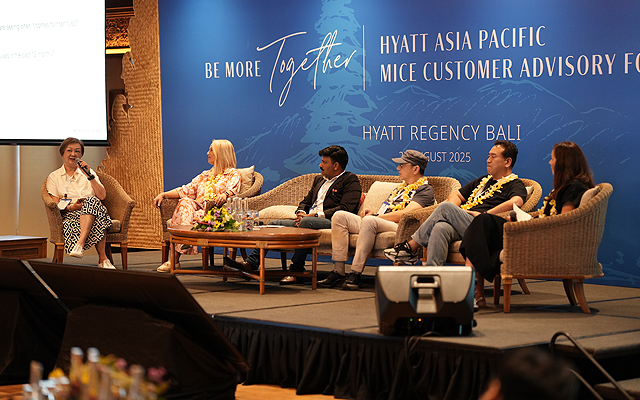
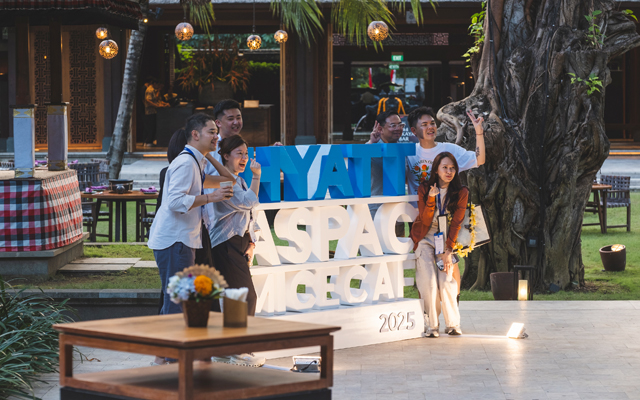
The 2025 Hyatt MICE Customer Advisory Forum is a platform to engage key meetings and events planners in Asia Pacific through collaboration, idea sharing and direct interaction with Hyatt senior executives and hotels.
Designed to spotlight the future of business events in the region, the forum focused on pressing themes such as sustainability, technology-driven solutions – including AI-powered event tools – and the growing importance of well-being. The forum also explored F&B trends with an emphasis on local sourcing and interactive culinary experiences.
A key goal for the forum was to champion the spirit of Together by Hyatt, Hyatt’s event philosophy, which meant ensuring every experience revolved around meaningful connections, personal wellbeing, and cultural immersion.
Event highlights
The 5D4N forum offered a thoughtfully balanced agenda that combined intellectual engagement with experiential activities, designed to demonstrate Hyatt’s innovative approach to business events.
It featured a plenary session, interactive break-out groups, and networking cocktails and dinners, facilitating the exchange of market insights and feedback. Hyatt was able to showcase its latest global business events strategy focusing on innovative, tech-driven and personalised event experiences. It also highlighted its evolved brand architecture, as well as recent hotel openings globally and regionally.
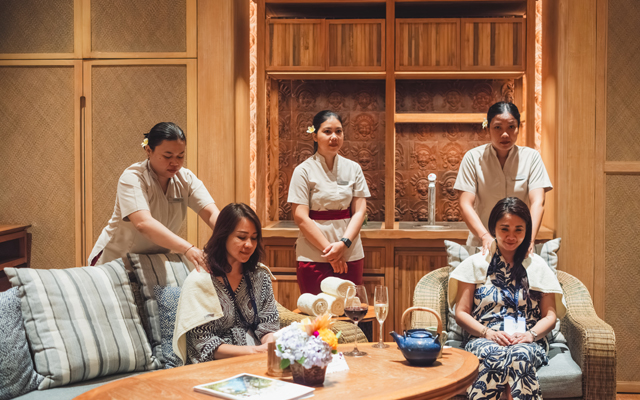
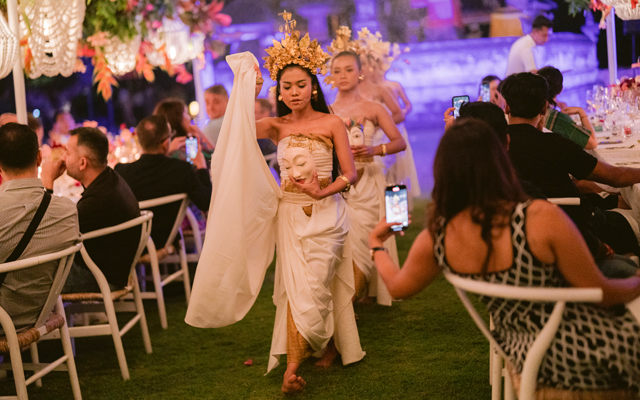
A standout feature of the event was its seamless integration of experiential and well-being-focused programming. Across multiple Hyatt properties, including Grand Hyatt Bali, Hyatt Regency Bali, Andaz Bali and Alila Seminyak, participants embarked on a journey that celebrated Balinese culture while delivering moments of reconnection, purpose, and relaxation.
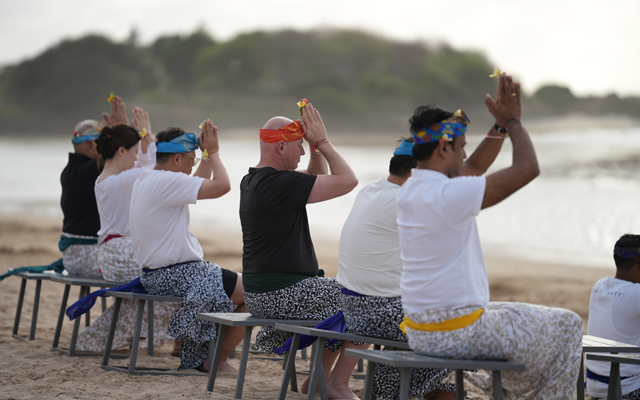
This immersion began from arrival on the first day, as participants were welcomed with sustainable, locally-inspired amenities: a rattan bag, Batik-patterned tumbler, and a Red Cendana Wood fan. Wellness-infused mornings featured activities such as sunrise yoga by the beach, sunrise cycling tours, traditional purification rituals and mat Pilates, creating moments of mindfulness and rejuvenation.
Throughout the forum, Hyatt’s hotel teams shared insights on weaving wellbeing into group meetings and events through innovative and experiential programmes, which was in turn brought to life through every facet of the program.
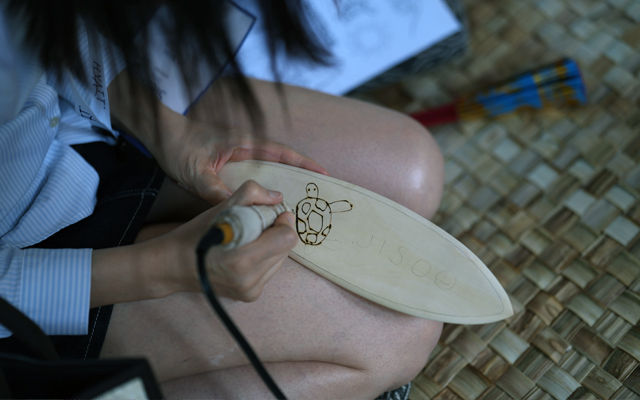
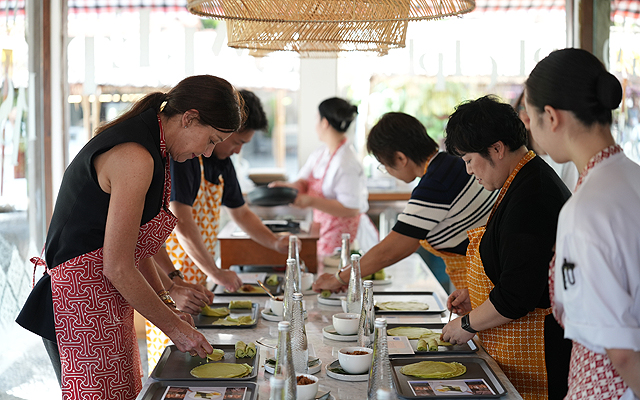
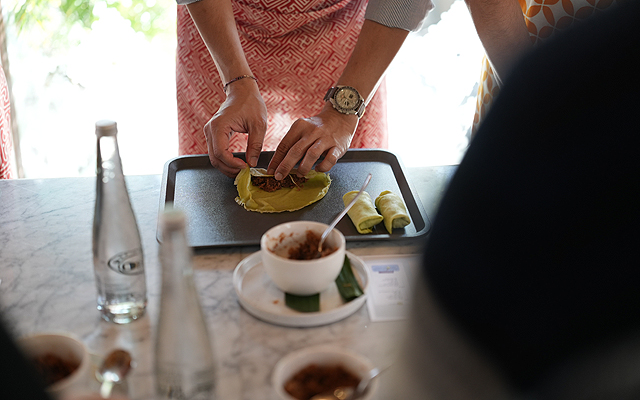
Participants also released sea turtles at Hyatt Regency Bali, enjoyed cocktails at Andaz Bali, and enjoyed a spectacular sunset gala dinner at Alila Seminyak. A Balinese cooking demonstration, wood-burning art, scent perfume making, and a temple experience at Hyatt Regency Bali rounded out the programme.
Hyatt’s culinary offerings further highlighted the experiential nature of the event. Traditional Balinese dishes were prepared using regional techniques and authentic flavours, allowing participants to forge deeper connections with the destination through food.
Challenges
Delivering a seamless and flowing event across multiple venues with complex logistics was a key challenge, particularly given the high expectations of an industry audience. The diversity of the programme demanded meticulous coordination to ensure that each activity flowed smoothly and conveyed the desired combination of purpose and place.
To meet these challenges, hotel teams collaborated closely with regional Hyatt executives to craft a multi-faceted programme enriched with distinctive experiences representative of both Bali’s rich culture and the offerings of each individual hotel.
Ultimately, the forum was a resounding success, with positive participant feedback recognising Hyatt’s commitment to well-being, cultural immersion, and sustainability as key differentiators through the event.
Event 2025 Hyatt MICE Customer Advisory Forum Dates August 25 to 29, 2025 Organiser Hyatt Asia Pacific Venues Alila Seminyak, Andaz Bali, Grand Hyatt Bali and Hyatt Regency Bali Attendance Top 30 global meeting Planners, representatives from 14 Hyatt hotels across ASPAC, and 13 colleagues from Hyatt’s regional hub team
International Convention Centre Sydney (ICC Sydney) has promoted Rachael Tsicalas to the role of senior manager, business development national associations.
Tsicalas now leads ICC Sydney’s dedicated National Associations team, working closely with industry bodies to deliver world class events that drive member engagement, education, research, and societal progress.
She first joined ICC Sydney in March 2023, and has two decades of experience across several Australian hospitality venues, including Luna Park Sydney, the Sydney Opera House, and Aria Catering.
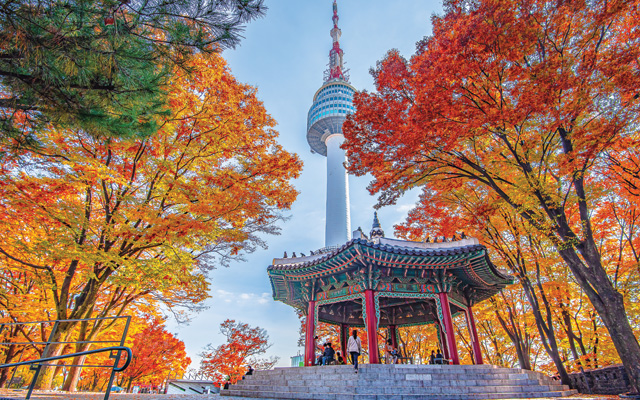
Seoul continues to develop as a global business events hub with government investment and new infrastructure
The business events scene in South Korea is seeing a period of steady growth as the government steps up efforts to attract international meetings, conferences and exhibitions.
With strong government backing, new venues, and targeted strategies for overseas markets, the country continues to sharpen its competitive edge as an attractive destination for events.
Seoul continues to develop as a global business events hub with government investment and new infrastructure
Seoul, Busan and Incheon continue to anchor the country’s business events scene, while newer destinations such as Gyeongju are introducing new programmes to attract more events.
Korea’s MICE proposition is further enhanced by its strong air connectivity, a wealth of cultural and industrial attractions, and a dedicated, market-specific approach led by the overseas offices of the Korea Tourism Organization.
Seoul: leading the pack The country’s capital continues to rise in ranking as an events destination, ranking sixth out of 1,500 and second in Asia-Pacific as an international conference host – its highest ever – in ICCA’s Country & City Rankings 2024. It scored especially high for medical conferences, placing fourth worldwide.
Earlier this year, the Seoul government also announced an investment of 9.5 billion won (US$6.8 million) to further attract medium- to-large scale international conferences and global exhibitions.
The city is also developing dedicated business events zones. For example, the Coex Magok Lewest – comprising a convention centre featuring a 7,352m2 exhibition hall, four-star hotel, and other meetings facilities – was launched in November 2024.
Coex Magok Lewest’s convention hall
This is part of a broader initiative to create three major business events districts, where each will integrate elements of shopping, culture and tourism. The planned clusters include the Magok area in the south-west, a central area covering Seoul Station, Namsan and Gwanghwamun, and a south-eastern stretch from Jamsil to Coex.
Busan: from strength to strength Last year alone, Busan hosted several high profile international conferences such as the 45th Scientific Assembly of the Committee on Space Research (COSPAR 2024), where around 2,700 space scientists from 60 countries came to the city, and WONCA Asia Pacific Regional Conference, which drew around 1,500 participants.
Busan is taking a collaborative approach to grow its appeal as a business events destination, shared Mangil Jo, manager, Busan Tourism Organization.
Through the Busan MICE Alliance – comprising 242 member organisations including hotels, venues, planners, and suppliers – the city has created a strategy that unites local government, the business events industry, and event stakeholders.
This integrated model, the first of its kind among Korea’s regional convention bureaus, has also seen the appointment of Busan MICE Ambassadors – stakeholders figures tasked with promoting the city and supporting its bid activities.
The Busan Convention Bureau, part of the Busan Tourism Organization (BTO), operates a three-tiered support programme for organisers of international events. Conference organisers can receive assistance at the bidding, promotion, and hosting stages, while corporate meetings and incentive programmes are eligible for support during the hosting phase.
With a solid pipeline of international conferences – such as The International Federation of Library Associations and Institutions from August 10-13, 2026, and 48th annual session of UNESCO’s World Heritage Committee – alongside incentive groups, and exhibitions in the months ahead, Busan is expecting continued growth in arrivals.
New infrastructure is also set to come online in years to come, with global accessibility improved due to a new airport scheduled to open in five years, while another large convention centre is also expected to be built by 2032 in western Busan.
Gyeongju: a rising star As host of the upcoming 2025 Asia-Pacific Economic Cooperation Summit in October, the city of Gyeongju has risen to international prominence – and is positioning itself as a competitive hub for global meetings and events.
In preparation for the summit, the city is investing in upgrading its tourism infrastructure, including hotels and meeting facilities.
One in particular is the construction of a new banquet hall designed in traditional Korean architectural style, which will host the welcome dinner and reception for APEC leaders.
After the summit, the venue will serve as a multipurpose space for corporate banquets and other high-profile events, said Deokhyun Jo, executive director, Gyeongju Hwabaek Convention and Visitors Bureau.
He added: “Gyeongju CVB aims to attract more business events by working closely with various stakeholders through the formation of a new MICE governance structure. This will help facilitate collaboration among partners to design a range of attractive incentive packages tailored to event organisers.”
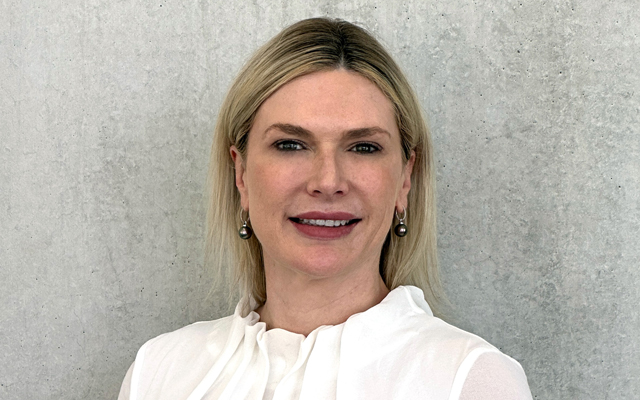
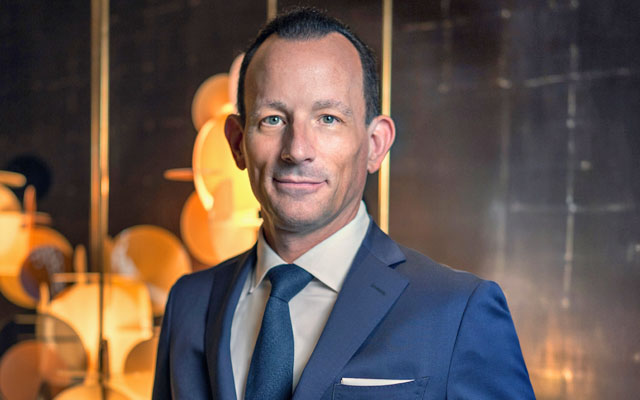
Hilton Singapore Orchard has appointed Michael Janssen as general manager,. He brings over 28 years of international hospitality experience to his new role.
Janssen previously served as general manager of ANA InterContinental Tokyo and held senior roles with InterContinental Hotels Group in Thailand, China and Indonesia. His career includes leadership positions across Asia, the Middle East and Europe.
The newly-opened Ritz-Carlton, Bangkok anchors the One Bangkok development with cosmopolitan elegance. Featuring the city's largest ballroom and a spectacular new penthouse suite, it delivers exceptional hardware and deeply authentic, soulful service for business and leisure travellers alike
Behind the imposing, Brutalist concrete that defines Zurich’s Oerlikon district lies a surprising secret. While its exterior honours the neighbourhood’s industrial roots, stepping inside Mama Shelter reveals a vibrant, neon-soaked world that is a far cry from its rigid shell
A polished urban retreat designed for business travellers, Hyatt Regency Kuala Lumpur at KL Midtown combines thoughtful design, seamless service, and exceptional facilities.



 He most recently served as CEO of Sommet Education, leading its international expansion across Glion, Les Roches, École Ducasse, Indian School of Hospitality, and Invictus Education, establishing the group as a global leader in hospitality and luxury management education.


 Janssen previously served as general manager of ANA InterContinental Tokyo and held senior roles with InterContinental Hotels Group in Thailand, China and Indonesia. His career includes leadership positions across Asia, the Middle East and Europe.