Asia/Singapore Wednesday, 8th April 2026
Page 44

SEABEF drives Indonesia’s MICE targets

0
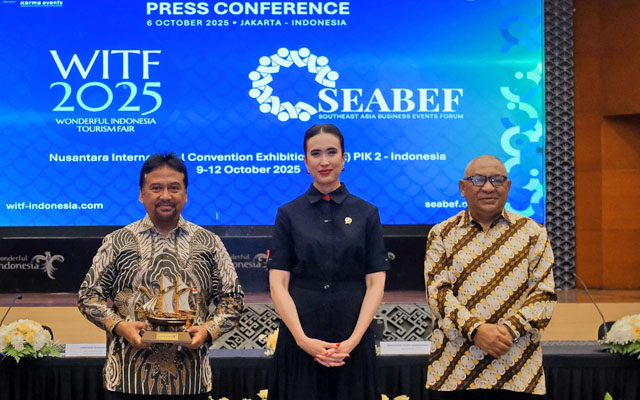
From left: Hariyadi Sukamdani, Widiyanti Putri Wardhana, and Vinsensius Jemadu

Indonesia is stepping up its push to become a stronger player in the regional business events market, with the upcoming Southeast Asia Business Events Forum (SEABEF) 2025 serving as a key platform for this initiative.

Organised by Indonesia Ministry of Tourism (MoT) from October 10 to 11, 2025, at the newly opened Nusantara International Convention Exhibition, in Banten, the forum will gather industry leaders, policymakers and media to discuss the future of business events in South-east Asia.

From left: Indonesian Tourism Industry Association’s Hariyadi Sukamdani; Indonesia’s Minister of Tourism Widiyanti Putri Wardhana, and Vinsensius Jemadu

Widiyanti Putri Wardhana, Indonesia’s minister of tourism, said: “SEABEF 2025 is more than a conference. It is a space to share ideas, build partnerships and present Indonesia’s vision for sustainable business events. We believe this will strengthen our position in the regional economy.”

This year’s forum carries the theme Strengthening Southeast Asia’s Event Industry through Sustainability Practice, Strategic Investment and Collaborative Efforts.

“This forum will explore how sustainability and collaboration can become drivers of growth for South-east Asia’s business events sector. It is about creating value not just for the industry, but for the communities and destinations that host these events,” explained Vinsensius Jemadu, deputy for event management Development at MoT.

Beyond sustainability, “SEABEF is a space to build partnerships and advance shared solutions that will benefit the region”, added Widiyanti.

The Indonesian government is specifically targeting a climb from fourth to at least third place in South-east Asian’s business events rankings, benchmarking against Singapore.

According to Vinsensius, business events and other man-made tourism make up just 10 per cent of the tourism portfolio, dominated by culture (60 per cent) and nature (30 per cent). The goal is to grow the business events segment to 12 to 15 per cent through deliberate investment in high-value events.

The economic potential is significant. In 2025 alone, 134 government supported events generated 11.3 trillion rupiah (US$720 million) in economic benefits. Across some 3,000 events held annually in Indonesia, the sector could be worth between US$10 and US$13 billion, he elaborated.

To turn this ambition into reality, Indonesia is preparing to host the Indonesia Business Event Mart, in partnership with TTG Asia Media, in July next year.

“While SEABEF is a dialogue forum to share ideas, IBEM will be a B2B mart,” Vinsensius said. Together, the two initiatives form a clear roadmap for Indonesia to elevate its business events sector and strengthen its role in the regional business events market.

New Zealand invites event planners to create 100% events

0
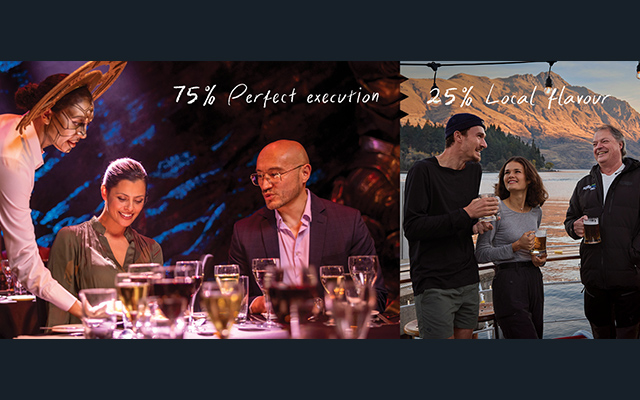
New Zealand launches 100% Pure New Zealand campaign for business events

Tourism New Zealand has rolled out the business events-specific version of its new 100% Pure New Zealand global campaign, inviting event organisers to “find their 100%” in Aotearoa.

The campaign repositions the iconic 100% Pure New Zealand brand to highlight the people, culture, and innovation that make conferences and incentives in New Zealand unique. The goal is to encourage organisers and visitors to create an event that “will 100%” meet their objectives.

New Zealand launches 100% Pure New Zealand campaign for business events

Launched today, the new creative showcases diverse visitors experiencing rich cultural and emotional connections, each embodying their own “unique 100%”.

Tourism New Zealand’s chief executive, René de Monchy, said: “This is our call for people around the world to be totally connected, present, inspired and fulfilled in one of the world’s most breathtaking destinations.”

Penelope Ryan, global manager business events, emphasised that New Zealand offers more than just scenery, adding that the campaign encourages decision-makers to draw on the country’s innovation and thought leadership; authentic engagement with Māori culture; and inspiring experiences, from adventure to nature and culinary scenes.

Ryan stated: “Growth happens when we stretch ourselves. If you want a legendary event, you want it in New Zealand.”

Sentosa steps up with new attractions and exclusive delegate privileges

0
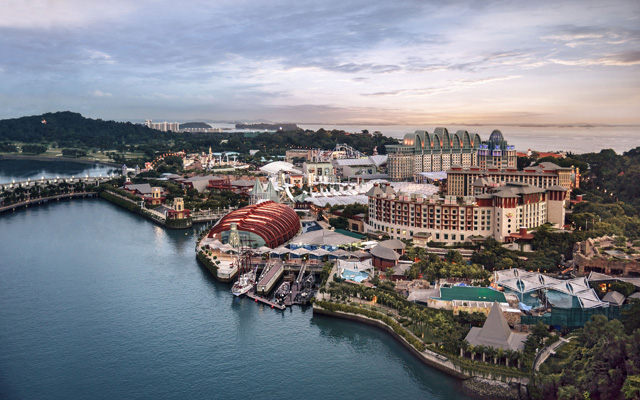
Aerial view of Sentosa Island

Sentosa Development Corporation (SDC) provides a dedicated business events team to elevate participants’ visits into memorable, high-value experiences at the resort island and integrated destination, and reinforce Singapore’s position as Asia’s premier destination.

Addison Goh, divisional director, business and experience development, SDC, said business events delegates in Singapore and Sentosa can enjoy an extensive suite of complimentary perks from world-class attractions and immersive activities to dazzling night shows, outdoor adventures, bespoke dining experiences and exclusive shopping privileges.

Aerial view of Sentosa Island

This is provided via the Singapore Tourism Board’s Singapore MICE Advantage Programme and INSPIRE Global 2.0, combined with Sentosa’s Tourist Discovery Choice Pass, which is available until 31 March 2026.

Goh added SDC’s business events team serves as a one-stop partner for planning, curation, seamless event delivery and can be reached at mice@sentosa.com.sg.

He continued: “The team helps organisers achieve optimal value for accommodation, venues, and activities while benefiting from a refreshed landscape of new and updated experiences.

“This includes new and refreshed attractions such as the Singapore Oceanarium and Weave mall, new accommodations such as Raffles Sentosa and The Laurus, a Luxury Collection Resort, Singapore, as well as the revitalised Tanjong Beach Club, reflecting Sentosa’s ongoing commitment to keeping the island vibrant and appealing for delegates and organisers alike.”

To mark 60 years of India-Singapore diplomatic relations in 2025, Sentosa will offer tailored privileges for Indian corporate groups, including preferential accommodation and meeting rates, bespoke dining, and curated packages designed to deepen cultural connections.

“Looking ahead, Sentosa remains committed to collaborating closely with partners and organisers to continually enrich delegate experiences and support Singapore’s reputation as a welcoming and innovative business events destination,” Goh noted.

Preferred Hotels & Resorts revamps Meeting Planner website

0
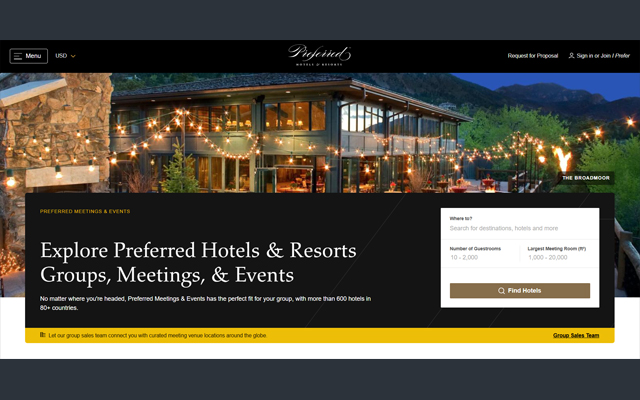
The redesigned site aims to streamline the venue discovery and booking process

Preferred Hotels & Resorts has relaunched its Meeting Planner website, integrating detailed meetings-specific data with general hotel information.

The redesigned site is now fully accessible through the main Preferred Hotels & Resorts website.

The redesigned site aims to streamline the venue discovery and booking process

Event planners can now quickly filter by location and essential meeting criteria. Search results immediately surface key venue details, including meeting room size, event room count, total guestrooms, airport proximity, and ideal group size, allowing planners to confidently submit RFPs.

The platform also integrates sales tax, ancillary fees, and other critical details directly into the venue profiles.

Planned updates for 2026 include expanded search filters for elements like group rates, natural light, buyout availability, and room configurations. A cloud-based resource library is also anticipated, offering instant access to menus, floorplans, virtual tours, and space diagrams.

Amy Butterfield, senior vice president, global sales – group, Preferred Hotels & Resorts, stated that the update was guided by insights from the company’s MICE Advisory Board and reflects a “deep commitment to the meetings and events space”.

The refreshed website also fully integrates the I Prefer Planner Program. This rewards programme allows planners to earn five points for every US$1 in actualised room revenue when booking through the Global Sales Team, with the potential to earn up to 500,000 points per programme. Points can be redeemed for free nights, cash + points stays, or reward certificates that can be applied to room rates, dining, and spa services at participating hotels.

Adaptable by design

0

What are your predictions for corporate travel volume and spending in 4Q2025 and 1Q2026, both globally and for the Asia-Pacific (APAC) region?
By the end of this year, global business travel spending is expected to reach US$1.6 trillion. This represents 6.6 per cent growth on 2024, which, in the context of broad uncertainty and economic risk, is promising. Come 2026, we expect growth to further rebound and reach 8.1 per cent as regions stabilise and adapt.

The APAC region shows some of the strongest signs of growth, according to our latest GBTA forecast. By the end of 2025, business travel spend in APAC is expected to reach US$679 billion, which is a 10.9 per cent increase on 2024. Five of the top 15 markets for spending are in APAC – China, Japan, South Korea, India and Australia – with China ranking second to the US.

What key macroeconomic factors will have the most impact on corporate travel in the foreseeable future?
There are a variety of factors impacting the business travel industry. Among these, US policies and government actions are causing a ripple effect across the global travel landscape.

This includes concerns around traveller mobility and safety, willingness to travel, and the cancellation or relocation of meetings and events as a result. Eighteen percent of global industry respondents to our GBTA poll in June say they have cancelled US-based meetings, and 24 per cent shifted meetings online.

Additionally, industry professionals say their companies are meeting with new suppliers and vendors based outside of the US, with 53 per cent of APAC respondents in our poll saying they are actively doing so. This shows even in the face of uncertainty, the industry is finding ways to adapt – and that in the short-term, potentially even more cross-border, cross-region travel is happening to allow companies to counteract current trade war impacts.

That said, we’ve recently released information about the return on investment (ROI) of business travel – for US and UK.
In our findings, all industries are leaving sales revenue unrealised by not meeting enough in person with customers, prospects and partners.

Even in economic uncertainty, it’s important for organisations to keep their critical employees travelling to not adversely impact their overall business performance.

Are there any specific industry sectors or business functions that you expect to drive the majority of corporate travel in 4Q2025 and 1Q2026? Conversely, are there any sectors where you foresee a decline?
At the global level, business travel spending continues to vary across sectors, and we can expect this to be the case as we enter 2026. Trade-sensitive sectors such as Manufacturing (which accounts for nearly one-third of global business spending) and Wholesale Trade face heightened risks if trade tensions further escalate.

However, service sectors like Arts & Entertainment and Professional Services have exceeded pre-pandemic benchmarks, with some growing travel spend by over 20 per cent.

Looking ahead, Mining and Information and Communication sectors are each expected to post the strongest growth in business travel spend, while Agriculture faces the weakest outlook amid shrinking access to export markets.

How do you see the bleisure trend evolving?
We expect bleisure – or blended trips – to continue to be prominent as a trend. In a GBTA poll, 46 per cent of travel buyers said their employees were extending business trips with a personal element more than they did a year prior.

As bleisure continues to rise, I would expect satisfaction on business trips, and their efficiency, to rise along with it.
Companies that are able to recognise the role that travel – both for work and for leisure – has in enhancing employee satisfaction will stand to gain an edge. Enabling individuals to have more work-life balance by spending time with family, friends and exploring new places can be integrated into business travel policies, and it will be important for companies to adapt.

What opportunities do you see for innovation and growth within the corporate travel industry?
Collaboration has always advanced our industry and enabled us to collectively navigate the change and complexity that arises.

One example for GBTA is our Sustainability Acceleration Challenge, now in its second year. In partnership with Accenture, the Challenge is designed to help companies better understand and innovate in their sustainability programmes while pushing our industry forward on decarbonisation.

Last year, over 240 companies with a combined business travel spend of US$14 billion participated, highlighting the importance of cross-industry collaboration. This goes alongside other initiatives like the GBTA Sustainable Procurement Standards developed by, and for, our industry, which provides organisations with a blueprint to create meaningful change.

What are the biggest challenges facing corporate travel managers and companies in 2026?
First is the challenge of justifying travel spend for what it returns in company revenue and profits. During times of economic uncertainty, companies and their leaders may be tempted to cut corporate travel budgets before realising how it would negatively impact their bottom line over the longer term.

Companies and their travel managers who understand the “why” behind each business trip are the most likely to be able to right-size their travel budgets and trips for the moment, without blindly cutting.

Second, they need to help create a blended ecosystem of travel decision-making and enablement – from the time of trip planning, through booking and payment, and then all the way through to reimbursement of the trip expenses.

Understanding a company’s culture, related policies, system and data reporting requirements, and how travel fits into the overall company architecture of employee tools and services can take a fair amount of time and resources. Keeping a programme up to date and modern can be a major challenge for companies who made programme and system decisions many years ago – and for whom change is difficult.

What advice would you give to corporate travel managers or businesses preparing their travel strategies for 2026?
The year 2025 saw us enter the next era of business travel. For 2026 and beyond, the mantra will be the same: travel smarter and stay ahead.

Travel managers will need to embrace agility and data-driven decision-making as core pillars of their travel strategy. Running smart, efficient operations will continue to be a priority. Building flexible policies that can adapt to changing circumstances while optimising travel spend, enhancing traveller satisfaction, and ensuring duty of care will also be key.

Additionally, understanding traveller preferences and behaviours, and what motivates them, will be needed for effective, efficient business travel. In APAC, if travellers are taking on average six trips per year, what can be done to make sure those are the most productive, purposeful and enjoyable they can be?

The value of business travel is clear, including as a strategic driver of growth. Our research shows the right investment in spending can reap major returns for businesses. And, on average, 86 per cent of business travellers consider their trips to be valuable for reaching their goals.

The most successful programmes in 2026 will be those that balance cost-efficiency with people- and purpose-driven travel – and implement systems which enable that.


A responsible future

0

Event brief
The conference, themed Future Proof, explored the future of anaesthesia, pain, and perioperative medicine – it sparked timely conversations about how the profession can evolve, both environmentally and personally. The meeting attracted 1,946 delegates, including 263 speakers and facilitators, and featured an extensive programme comprising over 115 workshops and 55 scientific sessions.

The Cairns Convention Centre worked in close partnership with ANZCA’s organising committee, led by Andrew Potter, a local Cairns anaesthetist, to deliver a conference that seamlessly integrated scientific excellence with sustainability and regional expertise.

The event was supported by the Queensland Government Partner Funding and Business Events Cairns & Great Barrier Reef Bid Fund.

Event highlights
ANZCA ASM 2025 was distinguished by its scale, innovation, and commitment to sustainability.

The event achieved significant sustainability outcomes by focusing on waste reduction and carbon offsetting. Key results included the elimination of 21,500 disposable cups through the avoidance of single-use items, contributing to an overall 55 per cent waste reduction to an average of 0.84kg per delegate per day.

Furthermore, the event offset 287.62 tonnes of carbon emissions supported by a A$6,324 (US$4,168) donation to Greenfleet, and contributed an additional $A3,900 to various climate-focused charities. Finally, the event demonstrated a commitment to community by redistributing all surplus catering to YouthLink, a local community organisation.

The Centre, in collaboration with Waldron Smith Management and Wallfly, effectively delivered a dynamic schedule of concurrent workshops and plenary sessions, demonstrating its capability to host large-scale academic events with precision and ease.

In addition, the Welcome to Country delivered by Gavin Singleton provided a meaningful connection to First Nation’s culture and aligned with the conference’s sustainability ethos.

Delegates also enjoyed a range of optional activities, including a tour of James Cook University and the Cairns Aquarium to explore turtle conservation and anaesthesia; a cooking demonstration with chef Nick Holloway at the award-winning Nu Nu Restaurant; wellness sessions such as yoga and Pilates on the Centre’s Trinity Terrace with Kynd Studio; and a mountain biking skills tour at Smithfield MTB Park with Ridefundamentals.

Challenges
ANZCA ASM 2025 navigated several operational and strategic complexities with confidence, thanks to collaborative planning and the Centre’s exceptional flexibility.

A primary logistical challenge was the coordination of over 110 workshops in a single day, requiring precise scheduling and spatial adaptability. The Cairns Convention Centre’s modular rooms and responsive staff enabled the seamless execution of the comprehensive programme, as its capacity to reconfigure spaces in real time was critical to maintaining the academic schedule.

Jan Sharrock, ANZCA’s executive director of fellowship affairs, reflected: “The versatility of the Centre’s spaces helped us deliver this seamlessly and with an enhanced delegate experience. The Cairns Convention Centre team was flexible with our requests, understood the delivery needs, and adapted as required. Not something we see, or say, all the time.”

Sustainability was a central pillar of the conference’s planning and delivery. Implementing environmentally responsible practices across catering, logistics, and delegate engagement required a coordinated effort between ANZCA and the Centre’s operational teams.

Potter emphasised the collaboration between the Centre and ANZCA, which extended from the use of reusable cutlery and locally-sourced produce to energy-efficient venue operations and thoughtful delegate experiences.

“The efforts made by Cairns Convention Centre to promote sustainability during the meeting were noted and appreciated by delegates. It reinforced the key messages we wanted to deliver,” he said.

Event Australian and New Zealand College of Anaesthetists Annual Scientific Meeting
Dates May 2 to 6, 2025
Organiser Waldron Smith Management, and Wallfly
Venue Cairns Convention Centre
Attendance Around 2,200 delegates

Amari Bangkok

0
ChomSindh

Rooms
Stepping inside the marble-clad lobby, I found it an immediate contrast to the frenetic city, and was a welcome break from the sweltering Bangkok heat and traffic congestion.

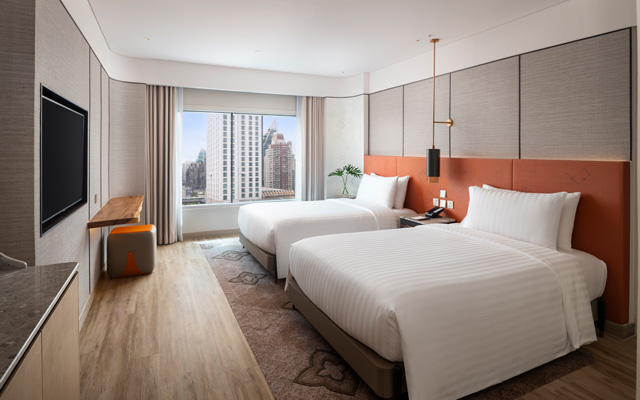
My colleague and I were put up in a 40m2 Club Premier Room on the 17th floor, which had two queen beds and a work space. The beds were firm and comfortable, just how I like them, but I was not too fond of my soft pillows.

Although a pillow menu was offered, my requested neck support pillow was equally soft and did not live up to my expectations so I made do with two pillows.

The bathroom had two sinks, a toilet bowl with a bidet, and a shower space with a rainshower. It was an absolute blessing to have a marble seat located in the shower, where I could sit and shower; given that I sprained my knee prior to this work trip and was hobbling around on crutches. There was also a double-sized, backlit vanity mirror that was heated to reduce it fogging up; I thought that was brilliant.

The room I stayed in were recently renovated in 2021, where the hotel utilised the pandemic to update the hotel’s design and features reflecting contemporary Thai design inspired by the city’s canals.

MICE facilities
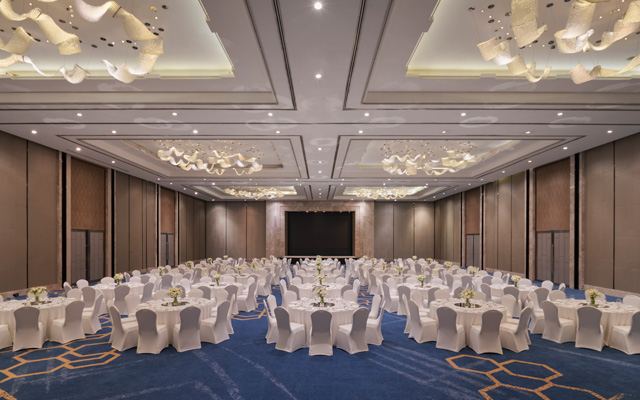
The 34-storey hotel’s primary events space is its 948m2 ballroom, which can be divided into three sections, providing flexible configuration options. There are also 12 additional function rooms, allowing the venue to comfortably accommodate events of up to 1,000 guests. For more scenic occasions, the hotel has outdoor garden and pool spaces, which are well-suited for events hosting up to 300 guests.

The property is currently renovating its third floor to improve service for large corporate groups. This dedicated space – named Amber and Sage – will be used to host such groups during meal-times, preventing them from congesting the main buffet lines and ensuring a smoother dining experience for all guests.

TTGmice understands Amber and Sage will also have its own kitchen, and will be ready by end-2025/early 2026.

Other facilities
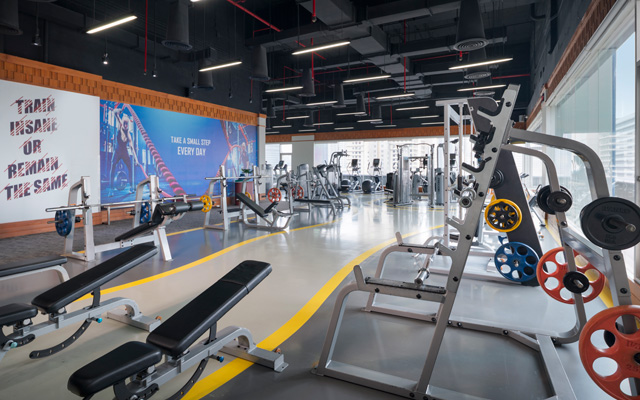
The L-shaped gym on the eighth floor were equipped with numerous machines as well as free weights. My colleagues who used the gym were happy with the range of equipment provided. I also understand that guests can book a squash courts – there are two available – or any of the property’s boxing, aerobics and yoga classes.

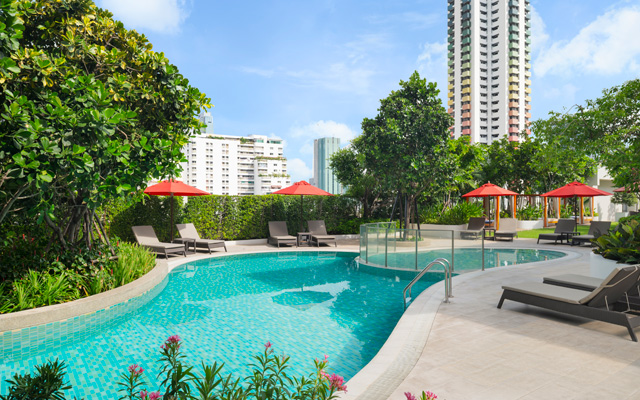
Also located on the eight floor is the Breeze Spa, sauna and steam rooms, as well as a free-form, open-air swimming pool. I unfortunately did not manage to use any of these facilities due to my predicament.

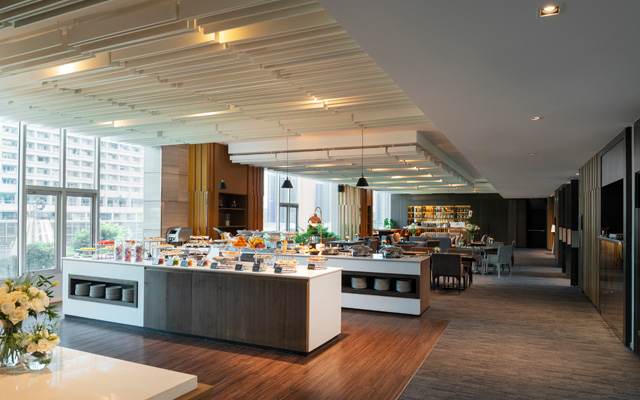
Instead of working in the room, I opted to work from Club Siraa on the ninth floor instead. Benefits here include a snack bar, happy hour, all-day coffee, tea and soft drinks. We were also checked in at this level, which is definitely more private and personalised as compared to the bustling lobby.

As I needed my crutches to get around, I opted to have my breakfast at Club Siraa every morning. It was quiet and peaceful, and perfect to gather my thoughts and ready myself a busy work day. I could also order dishes a la minute, which were served to the table, as opposed to the buffet line at Amaya Food Gallery.

My favourites were the eggs Benedict, chicken soup with rice noodles, and ochazuke (steamed rice served with a pouring of green tea, and topped with salted salmon). I have no complaints about the delicious food, and enjoyed every bite.

I also had the opportunity to try the various hot canapes, salads, and cheeses, served at the Club Lounge during Happy Hour. According to my roommate, the cocktail she enjoyed was very well made. Should a club guest not wish to go out, they could easily eat to their fill here.

I later learnt out that the Club Siraa was moved from the 32nd floor down to the ninth floor during the renovation, as this would put it closer to the central kitchen to ensure that food served was hot.

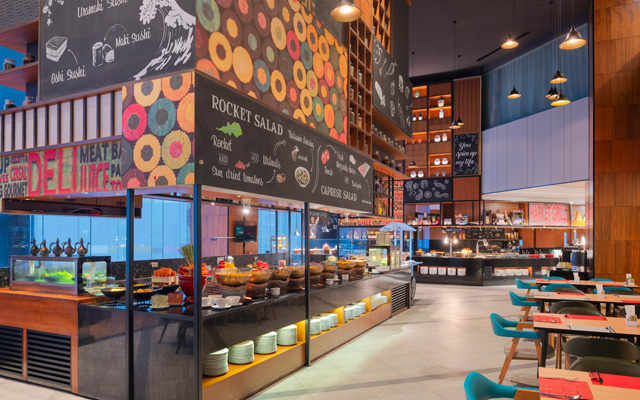
Other F&B options within the building include the all-day diner Amaya Food Gallery, Italian restaurant Prego, and Nila (revamped in 2024), which serves Indian cuisine.

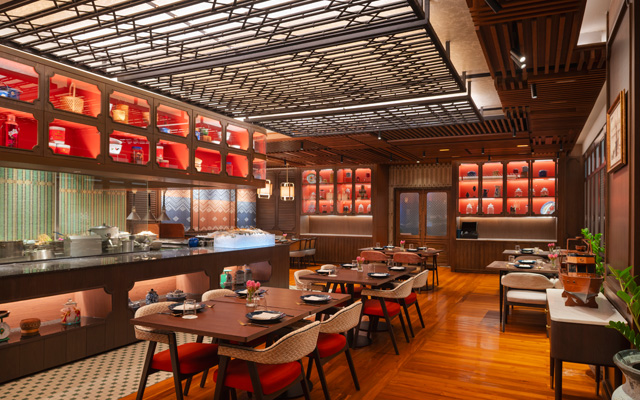
I was also fortunate to dine at ChomSindh (revamped in 2022), the property’s Thai cuisine-focused restaurant on one afternoon. I opted for the Thai Wagyu Picanha and Fried Duck Egg on rice, Green Curry with Shiitake Tofu, and of course, Mango Sticky Rice. All the dishes were delightful, whipped up expertly by the chefs who adhered to my ‘less spicy’ request.

Service
Thai hospitality at its finest. I was greeted, fussed over, and aided every step of the way. Staff also helped me in and out of vehicles, and pushed me up the ramp in a wheelchair when they saw I had trouble walking. Club staff lounge who saw me daily also asked about my leg daily and if it was getting better.

Verdict
Few large hotels can master personalised attention, the Amari Bangkok does just that.

Number of rooms
564

Contact details
amari.com/bangkok

Globus names head of marketing for Asia-Pacific

0

Globus family of brands (GFOB) has appointed Johanna Raeder as head of marketing for its Asia-Pacific offices.

Raeder brings more than 15 years of experience in the travel industry, having led growth-focused marketing strategies across airlines, cruises, hotels, and destinations. She most recently served as marketing director at Voyages Indigenous Tourism Australia and previously held senior roles at Norwegian Cruise Line Holdings and LATAM Airlines Group.

Based in the Sydney office, Raeder will oversee marketing strategy and the full trade and consumer marketing mix for GFOB across the Asia-Pacific region.
Raffles and Fairmont Makati appoints new hotel manager

0

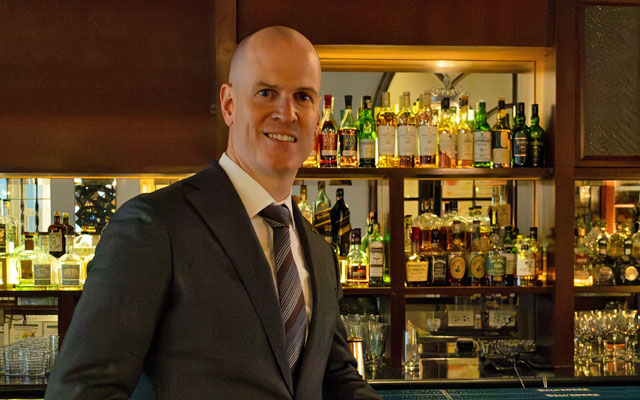
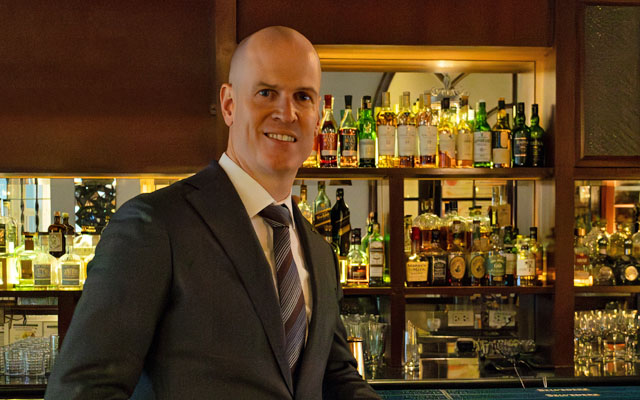
Raffles and Fairmont Makati has named Fergus Mac Devitt as its new hotel manager.

Mac Devitt brings over 20 years of luxury hospitality experience across Europe and Asia, including senior roles at Swissôtel and Fairmont properties in Germany, China, Japan, and Singapore. He previously served as hotel manager at Fairmont St Andrews in Scotland.

Having spent most of his career with Accor, the parent company of Fairmont and Raffles, Mac Devitt will now lead operations in Makati, focusing on delivering high-quality guest experiences.

QSNCC hits zero food waste goal

0
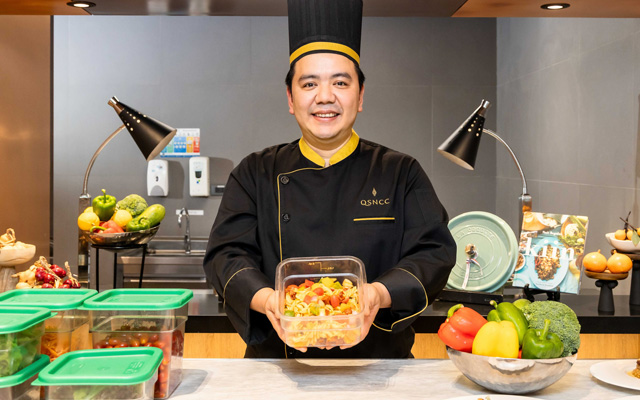
QSNCC repurposed 100 per cent of food waste in 2024

Bangkok’s Queen Sirikit National Convention Center (QSNCC) has reached a major milestone in its sustainability journey.

Through its Waste Not, Delight More programme, launched in 2023, the venue achieved zero food waste in 2024 by repurposing 100 per cent of surplus.

QSNCC repurposed 100 per cent of food waste in 2024

Of the total collected, 63.4 per cent was composted into organic matter for animal feed and fertiliser, cutting farmers’ costs and supporting income from produce such as eggs and vegetables. A further 19 per cent was sent to fish farms, 9.6 per cent to animal farms, and 8.1 per cent to biofuel production for aircraft. These measures eliminated landfill disposal and reduced greenhouse gas emissions by 13,554kg of CO₂e – equivalent to planting 1,506 trees.

Additionally, through pre-ordering technology and carefully designed menus that maximise the use of local ingredients, QSNCC has significantly reduced surplus.

Surapol Utintu, CEO of QSNCC, said: “These global sustainability awards not only elevate QSNCC’s reputation worldwide, but also affirm our dedication and creativity in achieving zero food waste, while delivering sustainable, delightful F&B experiences. These recognitions inspire us to continue advancing toward our ultimate goal of Net Zero.”

The centre has also introduced broader measures, including energy efficiency upgrades, local sourcing, and systematic waste segregation.

In June 2025, QSNCC became the first Thai convention centre to debut a Real-Time Carbon Footprint Tracking Dashboard for business events, piloted at the Asia Sustainable Energy Week, and International Engineering Expo in July.

The venue’s commitment has attracted a steady pipeline of sustainability-focused events. In 2025 alone, QSNCC will host the Mae Fah Luang Foundation Sustainability Forum, Sustainability Expo, Thailand Smart City Expo, and International Conference on Biodiversity.

Reviews

The Ritz-Carlton, Bangkok

The newly-opened Ritz-Carlton, Bangkok anchors the One Bangkok development with cosmopolitan elegance. Featuring the city's largest ballroom and a spectacular new penthouse suite, it delivers exceptional hardware and deeply authentic, soulful service for business and leisure travellers alike

Mama Shelter Zurich

Behind the imposing, Brutalist concrete that defines Zurich’s Oerlikon district lies a surprising secret. While its exterior honours the neighbourhood’s industrial roots, stepping inside Mama Shelter reveals a vibrant, neon-soaked world that is a far cry from its rigid shell

Hyatt Regency Kuala Lumpur at KL Midtown

A polished urban retreat designed for business travellers, Hyatt Regency Kuala Lumpur at KL Midtown combines thoughtful design, seamless service, and exceptional facilities.