The air show is an expression of the progress we are making on ‘Thailand 4.0’, which includes the development of an aviation hub in the Eastern Economic Corridor (EEC).
Thai prime minister general Prayut Chan-ocha has greenlit the proposal from the Eastern Economic Corridor Office of Thailand (EECO) to organise the Thailand International Air Show at U-Tapao International Airport in 2027.
The proposal for an air show of this scale is the first of its kind initiated by the Thailand Convention and Exhibition Bureau (TCEB). The recommendations were based on a series of feasibility studies and consultations conducted by TCEB since 2018.
The air show is an expression of the progress Thailand is making on Thailand 4.0, which includes the development of an aviation hub in the Eastern Economic Corridor
The Thailand International Air Show has been scheduled for 2027, 2029, and 2031, and will include a conference, an indoor exhibition, static and aerial displays of aircraft, and receptions.
EECO will be the official organiser of the show, and is supported by TCEB and the Royal Navy of Thailand in the working committee. TCEB will be responsible for marketing and public relations, both domestically and overseas, to raise awareness and attract potential exhibitors.
TCEB will also plan a series of activities from 2023 through to the opening date of the show. In the announcement stage from 2023–2025, TCEB’s Road to Air Show project will familiarise domestic entrepreneurs and businesses to the concept of the air show and how they can benefit from it. During this period, TCEB will also organise the Aviation & LOG IN Week, a roadshow to the Eastern Economic Corridor (EEC) where meetings, exhibitions, and mega events in related sectors will be held in the same location around the same time.
The soft launch of the air show will take place in 2025 in the form of press conferences, academic conferences, and participation in aviation-related tradeshows worldwide before the full show starts in 2027.
It is expected that the planned full shows slated for 2027, 2029 and 2031, when combined with the soft launch to be held twice in 2023 and 2025, is expected to attract some 75,000 participants, contribute 4,777 million (US$142 million) baht to the GDP, create 18,760 jobs, and generate 1,788 million baht in tax revenue.
TCEB’s president, Chiruit Isarangkun Na Ayuthaya, said that the approval is a testament to the potential for business events to drive Thailand’s economic transformation.
This comes as the EEC is set to be Thailand’s new centre for industrial investment, and with U-Tapao airport’s upgrade to become Bangkok’s third international airport, the air show will be a catalyst for the growth of Thailand’s civil and commercial aviation industry.
“As Thailand recovers from the impact of Covid-19, we believe that large-scale, high-profile, international events such as the air show will not only give our economy a boost but also give our manufacturers and service providers a very targeted platform to showcase their specialised capabilities.
“We know there are extraordinary business opportunities to be found in our aviation, aerospace, and logistics sectors under Thailand 4.0 and the Thailand International Air Show will be a key event for investors from around the world,” Chiruit added.
GBTA hopes the Council will help Guide a Greener Future for Global Business Travel
The Global Business Travel Association (GBTA) has revealed the 16 sustainability executives from across the global travel industry who will serve on GBTA’s Sustainability Leadership Council.
The Council will advise on GBTA’s overall Sustainability Program in its mission to demonstrate the significant contribution that the business travel sector can make on climate action and corporate responsibility.
GBTA hopes the Council will help guide a greener future for global business travel
In November 2021, GBTA embarked on its “sustainability journey” to address one of the biggest challenges the business travel sector – and society – are facing today. Since then, 16 travel industry companies stepped forward as Founding Partners of the first-ever GBTA Sustainability Program, with each nominating an executive from their company to serve on the Council.
Council members have deep sustainability experience and/or expertise and will serve a one-year calendar term. They are:
Reed & Mackay – a TripActions Company: Chris Truss, sustainability director
United Airlines: Lauren Riley, chief sustainability officer and managing director, global environmental affairs
“There is a real need for our entire industry to tackle this incredibly complex challenge. And sustainability will be a key factor for business travel’s recovery. Both companies and travellers want to better manage the impact of business trips that will and must still take place,” said Mark Cuschieri council chair and vice president, GBTA Board of Directors.
Jenny Sabineu, manager, travel services for Salesforce, serves as the Council vice chair and is also the chair of the global GBTA Sustainability Committee, which will focus on identifying and developing the right tools to educate and guide GBTA members. Delphine Millot, senior vice president, sustainability for GBTA, has oversight for the Council, as well as for GBTA’s Sustainability Program and initiatives overall.
She said the priorities for GBTA in its sustainability journey are to raise awareness and educate GBTA members on the challenges ahead; define unifying goals and a holistic vision for a sustainable future for business travel; and increase collaboration and engagement across all levels of the industry.
Millot outlined some of the GBTA Sustainability Program initiatives currently underway.
In the coming weeks, GBTA will release the global industry’s first-ever comprehensive study – across travel suppliers, travel buyers, and policy and government stakeholders – on the state of sustainability in the business travel industry and actions to improve the sector’s environmental performance.
Sustainability will be a major theme – including education, research, speakers, and expo opportunities – throughout the GBTA Convention, August 14-17, 2022, in San Diego, with a featured spotlight on sustainability on August 16.
GBTA is also developing an education programme and toolkit for corporate travel managers to help build sustainable travel programs and influence traveller behaviour.
On November 8, GBTA will host its inaugural GBTA Sustainability Summit in Brussels, prior to its GBTA Europe Conference 2022 in partnership with VDR. Timed adjacent to the United Nations Climate Summit, COP27, GBTA’s one-day event will bring together the business travel industry and policy leaders to outline concrete solutions to decarbonise the sector in alignment with the Paris Climate Goals.
ICCA 2023 will bring the global association meetings industry to Bangkok (pictured)
The 62nd annual International Congress and Convention Association (ICCA) Congress, scheduled for November 12-15, 2023, will be heading to Bangkok, Thailand.
The Congress aims to help reimagine the city’s future together with ICCA, the Thailand Convention & Exhibition Bureau (TCEB), and the global business events industry to benefit the local community.
ICCA 2023 will bring the global association meetings industry to Bangkok (pictured)
“Our intention for the 2023 ICCA Congress is to co-create an annual congress that rewards every delegate while also supporting all of ICCA’s strategic goals, and at the same time, portraying our vision and capability as a host destination,“ stated Chiruit Isarangkun Na Ayuthaya, TCEB’s president.
Thailand has been an active member of ICCA since 1974. This would be the third time for Thailand to host ICCA Congress – and the second time for Bangkok.
“The recently pledged Net Zero Carbon Events initiative, for example, is in sync with TCEB’s vision and goal. For us, as a country, Thailand reimagines a future of sustainable development where no one is left behind.
“As a city, Bangkok reimagines a future as a world metropolis and a centre of knowledge and creativity. As a national convention bureau, TCEB reimagines a future in which business events help foster the social and economic growth of the country while simultaneously reducing the industry’s carbon footprint and preserving environmental resources for the next generation,” Chiruit added.
The companies will combine resources to create bespoke medical support solutions for clients worldwide
Collinson and Aspen Medical have entered into a joint venture, where the partnership will provide organisations – ranging from multinationals to NGOs – around the globe access to a suite of fully-integrated medical services.
Medical solutions for deployed staff will be delivered by the Aspen Medical teams, who will work closely with Collinson’s 24/7 regional assistance centres, to ensure there is a consistent approach to quality client medical and operational protocols. In addition, it allows for secure medical record management and access to management information oversight on a global level.
The companies will combine resources to create medical support solutions for clients worldwide
The full services of the joint venture include:
Site health risk assessment/Medical Emergency Response Plans
Global pre-deployment screening
Global occupational health case management
Onsite medical staffing and Infrastructure
24/7 telemedicine and topside support
24/7 medical assistance
Clients will also gain access to a wide variety of travel risk management solutions that runs in parallel with their healthcare programmes, through Collinson’s partnership with Crisis24, a risk management provider.
Scott Sunderman, managing director, medical and security assistance, Collinson said: “The pandemic has created even greater demand for high quality, truly global medical solutions to support mobile workforces wherever they are in the world.”
IHG Hotels & Resorts has opened the new-build 308-room Crowne Plaza Phu Quoc Starbay resort on Phu Quoc Island in Vietnam.
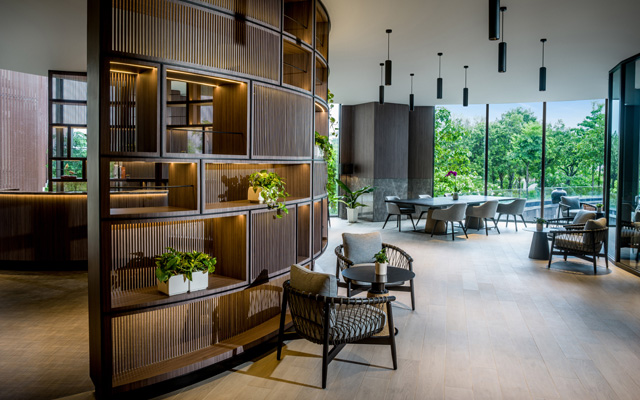
This is the first Crowne Plaza in South-east Asia to offer the brand’s new Plaza Workspace concept, which is a new take on the traditional hotel lobby space.
Crowne Plaza Phu Quoc Starbay offers guestrooms, villas and suites, ranging from 40m2 to 411m2 in size. Each dwelling offers a balcony with views of the ocean or the island’s native greenery. In-room amenities also include pillow menus and bath amenities from New Zealand’s organic beauty brand, Antipodes.
Event planners may avail 416m2 of dedicated space across a Grand Ballroom and three meeting rooms, for up to 480 people in total.
Other resort facilities that encourage guests to relax and unwind include two swimming pools – a sheltered Olympic-length 50m lap pool and a lagoon fun pool, gym, and the Hoa Sim Spa with four individual treatment rooms. Corporate travellers with their young ones in tow can tap the Tribe Kids Club for a range of indoor and outdoor activities.
The resort offers two dining venues – the all-day dining Horizon Restaurant that has local Vietnamese and international cuisine on its menu, and the Amber Sands Beach Club for locally-sourced seafood and grilled meats.
Situated along Bai Dai beach, the resort is a 40-minute drive from the Phu Quoc International Airport, and 30 minutes from downtown.
The Danna Langkawi, a beach resort in Malaysia, has appointed Giuliano Berta as its new executive chef.
Berta specialises in authentic Italian cuisine, and possesses over two decades of professional experience in South-east Asia, Middle East and Europe.
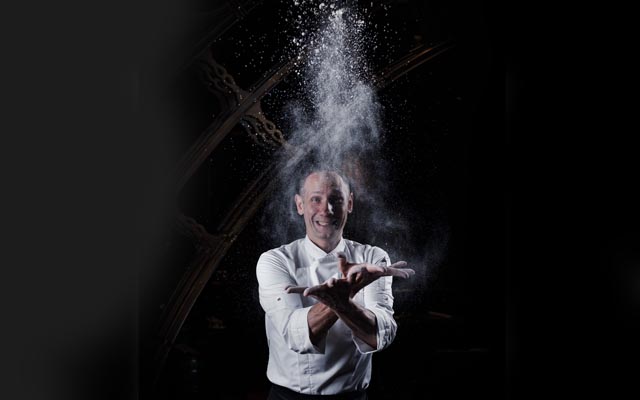
The Italian sharpened his knives at both free-standing restaurants such as Garibaldi Kuala Lumpur and La Casa in Bedizzole, as well as hotels like Shangri-La Hotel Singapore, Ocha & Bella in Morrissey Hotel Jakarta, Shangri-la Hotel Manila, Pullman Hotel Bali, Hotel Muse Bangkok, and Montgomerie Golf Club Dubai
1. Recharge in this tropical hideaway
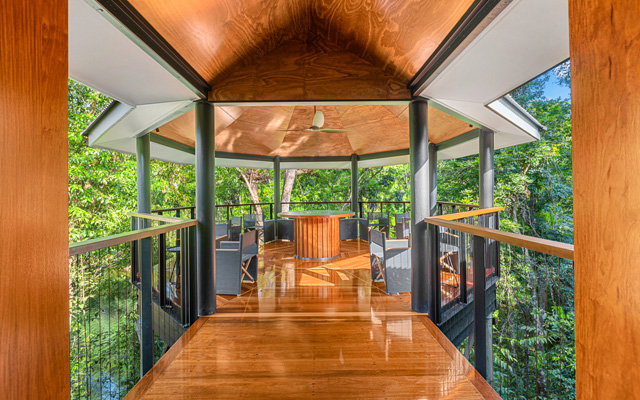
Transport your top achievers to another world with a stay in one of the world’s oldest living rainforests at the luxurious Silky Oaks Lodge near Cairns. Set on 32 hectares, the recently refurbished property offers six treehouse suite categories, as well as a revitalised pool and riverbank area with an open-air bar and firepit. The Lodge also offers bespoke guests experiences including a safari through the Daintree Rainforest, mud crabbing at Cooya Beach and snorkelling the Great Barrier Reef. silkyoakslodge.com.au
2. Of peace and love
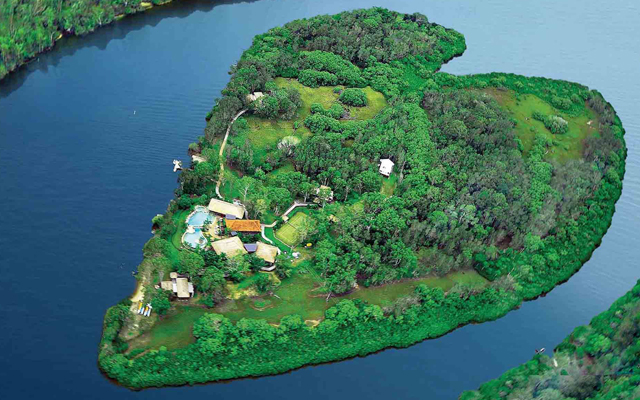
Makepeace Island is a heart-shaped island located on the Noosa River on Queensland’s Sunshine Coast.
A collection of three tropical-inspired luxury villas, four rooms in the Island House, and a unique Boathouse allows 20 winners to enjoy an exclusive island experience through a buyout. There is an extensive range of onsite facilities including tennis courts and swimming pools. Guests can also partake in water sports and yoga.
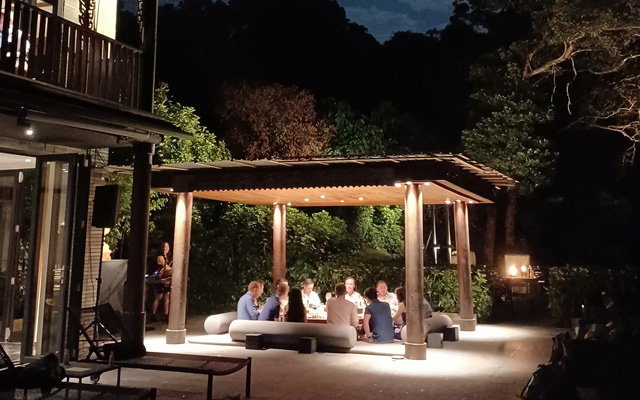
Island hire comes with private dining experiences, crafted by the group’s own executive chef. Ingredients are sourced from local organic producers across the region. Culinary masterclasses can also be arranged.
The more adventurous folks can go on walks through the World Heritage-listed K’gari (Fraser Island) and Great Sandy National Park, horse riding on North Shore’s white sand dunes, or circumnavigate the island on board a small sailing catamaran. makepeaceisland.com
3. A taste of the countryside
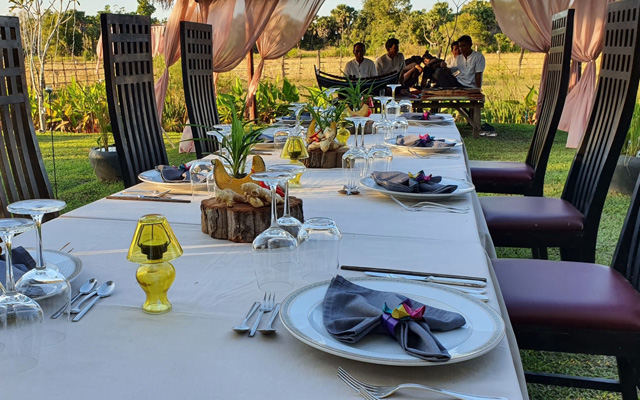
Indulge in rural Cambodian culture with an exclusive dining experience at Villa Chandara. Guests receive a monk’s blessing at a pagoda before taking a short cruise to the villa, located in the heart of rice fields. As the chef cooks up a five-course meal, musicians provide a backdrop of Khmer music. Extra entertainment can be arranged, such as apsara dancers, shadow puppets, or a Phare Circus performance. www.villachandara.com
4. Escape from the city
A private Thai-style villa overlooking Clear Water Bay in Saikung, Hong Kong, Amtarda offers an exquisite lunch or dinner experience for small groups of 10 to 60 people. Prices for a 10-course, Thai meal start from HK$2,200 (US$281) per pax.
Sitting on the enviable location with rolling mountains and hills as the backdrop, the one-of-a-kind resort also provides four rooms that can comfortably host eight guests. amtarda@gmail.com
5. A palatial oasis fit for queens and kings
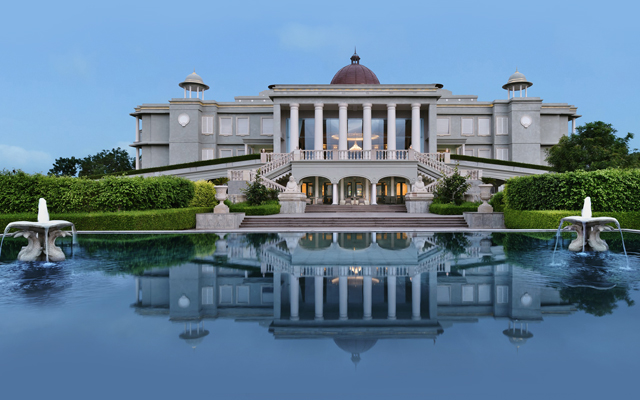
Raffles Udaipur, India’s first Raffles hotel, was built on an 8.5-hectare private island set in the middle of serene Udai Sagar Lake. There are 101 luxurious suites within that boast western decor plus elements of Mughal architecture, where incentive winners will be able to bask in uninterrupted lake views, private gardens, balconies, plunge pools.
Winners can also spend a day revelling in the beauty of the magnificent Aravali Hills and meander through the backroads of nearby villages by going on a cycling trail.
Crowned as The Venice Of The East, Udaipur is resplendent with rich cultural heritage, regal history, palatial architecture, lively bazaars, and museums that narrate stories of the bygone era. raffles.com/udaipur
Credit Gregorivs
6. Watch the sun illuminate Mount Bromo
Treat your 15 incentive winners to a sunrise like no other and a breakfast fit for champions in the Indonesian desert. For this invigorating reward, winners will have an early start by clambering into a jeep at 04.00, riding up to the Mount Bromo sunrise viewpoint, and climbing a flight of stairs to be rewarded with a breathtaking, Instagram-worthy sunrise of Mount Bromo and its surrounds.
Winners will then be driven down to an open area where they will fuel up on a Power Breakfast, comprising of local dishes such as bubur ayam (chicken porridge), nasi pecel (vegetable salad with peanut sauce), and toast. Ginger coffee and herbal tea will also be provided.
Activity organiser Panorama can also build teambuilding or engagement elements into the programme, such as Amazing Race-style games. http://linktr.ee/panoramajtb
7. A luxurious excursion
Grant your adventurous winners a luxurious hike up Mount Papandayan in West Java, Indonesia.
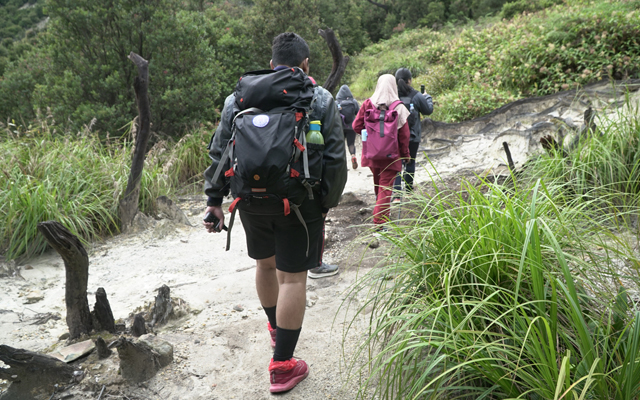
The 15 top achievers will embark on a late afternoon hike up the beginner-friendly mountain, and arrive at the campsite just in time to enjoy the sunset with a cup of freshly-brewed tea. Participants can complete the four-hour hike without needing to worry about carrying anything, as tents, porters and F&B are provided.
After camp is set, a delicious dinner will be prepared by the chef, which can be enjoyed over a roaring bonfire. Winners get to chase the sunrise before a hearty breakfast, followed by a round of teambuilding activities, before heading down to base camp at 10.00. The incentive tour will then round off with a Sundanese lunch. www.panorama-destination.com
8. Dance along with the locals
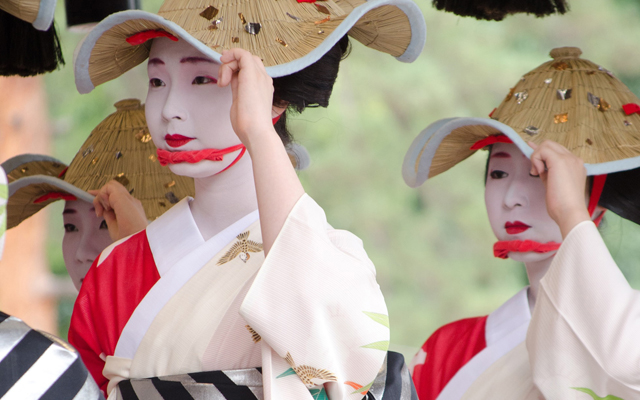
Awa Odori is one of the largest and oldest matsuris (festivals) in Japan. Held in summer, the three-day event brings the host city, Tokushima, to life with parades of thousands of dancers wearing colourful light cotton kimono or happi jackets and shorts. Dress up and join in the festivities after learning the moves in a private session, for a once-in-a-lifetime festival experience. jnto.go.jp
9. Fast and furious
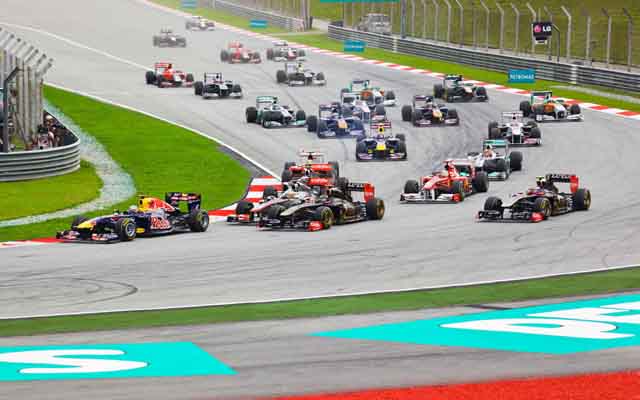
Top achievers with a penchant for speed will be able to relive the epic experience and feel the adrenaline rushing through their veins by taking the wheel and zooming around on the Grand Prix Sepang Circuit in this once-in-a-lifetime experience. The circuit was once the venue of the Formula One Malaysian Grand Prix from 1999 to 2017.
This activity can be combined with a company-wide gala for up to 500, where winners will be able to receive their awards set against a backdrop of planes as the outdoor venue is right beside the Kuala Lumpur International Airport runway. www.u-pass.com
10. Go above and beyond
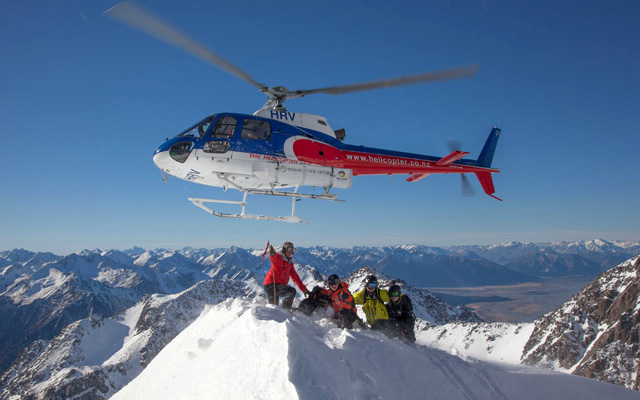
Get an unforgettable overview of Queenstown in New Zealand with an exclusive helicopter tour that includes five landing spots and a delicious lunch.
Good for five pax, the NZ$12,000 (US$8,217) experience transports guests over the Wakatipu Basin towards Luna Ridge to revel in gorgeous views of Lake Wakatipu and up towards Glenorchy and Milford Sound. Top winners will also experience a landing on a remote West Coast beach to collect crayfish before descending into the stunning Fiordland Lodge for a sumptuous gourmet lunch. helicopter.co.nz/english/heli-tours/view/milford-sound-with-fiordland-lodge-lunch-charter
Credit AJ Hackett Bungy New Zealand
11. What a thrill!
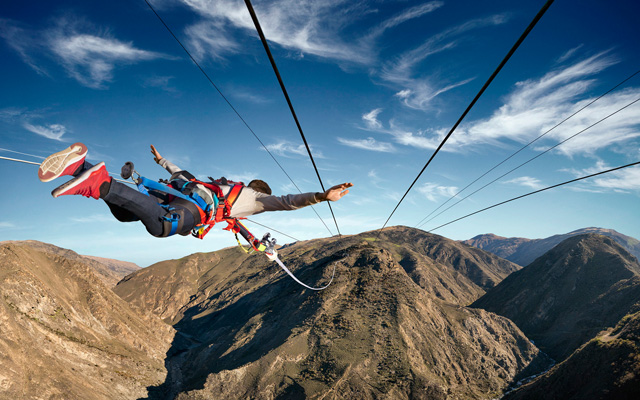
Bungy jumping is a rite of passage and where better to do it than in Queenstown, the World Home of Bungy, in New Zealand? The most incentive-worthy jumps would have to be the official AJ Hackett branches – Nevis Bungy, Ledge Bungy and Kawarau Bungy. Aside from leaping off a perfectly-good bridge, winners may also be treated to an unforgettable ride on The Nevis Catapult (pictured). Setting the world record for being the Largest Human Catapult, The Nevis Catapult is able to reach speeds of 100kmh in 1.5 seconds, propelling thrill-seekers 150m across a ravine and through a series of jaw-dropping bounces. www.bungy.co.nz/queenstown
12. Gems of the sea
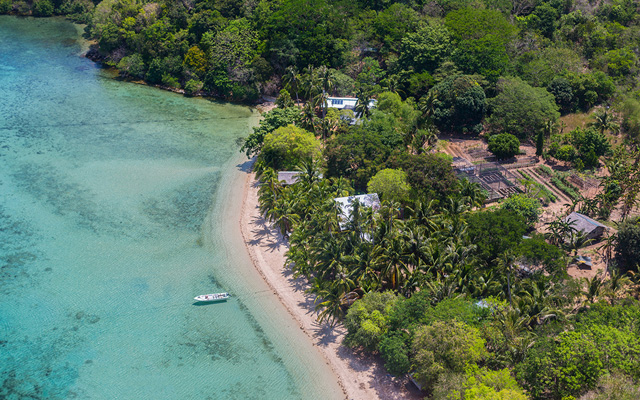
Reward 40 your champions with an idyllic vacation on Flower Island Resort in Palawan, the Philippines. What’s interesting for winners will be a side trip to Jewelmer’s nearby pearl farm, where the international luxury brand demonstrates the meticulous process in how South Sea pearls are turned into fine pieces of jewellery.
Top achievers can also participate in non-profit projects under Save the Palawan Seas Foundation to contribute to environmental issues, such as seaweed farming, tree planting, and coastal clean-ups. www.bluehorizons.travel
13. Crank it up
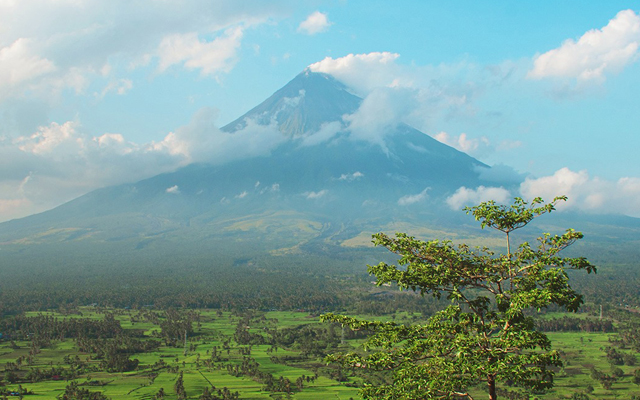
Explore the Philippine countryside on the back of an ATV, riding through dirt tracks and hills, followed by a trek to the lava wall at the foot of the fascinating Mayon Volcano.
An active stratovolcano in the province of Albay in Bicol Region, winners will be able to view up close the dark lava boulders in a surreal landscape framed by the majestic Mayon and the city below.
Good for 40 winners, the activity is best combined with a trip to the coastal town of Donsol for an eco-friendly and unforgettable interaction with whalesharks. bicolbeyond.com/packages/donsol-eco-tour
14. Stay in a private island sanctuary
Located in north-eastern Palawan, Banwa Private Island – set in the embrace of a protected marine and nature reserve – is the perfect reward for top achievers. The island resort boasts six beachfront pool villas with space for an intimate group of 22, and numerous activities ranging from catamaran sails to diving trips, and stargazing to pampering spa retreats.
In a nod to sustainability, the island’s owners have also established the Aquos Foundation to support, nurture and protect the island’s delicate ecosystems, including the critically endangered Hawksbill Turtle.
Ascent Flights Global charters direct flights to Banwa, via an eight-seat seaplane from Manila as well as helicopters for up to 10 passengers. www.banwaprivateisland.com
Credit Social Creatives
15. Leave a bright mark
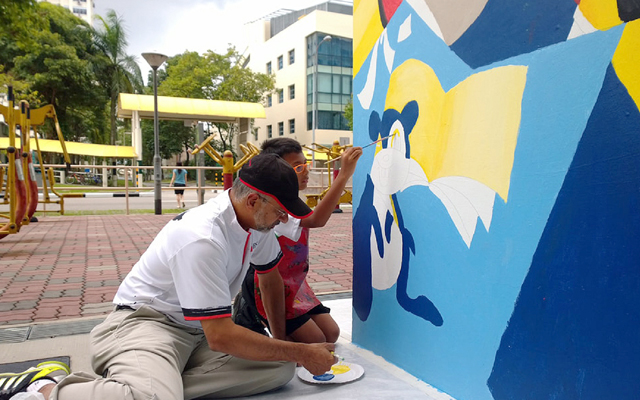
Drawing on walls is usually illegal in Singapore, but with this Asian Trails’ idea – conducted in collaboration with local NGO Social Creatives – corporate groups can help add colour to the city-state’s streets through a mural painting session.
Participants will first be introduced to simple theories of art appreciation and briefed on artistic styles used for mural designs, before enjoying a hands-on mural painting session. An ideal group size for the half-day activity would be from 51 to 100 delegates.
A CSR component can also be included, where groups may be granted a rare opportunity to paint the wards at the Institute of Mental Health. www.asiantrails.travel/mice/adding-colour-to-singapores-streets
16. Fly sky high in a chopper over Phang Nga Bay
One of the wonders of South-east Asia, Phang Nga Bay in Thailand is famous for its placid emerald waters and gravity-defying limestone formations like James Bond Island, which starred alongside 007 in The Man With the Golden Gun. One of the best ways to experience the bay’s bounty of scenic splendour is from the cockpit of a helicopter. Skydance offers winners an unforgettable 40-minute aerial extravaganza that makes for perfect memories. www.skydance.aero
17. Sail into the horizon
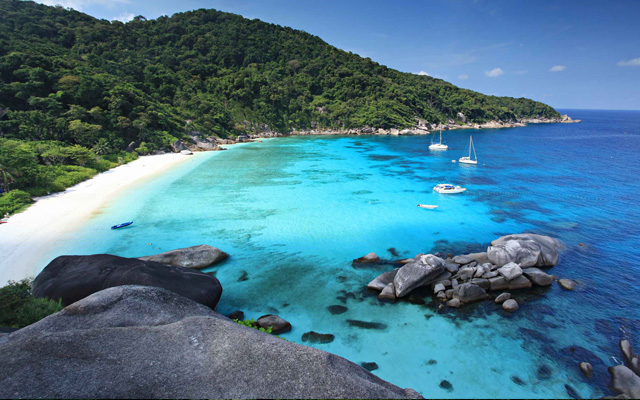
Sail into a special type of paradise with a private yacht charter to Thailand’s Similan Islands.
The secluded islands marooned in the Andaman Sea have some of the finest reefs in the world with vibrant corals teeming with colourful tropical fish, perfect for snorkelling and diving trips. Additional activities that can be arranged for include jetskiing, canoeing, stand up paddleboarding, and the set-up of inflatable water slides.
Incentives planners can work with Boat in The Bay on a four-day itinerary that explores the best of the archipelago. boatinthebay.com
18. A fancy dinner at the former US ambassador’s house
Enjoy a private dinner at the former home of US ambassador to south Vietnam in the 1960s, Henry Cabot Lodge.
Located in Ho Chi Minh City, the stunning villa has been restored to its former glory and winners will be treated to a cocktail reception in the courtyard accompanied by traditional dance. This is followed by a sophisticated Vietnamese meal in the decadent dining room accompanied by live music. scottdunn.com/sg/vietnam/things-to-do/dinner-at-former-us-ambassadors-residence-in-saigon
One of SG SafeEvent-certified organisers, Unearthed Productions, assisted trade fair organiser Koelnmesse for gamescom asia 2021, billed as the region’s first hybrid convention for video games since the start of the pandemic (Credit: Koelnmesse)
One of SG SafeEvent-certified organisers, Unearthed Productions, assisted trade fair organiser Koelnmesse for gamescom asia 2021, billed as the region’s first hybrid convention for video games since the start of the pandemic (Credit: Koelnmesse)
Singapore Association of Convention & Exhibition Organisers & Suppliers (SACEOS) launched the world’s first safe events certification last year to assure event organisers and attendees that stakeholders in the MICE industry observe and uphold hygiene benchmarks and safe distancing best practices.
The SG SafeEvent Certification is based on the Technical Reference 84 (TR 84), which provides best practices for conducting events in a safe and responsible manner beyond what is covered under the government-mandated Safe Management Measures (SMM) and complements the Singapore Tourism Board’s (STB) Safe Business Events (SBE) framework.
Despite the ongoing pandemic, the first-of-its-kind programme creates a competitive edge for Singapore as an events destination, as it enables enterprises in the MICE sector to re-calibrate their business operations to pivot, strengthen resilience and source opportunities for recovery.
TR 84 lays out industry guidelines and best practices in hygiene and sanitisation, safe distancing and emergency management for event organisers, venue owners and other suppliers.
For instance, organisers are required to have a risk management plan and document identified hazards and the necessary control measures that have been implemented before and during events. Venue operators also have to ensure that a routine disinfection plan for periodic cleaning is developed. Where feasible, the MICE specialists are also encouraged to deploy contactless technology.
As of March this year, nearly 70 organisations have been SG SafeEvent-certified and 3,800 SG SafeEvent Ambassadors have been trained
STB has also been working closely with SACEOS to support the industry-led accreditation programme, where more than 90 organisations have already registered interest. As of March this year, nearly 70 organisations have been certified and 3,800 SG SafeEvent Ambassadors have been trained.
One of SG SafeEvent-certified organisers, Unearthed Productions, assisted prominent trade fair organiser Koelnmesse in providing event support services, such as the hybrid set-up, stage and production management for gamescom asia 2021.
Billed as the region’s first hybrid convention for video games since the start of the pandemic, more than 2,000 in-person and virtual attendees from over 60 countries graced the event.
Adam Esoof Piperdy, chief experience officer, Unearthed Productions, said: “I think gamescom asia 2021 was pretty symbolic, not just in terms of the positive response of the audience, but also in terms of the sheer amount of exposure Singapore got just from being the host of this event. This highlights the robustness of TR 84 and the attractiveness of Singapore as a MICE event destination.”
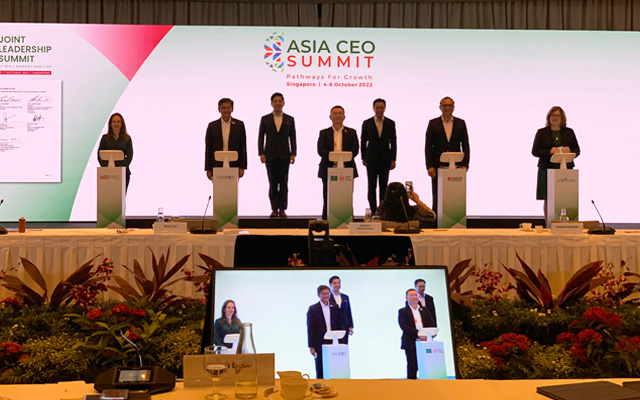
In October 2021, The Fullerton Hotel Singapore also hosted the first-ever physical gathering of global leaders and event organisers at the Joint Leadership Summit 2021 co-organised by SACEOS, Association of Event Organisers (AEO), Society for Independent Show Organizers (SISO) and UFI, the Global Association of the Exhibition Industry.
Both The Fullerton Hotel Singapore and The Fullerton Bay Hotel are SG SafeEvent-certified venues.
SG SafeEvent-certified venue, The Fullerton Hotel Singapore, hosted the first-ever physical gathering of global leaders and event organisers at the Joint Leadership Summit 2021
Gino Tan, country general manager of The Fullerton Hotels and Resorts, said: “In the current environment where safety and hygiene continue to be top of mind, the SG SafeEvent Certification is a valuable mark of assurance that our guests’ safety and well-being are our top priority, especially as international and business travel start to resume.”
He also told TTGmice that the hospitality player has witnessed a welcoming level from clients who are keen to organise events in both hotels.
Ong Wee Min, vice president of conventions and exhibitions, Marina Bay Sands (MBS) which is also a SG SafeEvent-certified venue, said: “The successful hosting of pilot events in Singapore since October 2020, from the initial 50 pax to 250 then to 1,000 pax and larger, is a good showcase of the scalability of the safe management measures in a business events meeting setting.”
MBS’ innovative Sands Expo and Convention Centre’s hybrid event broadcast studio, complete with broadcast-quality live-streaming capabilities and hologram functionalities, staged the PCMA Convening Leaders 2021 to a physical turnout of close to 300 delegates.
Marina Bay Sands, a SG SafeEvent-certified venue, staged the PCMA Convening Leaders 2021 to a physical turnout of close to 300 delegates (Credit: PCMA/CPJ)
“This is crucial in positioning Singapore as a safe MICE destination to host international events, thus regaining the trust and confidence of the global MICE community,” he added.
Interested companies who wish to be certified or enquire about the SG SafeEvent Certification can register their interest for the industry briefing with SACEOS at secretariat@saceos.org.sg.
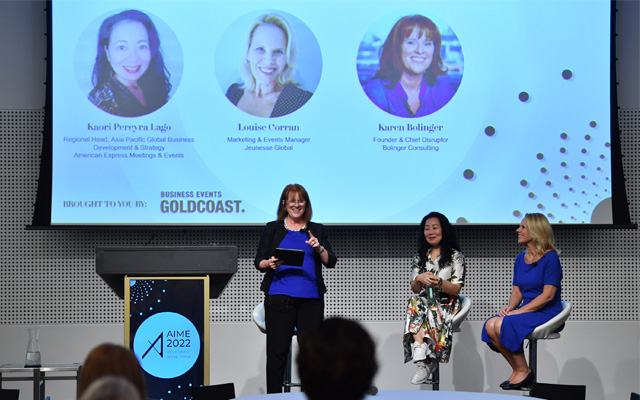
From left: Bolinger Consulting's Karen Bolinger; American Express Meeting & Events' Kaori Pereyra Lago; and Jeunesse Global's Louise Corran; presenting at AIME's Day 1 Knowledge Program
Confidence for business events has returned to Australia as Asia Pacific’s largest business events gathering began yesterday, with recovery rates expected to be faster than initially projected.
This is according to stakeholders at the Asia Pacific Incentive and Meetings Event (AIME), which kicked off yesterday with a pre-show day of workshops for the first time since Covid-19 hit two years ago.
From left: Bolinger Consulting’s Karen Bolinger; American Express Meeting & Events’ Kaori Pereyra Lago; and Jeunesse Global’s Louise Corran; presenting at AIME’s Day 1 Knowledge Program
“We’re making up for lost time this year,” AIME events director and CEO of Talk2 Media & Events, Matt Pearce, told TTGmice. “There’s a lot to do (and) we’re looking to make sure that we drive commercial outcomes for both our exhibitors and our buyers. It seems to me that there is an overarching and increasingly confident corporate market coming back.”
This year’s event brings in 342 hosted buyers and 225 exhibitors, compared to 266 hosted buyers when AIME last gathered in February 2020, after delegates from China were unable to travel. There are 30 international buyers at AIME 2022 including from South-east Asian countries Singapore, Malaysia, Indonesia, and Thailand, plus 52 virtual.
Half the buyers are new to AIME and the fact that the vast majority of delegates are from the domestic market is seen as crucial to providing a more immediate kickstart to the sector’s urgent recovery.
With Australia’s recent border opening, lifting of many restrictions – including the wearing of masks at events – and social distancing now a “recommended” suggestion rather than mandatory in most major cities, everything seems to be pointed in the right direction for the industry’s return.
“I think (recovery this year will be higher than 30 per cent of pre-Covid levels),” said Pearce. “The industry is no longer talking about (whether) we will be back but it’s how we’ll be back because the biggest challenge now is that we can’t find the staff. They’ve left the events industry because they saw it as an uncertain and unstable industry, and we now have to work hard to prove that that was Covid-related, not industry-related,” he continued.
As part of AIME’s opening, a global snapshot survey was also announced revealing that one in two in the industry considered face-to-face meetings the leading factor driving business growth, with the primary reason being that it cements vital relationships. When it came to the most exciting opportunities for business events, more than half of respondents cited creative events, followed by innovative technology.
“We’re also really pleased that in the survey 96 per cent cited (AIME) as being an important event for event recovery, with 68 per cent of those people saying it’s critical,” added Pearce.
The format of the show has also been modified to add a five-day virtual version within days of the in-person event concluding, bringing the total number of participants to 1,500.
This year’s show will also feature activations by SongDivision, which returns to AIME for the first time in ten years.
“Over the next three days, AIME will facilitate around 14,000 meetings, matching buyers’ needs with destinations and services on offer from over 300 exhibitors,” said Melbourne Convention and Exhibition Centre’s chief executive Peter King.
“An average of 440,000 business events (were) delivered annually in Australia, and it’s just great to be getting them back into action again,” he added.
Just 10 minutes from Phuket International Airport on the serene northern coast, this 178-key, Bill Bensley-designed resort offers delegates a quiet, tropical paradise steeped in Phuket’s tin-mining heritage
The newly-opened Ritz-Carlton, Bangkok anchors the One Bangkok development with cosmopolitan elegance. Featuring the city's largest ballroom and a spectacular new penthouse suite, it delivers exceptional hardware and deeply authentic, soulful service for business and leisure travellers alike
Behind the imposing, Brutalist concrete that defines Zurich’s Oerlikon district lies a surprising secret. While its exterior honours the neighbourhood’s industrial roots, stepping inside Mama Shelter reveals a vibrant, neon-soaked world that is a far cry from its rigid shell






 Crowne Plaza Phu Quoc Starbay offers guestrooms, villas and suites, ranging from 40m2 to 411m2 in size. Each dwelling offers a balcony with views of the ocean or the island’s native greenery. In-room amenities also include pillow menus and bath amenities from New Zealand’s organic beauty brand, Antipodes.