Asia/Singapore Monday, 13th April 2026
Page 515

First DoubleTree by Hilton resort opens in Sri Lanka

0

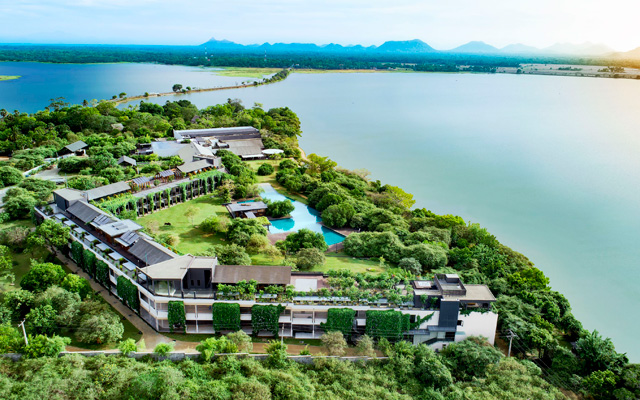
Hilton has opened the DoubleTree by Hilton Weerawila Rajawarna Resort, a new three-story, 78-room modern property in Weerawila.

The resort is situated within the Weerawila Bird Sanctuary which is home to over 400 species of birds.

Aerial view of the resort

Event planners may avail the 929m2 of meeting space which includes the pillarless Grand Ballroom which can accommodate up to 600 banquet-style, and the Weaver Meeting which boasts floor-to-ceiling windows that overlook Lake Weerawila.

Guestrooms come equipped with a 49-inch HDTV with entertainment hub, Wi-Fi, and has either a terrace or balcony. After a long day of meetings, corporate travellers can unwind at the 24-hour fitness centre, do laps in the 75m-long outdoor swimming pool, book a yoga session, or luxuriate in the spa. There is also a

Other facilities include a Karaoke Lounge and Tea Jar by the Lake, as well as two restaurants and three bars such as the seafood restaurant Redshank.

DoubleTree by Hilton Weerawila Rajawarna Resort is located 25km from Mattala Rajapakse International Airport and just over a half-hour drive from Hambantota Port district, an up and coming commercial zone in the south of the country.

A&K selects Martin Froggatt for group leadership position

0

Abercrombie & Kent has appointed Martin Froggatt as executive vice president, destination management and member of the Global Management Board.

This new role encompasses global leadership across A&K’s DMCs; of over 55 offices in more than 30 countries, and its luxury riverboat and lodges brand, Sanctuary Retreats.

Froggatt joins the business with over 25 years experience in the travel industry with brands such as Walt Disney Attractions, TUI and Travelopia in both the UK and the US.

A race for relevancy

0

The accelerated digitalisation of business events throughout the pandemic and travel crisis has threatened the existence of convention and exhibition venues, forcing a change in their traditional roles, observed industry leaders.

During the Venue Technology Update presentation on October 7, part of ICCA Congress 2020’s six-week-long Global Hybrid Congress Experience, speaker Manish Chandak, president and CEO of Ungerboeck Software International, noted that changes in the way events are delivered today are “hitting venues the hardest”.

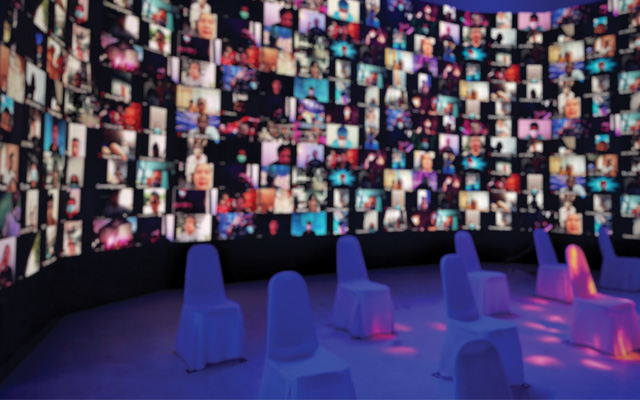
This is what the future of events looks like – think online video conferences to socially-distanced seating at physical events

“There is a fear that venues are being left behind,” Manish said, adding that “venues have to fiercely fight for onsite events because that is the core of our industry”.

To fight right in today’s environment, Manish said venues would need technology that allows them to establish high levels of collaboration with event organisers, as well as agility to manoeuvre from large-scale physical gatherings to smaller scale online or hybrid events at short notice. Such abilities will give event organisers confidence to commit to the venue and begin planning.

Manish further suggested that venues adopt an events portal that will enable collaboration between all parties through continuous and transparent task management; sharing of attendee lists and functions and orders; room diagramming systems to allow continuous updating of an event design with social distancing and flow; mobile tasks and checklists that demonstrate safety guarantee through evidence and action; visitor tracking capability that allows self-serve; sign-in for visitors prior to the event, with the option of asking about recent travel and current health; and a sophisticated event showcase that projects the venue as a highly technical destination capable of bringing the organiser’s content to life.

A change in business model is also needed, opined Sven Bossu, CEO of the International Association of Conventions Centres (AIPC), who urged venues to become “content incubators” going forward.

“Venues will need to provide multi-channel platforms that enable organisers to connect with their communities and distribute content in the way delegates want it. Venues will no longer be selling square metres and catering packages; no more pre-established price list; no more use of technology just for advertising earnings,” he elaborated.

A case study: ICC Sydney
The government-imposed shutdown of all in-person events during the pandemic led International Convention Centre (ICC) Sydney to alter its operations and services to remain relevant to clients.

It launched its virtual event offerings in March, which then evolved into Hybrid Event Solutions. Debuting in July, the solution merges technology with live experiences.

Geoff Donaghy, CEO of ICC Sydney, said: “This has enabled our clients to continue to run events, both during the height of the pandemic and as restrictions ease. As we look ahead, this service will allow for the continued transition back to more and bigger in-person events, which we know there is strong appetite for, and give clients greater choice in the longer term.”

Since March, ICC Sydney has delivered more than 100 world-class events in a virtual or hybrid format.

And as the appetite for online and hybrid events continue to grow, the venue finds itself innovating further. In October, it launched ICC Sydney Connect, offering end-to-end virtual and hybrid event solutions that allow clients to broadcast their virtual events from a state-of-the-art studio with a customisable interface.

These transitions are supported by a team that is “fully equipped with the latest collaboration and communications technology to ensure they can work effectively while at their desk, from home or from any space within the venue,” added Donaghy.

Casting his eyes on the longer-term future, Donaghy expects venue operators to see a “different business and sector”. What would put ICC Sydney in good stead for that future is its role as “an incubator for ideas, a champion for change and advocate for the community”.

“While the way we run events will continue to evolve, and virtual and hybrid formats will be part of the future, there is nothing quite like the experience of meeting in person,” he concluded.

Catering for creativity

0

Despite the major blow to the hospitality and events industry due to the pandemic, hotels in Asia-Pacific have been swift on their feet to adapt.

Since as early as April, many have reopened their doors to domestic clients and intimate business gatherings – but gone are the days of catered canapes and laissez-faire networking.

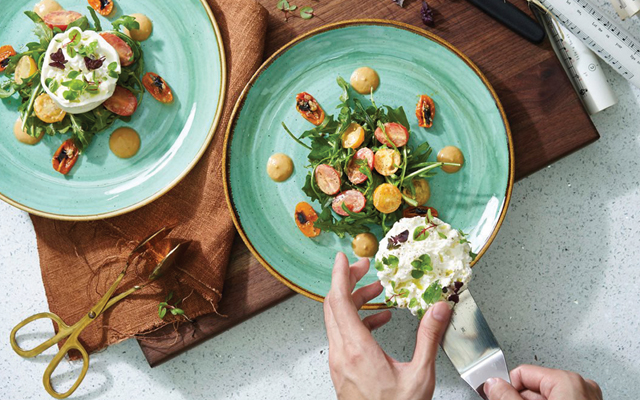
Grand Hyatt Hong Kong’s boxed afternoon tea set

Instead, with stricter hygiene protocols and social distancing measures in place, what awaits is a suite of new catering solutions. Clients no longer return to the buffet lines of old, but are instead greeted with fresh, out-of-the-box F&B experiences.

Unique angles
For many hospitality brands, the downtime presented an opportunity to revise their strategies and explore ways in which creative catering can thrive in a world with pandemic restrictions.

For instance, One Farrer Hotel Singapore’s Meals-on-Wheels package delivers gourmet lunches and coffee break bites to the homes of delegates attending remote events.

The Capitol Kempinski Hotel Singapore has formulated hybrid catering packages that include individually-boxed meals, sustainable food packaging, and plant-based menus.

And as part of its HY-brid meeting concept, Hyatt Group also delivers its F&B offerings – such as lunch bento boxes and cocktail kits – to the homes of virtual event attendees.

At the Australasian Hotel Industry Conference & Exhibition 2020 in Hyatt Regency Sydney, individual bento boxes and afternoon tea caddies were part of the safe dining experience. Taking several steps further, Grand Hyatt Singapore brought back Le Peit Chef, an immersive dining adventure in the hotel’s mezza9 La Cave wine cellar featuring a theatrical 3D projection mapping performance. Limited to just eight people per seating, this offering has sold out bookings for every session since its launch.

The Capitol Kempinski Hotel expects greater focus on food safety and sustainability

Andreas Stalder, senior vice president – F&B operations and product development, Hyatt Group, said: “Creativity is key for restart and recovery efforts in our industry. We have been listening to event and meeting planners, PCOs, corporate customers and World of Hyatt members throughout the Covid-19 pandemic – and what we have learnt is that we need to reimagine the event and meeting experience with a focus on hygiene and well-being, cost-effective and seamless meeting solutions, and flexible cancellation policies.”

As a mark of assurance, all of Hyatt’s 149 hotels in Asia Pacific have a Hygiene & Wellbeing Leader to oversee the execution of the Group’s Care & Cleanliness Commitment. The properties have completed the first phase of this programme, and are currently preparing for the second phase, which is obtaining the Global Biorisk Advisory Council’s STAR Facility Accreditation before the end of 2020.

For The Capitol Kempinski Hotel Singapore, the shift towards individual food packaging has spurred conversations about sustainability as well as personalised food safety.

“I believe that with the effects of Covid-19, guests are taking a keen interest in their immunity system, which ultimately leads to a greater awareness of food functionality and food safety.

“(Additionally,) a hotel’s catering and events scene post-Covid-19 will (also) have to rethink its position on sustainability, that is, producing less waste and creating more meaningful environmental awareness,” expressed Matthias Al-Amiry, managing director of The Capitol Kempinski Hotel Singapore and regional vice president, South-east Asia.

The Nest at One Farrer is ideal for corporate events with enforced safe distancing

Taking the high line
One Farrer Hotel sees safe distancing measures as an opportunity to boost its more exclusive offerings for bigger spenders.

To cater to a growing demand for private dining rooms, particularly by its “high net worth clientele”, the hotel launched The Nest at One Farrer on level 20, Adrian Quek, director of catering & events, One Farrer Hotel, shared with TTGmice.

The Nest comprises 13 safe dining environments, which may each accommodate between four and 12 diners. Since Singapore softened its quarantine restrictions earlier in the year, the facility has hosted several small-scale meetings and classes, serving as breakout rooms with in-room smart TVs enabling live streaming from the main event hall. After the conferences, keynote speakers and VIPs dined at The Nest with five diners per room.

Quek noted: “There is most certainly room for creativity. We aim to provide that ‘wow’ factor to participants with plated lunch and coffee break menus that are tailored to the needs and themes of our clients’ events. These little touches go a long way in providing value for our clients.”

Gangwon: South Korea’s winter wonderland

0

Brought to you by Gangwon Provincial Office

Remarkable encounters

1. Taebaeksan Mountain Snow Festival

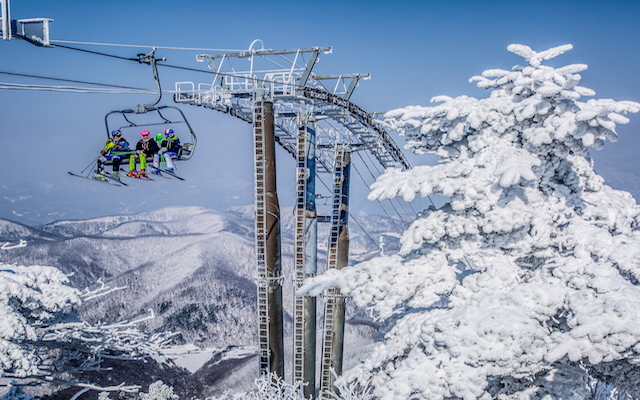
Arriving at Korea’s top winter festival makes the commute from Seoul worth the journey, as the high altitude makes for a picturesque and refreshing winter setting.

Although the festival at Taebaeksan Provincial Park plays up on snow sculptures featuring works by home-grown and international artists; don’t miss the opportunity to hike along a snowy stream and and catch the sunrise over East Sea at one of South Korea’s highest peaks!

A variety of activities from traditional folk winter games to popular attractions such as snow rafting and sledding are available. For a truly uniquely alpine gourmet experience, head to the igloo café onsite for a cup of coffee, and treat yourselves to an array of local produce.

2. Inje Icefish Festival

An eye-opener for visitors from the sunny tropics – catch icefish (also known as smelt, or anchovy) on the frozen Soyangho Lake. As icefish are nocturnal, this activity is best recommended after dusk, and before the crack of dawn.

Enjoy your catch sashimi-style, by dipping it in red chilli-pepper paste (gojuchang) – in bringing out a unique cucumber scent and taste – or explore deep frying and stewing options.

The festival site also caters to morning larks; with a gourmet food street, ATV rides in the snow, and a winter wonderland packed with cultural events, ice sports and snow sculptures.

3. Wondaeri Birch Forest

Also in Inje, is Wondaeri Birch Forest, a nature sanctuary of over 700,000 birch trees renowned for its snow-covered landscape.

Although this ecological tourism site has been named top 100 must-go destinations by Korea Tourism Organization, it is still relatively untouched by commercialisation – crowning it a hidden treasure for those who make their pilgrimage here.

To create a swoon-worthy social media post, embark on one of its three trails ranging from 900m to 3.2km for a forest immersion, or learn more about this birch habitat at the observatory.


4. Hongcheonggang Ggong Ggong Festival

Unique festival moniker Ggong Ggong – which translates to firmly frozen in Korean – brings the exhilaration of trout fishing with bare hands on the frozen Hongcheon River.

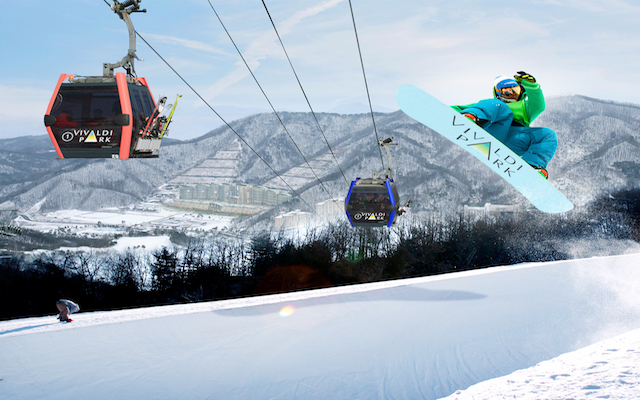
If plunging your hands into icy waters is not your cup of tea, a varied number of programmes and attractions await; including Vivaldi Park snow world, charming recreations of traditional thatched-roof houses complete with outdoor food market, and Korean heritage showcases.

5. Hongcheon Alpaca World

Away from the hustle and bustle of town is Alpaca World – the largest forest experience farm in the country.

Throughout this expansive park set amidst a scenic mountain valley, visitors of all ages can interact with free-roaming South American alpacas; along with other intriguing animals including deers, mules, and a variety of birds. For a wholesome experience – and memorable photo opportunity – embark on the Healing Walk, a 15-min stroll with one of the alpacas one-on-one.

On-site glamping accommodation is available, and comes with 2 admission tickets to Alpaca World.

6. Strawberry picking (various locations)

Winter months from December to April bring about the harvesting season for strawberries – another popular export from South Korea – in cities such as Gangneung, Chuncheon and Sokcho.

Visitors can collect fresh strawberries in baskets at the farms to eat, or take away after the programme.

Stay

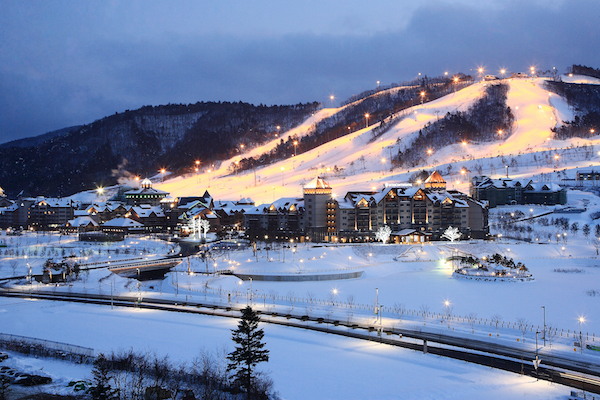
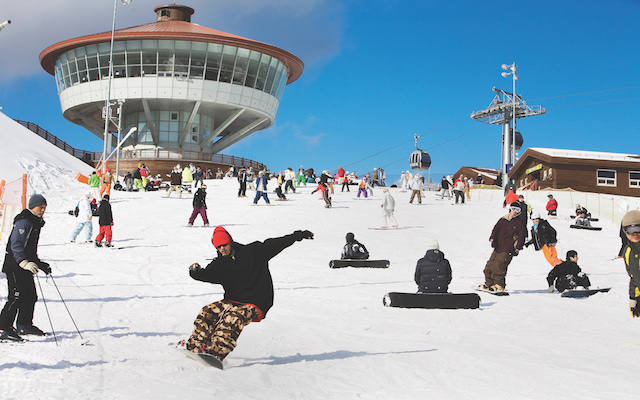
Ski resorts in Gangwon offer foreigner-friendly ski lessons led by expert instructors, luxurious accommodation, a variety of entertainment and even wellness-themed attractions in the complex.

As hosts of the Winter Olympics, Yongpyong Resort boasts Korea’s first, and biggest ski resort, as well as breathtaking views on Korea’s highest skyway – Mt Balwangsan Skywalk. IHG chain Alpensia Resort commands fantastic views of Daegwallyeong, and features an all seasons complex to soak up the elegant atmosphere and pure nature.

Never a dull moment at High 1 Resort, the dynamic ski park features long runs and varying slope varieties, on top of entertainment options such at golf, firework shows and casino. Otherwise, the trekking trail at Untangodo – 1200m above sea level – makes for a refreshing forest-bathing experience overlooking the lush forest of Jeongseon.

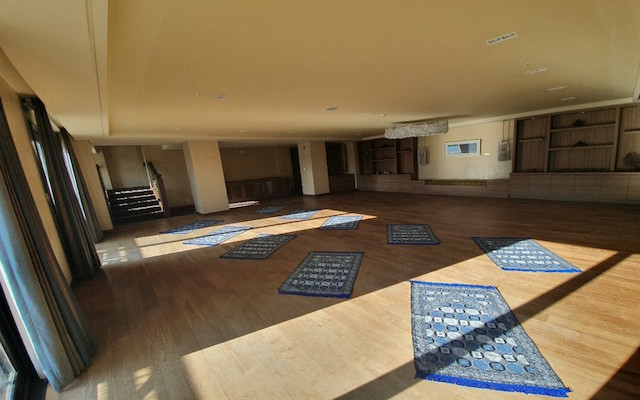
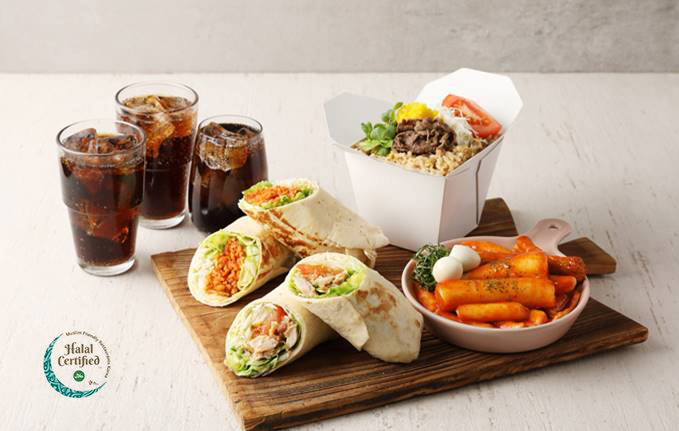
With good accessibility from Seoul and a four-season leisure complex, SONO Belle Vivaldi Park proudly showcases Snowy Land, a 14-zone snow sled park that appeals to children, and the young at heart. The muslim-friendly resort comes with a halal restaurant and prayer room.

For more information on support and travel to Gangwon Province, email kim.nuri@ymail.com

Sticking it out

0

Hot idea
Create early engagement with your target audience by launching a dedicated platform

Brief
Like all events around the world, Covid-19 resulted in the postponement and cancellation of events due to travel restrictions and border closures.

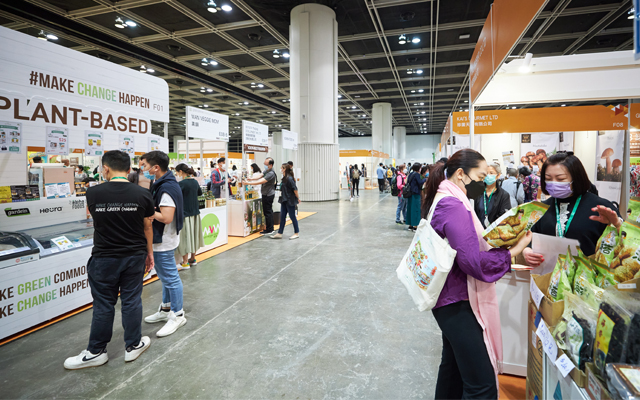
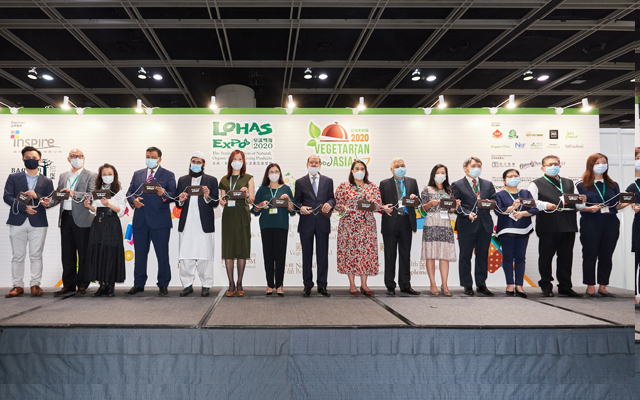
Lohas Expo and Vegetarian Food Asia 2020 was one of those which postponed, but after two postponements, the tradeshow finally took off in October. It was also the first face-to-face tradeshow to happen in Hong Kong since the pandemic started.

First launched in 2012, the Lohas Expo is billed as the first tradeshow in Hong Kong dedicated to natural, organic, sustainability and green living. Later in 2015, event organisers launched the Vegetarian Food Asia in lieu of the growing vegetarian market, as part of the Lohas Expo.

This two-in-one show format adopted a mixed approach, and targeted both trade buyers and the public.

Event highlights
Held at the Hong Kong Convention and Exhibition Centre (HKCEC), part of the tradeshow was a forum that featured renowned speakers who spoke about industry trends and products throughout the three show days. Awards were also given out to recognise leaders in the industry.

On the B2B side, a business matching was developed to connect buyers and suppliers for the Lohas Expo 2020, while Vegetarian Food Asia conducted public workshops and sharing sessions from green living experts.
Event organisers also launched a “Taste of Veg” e-platform to create early engagement with their target audience online.

Thanks to government subsidies which including the free venue rental of HKCEC, event organisers were also able to reduce the participation fee for exhibitors.

All in all, the tradeshow ended on a high note with record-breaking physical attendance, and stringent hygiene measures in place. There were more than 32,000 visits over the three days, up eight per cent year-on-year.

Baobab Tree Event’s managing director Culsin Li, said the record-breaking visitor count came as a “surprise”, and was a very “encouraging” sign the industry will bounce back once the pandemic is over.

“We are optimistic about seeing more expos being held in Hong Kong. We also understand that physical shows cannot be replaced, because people enjoy interactions, and are eager to rebuild connections with each other,” she stated.

Challenges
The tradeshow had to be rescheduled twice, first in February and the second in July, which posed a huge logistics challenge.

Li shared that as the situation remained fluid, it constantly left them in limbo. Also, it remained a question whether visitors were willing to visit a large public expo physically with the pandemic still in play.

Once the green light was given, Baobab Tree Event communicated with the Hong Kong Tourism Board, HKCEC, sponsors, partners and exhibitors in a timely manner. This allowed them to organise the expo in two months.

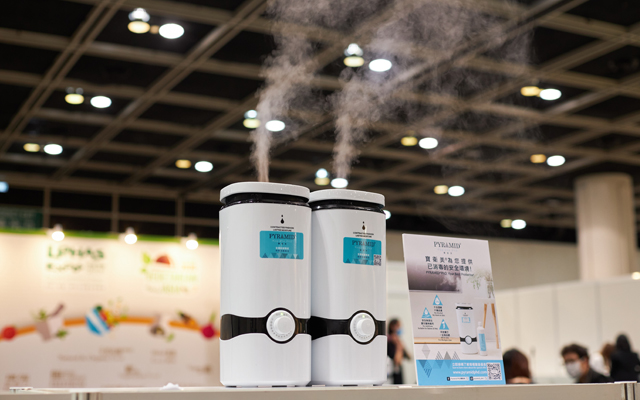
In terms of safety and hygiene standards, organisers also had to work with various parties to ensure the highest hygiene standard to assure both exhibitors and visitors. This included venue disinfection, staff monitoring, and entrance requirements.

These hygiene and safety measures were then clearly communicated to potential visitors via their website and social media channels, to boost visitors’ confidence.

Event Lohas Expo and Vegetarian Food Asia 2020
Organisers Baobab Tree Event and Inspire Advertising & Marketing
Dates October 23-25, 2020
Attendance More than 32,000 visits throughout the three days, and more than 12,000 pre-registered online visitors

MACEOS petitions Malaysian gov’t to help with operating costs

0
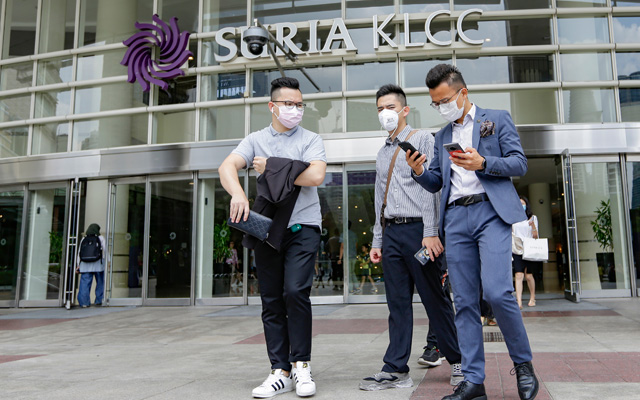
Business people in mask outside Suria KLCC pictured

The Malaysian Association of Convention and Exhibition Organisers and Suppliers (MACEOS) has appealed to the government – through Malaysia Convention & Exhibition Bureau – to help reduce operating costs for business events stakeholders during the pandemic.

For a start, MACEOS appeal comprises eliminating the Connected Load Charges penalty, reducing tariffs for sewage bills, and lowering assessment fees.

MACEOS hopes the government will step in to help the battered MICE industry by offsetting bills; business people wearing masks outside Suria KLCC pictured

Connected Load Charges are imposed by Tenaga Nasional as a penalty for businesses that do not meet the minimum electricity load usage; sewage bills imposed by Indah Water Konsortium, which for some businesses can run up to RM10,000 (US$2,456) a month, regardless of whether venues are operating; and annual fixed assessment fees by local councils.

MACEOS’ president, Francis Teo, said: “While industry players are told they cannot hold face-to-face business events during the Conditional Movement Control Order (CMCO), exhibition and convention centres still have to pay bills to keep their venues and businesses open. The situation is taking a toll on business events industry players who are struggling to stay afloat.”

Teo lamented that restrictions imposed on face-to-face events had already severely impacted the business events industry with year-to-date revenue losses reported at 90 per cent compared to 2019.

As such, he hopes the government will step in to help with the operating costs.

He proposed: “It doesn’t have to be a blanket reduction for everyone. The government could implement it on a case-by-case basis, upon application by the affected companies.”

Teo also urged the hovernment to consider providing electricity bill discounts of 50 per cent up to June 2021 to allow industry players to recover from this year’s losses.

He said: “Having to pay these bills is putting further pressure on an industry that is already stretched to its limit. The reductions proposed will really help to keep our operating costs low, especially since we are not allowed to hold business events in the foreseeable future. This in turn will allow us to avoid retrenching people unnecessarily.”

Teo also commented that although the wages subsidy programme has been extended till the end of 2020, employers still need to fork out up to RM3,400 or 85 per cent of the salary for eligible employees earning RM4,000 or less. With Business Events not allowed to take place, organisers and suppliers have no source of income to be able to keep paying RM3,400 per skilled employee to keep them retained. Moreover, there is no subsidy for highly skilled employees earning more than this minimum amount.

He elaborated: “While the government has encouraged Business Events suppliers to go virtual, this is only a fraction of the revenue that can be generated and is not enough to keep companies afloat during this period.

“We are losing skilled and experienced talent from this industry each day. The long term impact is a mammoth loss to business events and our economy.”

Korea MICE Bureau updates subvention for int’l events

0
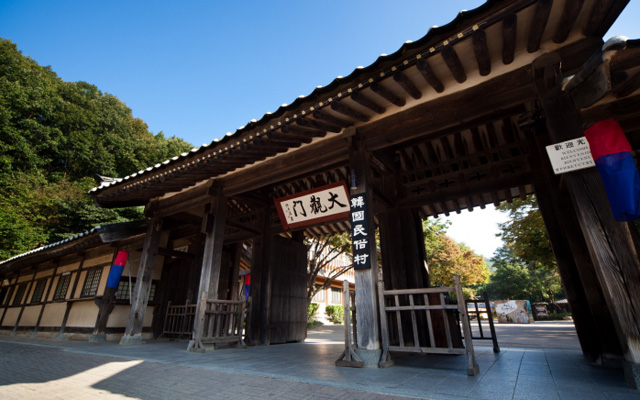
The Korean Folk Village in Gyeonggi-do is a Unique Venue. Photo credit: Korea Tourism Organization

The Korea MICE Bureau, under the Korea Tourism Organization (KTO), has updated its Covid-19 support programme for international conventions to provide extra assistance due to Covid-19.

The updated support now takes hybrid and online events into account. As such, more international conventions would now be eligible, as the previous criteria depended on whether the convention was hosted by an international organisation or not.

The Korean Folk Village in Gyeonggi-do is a Unique Venue. Photo credit: Korea Tourism Organization

Under the new criteria, conventions must have a minimum of 100 total attendees with at least 50 foreign attendees, and the event must last a day or longer. Further, online, offline and hybrid meetings all qualify, and the total attendee count will include both online and offline attendees.

International conventions which satisfy the above criteria are further separated into A and B Type events depending on the event start date. The amount of support provided will vary depending on the type and size of the event.

Conventions with a starting date between November 10, 2020 to June 30, 2021, will fall under Type A, and events with a start date between April 13 to November 9, 2020 will fall under Type B. The application deadline for Type B events is December 10, 2020.

In addition, extra support has been thrown in, such as support towards digital technology use during the event, support for venue rental and labour costs related to Covid-19 prevention, support for events held at Unique Venues and more.

Fairmont makes its debut in Sanya

0

Fairmont Sanya Haitang Bay, Accor’s first flagship Fairmont Resort in Greater China, has reopened after extensive renovations to the property.

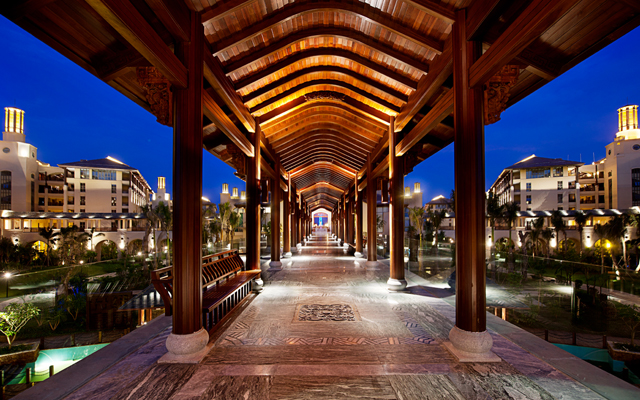
Fairmont Sanya Haitang Bay

The resort offers 523 guestrooms and suites as well as residential apartments, with some of these accommodations set within a new Fairmont Gold Tower. Fairmont Gold is the brand’s lifestyle concept of a ‘hotel within a hotel’ providing the highest level VIP services for guests.

Event planners may avail the 1,500m² pillarless ballroom, nine meeting rooms, and a VIP function room. After a day of conferences, delegates can choose to unwind in the Willow Stream Spa, or head to one of the three outdoor swimming pools or gym for a workout.

Other facilities include a kids’ club, Fairmont Gold Lounge, a nine-hole golf course, as well as three F&B options – the all-day dining Restaurant Veranda, Chinese Restaurant Yuen Court for fine Cantonese cuisine, and Ocean Lounge for tapas and drinks.

SUSS, SACEOS join forces to develop MICE-specific courses

0
students who are working adults will learn first-hand from our industry experts in the classroom

The Singapore University of Social Sciences (SUSS) has signed an agreement with the Singapore Association of Convention & Exhibition Organisers & Suppliers (SACEOS) to build stronger capabilities for event management practitioners through the joint development of training courses.

SACEOS will contribute to the overall curriculum and develop five new modules such as financial and risk management for events, trends and technologies for events, event ideation and conceptualisation for SUSS’ BSc Events Management with Minor programme.

Students who are working adults will learn first-hand from industry experts

These new modules will impart students with practical skills and insights of real challenges emerging from the Covid-19 pandemic such as risk impact resulting from event cancellation and postponements, and effective systems thinking capabilities to solve complex problems.

Students will be able to redesign events into a virtual or hybrid model, and implement latest safe management measures to run events effectively.

The programme also weaves in online channel creation and management, virtual and augmented reality courses, while imbuing versatile and portable skillset such as marketing, communication, critical and creative thinking as well as financial planning.

This Bsc Events Management with Minor programme will be the first for the MICE industry conferred by a Singapore university, and will start in July 2021.

This partnership aligns with the Event Industry Resilience Roadmap recently launched by SACEOS together with the Singapore Tourism Board and Enterprise Singapore. It is the world’s first roadmap for the MICE and Event industry whereby a key pillar is to build capabilities for the future to support livelihoods and enterprise resilience in the sector.

Reviews

The Ritz-Carlton, Bangkok

The newly-opened Ritz-Carlton, Bangkok anchors the One Bangkok development with cosmopolitan elegance. Featuring the city's largest ballroom and a spectacular new penthouse suite, it delivers exceptional hardware and deeply authentic, soulful service for business and leisure travellers alike

Mama Shelter Zurich

Behind the imposing, Brutalist concrete that defines Zurich’s Oerlikon district lies a surprising secret. While its exterior honours the neighbourhood’s industrial roots, stepping inside Mama Shelter reveals a vibrant, neon-soaked world that is a far cry from its rigid shell

Hyatt Regency Kuala Lumpur at KL Midtown

A polished urban retreat designed for business travellers, Hyatt Regency Kuala Lumpur at KL Midtown combines thoughtful design, seamless service, and exceptional facilities.