Asia/Singapore Saturday, 11th April 2026
Page 533

Corporate travel segment demonstrates slow and steady rebound: FCM

0
providing key insights to the industry on the resumption of travel.

Fifty per cent of organisations have begun travelling again, but with stipulations, according to the third phase of the State of the Market survey by FCM Travel Solutions.

Conducted by FCM’s consulting arm 4th Dimension (4D), the final phase of the survey consisted of one-to-one interviews in August 2020 with 250 of FCM’s multinational large-scale clients globally in over 60 countries.
The research provides key insights to the industry on the resumption of travel in the new normal

The workshops examined a new path forward for the remainder of 2020 and into 2021, as corporate travel resumes amid new safety and hygiene requirements and protocols. It follows on from the results of two State of the Market surveys released in May and June, both conducted among 2,320 business travel managers, bookers and travellers in Asia, Australia and New Zealand, EMEA and the Americas, to gauge their sentiments on business travel during the Covid-19 crisis.

While 50% of respondents said they have employees already travelling or booking reservations to travel in the near future, resuming travel will be different for everyone.

The combined results of the State of the Market research (April to August 2020) shows that over 90% of businesses indicated that they planned to travel domestically and shorthaul international flights, within three months of government re-opening borders and lifting restrictions such as quarantine.

Yet the number of trips taken will likely be lower, as only 26% of businesses are planning to return to their pre-Covid-19 levels for domestic travel during 2021. The remaining 74% of businesses predict reduced domestic travel for the immediate year ahead. The average number of business trips per traveller pre-Covid, was six to eight per year; this number is likely to fall between three and four trips per person, per year until 2023.

Clients still have longhaul travel plans on hold indefinitely, as they assess the balance between need and safety. In particular, national businesses in China, Australia, New Zealand and US were less likely to have longhaul international plans for 2021, indicating only domestic and shorthaul international travel will be planned for next year. Meanwhile, 29% of respondents from China said they won’t be travelling longhaul, and 16% of respondents in Australia, 22% in New Zealand and 7% in the US indicated the same.

Cover page of the State of the Market research

The below provides a snapshot of professionals currently travelling globally:

  • Industries who continued to travel or recommenced travel the fastest were Mining & Wholesale, with approximately 40% of respondents from those businesses saying they continued travelling throughout the global shutdown, with 80% having resumed travel at this point.
  • Construction and food services follow closely behind with approximately 70% of respondents indicating that they’ve started travelling again.
  • In Asia, the financial services, science and technology, education and training, mining and construction sectors were one of the first to resume travel. Across all industries, the first groups of people to travel will be/have been sales, client management and project workforce who are focused on business growth, customer retention and the resumption of projects. Nineteen per cent of respondents agree that administration and internal support staff are the least likely to travel in the near future as they are not client-facing.

The top two priorities for many respondents across Asia were budget and risk management also known as Duty of Care. FCM also remains cognisant of the fact that triggers for business travel include travelling when safe (vaccine or virus eradicated), borders reopening, increase in traveller confidence and the ability to appropriately track travellers.

Moreover, the study revealed that the future of travel buying behaviour will be influenced by:

  • Airline, hotel, car/ground Covid-safety protocols (37% of respondents are reviewing their hotel suppliers to ensure they are Covid-safe and 25% of respondents rate Duty of Care their number one focus as travel resumes in their business)
  • Shortened purchase window (the average purchase window for domestic travel has dropped from seven to 10 days (pre-Covid) to three to four days post-Covid)
  • Flexible fares
  • Avoidance of overnight requirements
  • Virtual meetings as a back-up

In addition to focusing on budgets, traveller confidence and safety procedures, businesses large and small are re-evaluating their travel policies in the wake of Covid-19 pandemic.

Now, more than ever before, a travel policy ensures businesses have set guidelines around traveller safety, budgets, required documentation and purpose for travel, while empowering employees to use careful judgement when booking and incurring travels expenses. Currently, 84% of businesses interviewed have active travel policies, either at a national or global level.

During Covid-19, 40% of respondents who had existing policies introduced interim travel policies, providing more restrictive guidelines for travellers. Interim policies include varying definitions of indefinite travel bans, classifications for business-critical travel (where safe), new approval procedures, general guidelines for changed supplier services and also procedures for business meetings. 50% of customers are making further changes to their policy as travel resumes.

Priorities of revised policies include health & hygiene; pre-trip approval; business class travel approval; whether the business is essential; journey changes; adhering to Covid conduct; using preferred and Covid safe suppliers.

The full State of the Market report with a comprehensive analysis of the survey results and market overview is available here.

Five tips on how to pull off a successful virtual event

0
Virtual meetings will be more commonplace now, so here are some tips as to how to manage one better

One of the obvious casualties from the Covid-19 pandemic is the events industry. Many event and marketing teams had to grapple with short notice and swift decision making on whether to postpone their events, cancel their events, or replace upcoming events with a virtual version.

However, as a vast majority of us can relate to spending so much time on our devices, it’s developing a new phrase: virtual fatigue. The question for event organisers has now shifted from “How can we successfully host a virtual event?” to “How can we stand out among other virtual events today?”

Virtual meetings will be more commonplace now, so here are some tips as to how to manage one better

In relation to Singapore’s MICE industry pivoting its strategy during the pandemic, many event organisers have now turned to technology as a solution.

I have a few learnings to share – gleaned from ConnecTechAsia2020, the first virtual Infocomm, Media and Technology event held in partnership with Singapore’s Infocomm Media Development Authority – with those looking to take their events virtual.

Don’t experiment this year, go with a trusted platform. With only one chance to get it right this year, I would recommend to make the investment and choose a trusted platform that is stable, strong and secure in all ways. It does not just fall onto the company’s reputation, but the community’s as well. The right platform must be capable of delivering the event’s full value in a secure and safe way.

Conduct walk-throughs with your various stakeholders as early as possible. Once you have confirmed a platform, conduct walk-throughs with your delegates, sponsors, speakers, exhibitors, and attendees early – at least a month or two before the event. Giving them as much information as possible, would ensure familiarity with the platform and its features. While doing this, always keep in mind what the Return on Investment (ROI) is for each stakeholder.

Understand the importance of qualified leads. With any event, virtual or physical, qualified leads are a top priority for exhibitors, and you have to make sure to deliver this. For ConnecTechAsia2020 we provide backend data where they will be able to track and access visitors’ information not just during the three live event days, but for the entire duration the platform will be online which for us will be till June 2021.

Provide high-end business matchmaking. This is another top priority for our attendees. ConnecTechAsia’s business matching platform is powered by artificial intelligence (AI), where attendees will receive personalised connections and meeting suggestions based on their interests and profile. On a consolidated dashboard, visitors can view connections, find out who is interested in setting up a meeting with them and arrange for one-to-one video meets via virtual meeting rooms.

Do not cut the marketing budget. A virtual event is much more challenging to promote, especially this year. In just a span of a few months, we find ourselves competing to provide unparalleled online experiences through content and functionalities. Companies would have to put in the same amount of resources, if not more, to promote the event. This is especially true if you have never run a virtual event in the past and have yet to establish a track record.

While the demand for physical events will not disappear any time soon, the pandemic has made it clear that it has come down to pivot or perish when making the move to digital. This rapid evolution highlights the importance of understanding not just the industry, but what attendees consider value-adding.

The focus is no longer about replicating, but transcending the physical to bridge the gulf between what is expected of them and what makes their event meaningful to audiences in this new frontier.

PCMA to hold one-day forum in November

0
It'll. One-day event for practical knowledge, strategies and solutions needed for recovery

The Professional Convention Management Association (PCMA) will host a one-day hybrid event that will feature workshops to build the practical skills and knowledge event professionals and businesses need to be successful in the recovery phase of the industry.

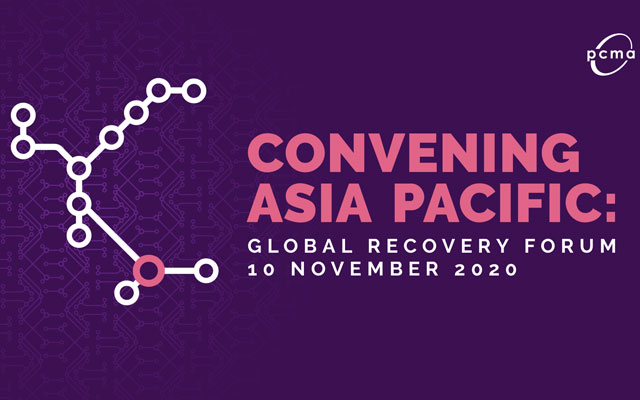
Convening Asia Pacific – The Global Recovery Forum, will be at ICC Sydney on November 10 and available online from 12.00-16.00 AEDT. The live-streamed event will cover topics including digital events marketing, participation, risk management and digital sponsorship.

The one-day event will provide attendees with practical knowledge, strategies and solutions needed for recovery

Karen Bolinger, PCMA managing director of APAC, said the content for the programme has been designed around the findings from PCMA’s major global and Asia-Pacific surveys where the association spoke with buyers and suppliers what skills and information were needed to survive and thrive post-Covid-19.

“This event is an intensive four-hour program co-created by event planners and the industry and includes case studies, workshops, and strategic content. While the solutions are always changing and adapting, Convening Asia Pacific will cover the most up-to-date thinking and training.

“Only together will we work to create viable solutions and find ways to adapt and continue our journey to recovery,” added Bolinger.

PCMA released its Business Events Compass globally in July, providing research-based insights on geographic and industry sector business events recovery opportunities, as well as recommendations for the evolution of participant engagement, business models and expected reskilling needs.

In August, PCMA released the Covid-19 Recovery Dashboard survey specific to the Asia-Pacific region, where common pain points were strategic approaches to budgets, exhibitors and engagement.

US cruise lines commit to safety protocols for resuming sailing

0

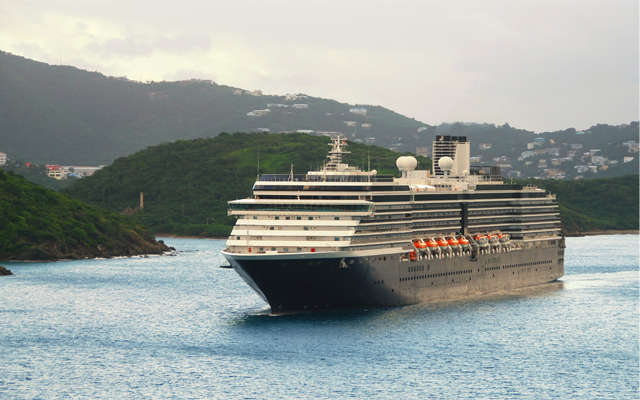
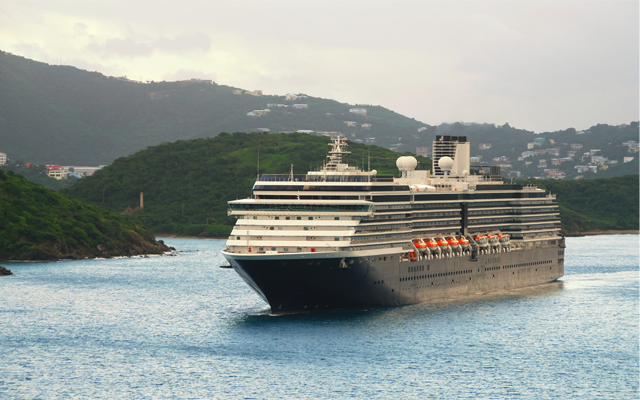
CLIA, an industry body which represents major cruise lines, has unveiled the adoption of a mandatory set of health protocols, as part of a phased resumption of operations in the Americas.

Some of these protocols include testing of all passengers and crew for Covid-19 prior to embarkation, mandatory mask-wearing onboard and during excursions where physical distancing cannot be maintained; as well as air management and ventilation strategies to increase fresh air onboard.

CLIA adopts mandatory safety protocols, including 100 per cent testing for passengers and crew, as it looks to resume operations in the Americas

Also in place are risk-based response plans tailored for each ship to manage medical needs, dedicated cabin capacity allocated for isolation and other operational measures, and advance arrangements with private providers for shoreside quarantine, medical facilities, and transportation.

These core elements will be adopted by all CLIA ocean-going cruise line members. CLIA said in a statement: “Guided by world-class experts in medicine and science, CLIA and its ocean-going cruise line members have outlined a pathway to support a phased-in, highly-controlled return to passenger service in the Caribbean, Mexico and Central America with protocols that promote the health and safety of passengers, crew and the communities visited.

“The core elements mirror the successful resumption of cruising in other parts of the world and include 100 per cent testing of passengers and crew prior to boarding — a travel industry first. Initial cruises would sail on modified itineraries under stringent protocols that encompass the entirety of the cruise experience, from booking to debarkation. With support and approval of regulators and destinations, cruises could feasibly begin during the remainder of 2020.”

Informed by leading scientists, medical experts, and health authorities, the core elements are the product of extensive work by CLIA ocean-going cruise lines and their renowned teams of science and medical experts, including the recommendations from the Healthy Sail Panel established by Royal Caribbean Group and Norwegian Cruise Line Holdings, as well as MSC’s Blue Ribbon group and Carnival Corporation’s collection of outside independent experts.

Other considerations included the effective protocols developed for the successful sailings in Europe by MSC Cruises, Costa, Tui Cruises, Ponant, Seadream, and others.

These core elements will be continuously evaluated and adjusted against the current state of the Covid-19 pandemic, as well as the availability of new prevention, therapeutics, and mitigation measures.

Restoring travel confidence in the new normal

0
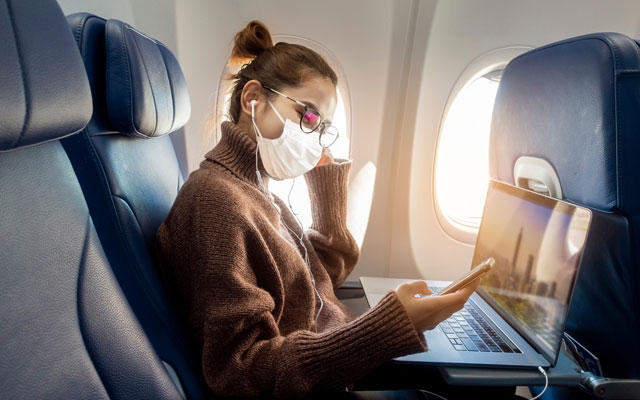
Businesses have to consider several aspects now to restore travel confidence in the new normal

In recent weeks, we have seen Singapore ink various ‘green lane’ agreements with other countries, signalling the return of essential business travel.

For many organisations who rely on business travel as a critical component of daily operations, these are welcome developments. However, many are also cognisant of the challenges that lie ahead for the travelling workforce, due to Covid-19 resurgences in various countries and security incidents exacerbated by the global pandemic.

Businesses have their work cut out for them when it comes to restoring travel confidence in the new normal

Amid this ever-evolving situation, how can organisations prepare their workforce for the return of business travel?

While pre- and post-pandemic travel will look very different, one thing that remains is the need for organisations to have robust yet flexible travel policies that contribute towards a culture where their workforce feels supported throughout this ‘new normal’. In doing so, organisations can inspire renewed travel confidence and instil greater workforce and business resilience. But where should travel managers even begin?

Top three concerns in resuming business travel
In a recent survey by International SOS, 40 per cent of businesses in Asia-Pacific are planning to resume business travel within the next six months – in critical locations such as China, India and Australia.

Three major concerns were highlighted among these organisations as well. These include getting stuck in a destination country (81 per cent), adhering to varying guidelines on safety and health practices (57 per cent), and safety and hygiene levels at the accommodation and transportation (52 per cent).

Understanding these concerns provides a critical guide for organisations to implement policies and protocols that reassure, support and safeguard the travelling workforce from pre-trip plans until their safe return home.

The new normal of travel: ‘Green lane’ measures, ‘mobile bubbles’ and digital health passports
As more ‘green lane’ measures are being introduced in the coming months, we will be seeing organisations resume business travel. These reciprocal arrangements, subject to safeguards and requirements that are mutually agreed by two countries, will allow employees to travel in and out of both countries with greater ease.

That said, organisations’ travel policies should also recognise that every ‘green lane’ arrangement has its own procedures and guidelines. For example, an arrangement between Singapore to China could look quite different from one between Singapore to New Zealand. Thus, being able to account for these various measures puts organisations in a good position to support their travelling employees as they navigate the new travel environment.

Beginning with pre-trip preparations, organisations should first identify when and where to resume business travel. This will involve looking at the risks of a second wave or virus resurgence, the status of healthcare resources and of course, whether any ‘travel bubble’ or ‘green lane’ measures are in place in the destination country.

Individualised travel risk assessments for employees should also be conducted to identify and mitigate their health and safety risks. These include thoroughly reviewing any underlying medical conditions and destination-specific risks. With this information, we work with clients to ensure a ‘mobile bubble’ for their employees – a set of strict measures that shields the individual in transit, from personal protective equipment to validated ground transportation or accommodation with stringent safeguards against Covid-19.

Training and education programmes go a long way in restoring travel confidence as well.

Creating an open environment for employees to share their travel concerns, organising Q&A sessions to address any issues and conducting pre-trip briefings to help employees prepare for the identified destination-specific risks will empower employees to protect themselves while travelling, and alleviate fears of the unknown. These sessions can also underscore the importance of staying within their ‘mobile bubbles’ and taking the advised precautions while abroad.

During trips, many of our clients are adopting round-the-clock tracking to locate at-risk travellers via real-time updates, to swiftly respond to pressing incidents on the ground, as well as 24/7 access to remote medical and security advice and assistance. These can include remote confidential counselling and telehealth services for anyone who needs help while abroad.

Organisations must also be able to support their travelling workforce in worst-case scenarios. In the event that their business travellers have an unexpected medical condition or are stranded overseas due to sudden border closures and cancellation of commercial flights, organisations should be prepared to include evacuation plans via chartered aircraft or air ambulances with the support of trusted providers, to safely repatriate them back home.

Upon return, organisations must ensure that returning employees understand and follow the necessary quarantine and medical screening procedures, in compliance with local authorities’ guidelines. A post-travel assessment will also help to uncover strengths and weaknesses in the travel policy, so that it can be improved for the future. An agile plan that responds to an ever-evolving global environment will enable both organisations and their employees to confidently adapt to any existing or emerging challenges.

As part of global efforts to facilitate a faster and safer return to work and travel, we are also working with the International Chamber of Commerce (ICC) on the deployment of ICC AOKpass, a mobile app that uses a standardised global system to enable the trusted recognition of individuals’ Covid-19 compliance status while leveraging blockchain technology to maintain the highest levels of privacy preservation over user data. Successful pilots have been carried out with Singapore company Energy Drilling Management, and International SOS Singapore office.

Balancing vulnerability with privacy
Many of these protocols depend on sharing personal information, such as employees’ medical history and vulnerabilities. Understandably, employees might have reservations about sharing this information with the organisation, in fear of discrimination or inability to resume business travel.

This is especially so for vulnerable employees with higher medical risks of contracting Covid-19, like diabetes, cardiovascular or lung conditions.

Organisations should reassure employees that confidentiality safeguards are in place to store, use and disclose personal data, without any job-related consequences. Ultimately, this comes back to creating a culture where employees are confident that the organisation prioritises their well-being and safety, while respecting and protecting their privacy.

Restoring travel confidence
The way we travel henceforth will require a lot more planning and responding rapidly to global developments. However, recognising that business travel remains an indispensable part of business operations, organisations must stay flexible and ensure that travel policies are thoroughly reviewed and updated to safeguard their travelling workforce.

When employees are assured that their health and emotional well-being are a key priority for the organisation, they will regain the trust and resilience to continue weathering the next half of this pandemic, and any future crises that come their way.


Low Kiang Wei is medical director at International SOS, where he oversees all Medical Services and Health Consulting projects in Singapore.
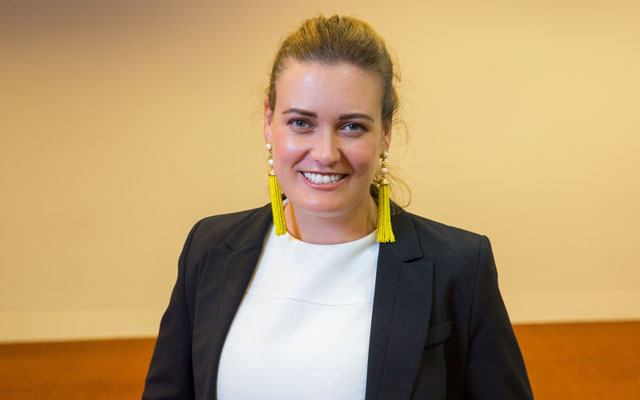
Additionally, Low is responsible for driving Digital Health integration within the Group across Asia-Pacific, via implementing innovative telehealth and medical technology solutions.


A new Four Seasons soars above Japan’s capital

0

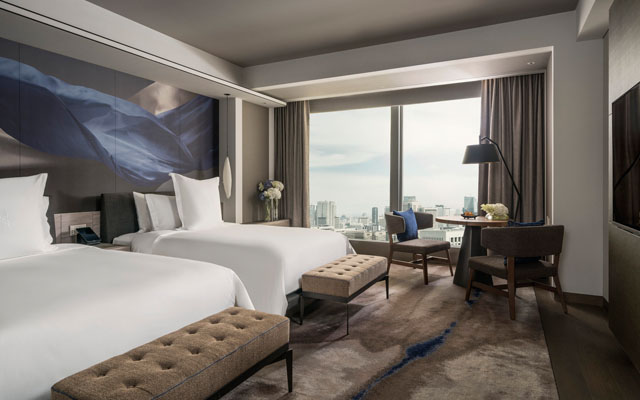
Rising above Tokyo’s oldest neighbourhood and steps away from the Imperial Palace is the all-new Four Seasons Hotel Tokyo at Otemachi.

The hotel is housed on the highest floors of the new 39-storey tower, and offers 170 Jean-Michel Gathy-designed guestrooms and 20 suites including the 38th-floor Imperial Suite.

There is a total of 1,370m² of flexible event space across multiple venues, most of which can be directly-accessed on the third floor. Spaces include a naturally-lit Grand Ballroom with six-metre-high ceiling, and several additional function rooms and outdoor terraces.

Separately on the 39th floor, the Social Room is a residential-style venue for executive meetings or private cocktail receptions.

There are four restaurant and bar concepts here, ranging from Italian restaurant Pigneto to the Virtu cocktail bar. Several of the hotel’s restaurants and bars also offer private rooms for business and social events.

Lastly, the spa offers five treatment rooms, alongside additional facilities such as steam rooms, Japanese baths, gym, and a 20m-long indoor pool.

Centrepiece at Melbourne Park has a new sales lead

0

Laura Reddaway has joined the Centrepiece at Melbourne Park team as conference and event sales manager.

She will oversee bookings for Melbourne’s newest venue that is working towards an official opening next year.

Reddaway has over a decade of experience as an event specialist across international tradeshows and venues. It includes positions with AIME (The Asia Pacific Incentives and Meetings Event), and ICMS Australasia, a PCO.

During her time with ICMS Australasia, she worked on some of the largest international conferences in the country, including the World Congress on Public Health and World Park Congress.

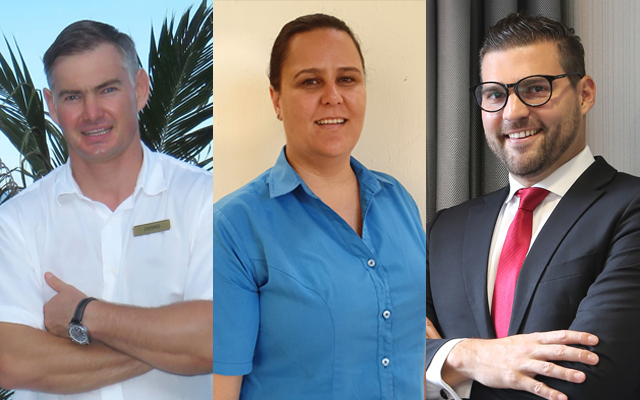
Avani makes six GM appointments

0

Internal strength

0
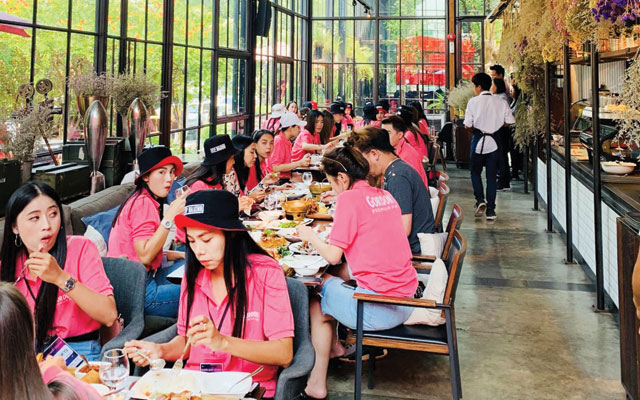
The AirSpace Khao Takiab in Hua Hin is a brightly-lit space that welcomes corporate clients

Even as Thailand’s once thriving business events industry takes a harsh beating from the Covid-19 pandemic, the Thailand Convention and Exhibition Bureau (TCEB) has remained in the thick of the action to ensure the Kingdom maintains a presence in the minds of decision-makers.

In the last few months, the convention bureau has implemented a Covid-19 Information Cente to help keep industry professionals up to date on government measures, infection count in Thailand and worldwide, and other critical developments; launched a MICE Venue Hygiene campaign backed by industry associations to certify venues; and unveiled initiatives such as Virtual Meeting Space and Covid-19 Free Meeting projects to help bring events online and equip suppliers with appropriate technology.

The AirSpace Khao Takiab in Hua Hin is a brightly-lit space that welcomes corporate clients

To further stimulate the industry, TCEB has additionally unveiled a new marketing campaign, I M PEOPLE FOCUSED, that gives event organisers access to US$500,000 worth of financial support and an equivalent value in complimentary products and services from participating partners.

The campaign is underpinned by the EASE UP Recovery Campaign, which will also include up to five million baht (US$158,843) in grants to industry members.

At press time, domestic business events are gradually resuming, instilling a sense of cautious optimism among industry players who have made changes to operations to ensure a safe return of activities.

Vitanart Vathanakul, CEO of the Royal Cliff Hotels Group, which owns four hotels and the Pattaya Exhibition and Convention Hall, is encouraged by the resumption of domestic events across the country and at his properties.

“We had to lock down temporarily like everyone else in Pattaya (during the height of the pandemic) for health and safety reasons, but we used that time to prepare ourselves.
“Now, we have launched the special Protection-C meeting package tp conform to hygiene standards, and we are encouraged to see the confidence our clients have in us to resume events at our venues,” he elaborated.

Herman J Ehrlich, general manager of Conrad Bangkok, said domestic meeting planners can be assured of cleanliness standards – pegged Hilton CleanStay and HiltonEventReady – that Hilton has implemented.

Ehrlich also highlighted the launch of the Thai Chana app which helps to track the spread of Covid-19.

“(It) is an excellent initiative that is easy to use. The entire country has embraced the efforts to combat the spread of Covid-19 in an exemplary fashion which in itself is comforting and inspiring to visitors,” he remarked.

While Thai event planners and hoteliers will only have the domestic market to serve for the time being, until international borders are reopened for all travel purposes, and it is positive to note that both the capital, and its surrounding regions, offer numerous options for small corporate meetings and teambuilding sessions.

Creative dining in and around the Thai capital
Post-lockdown, Bangkok is humming again with many wonderful dining experiences, suitable for smaller-sized team gatherings or company meetings.

These include Neo-Indian fine dining restaurant and urban farm Haoma, suitable for groups that are looking for a sustainable eating experience; as well as the Local Aroi dining experience by Local Alike.

Local Alike is a collaboration between Bangkok chefs and chefs from local communities around Thailand that hopes to inspire visitors to visit other regions in the country by tempting them with delicious food. Its eight-course meals are hosted in private local community venues and suitable for groups of 20 or less.

The bordering provinces of Bangkok also have much to offer.

For instance, the province of Nakorn Pathom, 2.5 hours away, is worth a look. In Nakorn Pathom – which means first city – domestic visitors can view the world’s biggest Buddhist stupa and have a feast at the epic street food market next door; as well as visit the European-style Sanam Chandra Palace.

Groups can also choose to stay at, or pay a day visit to Suan Sampran organic farm, which offers numerous sustainable and group-friendly workshops for teambuilding purposes.

Cultural heritage in Pattaya
Pattaya is more than a worn beach and party scene, as the coastal city is also home to some fascinating local experiences.

With Hivesters, visiting groups can delve into the area’s coconut industry by visiting the Takhian Tia community, located in the Bang Lamung district of Chonburi, approximately 30 minutes from Pattaya’s city centre.

There, visitors can bike through the local coconut plantation, pick coconuts from coconut trees, try their hand at breaking open the freshly-harvested fruits, and sip coconut lattes while chatting with the farmers who know the fruit inside and out.

The Takhian Tia community is also home to the Hundred-Pillar House, a cultural site that preserves the community’s history. Workshops such as vegetable and herb gardening, as well as the making of a mahotara (a hanging bouquet made of kite or coloured paper used to decorate temple and houses), can be arranged.

Also not to be missed is the Sanctuary of Truth Museum. The gigantic all-wood construction, created by Thai craftsmen without using a single nail, stands at the Rachvate Cape of Naklua in Pattaya City. All these open-air experiences are social-distancing suitable.

Moving further afield Hua Hin
Hua Hin has risen to popularity post-Covid as a self-drive destination that travellers can easily reach from Bangkok.

Although it is known as a gentle resort town housing the Klai Kangwon Palace, the city is also a suitable meeting destination, offering the Holiday Inn Vana Nava Hua Hin which features 950m2 of flexible event space, including five function rooms and a large ballroom, all named after marine animals in Thai. The property also works for business guests with families, as it is linked to the Vana Nava Water Park and offers a kids’ club.

Also in Hua Hin is Air Space Khao Takiab, a restaurant that pays tribute to the aeronautic heritage of the beachside town. Prince Purachatra Jayakara, King Rama V’s 35th son, was the first Thai to fly on an airplane. He founded the air transportation system in Thailand, and also built the first hotel in Hua Hin and the famed Chatchai Market.

Today, a wooden model of the airplane he built – reminiscent of the Wright brothers’ creation – hangs from the ceiling of the restaurant. The greenhouse-style venue allows lots of natural light, and is a suitable bookout venue for corporate lunches and meetings.

Hua Hin also sits next to Keang Krachan National Park, the country’s most extensive national park, which would appeal to more adventurous groups. Activities such as river rafting can be arranged, to foster teambuilding and work off lockdown-imposed steam. There are epic views to be had from the top of Kaeng Krachan Dam.

Accommodation-wise, Keang Krachan offers many riverside hotels and resorts which are suitable for small corporate groups.

Staying agile during a pandemic key to associations’ survivability

0
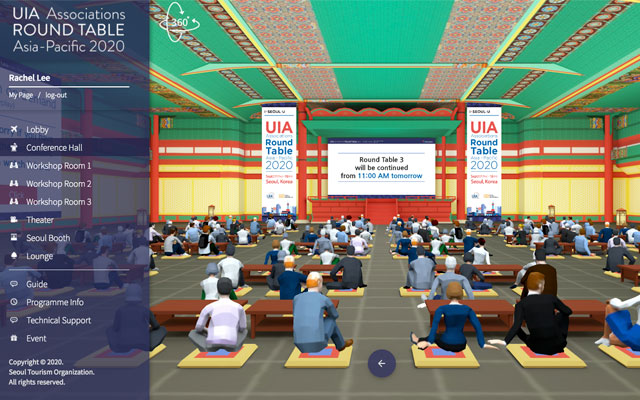
A sceenshot from the landing page of the UIA Round Table APAC conference, hosted by Seoul Tourism Organization

Covid-19 is one of the largest challenges associations are currently facing and ensuring one doesn’t become a casualty of the pandemic will be a long and uphill task, opined association heads.

Speaking at the virtual UIA Round Table Asia-Pacific 2020 last week, hosted by the Seoul Tourism Organization, association leaders said current pressing problems include declining revenues, cash flow shortages, weak membership demand and retention, uncertainty about business continuity, and the need to adapt service delivery to an online model.

A screenshot from the landing page of the UIA Round Table APAC conference, hosted by Seoul Tourism Organization

Octavio B Peralta, secretary-general of both the Asia-Pacific Federation of Association Organizations, and Association of Development Financing Institutions in Asia and the Pacific, shared that the impact of Covid-19 has hurt the associations sector in several ways.

“These are difficult times. It’s not only about revenue now, because engagement has also become more important than ever, and finding ways to communicate and engage with your members during this time is crucial,” he stated.

Zar Gomez, regional coordinator, Caritas Asia, said: “We are used to responding to hurricanes, typhoons, or earthquakes in a certain area, but this time, the situation is on a global scale. It makes resource mobilisation (to help other communities affected by Covid-19) even more challenging.”

Caritas Asia’s 2020 budget was also cut by 70 per cent due to the pandemic. However, even before Covid-19, the organisation was already dealing with dwindling resources for funds at some of the offices.

To manage the pandemic, Gomez said that many Caritas organisations in Asia are now mobilising local resources to provide assistance in their respective countries, or are working with other faiths and faith-based organisations to maximise available resources. Others cope through networking and liaising with their governments.

Internally, a task force was also created to check on staff and their well-being, to help manage the side effects of Covid-19.

Peralta advised associations to quickly pivot to digital if they haven’t already, as it is tough to engage members without the help of webinars and videos. Associations also need to think about whether they can afford to monetise these online resources, because without physical conferences, revenue has fallen. In addition, the content must be relevant, so that it will continue to engage and stimulate conversations among members.

“Aside from pivoting to digital, forming partnerships with other associations, upskilling and developing your staff professionally, and planning ahead for the turnaround – although not too far in advance as situations can rapidly change – is also necessary now,” Peralta added.

Both Gomez and Peralta also stressed the importance of managing an association’s reserves and ensuring it stays healthy, to help associations weather this unprecedented storm.

Reviews

The Ritz-Carlton, Bangkok

The newly-opened Ritz-Carlton, Bangkok anchors the One Bangkok development with cosmopolitan elegance. Featuring the city's largest ballroom and a spectacular new penthouse suite, it delivers exceptional hardware and deeply authentic, soulful service for business and leisure travellers alike

Mama Shelter Zurich

Behind the imposing, Brutalist concrete that defines Zurich’s Oerlikon district lies a surprising secret. While its exterior honours the neighbourhood’s industrial roots, stepping inside Mama Shelter reveals a vibrant, neon-soaked world that is a far cry from its rigid shell

Hyatt Regency Kuala Lumpur at KL Midtown

A polished urban retreat designed for business travellers, Hyatt Regency Kuala Lumpur at KL Midtown combines thoughtful design, seamless service, and exceptional facilities.