Thailand-based DMC Tripseed has launched the first phase of its Economic Distribution Disclosure Initiative, a project that aims to map and label the economic benefit distribution of its Thailand operations.
To date, over 80 day tours and half-day tours have been labelled on the Tripseed website, identifying where the economic benefit from each tour goes geographically.
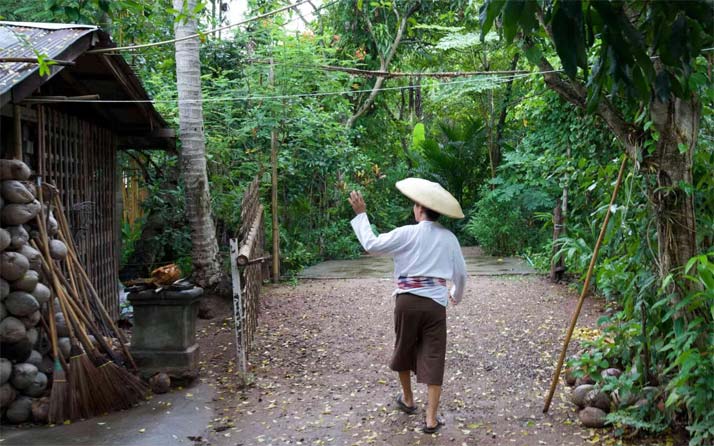
Tripseed conducts tours that connect guests with locals
This initiative is said to be the first in the touring industry.
Tripseed defines economic leakage as the phenomenon where money spent by tourists does not remain in the local economy, but instead flows out to other regions or countries. This often occurs when tourism-related businesses are owned by foreign entities and individuals, or when goods and services are imported rather than sourced locally.
Measuring and reporting on leakage transparently is crucial to creating a more sustainable and positively impactful tourism industry. By addressing these imbalances, the tourism sector can lead efforts to create fairer economic opportunities, ensuring that tourism benefits genuinely reach locals.
Reducing leakage benefits destinations by ensuring more revenue remains within destinations and local communities, and goes hand-in-hand with ethical tax conduct towards fostering sustainable development and providing funds for improving public services and infrastructure.
Tripseed’s methodology for calculating leakage reveals insights into revenue distribution. This first phase introduces a labelling system that highlights the geographical beneficiaries of touring activities. Secondary and tertiary phases will disclose further details about the genuine economic beneficiaries of tours, while a complete company-wide disclosure will detail how much of Tripseed’s cost base goes toward local individuals and businesses versus leaks overseas to foreign-owned businesses and multinational corporations.
Ewan Cluckie, co-founder and director of growth at Tripseed, said: “We ensure that all our revenue and profits attributable to Thailand products and services are recorded in Thailand, where we also pay our taxes. Although this might appear minor, profit shifting to foreign countries is a significant issue in the DMC sector, diverting essential income away from local economies. This practice often prioritises maximising profitability over truly investing in the sustainable development of the destinations where they operate.”
“By refining our methodology, we strive to uncover genuine socio-economic contributions to local communities and foster a tourism model prioritising ethical practices over profits.”
Flooded with natural light and anchored in indigenous design, the New Zealand International Convention Centre (NZICC) offers an intuitive, state-of-the-art environment built for effortless networking and large-scale global summits
Oakwood Premier Raffles Place Singapore brings serviced apartment-style accommodation to the heart of the city's financial district, offering business and leisure travellers a base within walking distance of the CBD and key attractions.
Just 10 minutes from Phuket International Airport on the serene northern coast, this 178-key, Bill Bensley-designed resort offers delegates a quiet, tropical paradise steeped in Phuket’s tin-mining heritage












Thailand-based DMC Tripseed has launched the first phase of its Economic Distribution Disclosure Initiative, a project that aims to map and label the economic benefit distribution of its Thailand operations.
To date, over 80 day tours and half-day tours have been labelled on the Tripseed website, identifying where the economic benefit from each tour goes geographically.
This initiative is said to be the first in the touring industry.
Tripseed defines economic leakage as the phenomenon where money spent by tourists does not remain in the local economy, but instead flows out to other regions or countries. This often occurs when tourism-related businesses are owned by foreign entities and individuals, or when goods and services are imported rather than sourced locally.
Measuring and reporting on leakage transparently is crucial to creating a more sustainable and positively impactful tourism industry. By addressing these imbalances, the tourism sector can lead efforts to create fairer economic opportunities, ensuring that tourism benefits genuinely reach locals.
Reducing leakage benefits destinations by ensuring more revenue remains within destinations and local communities, and goes hand-in-hand with ethical tax conduct towards fostering sustainable development and providing funds for improving public services and infrastructure.
Tripseed’s methodology for calculating leakage reveals insights into revenue distribution. This first phase introduces a labelling system that highlights the geographical beneficiaries of touring activities. Secondary and tertiary phases will disclose further details about the genuine economic beneficiaries of tours, while a complete company-wide disclosure will detail how much of Tripseed’s cost base goes toward local individuals and businesses versus leaks overseas to foreign-owned businesses and multinational corporations.
Ewan Cluckie, co-founder and director of growth at Tripseed, said: “We ensure that all our revenue and profits attributable to Thailand products and services are recorded in Thailand, where we also pay our taxes. Although this might appear minor, profit shifting to foreign countries is a significant issue in the DMC sector, diverting essential income away from local economies. This practice often prioritises maximising profitability over truly investing in the sustainable development of the destinations where they operate.”
“By refining our methodology, we strive to uncover genuine socio-economic contributions to local communities and foster a tourism model prioritising ethical practices over profits.”