Corporate travel is shifting away from a pure cost-saving model toward a strategy that prioritises employee well-being and modernised Duty of Care standards.
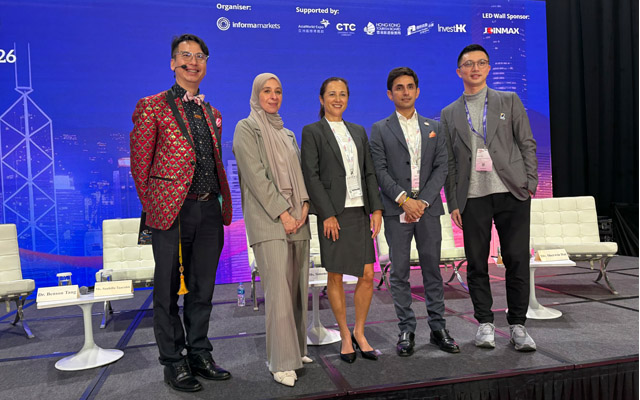
At a forum held during Connect Marketplace 2026 in Hong Kong, industry leaders discussed how travel policies are being redesigned to balance corporate financial goals with the necessity of supporting and protecting the traveller.
Rahul Marwah, sourcing & procurement advisory director at KPMG, noted that modern negotiations now prioritise necessity and due diligence over raw savings.
“Instead of making three separate trips, staff can combine multiple destinations into a single journey. This approach not only optimises costs but also ensures staff are well-rested, rather than trading well-being for business,” he explained.
Marwah added that KPMG now allows business class for flights over five hours regardless of seniority, noting that embedding ESG and social elements into policy is becoming essential.
Finding the right balance between company objectives and employee needs is crucial, added Souhilla Taarabit, group head of corporate travel services at Al-Futtaim.
Following regional instability in the Middle East, Al-Futtaim revised its policies to focus on “meaningful travel”. Taarabit emphasised that the best approach is to understand how a trip supports company outcomes.
“We revised our policy and introduced more parameters around meaningful travel. It is vital for employees to feel that we are taking care of them,” she said.
Flexibility has also become a priority, as noted by Simone Gibbs, former procurement lead at Toyota Finance Australia. She stressed the importance of maintaining flexible travel policies in light of ongoing disruptions and rising fuel surcharges.
“Since the pandemic, knowing where your people are at any time is really important for Duty of Care,” Gibbs highlighted. While many TMCs provide tracking portals, she suggested the “next level” involves paid services like International SOS, which can deploy people on the ground to provide direct assistance during a crisis.
Sherwin Dai, general manager for Greater China & North Asia at Trip.Biz, argued that more organisations are viewing travel programmes as a talent acquisition strategy.
He cited a global tech client that allows its 100,000 staff to book premium economy for any flight over four hours, sharing that the company saw a two per cent increase in the retention rate..
“From their perspective, it was well-spent money. More companies are realising that a strong, employee-centric policy is a way to attract and retain talent,” Dai stated.
Opinions remain divided on where travel management should sit within a corporate structure. At Al-Futtaim, the function is placed under Human Resources. Taarabit explained that this creates the most value for a diverse workforce: “The most vital step is to make sure employees understand we want them to feel good.”
However, Gibbs argued that while her former travel policy was owned by HR, it was not always managed effectively. She suggested that the best model involves operations and procurement working together.
“Procurement puts the agreements in place, but you need someone operationally to manage that supplier and gather traveller feedback,” she noted. Ultimately, she concluded that the ideal approach differs based on each company’s needs.