As Muslim professionals participate in international business events in growing numbers, event organisers are being urged to move beyond treating Muslim-friendly provisions as special accommodations instead of incorporating them into the overall attendee experience.
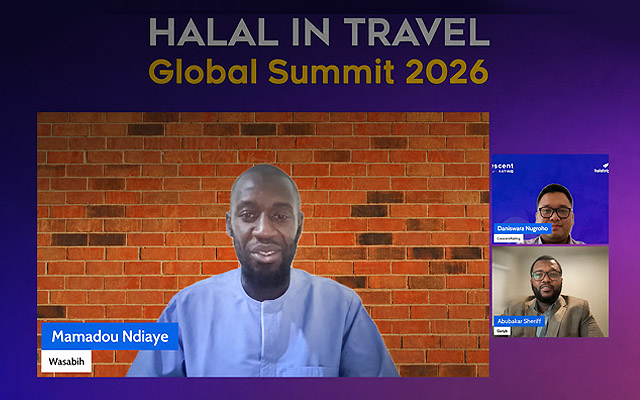
Speaking during the session, Niche to Normal: Designing and Executing World-Class Muslim-Friendly Events at the recent Halal in Travel Global Summit 2026, panellists said the industry risks overlooking a significant attendee segment if event design fails to keep pace with changing demographics.
Their comments come amid continued growth in the Muslim visitor economy. According to the Mastercard-CrescentRating Global Muslim Travel Index 2026, Muslim international arrivals are projected to reach 262 million by 2030, generating US$310 billion in annual expenditure, underscoring the growing influence of Muslim travellers and consumers across the wider travel and events ecosystem.
Mamadou Ndiaye, founder and CEO of Wasabih, a professional networking platform focused on the halal economy, said there remains a disconnect between the growing presence of Muslim attendees at business events, and the way many events are planned and operated.
Drawing on his experience attending conferences and tradeshows around the world, he said organisers often overlook basic requirements such as prayer facilities, ablution areas and schedules that accommodate prayer times.
“There is a big, big gap between the event, the design of the event, and what they are providing to some of their attendees,” he said.
According to Mamadou, the issue extends beyond non-Muslim-majority destinations. Even venues in some Muslim-majority countries are not always designed with Muslim attendees in mind.
He argued that Muslim-friendly event design should no longer be viewed as a niche consideration, pointing to the growth of the global halal economy and the scale of events such as the annual Malaysia International Halal Showcase, which brings together halal suppliers, buyers and investors from around the world, demonstrating the scale of the Muslim business ecosystem.
Abubakar Sheriff, founder and CEO of Qariyb, an event management platform built for Muslim organisations, said organisers should view Muslim-friendly provisions through the lens of attendee experience rather than as a checklist of requirements.
Too often, he said, organisers treat such requirements as operational adjustments introduced late in the planning process, instead of considering them as part of the overall event journey.
“When you have attendees who have been thoughtfully cared for, they are more fully engaged and are likely to return,” he said.
For Abubakar, many improvements do not require major investments. Instead, they require organisers to better understand attendee needs through registration data, attendee feedback and pre-event planning.
He added that personalisation, inclusivity and accessibility should also guide how organisers cater to Muslim attendees.
Both speakers called for greater collaboration between organisers, venues and attendees to improve event experiences.
Mamadou encouraged attendees to provide feedback through registration forms and post-event surveys, while Abubakar urged organisers to collect more meaningful data on attendee needs and preferences.
The session was moderated by Daniswara Nugroho, head of business development and events at CrescentRating and HalalTrip.