


Darwin was chosen to host the 10th World Archaeological Congress, attracting more than 2,000 industry professionals.
Brought to you by Northern Territory Business Events
When the 10th World Archaeological Congress (WAC10) was staged in Darwin in Australia’s Northern Territory (NT) in 2025, it was the NT’s strategic proximity to Asia, capacity for a meaningful connection to the world’s oldest living culture and spectacular archaeological sites that impressed more than 2000 delegates from 80 countries.
International business event held in Australia for the first time
The World Archaeological Congress (WAC) was founded in 1985 and is a non-government, not-for-profit membership organisation offering a forum for those who study or have an interest in the past. The quadrennial Congress attracted archaeologists, heritage professionals, anthropologists, historians and Indigenous leaders from across the globe for a week of knowledge sharing, cultural exchange and collaboration.
The Northern Territory was selected as the host destination for WAC-10 as a result of a bid prepared for Flinders University by the NT Government’s official convention bureau, Northern Territory Business Events. As part of the bid process, Charles Darwin University’s Northern Institute was identified as a supportive NT host partner for the congress.
Learning from the world’s oldest living culture
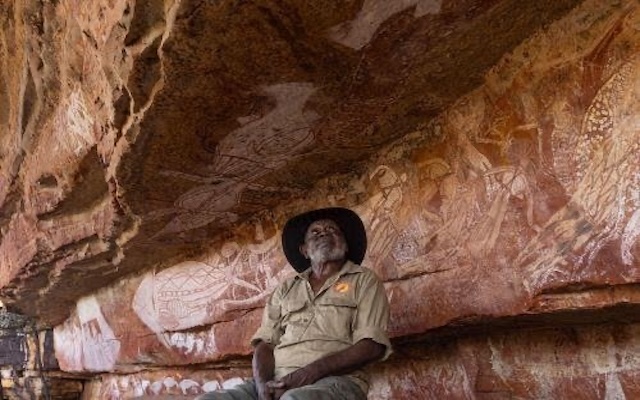
Technical tours guided by scientists and the Traditional Custodians enabled delegates to visit Kakadu, Australia’s largest National Park, which is dual-listed on the UNESCO World Heritage Register for its unparalleled natural ecosystems and immense archaeological and cultural significance.
Spectacular locations such as Nourlangie and Ubirr were included, home to some of the greatest rock art masterpieces in the Park. Delegates also visited the township of Cooinda which sits on the banks of the Yellow Water Billabong, and is recognised as one of the most spectacular wetland regions in the world.
Delegates said the NT’s cultural connections made a significant contribution to the success of the Congress.
“I love how connected Darwin is with the local culture,” said Ruben Claro “Kim” Reyes IV, graduate and researcher with the University of the Philippines School of Archaeology. “My favourite part was being able to explore Kakadu. It was amazing seeing the artwork and even more amazing to see the living stakeholders of these important archaeological sites, still here today.”
Legacies and community engagement
One of the Congress sessions featured the official launch of the Barunga Aboriginal Knowledge Centre. Located in a remote NT Aboriginal community, the Barunga Centre provides a platform for Aboriginal people to earn income by teaching cultural protocols and conducting research on Aboriginal society and culture.
“Personally, I’ve found the Indigenous component really enlightening,” said professor Karina Croucher, professor of Archaeology, Heritage and Wellbeing at the University of Bradford in the UK.
“With the support of Indigenous communities, it just highlights the way forward for archaeology – of people working together, of community, of us thinking about the future and the role that archaeology can play. I think the Northern Territory is a fantastic location to actually highlight those themes.”
A diverse archaeology programme
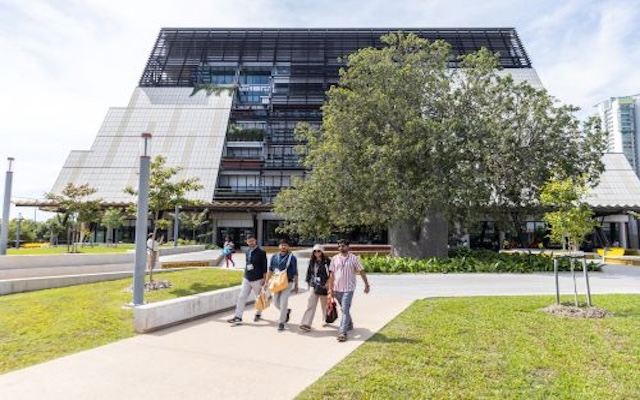
The academic programme staged at the Charles Darwin University city campus encompassed plenary and general sessions, academic workshops, forums, keynote panel discussions and poster presentations – a total of 175 sessions focussed on 26 different themes, with 20 sessions running concurrently.
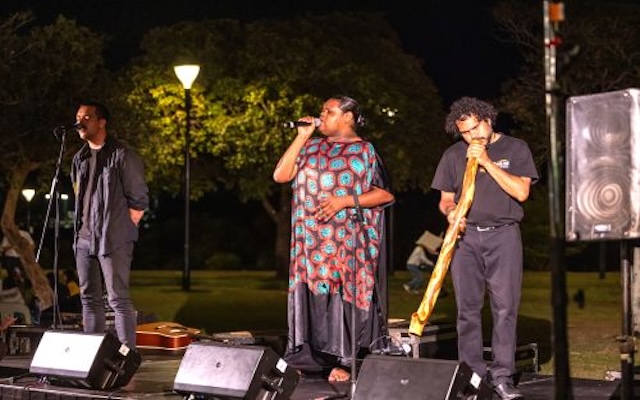
A cultural festival ran parallel with the WAC-10 programme, showcasing Indigenous cultures from various nations. It featured visual and performing arts, with Australian Aboriginal Elders, teachers and artists sharing their stories, artworks and ancient traditions.
Social programme embraces cultural themes
The WAC-10 opening night reception was staged at the NT’s premier cultural facility, the Museum and Art Gallery of the Northern Territory, whilst a gala awards dinner for over 1,200 guests was held outdoors
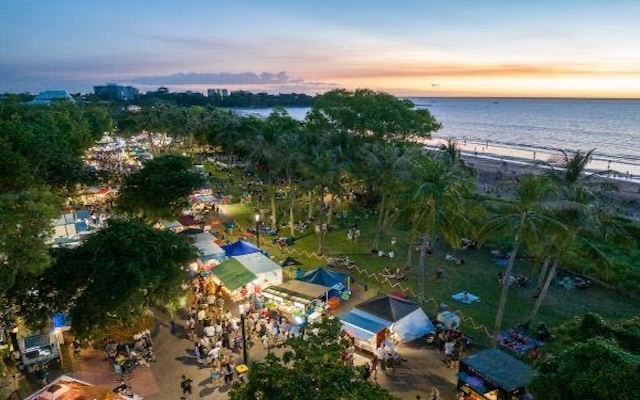
on the Darwin Esplanade in parkland overlooking Darwin Harbour. An informal dinner was also staged at Mindil Beach Sunset Market, with more than 200 specialty stalls featuring multicultural cuisine, art, crafts and entertainment.
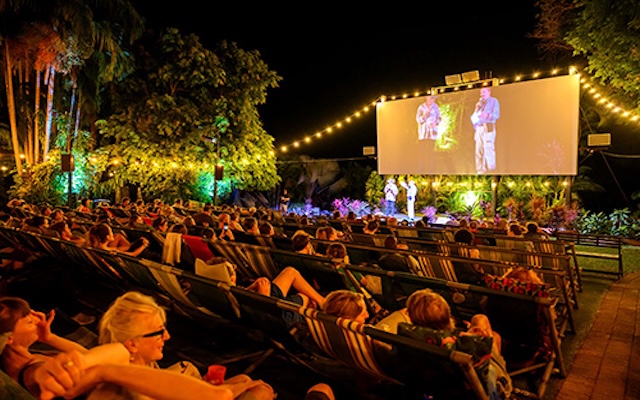
Another uniquely-NT event was the screening of the award-winning Indigenous film Ten Canoes at Darwin’s iconic outdoor Deckchair Cinema, which sits nestled in lush gardens on the edge of Darwin Harbour.
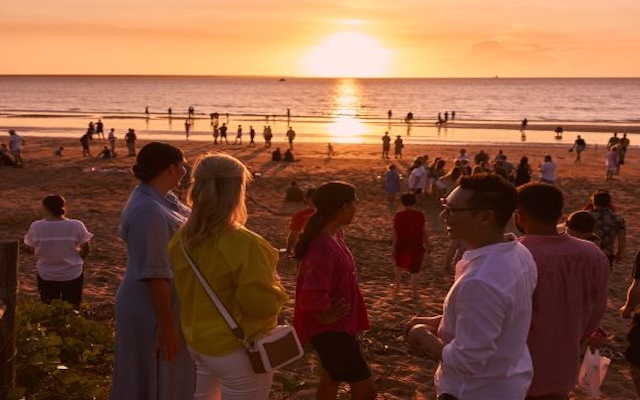
Pre- and post-congress touring options offered to delegates included cruising on Darwin Harbour, visiting stunning Nitmiluk (Katherine) Gorge, Arnhem Land, Kakadu and Litchfield National Parks and staying in NT outback lodges.
The WAC-10 academic secretary Professor Claire Smith AO highlighted Darwin and the NT’s great connectivity for international delegates: “With 50 per cent of our delegates coming from overseas, Darwin was a great destination in terms of air access. The direct flights from Singapore took just over four hours, with one-stop connections from the UK, Middle East, Africa, America and beyond. I don’t think Darwin can be beaten as an international congress city.”

Further information on Australia’s Northern Territory for business events is available at www.ntbusinessevents.com.au