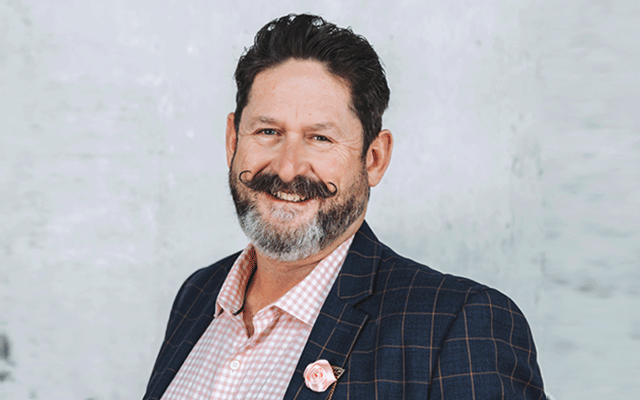
As director of operations at New Zealand International Convention Centre (NZICC), Ian Love is helping to shape the venue experiences of the future. He believes that truly memorable events are built on three core pillars: genuine hospitality, resourceful thinking, and a culture of kindness
You relocated from Australia to take on this role at NZICC. What drew you to it?
At this stage of my career, I just want to do things that are fun. I am not looking to climb the corporate ladder anymore, and want projects that energise me.
Actually I was not looking for another role. NZICC reached out, and after meeting (NZICC general manager) Prue Daly, seeing the opportunity to open a brand new convention centre, I was hooked.
What really appealed to me was the chance to build something from scratch. Most convention centres follow a fairly standard model, but here there was a genuine desire to present New Zealand to the world.
That meant everything, from the service, style and food philosophy through to the wine list and even the plates we selected, could be driven by a distinctly New Zealand perspective.
What is your vision for NZICC?
Operations touches everything that happens in the building on event day, so my vision is simple: deliver exceptional service.
For me, that is about anticipating what delegates need and creating genuine, warm hospitality. You can provide elevated service without being overly formal or stuffy.
New Zealand is a relaxed, multicultural country and we wanted guests to experience that naturally. If we recruit people who genuinely enjoy looking after others, then hospitality becomes authentic rather than scripted.
Kindness underpins everything. Whether it is smiling at someone, helping them with something small or simply noticing when someone needs assistance, those little moments are often what people remember.
The official launch was a memorable experience, with guests entering a dark exhibition hall lit only by a giant sculpture of the sun. What was the thinking behind that?
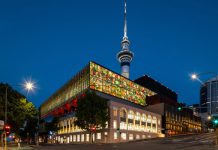
The whole opening was built around the concept of light.
Guests entered through the sun, then moved to Level 5 where they looked out across Auckland Harbour at the sunset, before finishing in the theatre representing the night sky.
Our operations team looked at ways we could enhance that experience. One example was creating a Helios cocktail that matched the colours of the installation.
Clients often come to us with the overall creative vision already established. Our role is finding ways to build on that and elevate the experience.
After more than 35 years in hospitality across four continents, you have delivered everything from the Sydney Olympics to backstage catering for global music acts. What have those experiences taught you about what people actually remember?
It always comes back to people.
One of my favourite events was an intimate dinner for eight where Neil Sedaka performed around a baby grand piano. We had to deliver flawless food and wine service without becoming part of the show.
That is what hospitality is about, understanding what the event needs and supporting it, without drawing attention to yourself.
Whether you are serving eight guests or thousands at the Olympics, timing is critical. But while everything runs to a schedule, guests should never feel like they are being rushed.
The personal touches matter most. Sometimes that is simply topping up someone’s wine, placing a napkin on their lap or recognising when someone needs extra help.
You have spoken about building service cultures. What defines a great operator?
Getting things done. During the Sydney Olympics, I unexpectedly found myself responsible for preparing accommodation for team officials before the village was ready. For two weeks I was getting up at four every morning, making beds myself and ensuring key arrivals had somewhere ready to stay.
During the Paralympics, the Norwegian team could not easily access their accommodation because the wheelchair route was not practical. A colleague and I ended up digging an accessible pathway ourselves overnight because nobody else was solving the problem.
That is probably not the textbook way to do it, but sometimes you just have to remove obstacles and make things happen.
Throughout my career, I have focused on service rather than P&Ls. If you get the service right, everything else follows.
Has there been a moment when things didn’t go to plan?
Probably our first live concert after opening at NZICC. The blessing and official celebration went beautifully, but the following night we hosted around 3,000 people for a Six60 concert and completely underestimated our retail operation.
We did not have enough outlets, our staffing model was not right and it was pretty chaotic. The good thing is that live events teach you quickly. Within a month, we dramatically improved our processes for subsequent events like Mel Robbins and Bic Runga.
Every mistake becomes a learning opportunity.
What is the most memorable project you’ve worked on?
This one.
I have had some incredible themed events over the years, from an elaborate Klondike-themed buffet in Canada complete with a bison head, to dessert buffets served on a frozen lake where guests arrived by horse-drawn sleigh, and all sorts of creative projects.
But NZICC has been different, as I have had the opportunity to build an entire team from scratch.
We have deliberately recruited people from hotels, arenas, restaurants, banqueting, from around the world because diversity of experience makes us stronger.
One initiative I am particularly proud of was inviting our customers to help curate our wine list. Rather than selecting wines ourselves, we invited 35 New Zealand wineries and hosted a tasting where clients, PCOs and industry partners rated the wines.
This is New Zealand’s convention centre, not ours, so it made sense that New Zealand’s industry helped choose the wines people will enjoy here.
Do you ever get nervous?
Not really. After dealing with 14,000 Metallica fans all wanting a bourbon during a 15-minute interval, not much fazes you.
Every problem has a solution. Our job is simply to understand what the client is trying to achieve and help them succeed. That extends beyond the client to exhibitors, contractors, AV companies and everyone working in the building.
If you are helpful and you’ve built strong relationships, solving problems becomes much easier.
At the end of an event, what tells you it’s been a success?
The energy. You can walk into a room and immediately feel whether people are enjoying themselves.
After a recent 1,400-person masquerade ball, I walked around simply listening to the atmosphere and watching the service. You could tell we had nailed it.
Even if you were thrown a few operational challenges behind the scenes, if guests leave talking excitedly about the experience, then you have done your job.
Finally, what legacy do you hope to leave at NZICC?
Ironically, I hope I am not missed. My goal is to build a team that is so capable they do not need me anymore.
I have set three goals for myself: open the building, operate it successfully and then hand it over.
I would also love for every future management appointment to come from within the existing team rather than hiring externally.
If I eventually walk away and everything continues seamlessly, then that is the best legacy I could hope for.