The Hong Kong Convention Ambassador programme, a network of distinguished business leaders championing the city for global meetings and conventions, is now carving new pathways for mainland Chinese associations looking to expand internationally.
Since expanding the programme two years ago to include mainland Chinese ambassadors, Meetings & Exhibitions Hong Kong (MEHK) has secured two meetings that were previously only ever held in China – the 15th China Chest Pain Centers Congress, which took place in April, and the We4Vet veterinary conference set for June this year.
Marilyn Tham, general manager of MEHK, shared that the 170-person-strong Hong Kong Convention Ambassador programme now includes 30 from China.
“China has always been our biggest source market for meetings and incentives, but we recently observed the potential for conventions too. There are more than 1,000 professional associations across China, and many are developed to a world-class standard. They rotate their conventions within China, but there is an opportunity for them to go farther,” shared Tham.
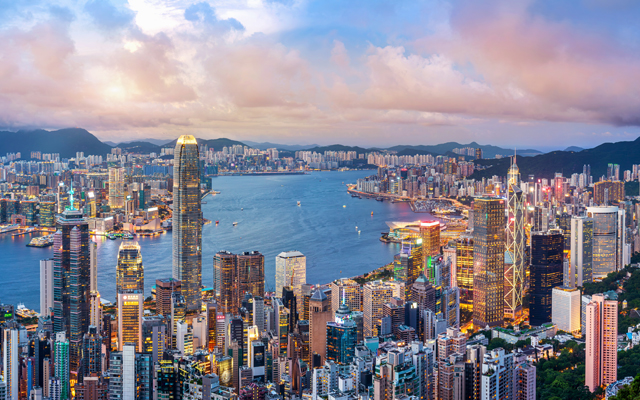
She said Hong Kong makes an ideal “springboard” for Chinese associations looking to go global, thanks to her city’s positioning as the meetings hub in the Greater Bay and connection to international markets.
“On one hand, we drive and invite lots of international conventions to be staged in Hong Kong, allowing them to gain access to 86 million residents as well as many Fortune 500 companies in the Greater Bay Area. On the other hand, Chinese associations will see the merits of meeting in Hong Kong and growing into the global space,” she added.
Tham highlighted how the 15th China Chest Pain Centers Congress serves as a prime example of the advantages of meeting in Hong Kong.
For the past 14 years, the event was attended solely by local healthcare leaders, physicians, nurses, researchers, policymakers, and industry experts. However, the Hong Kong convention drew record-breaking attendance – including international participants – allowing the association to achieve its goal of expanding a network of chest pain management and cardiovascular care centres beyond China.
When asked about further contributions from MEHK’s mainland Chinese ambassadors, Tham told TTGmice that bids are in progress. These ambassadors are supported by MEHK teams in cities like Beijing, Shanghai, Guangzhou, and Chengdu, all working together to secure more meetings for Hong Kong.
While MEHK will demonstrate its value as a growth partner for Chinese associations and convince them to retain their meetings in Hong Kong for a longer time, Tham acknowledges that these events may eventually move beyond Hong Kong.
“That is ok because we are happy to see them grow. There are more than 1,000 associations in China. When one moves out of Hong Kong, others from mainland China will come in,” she said.
Furthermore, Hong Kong is well-positioned to welcome more events as international associations increasingly split global congresses into smaller regional meetings, reducing travel costs for delegates.
Tham shared that despite rising cost concerns, associations prioritise Hong Kong because the city supports their event bids from start to finish, connects them with the right venues and partners, and helps promote their meetings globally.
“Financial assistance is common in Asia, and many of our neighbouring destinations are aggressive in this form of subvention. But funding is never the only reason for associations to pick a destination,” she stated.