Design Matters is designed to bring event professionals together to share best practices in the World Design Capital of Frankfurt
IMEX’s new Talking Point, Design Matters, is poised to elevate the business relationships at the heart of IMEX Frankfurt come May 19 to 21, 2026.
Guided by the belief that ‘good design is good business’, Design Matters is being planned as a catalyst to bring together event professionals and partners at the show, share best practices, and deepen the sense of belonging among the global events community.
The new Talking Point is especially fitting given that the Frankfurt RheinMain region – where IMEX Frankfurt takes place – has been named World Design Capital for 2026.
The show is set to bring together thousands of pre-vetted buyers and suppliers from around the world when it returns to Messe Frankfurt next month.
New education tracks
Design Matters will show up at IMEX Frankfurt through immersive activations, exhibitor booth activities, and across the over 200 session learning programmes.
Three of the four new education tracks will provide different perspectives on design: Design Matters; Designing for human needs, and Regenerative design. Together with the returning Experiential Event Design track, these four design‑led tracks will introduce attendees to fresh speakers, collaborators, and research shaping the sector.
Design Matters
IMEX CEO, Carina Bauer, explains: “When we move past surface level networking and find people who share our values, the events industry really shines. We believe this feeling of belongingis the foundation of strong relationships and strong business, increasingly called Return on Relationship. With that in mind, our new Talking Point is just one tool that will help those connections flourish, supported by some collaborations with exciting new partners and speakers.”
IMEX Frankfurt takes place from May 19 to 21. Register for free now.
Latest GBTA industry poll finds optimism waning, especially in Europe
Global business travel is continuing at a steady pace into 2026, but with significantly more caution, less confidence and more operational complexity than at the beginning of the year.
Organisations are still pressing forward with trips, spending and meetings, yet are doing so amid escalating conflicts, higher costs and growing disruption.
Latest GBTA industry poll finds optimism waning, especially in Europe
The shift can be seen across regions but is most pronounced in Europe, where industry pessimism now outweighs optimism as broader geopolitical conflicts are increasingly shaping travel routes, safety considerations, and meetings decisions worldwide.
In parallel, the travel manager role is increasingly strategic, including leveraging AI as a key enabler of smarter decisions and stronger organisational impact.
This is according to findings released by the Global Business Travel Association (GBTA) from its April business travel industry sentiment poll. Results broadly show a more cautious outlook compared with GBTA’s January poll, with organisations actively adjusting why and how they are travelling for work now.
“What we’re seeing is not a broad pullback from business travel, but a more deliberate and carefully managed approach to it. Organisations continue to travel and meet – and innovate – but they’re doing so while adapting to rising costs, operational friction and escalating geopolitical tensions,” said Suzanne Neufang, CEO of GBTA.
“These pressures are reshaping how, where and why companies are travelling now – making experienced business travel professionals more critical than ever to keeping travellers safe, navigating risk and disruption, and controlling budgets so organisations and people can continue to connect and do business.”
Risks and regional impacts: Geopolitical tensions now the dominant concern
Geopolitical instability has become the most significant external risk influencing business travel decisions in 2026, according to April poll respondents.
Nearly eight in 10 respondents (79%) now cite geopolitical instability and conflict as a top travel-related risk, making it the industry’s leading concern globally.
The impact is especially visible in Europe, where more than 9 in 10 respondents (92%) identify geopolitics as a primary risk, compared with 72% in North America.
Current geopolitical conflicts, including tensions involving Iran and the Middle East, are having tangible impacts on industry outlook and operations:
76% of buyers say geopolitical conflicts are having a moderate or significant impact on their organisation’s business travel and meetings decisions.
Travel suppliers report even greater impact, with more than four in five (83%) indicating these conflicts are materially affecting their customers.
Organisations report real-world consequences, including route and itinerary changes (50%), suspension of all travel to/within the region (50%), and re-evaluation of duty of care policies (36%).
Outlook and optimism: Confidence drops since January, especially in Europe Overall industry optimism has weakened considerably since the start of the year.
Just 41% of all global respondents say they are optimistic about the business travel industry in 2026, down from 59% in January.
At the same time, the share expressing pessimism has nearly tripled, rising from nine per cent in January to 24% of respondents in April, likely reflecting the heightened exposure to geopolitical instability, travel affordability pressures and overall disruption.
This erosion in sentiment is evident across both travel buyers and suppliers.
Buyer optimism fell from nearly six in 10 in January (59%) to fewer than four in ten (39%) in April, while supplier optimism fell from more than half (57%) to just over four in ten (45%).
Regionally, Europe now stands as the only region where pessimism outweighs optimism in terms of the year-ahead outlook.
Optimism among European respondents was relatively strong in January (58% optimistic versus 14% pessimistic), but fell significantly by April, with just 21% now optimistic and pessimism rising to 38%.
In contrast, North America remains net positive – 59% optimistic and 9% pessimistic in January – but optimism materially declined by April, with 45% optimistic and 19% pessimistic.
In terms of outlook for 2026, increasingly widespread concerns cited by all respondents include the affordability of business travel (82%, vs. 70% in January) and employee safety when they are travelling (67%, vs. 56%).
Spending, volume, and revenue: Business travel continues, but downside risk grows Despite the weakening outlook, business travel activity is expected to continue through 2026, but expectations have softened meaningfully since January.
Business travel volume:
Among buyers, 28% now expect volume to decline in 2026, a significant shift from 16% in January, signalling growing downside risk.
30% expect the number of business trips taken at their organisation to increase in 2026, down from 35% in January, while 41% anticipate their year-over-year volume to remain unchanged.
Business travel spending:
Expectations for spending remain comparatively stronger, driven by cost pressures. 43% of buyers expect travel spending to increase, similar to January levels.
22% now expect spending to decline, up from just 13% at the start of the year.
Business travel supplier revenue:
Travel suppliers are becoming more cautious in their outlook as well. Just 35% expect travel-related revenue to increase, down from 47% in January, while the share expecting revenue to decline has risen sharply since the beginning of the year (27% now vs. 7%). This reflects a more support-intensive and cost-constrained operating environment.
Meetings and events: Strategies adjust under pressure but in-person value holds Geopolitical risk and cross-border complexity are not only affecting individual trips but also reshaping meetings and events planning.
Over a third of buyers (38%) say they’re less likely to host multinational meetings in the US than they were six months ago.
More than half of buyers (56%) say their organisation has changed its meetings or events strategy in the past three months. This includes shifting some meetings or events to virtual formats (26%), cancelling meetings or events (24%), reducing employee event attendance (24%), and relocating meetings to different markets (22%).
European buyers (33%) are significantly more likely than those in North America (21%) to shift meetings or events to virtual formats, underscoring a higher level of disruption sensitivity.
At the same time, travel buyers emphasise that certain gatherings remain difficult to replace.
Sales and client meetings (53%) and conferences or trade shows (51%) are cited as the hardest in-person activities to shift to virtual alternatives – rising to 63% among European buyers for conferences and trade shows.
Travel management’s role: More essential than ever, more strategic by need
As disruption and evolution intensifies, the role of travel management and travel professionals is becoming increasingly strategic.
Seven in 10 buyers (70%) say the travel management function becomes more important during periods of disruption, with responsibilities moving closer to leadership, risk management, and enterprise decision-making.
Many report increased involvement in traveller safety, policy changes, crisis response, and meetings decision-making.
Regardless of region, by far travel buyers (92%) are confident their organisation can effectively support their travellers during a major disruption.
Artificial intelligence is becoming one of the clearest tools buyers see for operating more strategically. More than two in five buyers (41%) say their organisation is proactively implementing AI use cases while another 28% are leveraging AI embedded in existing travel tools.
Buyers view AI as a critical enabler and they are prioritising building AI and automation skills (37%) to drive better reporting, pricing insight, spend forecasting, and more informed decision-making and voicing their biggest barrier as data/privacy/security concerns (47%).
The GBTA poll was conducted online from March 25 to April 8, 2026, and drew responses from 539 GBTA members and non-members across North America, Europe, Asia Pacific, Latin America, Africa, and the Middle East. Respondents represented organisations with global, regional, and market-level responsibilities, and a wide range of business travel spending profiles.
Kang: Gyeonggi Province has a lot to offer business events
Gyeonggi Province – spanning 31 cities and counties – is charting a new course as a standalone business events hub, challenging the long-held perception that it serves as a backdrop to Seoul.
“Our primary goal is to position Gyeonggi not as an add-on to Seoul, but as a complete and independent MICE destination in its own right,” said Dong-han Kang, tourism business department director, Gyeonggi Tourism Organization (GTO).
Kang: Gyeonggi Province has a lot to offer business events
To establish this identity, GTO is focusing on two key priorities. The first involves combining urban convention hubs like Suwon and Goyang with nature-based venues in Gapyeong, Paju, and Yangpyeong to offer experiences that differentiate the province.
The second priority is being a leader in Green MICE. In 2025, GTO introduced the Gyeonggi-type Sustainable MICE Guidelines, featuring 70 measurable indicators across environment, social, and governance dimensions. For planners who aim to demonstrate ESG credentials, GTO is offering up to 25 per cent in additional funding support for events that adopt these practices.
As the headquarters for semiconductor and IT giants such as Samsung Electronics and SK Hynix, and host to the Pangyo bio-health cluster and a robust automotive sector, Gyeonggi also offers organisers direct access to South Korea’s leading innovation ecosystems.
“This makes us a natural fit for conferences and exhibitions in these sectors, including industrial facility tours that delegates can’t experience anywhere else,” said Kang.
On the infrastructure side, the province offers varying capacity for all types of events. For instance, the Suwon Convention Center features an exhibition hall, 28 meeting rooms, and a 256-seat theatre.
Meanwhile, KINTEX (Korea International Exhibition Center) in Goyang is undergoing a major expansion that will make it South Korea’s largest venue. Upon completion, the project will bring the center’s total exhibition capacity to 178,000m2.
Earlier this month, popular K-pop boyband BTS’ ARIRANG World Tour brought 129,000 fans to Goyang Stadium while merchandise operations ran out of KINTEX. Following this success, Goyang City launched Goyang Con-Trip, a structured programme linking concert attendance with local tourism to show that world-class entertainment and business events can coexist seamlessly, explained Kang.
Beyond these, the province offers unique venues like the UNESCO World Heritage Suwon Hwaseong Fortress for evening receptions, the DMZ Peace Trail for immersive historical experiences, and the nature retreats of Gapyeong and Yangpyeong.
To entice event planners, GTO offers a comprehensive assistance package. This includes financial incentives and a practical Green MICE Checklist covering 14 items across five categories.
Planners can also access complimentary site inspections, end-to-end event coordinator support from planning through to on-site execution, and curated access to a portfolio of over 25 unique venues.
“Planners who come to Gyeonggi with open expectations leave as advocates,” said Kang. “Our infrastructure is expanding, our unique venue portfolio is growing, and our ambition to compete on the global MICE stage is already backed by results. We genuinely believe Gyeonggi deserves a place on every international planner’s shortlist.”
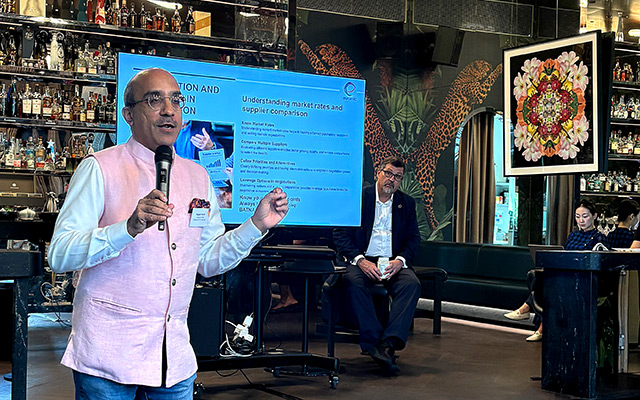
Meeting planners in Singapore, attending the half-day seminar organised by non-profit DMC marketing association euromic, were reminded they must be able and know how to negotiate contract changes in a market where supplier flexibility has dropped.
Addressing this at the April 23 training, Rajeev Kohli, joint managing director, Creative Travel – representing India and the Maldives for euromic – said: “Price is always a discussion, but what is more important is value.”
Rajeev Kohli speaking at the euromic event; photo by Caroline Boey
Kohli, who was euromic’s president for two terms, also spoke on knowing rates, comparing multiple suppliers, defining priorities and alternatives, and leveraging options in negotiations.
“Prices today are tighter, supply is smaller, especially in 2026, where there is a surprise every week,” he observed.
Buyers must understand price is not the only consideration, the importance of negotiating respectfully, and developing a deeper relationship instead of being transactional.
The foundation of negotiation is “win-win”, whereas the ongoing Middle East conflict is based on “win-lose”, he quipped.
A force majeure clause in a contract will only work if there is a deeper relationship as “nobody wants to give money back”, he opined.
According to Michael Kater, managing director of CTI, euromic’s member representing Germany and Austria, there were no questions on safety during the Asia roadshow which also covered Kuala Lumpur and Hong Kong.
Malaysian participants, for example, wanted general information on hospitality in the European Union, where since the start of 2026, most countries have implemented a two-tier VAT (value-added tax) system.
Kater said: “There is a lower level of between five and seven per cent, and a high level with most countries charging 20 per cent for non-essentials like luxury items.”
During his presentation, Kater explained that non-EU businesses claiming VAT paid on business-related expenses, for example, for accommodation, transport, or conferences, must have original, compliant invoices showing the VAT amount.
Companies outside the EU must meet specific requirements, such as filing within deadlines, usually by 30 June of the following year, he added.
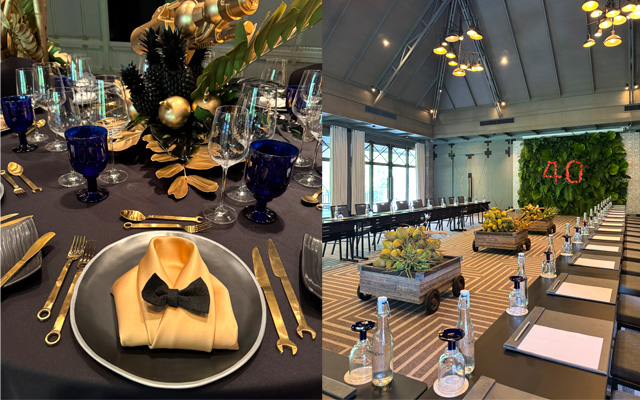
These experiences include excursions to James Bond Island, teambuilding challenges centred around the 007 legacy, and specialised event setups.
From left: James Bond-themed setup; Jomon Pavilion is one of The Slate’s indoor meeting venues
The connection to James Bond is more than just marketing; it is part of the resort’s DNA. It was the resort’s owner who originally convinced producers to swap Halong Bay for the now-iconic limestone karsts of Phang Nga Bay for The Man with the Golden Gun, shared Claude Sauter, general manager of The Slate Phuket.
Aligning with TCEB’s Meet Well campaign, the resort is also integrating corporate wellness into the boardroom, added Sauter. The Slate has tapped Niels Steeman, founder of Bangkok-based Thrive Approach, to facilitate modules focusing on stress management, sleep, and nutrition.
To provide planners with more off-site variety, the resort has also partnered with Junkyard Theatre – a quirky, high-energy venue 35 minutes away that hosts up to 120 pax for buyouts – and Coolies Club, a two-storey heritage restaurant in Old Phuket Town featuring zero-waste, fire-smoked cuisine, and cabaret performances.
“We’re looking to double our MICE revenue from the current 10 per cent by year-end,” Sauter told TTGmice, noting that the resort’s regional focus on the Singapore hub and Chinese buyers was established long before recent geopolitical shifts.
He identifies the property’s sweet spot as incentive groups or high-end corporate meetings of around 100 rooms, or 200 people. “This group size allows for exclusive use of venues like the Black Ginger (a Thai restaurant at The Slate Phuket),” he added.
Set within 25 acres of lush greenery, The Slate Phuket features seven meeting spaces, including a 550m² Grand Ballroom and the Coliseum Garden, a five-tiered lawn amphitheatre that can host up to 500 guests. For total seclusion, groups can buy out a three-villa cluster totalling 2,000m² of private space.
The resort has also spearheaded the North Phuket Alliance, a collective of 13 hotels stretching from Mai Khao to Nai Yang beach, positioning the North as a serene, logistically superior alternative to the island’s congested South.
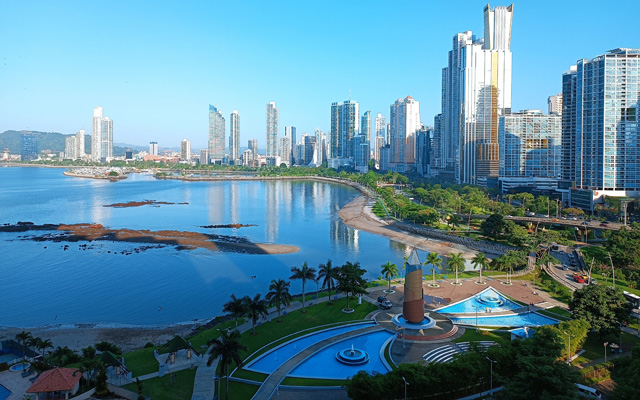
De León: the entire country is a drawcard; Panama City
Leadership at both the International Congress and Convention Association (ICCA) and Panama Tourism Authority have revealed that the upcoming 65th ICCA Annual Congress in Panama City would present a programme that would go off the beaten track.
While specifics about the conference programme have yet to be released, ICCA CEO Senthil Gopinath told TTGmice that the Congress “won’t feel like a traditional event”.
De León: the entire country is a drawcard; Panama City
He added: “It will be a shared space where associations, destinations, governments, academics, tech leaders, creatives, and investors all come together in real conversations. After Porto, we’re taking the next step. Panama City brings deeper, more candid C‑level discussions, with governments and ministries fully at the table. It feels like the right place, at the right moment, for where our community is heading.”
ICCA’s last global gathering in November 2025 marked a fresh new creative approach, where an ambitious new multi-venue format was deployed. Nine iconic locations across host city Porto in Portugal – from the historic Alfândega Congress Centre to the Stock Exchange Palace – were utilised to deliver five distinct content tracks.
Spreading the programme across the city also encouraged the involvement of Porto residents in the organisation and delivery – a successful demonstration of the positive community impact business events can bring.
Gopinath had then explained that the unusual Congress design in 2025 as well as the theme, Charting the Course, was spurred by the need for continuous innovation and transformation.
In an interview with TTGmice, Gloria De León, minister of tourism entity, Panama Tourism Authority, said her team is “designing an experience that goes far beyond a traditional congress, one where every moment has been thoughtfully curated with intention”.
When asked how ICCA members will be offered a meaningful introduction to both Panama City and Panama, De León said: “From the very first moment, through our unmatched air connectivity, modern infrastructure and strategic location, ICCA members will step into a destination that is alive with energy as a true crossroads of the world. Throughout the programme, experiences will extend beyond the venue into carefully curated settings, where every detail reflects the essence of Panama and creates meaningful connections.
“Attendees will have the opportunity to discover firsthand the many wonders of our country. We are confident they will be pleasantly surprised, not only by our rich and vibrant culture, our cuisine that truly delights or our extraordinary biodiversity, but above all, by our people.
“Our culinary journey will awaken the senses, blending refined dining with authentic local flavours through UNESCO-recognised gastronomy. Along the way, participants will uncover hidden gems and meaningful moments that bring Panama’s culture to life. Each experience has been designed to inspire creativity, spark new ideas and encourage innovation, setting the stage for an ICCA Congress that is not only memorable, but truly one of a kind.”
As with all ICCA Annual Congresses, the event is both an opportunity for members to interact with global colleagues and to explore a new destination.
De León believes that draws offered by Panama and Panama City will entice ICCA members to enrol in the Congress and extend their time in the country for pleasure, for it offers an unmatched diversity of experiences.
“In a short amount of time, you can explore modern infrastructure, a world-renowned engineering marvel, vibrant historic districts, lush rainforests 20 minutes away from the city, and pristine beaches on both the Pacific and the Caribbean. It’s a destination that allows you to experience more, effortlessly, in a place as authentic as its people,” she elaborated.
Another destination advantage is Panama’s people and sense of hospitality, she opined.
She detailed: “Here, you will feel safe, comfortable, and genuinely welcomed, and above all, cared for. That human connection transforms a visit into something much more meaningful. As a global hub connecting continents and cultures, Panama naturally brings people together. It’s a place where connections happen effortlessly, ideas flow, and opportunities grow.
“Here, visitors find much more than just a place for meetings, but a destination to work, innovate and enjoy on the same trip; that’s why attending the Congress is just the beginning, extending your stay becomes an essential part of the experience.”
Gopinath expressed hopes of all ICCA members and congress attendees taking home “something meaningful” at the end of the Panama City gathering. He would like them to leave the event with a “sense of belonging to a global community that connects people, shares knowledge, and genuinely improves lives”.
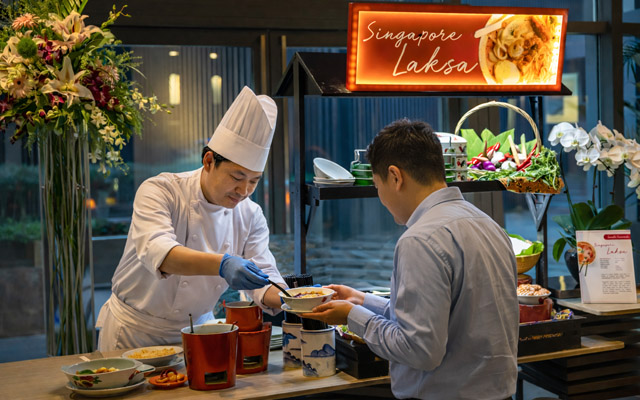
The package will feature iconic Singapore favourites such as laksa
ParkRoyal on Beach Road has launched its Signature Locale Meeting package, a new event offering that centres on authentic local touches that integrate Singapore’s culinary heritage into the meeting schedule.
Delegates will be treated to nostalgic mid-day snacks and iconic local coffee breaks, complemented by healthy preserved fruit packs at each seat to maintain energy levels. For groups prioritising mental clarity, the hotel has introduced wellness sessions – including Yoga, Zumba, and Tai Chi – led by certified instructors to refresh participants between sessions.
The package will feature iconic Singapore favourites such as laksa
To incentivise early bookings in a tightening 2026 market, the hotel is offering a tiered rewards structure for contracts signed by September 30, 2026. Planners can secure a three per cent discount on the master bill for their subsequent event, alongside a “1-in-25” offer providing one complimentary room and one suite upgrade for every 25 rooms materialised. Meeting organisers themselves are eligible for a personal upgrade to a Club Room or Suite.
In a significant boost for loyalty members, the hotel has accelerated its rewards programme. While eligible revenue typically earns 2X Pan Pacific Discovery Dollars (D$), those who confirm their bookings by 30 June 30, 2026, will receive 5X Discovery Dollars.
This promotion applies to new bookings for events held through December 31, 2027, with a minimum requirement of 10 rooms per night.
Asia’s aviation business most exposed to fuel shock compared to Europe and the US
Extensive schedule adjustments across South-east Asia airlines will have “profound impact” on intra-Asia travel
Changes to aviation structure possible – weaker airlines may consolidate, direct longhaul service launches are accelerated
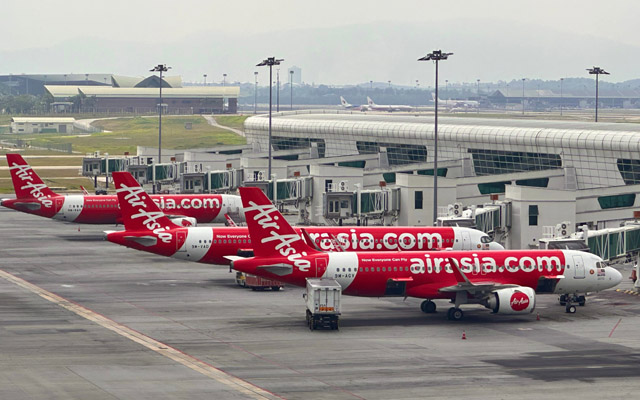
South-east Asian carriers, including AirAsia, pictured, have made changes to their flight schedules due to rising jet fuel prices and supply woes
More than 150,000 international flights have been cut worldwide between March and June 2026 compared to schedules before the US and Israel struck Iran on February 28, which led to the disruptive blockade of the Straits of Hormuz.
The closure of the Strait of Hormuz impacts the aviation industry, as it is the route taken by nearly 21 per cent of the world’s seaborne oil supply. Disruption of that flow has resulted in a price crisis and a physical supply constraint.
OAG Aviation’s Asia Pacific commercial and industry affairs lead, Mayur Patel, told TTG Asia that “the scale of the current disruption is significant and worsening”.
He detailed the impact: “Non-US airline capacity to and from US markets for the June quarter is expected to contract 2.3 per cent year-over-year, as higher fuel prices and possibly limited jet fuel availability led to significant capacity cuts.
“In Europe, the cuts are more dramatic: Lufthansa alone announced it would cut 20,000 flights from its schedule through the fall. SAS cancelled 1,000 flights in April, while KLM reduced capacity by 80 flights due to rising kerosene costs.
“In Asia, the impact is acute and, in some ways, structurally more exposed than Europe. The closure of the Strait of Hormuz has disrupted nearly 21 per cent of global seaborne jet fuel supply, forcing Asian carriers to carry extra fuel, add refuelling stops, and reduce flight schedules. Industry sources estimate at least 400,000 barrels per day of jet fuel normally produced in Asia-Pacific from Hormuz-transiting crude have been affected.”
Patel explained that “Asia’s exposure differs from Europe and the US because fuel hedging is weaker across the region, leaving more carriers directly exposed when crude and jet fuel surge”.
“Once jet fuel moved from US$85 to US$90 per barrel to approaching US$200, the impact on operating economics was immediate,” he stated.
A vicious combination of soaring jet fuel prices and supply woes has forced several Asian airlines to rethink their flight schedule.
In Vietnam, which is heavily reliant on imported energy, three airlines have adjusted their flight schedule to cope with potential supply constraints.
Nearly 20 per cent of international departures on 24 routes have been shaven off Vietjet Air’s schedule between March 29 and May 31 while 30 per cent in capacity reduction have been ordered by Bamboo Airways.
Vietjet Air said on March 25 that “proactive” schedule adjustments were necessary “to ensure stable operations across its network”.
Flag carrier Vietnam Airlines announced a two per cent capacity reduction between mid-May and June, with a suspension of seven domestic routes since April 1 and a removal of approximately 23 flights per week.
According to Vietnamese state media, Vietnam Airlines could cut up to 18 per cent of its international flights and as much as 26 per cent of its domestic operations should fuel conditions worsen.
In Malaysia, Batik Air has taken a 35 per cent hit on its domestic capacity, which Patel said was the “sharpest single-carrier domestic reduction in South-east Asia”. The airline cancelled flights to nine domestic cities from Kuala Lumpur International Airport. It also pulled out from Subang routes to Johor Bahru, Kota Kinabalu, Singapore and Jakarta.
Low-cost carrier (LCC) AirAsia ordered a 10 per cent cut network-wide and raised its ticket prices by as much as 40 per cent. At a media briefing on April 6, AirAsia founder, Tony Fernandes, said the costlier airfares were “unavoidable” and untenable routes where the high cost of fuel cannot be covered would be cut.
In Thailand, Thailand AirAsia cut back on 26 regional routes while Thai AirAsia X suspended services to Shanghai and Riyadh through June and reduced services to Tokyo, Osaka, Almaty, and Delhi.
Philippine carriers also adjusted operations following the president’s declaration of a national energy emergency on March 25.
A certain end to the war remains elusive at press time, and so the impact on Asian air network continues.
Thai Airways announced last week plans to reduce and cancel more than 46 flights on both domestic and international routes from May 2026 due to mounting fuel cost and a decline in travel demand.
Thai Airways CEO Chai Eamsiri told the press that the airline needed to improve resource efficiency and reduce flights with large numbers of empty seats and merge some services.
He stressed that the move was not permanent, and services would be restored should travel demand return during the high season.
Hong Kong’s Cathay Pacific and HK Express will begin to operate a reduced schedule from May through June.
Impact on intra-Asia travel
Asia-Pacific’s travel and tourism performance is reliant on its own market. Here, 68.3 per cent of inbound travel to the region in 2025 came from within itself, according to Euromonitor International. The world’s top 10 busiest fight routes also exist within the region, according to OAG’s Busiest Flight Routes of 2025 analysis.
As such, ongoing flight adjustments across Asia-Pacific will undoubtedly dent arrivals into destinations within the region.
Patel said: “Intra-Asia travel’s fundamental dependency on air connectivity means it has no effective substitute when capacity contracts. The reduction in flight services is expected to have a profound impact on tourism across the region.
“Countries that rely heavily on inbound travellers from Thailand and neighbouring markets may experience a slowdown in visitor numbers, with hotels, tour operators, and local businesses facing challenges as connectivity weakens.”
He also warned that the LCC sector, which underpins much of the intra-Asia travel economy, is under disproportionate pressure.
“Low-cost airlines in South-east Asia face some of the harshest choices because their model depends on cheap fares, quick turnarounds, and high aircraft utilisation. A fuel shock of this scale can erode that model fast, especially when fare increases of 15 to 20 per cent risk pushing price-sensitive travellers away,” Patel added.
With flight cuts “falling precisely during peak travel periods”, the impact on airline performance is “damaging”.
Singapore-based aviation analyst Brendan Sobie added that the current environment gave little hope for “any prediction of growth for intra-Asia travel”.
Impact on airline structure
With Asian airlines operating on a thin margin – about three per cent in 2025 and barely three per cent this year, according to industry watchers, the unfolding challenges could alter the aviation landscape.
In March, OAG highlighted a profitability challenge for Asia-Pacific’s aviation sector. It projected a consolidation among weaker carriers as a means to overcome the sustained fuel shock, and noted that such an outcome, while disruptive, would be consistent with the evolutionary maturation of emergent markets.
Sobie opined that potential consolidation might not be limited to smaller airlines, “as there are some big players that are financially very vulnerable right now”.
Sobie added that the fuel shock impact on airlines varied, depending on their network – if they were heavily dependent on the Middle East or longhaul routes, how much they are hedged against fuel price increments, and the level of price-sensitivity of their home market.
He warned that the longer the war continues, the more “collapses” are likely.
Patel: the reduction in flight services is expected to have a profound impact on tourism across the region
On a positive note, the fuel shock is accelerating several long-term transitions already underway, observed OAG in late-March. It has strengthened the case for direct longhaul services that bypass Gulf hubs, an argument now reinforced by operational necessity, not just commercial strategy.
Airlines operating Airbus A321XLR and A350-1000 aircraft, as well as those with future Boeing 777X orders, including Cathay Pacific, Singapore Airlines and Qantas, have a structural advantage in a network landscape where Gulf transits can no longer be assumed.
Impact on Asian air hubs
In a March review of the Middle East conflict’s impact on aviation businesses, OAG stated that Cathay Pacific and Singapore Airlines are short-term beneficiaries, thanks to their direct Asia-Europe networks being in high demand as Gulf hubs go dark.
The OAG review added that Changi Airport has emerged as an alternative routing hub, with bookings on Singapore-London and Hong Kong-London rising sharply.
A month on, Patel told TTG Asia that OAG maintains its view of Singapore Airlines and Cathay Pacific granting their home base airports an important hub status.
He added: “As Gulf carrier capacity contracts, some displaced longhaul passengers naturally seek alternative South-east Asian hub routings and Changi is the prime beneficiary. Singapore Airlines has maintained its Bangkok services unaffected, offering a premium reliability alternative at a time when Thai carriers are under severe stress.”
However, Changi Airport’s hub advantage is “not immune to a deepening crisis”.
Patel said: “The deeper risk for Changi Airport is a multi-year structural consolidation of global airline capacity, reducing the total number of airlines willing to maintain Singapore as a spoke.
He added that “Changi Airport’s structural advantages – including geography, infrastructure, Singapore Airlines Group’s network and fuel security measures” leave it better positioned than most hubs to manage the crisis, but “no hub is fully insulated” if global flight supply contracts.
“The key watch point for Changi Airport will be whether Singapore’s relatively stronger fuel reserves and supply chain management can sustain airline operations while competitors are rationing. Right now, the evidence suggests Singapore is managing this better than most of the region.”
Sobie concluded that the situation is still fluid, but “this industry is used to navigating crises”.
He refrained from drawing a longer-term scenario for the region’s aviation industry, stating that “no one knows how long this will go on for” and that “everyone hopes for fuel prices to come back down soon and the geopolitical situation to improve”.
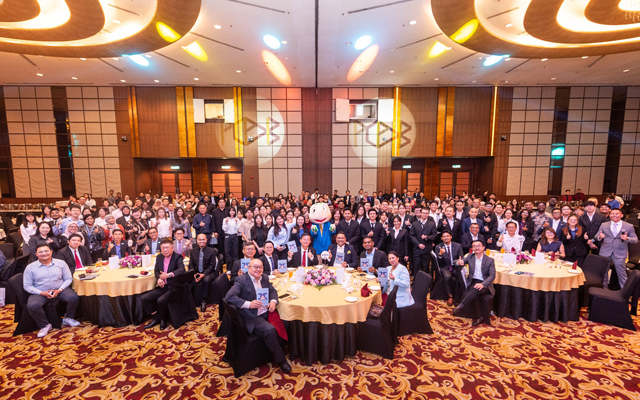
Stakeholders at the launch of the BE Associate programme
The Penang Convention & Exhibition Bureau (PCEB) has introduced BE Associate, a first-of-its-kind programme designed to bridge the gap between academic theory and the high-pressure demands of a the business events sector.
Unlike traditional academic courses, BE Associate is free for students and focuses on practical, real-world immersion. Its flexible structure that includes hands-on roles in operational support and event execution, direct mentorship from seasoned practitioners, and a digital platform connecting students with industry leaders for internships. Participants will develop core competencies in event planning, risk management, financial coordination, and innovative marketing strategies.
Stakeholders at the launch of the BE Associate programme
“BE Associate reflects our commitment to strengthening the industry from within,” said Ashwin Gunasekeran, CEO of PCEB. “Sustainability in this context is about continuity – developing talent, enhancing capability, and ensuring the business events industry in Malaysia remains competitive, adaptive and future-ready…”
Chow Kon Yeow, chief minister of Penang, added: “… By investing in talent development and industry readiness, we are not only supporting the growth of the sector today, but also ensuring its long-term resilience and global competitiveness. This initiative reflects our commitment to building a strong, future-ready workforce that will continue to drive Penang’s economic development.”
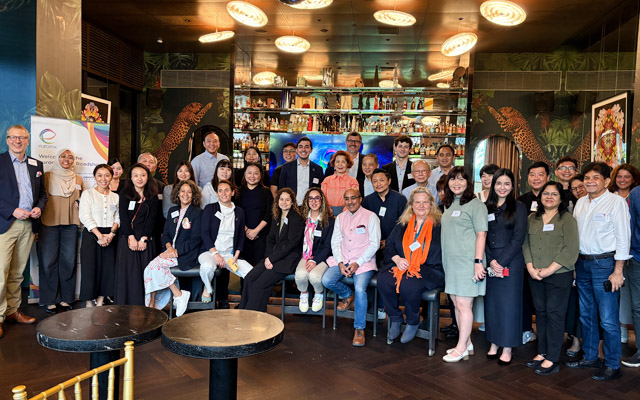
Non-profit DMC marketing association, euromic, mounted its first Asia roadshow with 10 international members travelling to Hong Kong, Kuala Lumpur and Singapore between April 20 and 23.
The aim was to meet local buyers to introduce euromic and provide practical international insight in a conversational, experience-led and discussion-driven learning setting.
The euromic cohort; photo by Caroline Boey
The event in Singapore, comprising a half-day seminar was attended by more than 40 local buyers, followed by an evening tabletop session and networking event with about 90 participants.
The DMCs, which are all member-owned, joining Global ConneX representing Singapore and Malaysia were: CTI (Germany and Austria); Creative Travel (India and the Maldives); S’Tours (Morocco), Delta Amsterdam (The Netherlands); Gastaldi Global DMC (Italy) Portugal Travel Team; Paloma Tours (Romania); Spanish Heritage; Green Inspirations (Tanzania, Kenya and Rwanda); and Barclay’s Group Travel, Tunisia.
The first Asia roadshow, according to Michael Kater, managing director of CTI, was well received and there are plans to expand and include Thailand in 2027.
“There was interest in KL, compared to euromic roadshows in other regions; and the industry is looking for information and participants were asking a lot of questions,” he added.
In his introduction of euromic and its members, Gunther Homerlein, co-founder and general manager of Destination China DMC and Xperience Events and Travel Singapore, (which is represented in Singapore and Malaysia by Global ConneX), highlighted the local presence of members, intimate knowledge of the destinations they operate in, coupled with high standards and partner relationships.
During the seminar, second-generation leaders like S’Tours’ Kamil Skalli and Paloma Tours’ Sergiu Badiu, shared their career journeys into the industry, giving advice to young Singapore professionals, while a panel discussion provided crisis management lessons from Spain and Portugal’s blackout last year.
The seminar ended with table discussions on how to sell destinations; future market trends and AI’s impact on client requests and the industry.
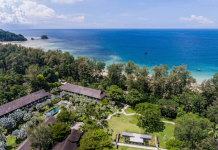
Just 10 minutes from Phuket International Airport on the serene northern coast, this 178-key, Bill Bensley-designed resort offers delegates a quiet, tropical paradise steeped in Phuket’s tin-mining heritage
The newly-opened Ritz-Carlton, Bangkok anchors the One Bangkok development with cosmopolitan elegance. Featuring the city's largest ballroom and a spectacular new penthouse suite, it delivers exceptional hardware and deeply authentic, soulful service for business and leisure travellers alike
Behind the imposing, Brutalist concrete that defines Zurich’s Oerlikon district lies a surprising secret. While its exterior honours the neighbourhood’s industrial roots, stepping inside Mama Shelter reveals a vibrant, neon-soaked world that is a far cry from its rigid shell