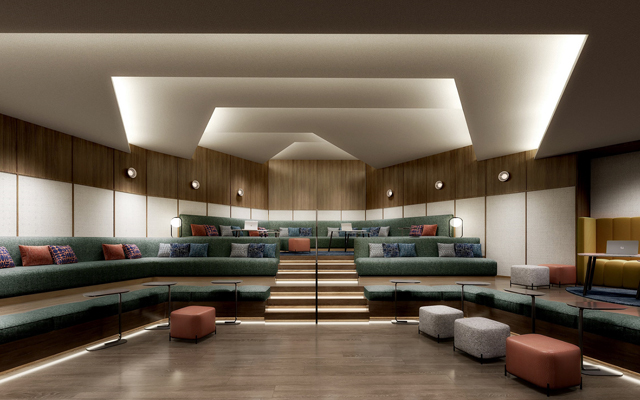
Hilton Tokyo has begun a multi-million dollar phased renovation of its event spaces, as part of ongoing efforts to meet continued strong demand and consolidate its position as a leading business hotel in Japan.
The hotel will revamp its entire third floor in the first stage of improvements, adding 200m2 of meeting space to the existing 1,000m2 to create modern, AV tech-enabled rooms designed to harmonise with Shinjuku’s traditional and contemporary craftsmanship.
The renovation, which is due for completion soon, will result in four meeting rooms, five function rooms, one pre-function room, three break-out areas, and one lecture hall.
Access to F&B services will be enhanced thanks to built-in or nearby facilities and greater capability to open up the floor, promoting the smooth flow of guests. The new spaces will have the highest-grade LED screens and digital audio technology systems.
Leo Frankel, commercial director of Hilton Tokyo, said: “This renovation allows us to capitalise on the surge in demand for MICE events from clients all over the world. Our new unique meeting floor is designed to meet the growing need for flexible space, enabling our experienced event team to provide seamless events, from enquiry to delivery.”
Alongside the renovation, more international team members are being onboarded to the event team, increasing the number of languages spoken to eight.
The hotel’s fourth floor, including its iconic ballroom, will be renewed in summer 2025.

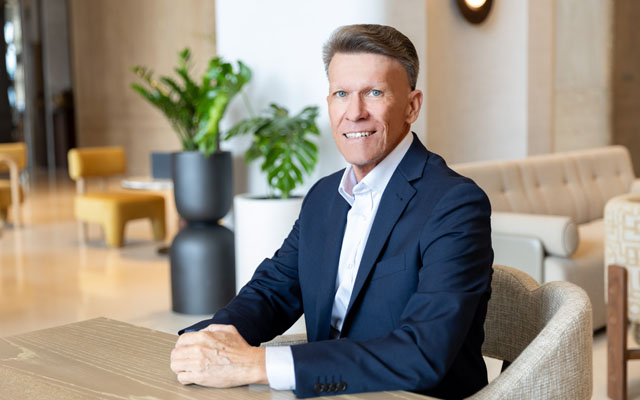
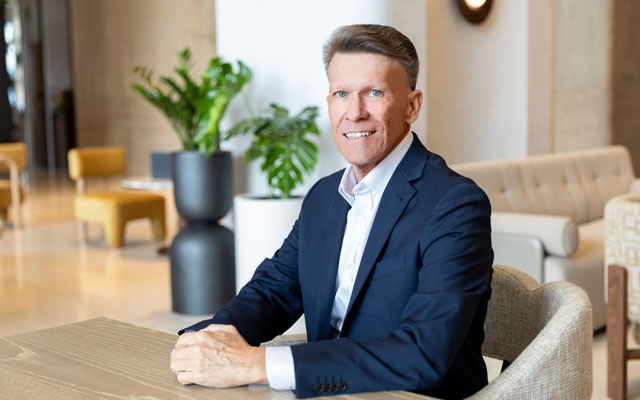 He most recently served as senior director of operations and general manager at the same property.
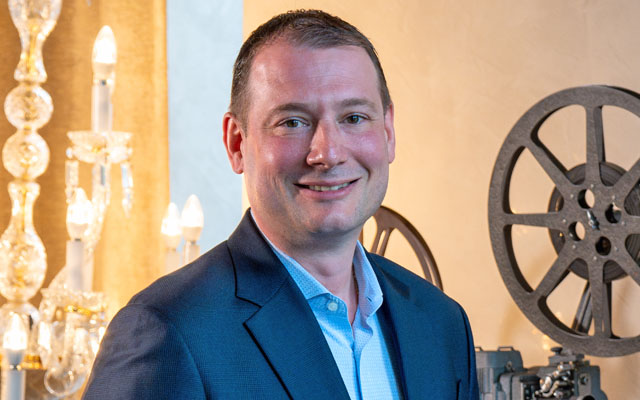
 Mercier will work on developing creating guest experiences, keeping sustainability goals and responsibility towards the community, as well as strengthening the hotel’s position in the competitive Bangkok market, such as culinary experiences.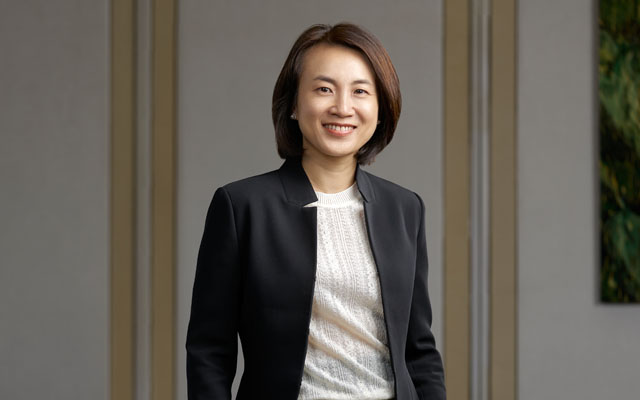
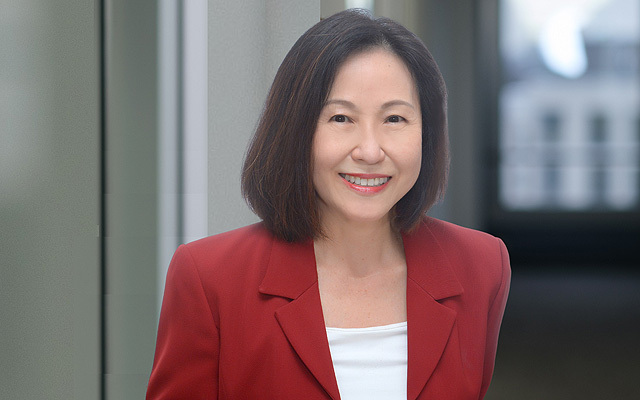
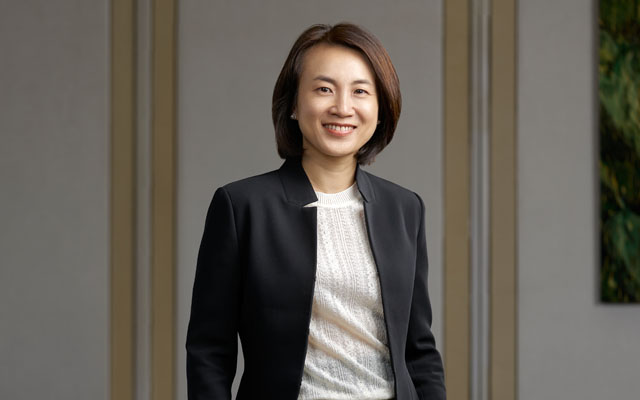 Bringing a wealth of experience in the hospitality industry to her new role, she was most recently vice president of finance at Rosewood Hotels & Resorts.