Over 1,100 business events professionals from New Zealand, Australia and Asia-Pacific are heading to Rotorua next week for MEETINGS 2024 – the national tradeshow for the business events sector on 19 and 20 June.
BEIA’s annual showcase will welcome a record number of buyers and exhibitors for two days at Rotorua’s Energy Events Centre, with a pōhiri and welcome function at the Sir Howard Morrison Centre on June 18.
MEETINGS 2024 coincides with Te Tau Hou Māori – the Māori New Year, when Matariki reappears in the dawn skies, and RotoruaNZ is also inviting hosted buyers to a special Matariki dinner on June 19 to celebrate.
New this year, MEETINGS Education sessions for buyers will be held during lunch breaks on both days, covering a wide range of relevant and trending topics.
Meanwhile, the Tourism New Zealand Knowledge and Destination Hub will host 23 different 15-minute targeted presentations throughout the two days of MEETINGS. Attendees can find out what’s new in New Zealand events with regional showcase updates from across the country,
Day buyers can register for free on the MEETINGS website. They can attend MEETINGS for any length and request priority registration for their choice of education sessions, complimentary activities in Rotorua, and return transport from Auckland.
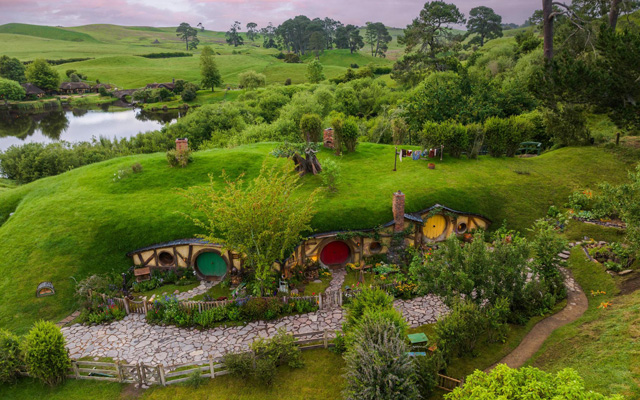
MEETINGS-related activities will start this weekend, when more than 30 Australian hosted buyers will be treated to a pre-MEETINGS tour of the Hobbiton Movie Set to experience the brand-new Bagshot Row development.
There will also be a one-day destination fam in Rotorua on June 18.
Business Events Industry Aotearoa (BEIA) chief executive, Lisa Hopkins, said: “MEETINGS is so much more than a two-day tradeshow. It’s going to be a multi-sensory set of experiences that will leave guests with long-lasting memories.
“Our visitors to MEETINGS 2024 can expect a full immersion into Aotearoa New Zealand’s rich culture, and an extremely warm welcome in the heart of the North Island.”
New Zealand hosted buyers will have their turn to experience tours of Hobbiton Movie Set before and after MEETINGS on June 17 and June 21.
Many Australian hosted buyers will also be staying on after MEETINGS with the support of Air New Zealand and regional business events bureaux to visit Auckland, Taupō, Rotorua, Waikato, Wellington, or Christchurch.