



Joanna Liang helms Marco Polo Changzhou

Wharf Hotels welcomes Joanna Liang back, as she takes up the post of general manager of Marco Polo Changzhou in southern Jiangsu province.

Prior to her return, she held the position of general manager at Artisse Place Shenzhen Hotel Residence, where she led the hotel’s pre-opening team into its launch.
Liang’s 24-year track record began in hotel operations, with a focus on rooms. During her previous stint with Wharf Hotels, her roles included executive assistant manager of rooms at Niccolo Changsha, and director of rooms at Niccolo Chengdu.
Melbourne Convention Bureau restarts engine with webinar series
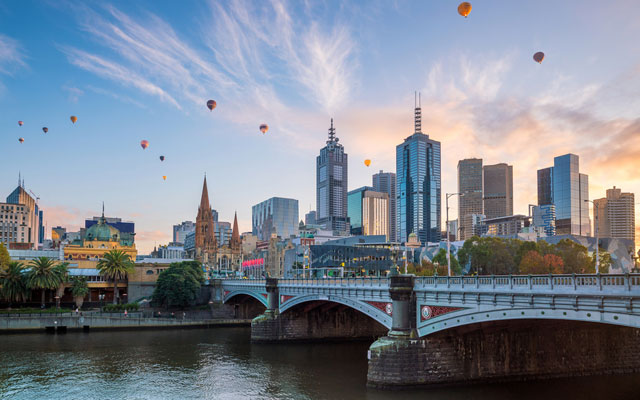
The Melbourne Convention Bureau (MCB) is kicking off an educational webinar series for event planners from October 14, as the city readies for business events once again.
The new webinar series on Zoom aims to keep planners up to date on venue safe protocols, business event venues and experiences available in Melbourne including hybrid event solutions, provide event planners with support, and provide a communications platform connecting the CVB and partners.
Topics lined up include venues with a difference, teambuilding ideas, new venues, accommodation, and experiences, and MCB support services.
Every episode is 30 minutes long, from 11.00 to 11.30 AEST.
Registration is required.
Singapore pushes Covid-safe hybrid events with new guidelines, training network
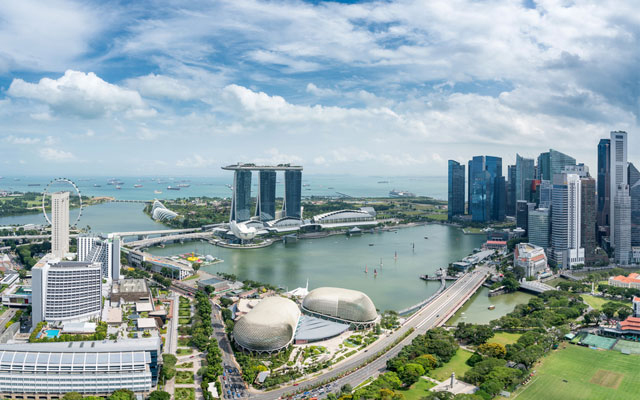
As Singapore allows for the gradual resumption of small-scale physical events, the MICE industry has received an Event Industry Resilience Roadmap (IRR) that will pave the way for Covid-safe and cost-effective hybrid events.
Launched by the Singapore Association of Convention and Exhibition Organisers and Suppliers (SACEOS), Singapore Tourism Board (STB) and Enterprise Singapore (ESG), the IRR will provide advice to organisers, venues and suppliers on implementing best practices and safe-management measures under STB’s Safe Business Events Framework, create agile business models with a focus on hybridisation, and chart long-term plans to develop the MICE workforce.
Hybrid and physical events will be accredited by an industry-led national programme, SG SafeEvent Standard, which will be launched later this year. It will serve as a mark of assurance for participants of safe, trusted and innovative business events.
The IRR document will be continuously updated according to the evolving situation and prevailing health standards.
The first release – IRR 1.0 – will focus on the implementation of SG SafeEvent Standard and hybridisation, and is being adopted in Singapore’s pilot events.
IRR 2.0, which is currently in development, will expand on the innovation of business models and core capabilities necessary for companies and professionals to successfully pivot.
“As the Covid-19 situation evolves, the resumption of business events and, later live events, in Singapore is dependent on the industry’s ability and readiness to implement newly mandated safe management measures and new competencies for our workers and enterprises to be hybrid-ready. The Event Industry Resilience Roadmap serves as a valuable ‘operational guide’ to strengthen our industry, enhance the skillsets of our workers and curate impactful hybrid events,” said Aloysius Arlando, president, SACEOS.
To further support the ailing MICE industry, SACEOS has signed an MOU with the National Trades Union Congress, STB, Enterprise Singapore, Workforce Singapore and SkillsFuture Singapore to establish the MICE & Events Capability Building Network.
Under this network, public and private sector organisations will facilitate the training and development of event industry professionals, including freelancers and self-employed individuals. It will also bring local educational institutions on board to create blueprints of new career paths and to curate training programmes.
As activity picks up, businesses should be prepared for higher cost at the outset, before things move into full swing.
Veemal Gungadin, vice president, digital & innovation, SACEOS, explained: “The cost will probably vary over time. Right now, there’s probably more investment needed on the physical side of things – to have full studios, new equipment, new infrastructures (that support) safe management measures during the event – so probably at the beginning, it will cost more.
“But what’s happening is, within the industry, there are initiatives ongoing to have more centralised systems that can be leveraged on for economies of scale, so the cost for adoption per event goes down.”
Back on the move
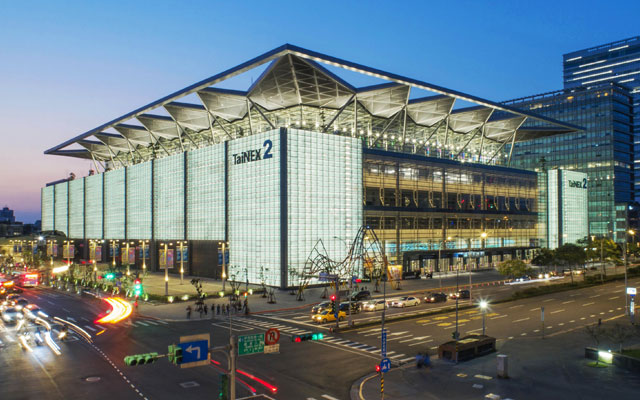
In 2019, Taiwan was coming into its own as a choice Asian MICE destination. Its capital Taipei established a dedicated MICE office in March, around the same time Taipei Nangang Exhibition Center Hall 2 (TaiNEX 2) started operations.
Due to Covid-19, MEET TAIWAN admitted that Taiwan’s MICE industry has been severely impacted, with numerous international exhibitions, corporate meetings, and incentive tours cancelled. To help Taiwanese event companies cope with the crisis, the agency has been providing financial relief.
Turning its attention inwards
Although the global pandemic has put a damper on international arrivals, Taiwan’s domestic meetings industry has seen some green shoots.
A number of events had taken place after restrictions on domestic meetings were lifted on June 11. All events must abide by strict guidelines set by the authorities to ensure the health and safety of delegates.
The Taiwan External Trade Development Council (TAITRA) – Taiwan’s main PEO and official trade promotion agency – has also been consistent in its messaging, informing the larger MICE community that Covid-19 is well under control in the destination. The government agency has been updating the safety levels of its MICE environment and travel policies, and is actively sharing its experience in working to overcome the pandemic.
During a webinar organised by the Asian Federation of Exhibition & Convention Associations in July, TAITRA addressed the growing trends in Taiwan’s MICE industry, such as the rising popularity of virtual reality (VR) exhibitions.
Online business matching are also proving to be more crucial than ever for trade personnel, particularly in the absence of face-to-face meetings. Industry players have recognised that organising virtual events will not be supplementary, but a necessity in the post-pandemic era, leading to the rise in hybrid events with both physical and online components.
Adapting quickly to change
Reflecting Taiwan’s adaptability and responsiveness to industry trends, her MICE stakeholders have made a quick pivot to meet the new online demand.
In late September, some 20 international exhibitions are scheduled to take place, such as the Taipei Intelligent Machinery & Manufacturing Technology Show (iMTduo) and SEMICON TAIWAN 2020, all of which are hybrid events. These shows will benefit more than 3,500 manufacturers across a range of industries.
One of Taiwan’s largest international exhibitions, COMPUTEX 2020, is among the first to transition from physical state to online.
Its 2019 edition hosted 1,685 exhibitors from 30 countries and attracted 42,495 visitors from 171 countries, and 2020 was set to welcome even more delegates. With international travel severely curtailed, COMPUTEX was at risk of losing that momentum.
Hence, Taiwan moved quickly to launch a series of online events to keep the global technology community connected with COMPUTEX. The first-ever COMPUTEX virtual event debuted on June 2, where its live-stream was watched by over 400,000 viewers.
During the event, key executives from tech companies such as Intel, Nvidia, and Qualcomm addressed the latest trends on artificial intelligence and 5G. In addition, the event also saw 30 VIP buyers from 14 countries meet with Taiwanese suppliers, while startups had a chance to showcase their new products via Taiwan Trade Show’s YouTube channel.
Soon to come on September 28 is a platform that will display and promote exhibitors’ products and services.
Organisers hope that the physical show will return next year, with dates currently scheduled for June 1–5, 2021.
Looking to the future
As Taiwan’s MICE industry rebuilds itself, infrastructure developments have continued in earnest, with several new event venues on schedule to open this year and into 2022.
They include the Taipei Music Center (September 2020), Kaohsiung Music Center (end-2020), and two convention centres located outside of capital city Taipei – the Tainan Convention & Exhibition Center (2021) and Taichung Shuinan International Convention Exhibition Center (2022).
Despite the bleak situation, MEET TAIWAN told TTGmice that the destination has not lost sight of its global market, and the appetite to attract international business events has certainly not been diminished.
“With the partial reopening of domestic MICE, a full reopening is soon to follow. We warmly welcome event planners from all over the globe to Taiwan, and will wholeheartedly support them before and after the borders reopen,” MEET TAIWAN stated.
Percolating sustainable ideas
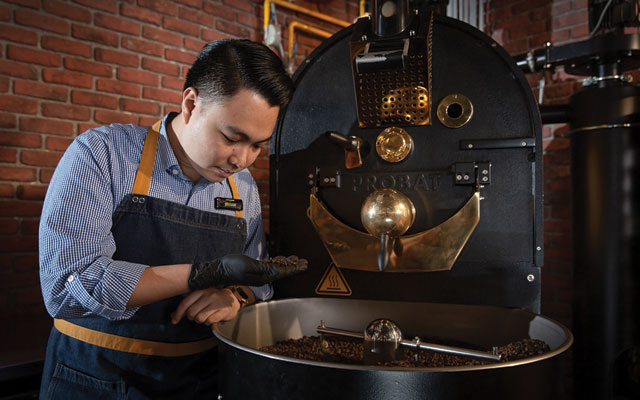
The City of Dreams (COD) Manila has in place a holistic and sustainable approach to every cup of joe that it serves in its hotels and restaurants.
It all starts with sourcing the beans from local farming communities. Working in collaboration with the Philippine Coffee Board, the beans are obtained from different parts of the Philippines, such as Lipa in Batangas, Atok in Benguet, and Bukidnon in Mindanao. And COD Manila is actively exploring other potential sources from Philippines’ other regions to expand its variants and blends.
The coffee beans are then roasted using a state-of-the-art Probat machine – one of few in the country – by a team of skilled baristas at The Roaster Cafe in The Garage VR Zone and Food Park, within COD Manila’s grounds. Their blends are then disseminated to all restaurants operated by the integrated resort.
COD Manila’s chief operating officer, Kevin Benning, explained the objectives behind the coffee programme: “We believe in putting the spotlight on the Philippine coffee industry, whose premium produce can compete with some of the best coffee beans from around the world.
“By supporting local coffee producers and procuring from local small and medium enterprises (SMEs), we are gratified by the opportunity to help boost the economic development of local communities”.
COD Manila’s efforts do not stop there. In fact, nothing goes to waste as used coffee grounds are repurposed and recycled. Gathered daily from the different kitchens and outlets, the grounds are brought to COD Manila’s vermicomposting area to be churned into organic fertilisers.
Around 60kg of used coffee grounds, together with 20kg of fruit and vegetable peelings, and 5kg of eggshells, become organic fertiliser for the greenhouse nursery, garden and ornamental plants sprawled across the 6.2-hectare property.
And instead of ending up in landfills, used Nespresso coffee capsules from the rooms of COD Manila’s three hotels – Nobu, Hyatt Regency and Nuwa – are turned over to a recycling partner to be mixed with other recycled aluminium before being transformed into raw materials again.
Some used coffee capsules are also given new life at the Negrense Volunteers for Change (NVC) Foundation. Artisans upcycle the capsules, and create items like trinkets and ornaments which are then sold at bazaars and fairs. Profits benefit the artisans and the communities supported by the NVC foundation.
Meanwhile, coffee grounds from the used Nespresso capsules are turned over to local farmers, which serve as natural compost in lieu of chemical fertilisers and pesticides.
Benning explained that these wide-reaching efforts help to “lessen our impact on the environment and conversely, strengthen our initiatives to practice responsible and sustainable procurement”.
“That we would generate some savings in the process is an added benefit, though it is secondary to our main objective to promote sustainability in our operations and be an agent to propel the growth of SMEs,” he added.
Japan and South Korea agree to resume business travel
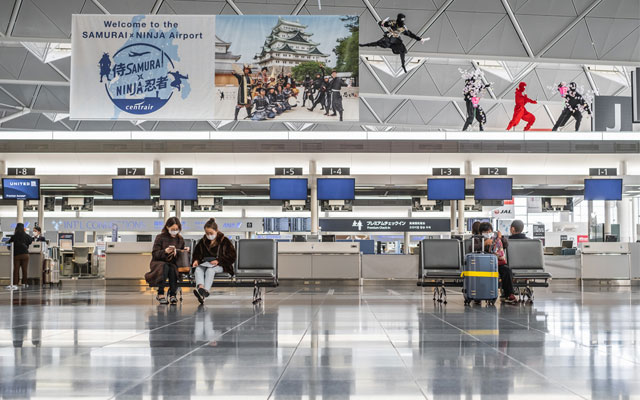
Japan and South Korea will resume business travel between the countries starting from October 8, following the closure of borders due to Covid-19.
Under the agreement, business travellers on short-term business trips will not be required to observe 14-day self-isolation periods if they test negative for Covid-19 and submit travel itineraries, among other measures.
This agreement to resume business travel follows a similar deal reached with Singapore in August. South Korea is the second country that Japan has reopened its borders for both short- and long-term stays.
CWT M&E releases global platform dedicated to smaller events
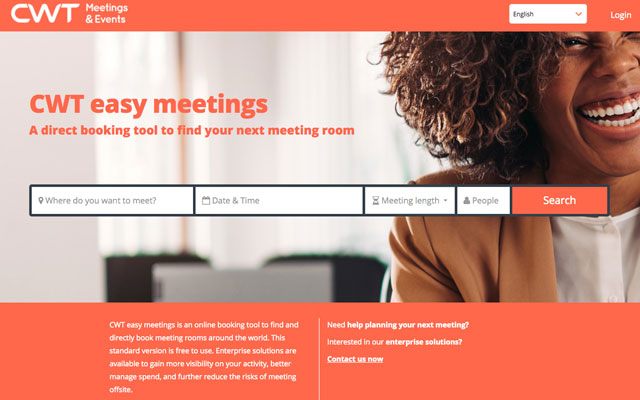
CWT Meetings & Events has launched CWT easy meetings, a direct-booking platform for small meetings.
The platform provides meeting organisers with access to over 250,000 meeting rooms in hotels (both independent and chain), as well as unique venues and event spaces in more than 90 countries.
The one-stop platform enables planners to source and book venues, as well as AV equipment, and F&B packages. Payments can be made using a credit card, virtual card, or lodge card, and bookings can be easily modified or cancelled through the platform. It also provides companies with greater visibility and control over their small meetings so they can better manage costs, compliance, and employee safety and security.
Available in eight languages, CWT easy meetings is free for all meeting planners, and is globally accessible via a website that is desktop, tablet and mobile-enabled.
CWT M&E will also offer a customisable option for large companies looking to automate their meeting booking processes, while consolidating spend in one centralised hub. The look and feel of the platform can be tailored to match their own corporate branding.
Organisations can upload pre-negotiated rates and unique venues that can only be accessed by their employees. Preferred venues and partners can be highlighted within the tool and made to appear at the top of the search results. Payment modes can also be configured so that users don’t have to enter this information every time they book. In terms of reporting and business intelligence, personalised dashboards and reports give full visibility of bookings made by the organisation’s employees using the platform, and provide the ability to track bookings, cancellations, volumes and spend by supplier, user or meeting location.
Collinson rolls out F&B solution for its airport lounges
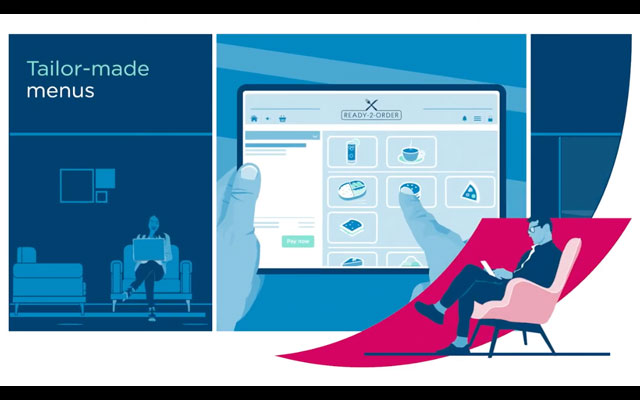
Collinson has unveiled its new Ready 2 Order digital F&B solution, which will bring back the complimentary service – limited by Covid-19 – at airport lounges.
Developed in partnership with Grab, the Ready 2 Order pilot launches this week at two of The Grand Lounge Elite airport lounges in Mexico City, with October launches scheduled for India, Japan, US, Qatar, and the UK. It will be available to all lounge access programmes including Priority Pass.
Lounge visitors can scan a QR code or tap an NFC-enabled device on signage at each table or seat within the lounge, to see a lounge-specific menu and make their selection. The order will be delivered directly to the table, or collected at an assigned pick-up point, depending on the lounge.
Along with elevating the safe airport journey for travellers, Ready 2 Order also helps to reduce food waste and support social distancing.
Ready 2 Order responds to evolving traveller needs in light of Covid-19, where 71 per cent of frequent flyers in a recent Priority Pass survey are ready to return to travel either immediately or within the next three to six months, and 80 per cent want more contactless services across the airport journey.
The survey also found that almost seven in 10 travellers are willing to pay for access to an airport lounge where social distancing is maintained, and the majority of travellers (57%) plan to use their airport lounge access more than they did before the coronavirus outbreak.
TravelRevive makes debut in November
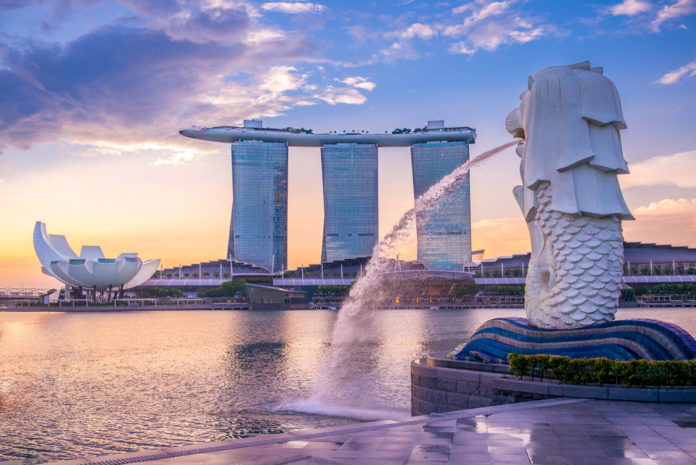
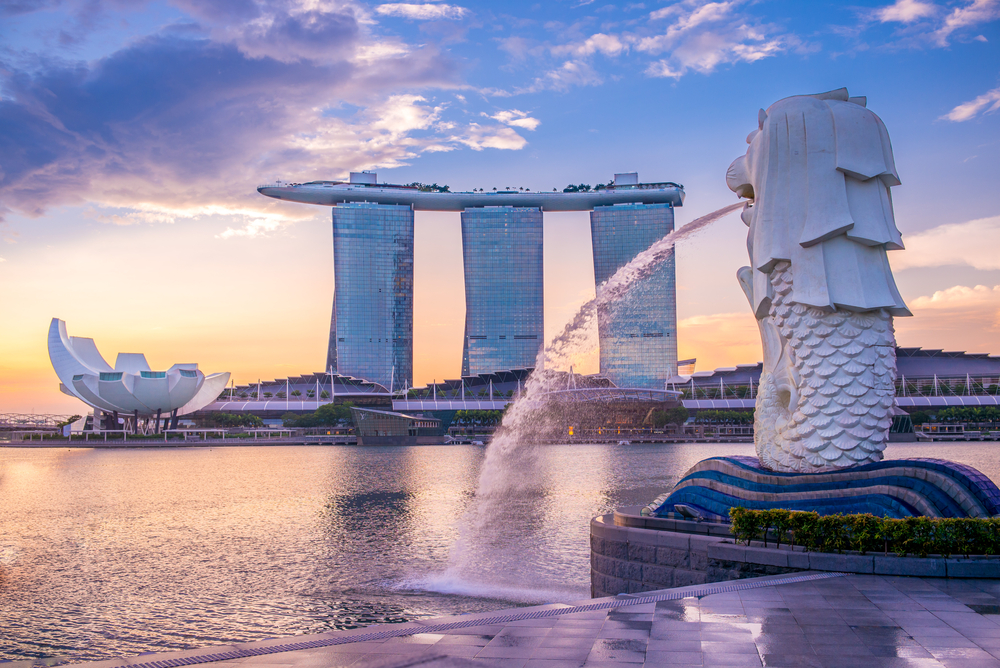
TravelRevive – taking place from November 25-26, 2020, at Marina Bay Sands Expo & Convention Centre – will be the first tradeshow to trial the newly developed prototype for safe business events, safe itineraries and digital enablers in Singapore.
Expected to welcome 150 hosted buyers from countries around Asia, the two-day event organised by ITB Asia will feature conference sessions, exhibitions, as well as opportunities for one-to-one buyer-seller appointments.
For a wider global reach, TravelRevive will include virtual aspects such as live telecast of the conference, on-demand sessions and online exhibitor directory.
Developed by the Alliance for Action on Enabling Safe and Innovative Visitor Experiences, this prototype will provide delegates with the degree of interaction they would be accustomed to in a regular tradeshow setting – but in al safer way which minimises infection risks.
Solutions the prototype will adopt include innovations such as touchless technology and automated registration kiosks, as well as safety measures such as plexiglass shields in exhibition booths and meeting pods that serve as an additional measure to reduce droplet transmissions.
The Alliance has also designed safe itineraries, comprising a selection of leisure activities that comply with prevailing safe management guidelines, which will be trialled with the MICE delegates of TravelRevive. These safe itineraries could serve as a model for small groups of international visitors when international travel resumes eventually.
Reviews
The Slate Phuket
Just 10 minutes from Phuket International Airport on the serene northern coast, this 178-key, Bill Bensley-designed resort offers delegates a quiet, tropical paradise steeped in Phuket’s tin-mining heritage

The Ritz-Carlton, Bangkok
The newly-opened Ritz-Carlton, Bangkok anchors the One Bangkok development with cosmopolitan elegance. Featuring the city's largest ballroom and a spectacular new penthouse suite, it delivers exceptional hardware and deeply authentic, soulful service for business and leisure travellers alike

Mama Shelter Zurich
Behind the imposing, Brutalist concrete that defines Zurich’s Oerlikon district lies a surprising secret. While its exterior honours the neighbourhood’s industrial roots, stepping inside Mama Shelter reveals a vibrant, neon-soaked world that is a far cry from its rigid shell


Alexandre Frenkel has joined Santiburi Koh Samui in the capacity of general manager.
The Swiss hotelier possesses almost three decades of experience, having worked with leading hotels and resorts across five countries. He also has a deep knowledge of Thailand’s hotel industry, having spent the last 16 years living and working in the Kingdom.
Frenkel started out his professional career at Hilton, where he rose through the ranks to become director of operations and director of business development at Hilton Beijing.
He then moved back to Thailand with Amari/Onyx Hospitality Group, achieving his first general manager role in 2006. He has since managed some of Bangkok’s leading properties, including Centara Watergate Pavillion Hotel.