Asia Oceania Otorhinolaryngological Head and Neck Surgery Congress (AO ORL-HNS) 2023, the major ear, nose and throat scientific event in Asia-Oceania, is returning to Australia for the first time in 40 years.
The five-day conference will take place at the Brisbane Convention & Exhibition Centre (BCEC) in March 2023 and is expected to attract some 1,500 clinicians and specialist surgeons working with the ear, nose, throat, head and neck.
Brisbane Convention & Exhibition Centre
The 15th AO ORL-HNS Congress is expected to deliver A$4.5 million (US$3.1 million) directly into the Brisbane and Queensland economies while fostering collaboration and knowledge sharing, and optimising healthcare across the region.
The main driver of the successful bid for the event is ear, nose and throat surgeon, Bernard Lyons, past secretary-general of The Asia-Oceania Association of Otorhinolaryngology – Head and Neck Surgery Societies, and now president-elect.
Lyons worked with Ben Panizza and Phil Fisher, president of The Australian Society of Otolaryngology Head and Neck Surgery, and the team at the Brisbane Convention & Exhibition Centre, in collaboration with Tourism & Events Queensland and Brisbane Marketing to secure the conference for the city.
“This meeting is potentially the largest meeting to be held in the field of otolaryngology head and neck surgery in Australia. It is a unique opportunity for Australia to interact on a scientific basis with our neighbouring countries in the Asia Oceania region. We are very excited to have been successful in our bid to hold the meeting, beating spirited challenges from (South) Korea and Vietnam,” Lyons said in a statement.
TWA Hotel at JFK Airport opens
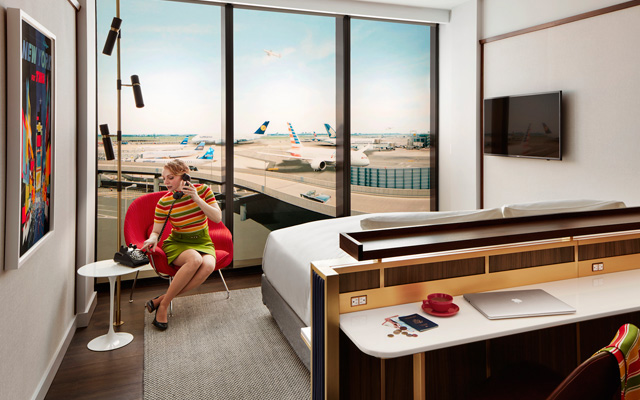
New York City’s JFK Airport opened The TWA Hotel, housed in the airport’s restored TWA terminal building; the historic TWA terminal building opened in 1962 and closed in 2001.
The new hotel has 512 guestrooms, as well as a direct connection to JetBlue’s Terminal 5 via the terminal buildings “flight tubes,” a Jet Age design element that was featured in the movie Catch Me if You Can. There is also a fitness centre, rooftop infinity pool, bar and observation deck with views of runway 4 Left / 22 Right, as well as 4,645m2 of event space which includes a 1,390m2 ballroom.
F&B options include The Sunken Lounge cocktail bar; a lounge inside a transformed Lockheed Constellation “Connie” L-1649A aircraft; a 200-seater all-day restaurant by Jean-Georges, The Paris Café; as well as grab-and-go options alongside coffee carts throughout the grounds.
Other Jet Age touches include a series of museum exhibitions on TWA and midcentury modern design curated by the New York Historical Society, a reading room with Herman Miller-designed furniture and Phaidon books, and a Warby Parker Pencil Room, where travellers can use pencils emblazoned with one-liners to fill out custom postcards.
Hamburg to host world’s largest stem cell conference
Hamburg and the CCH – Congress Center Hamburg – have won their bid to host the 2021 annual meeting of the International Society for Stem Cell Research (ISSCR).
The largest global gathering of stem cell scientists, ISSCR 2021 is set to bring 4,000 researchers from around the world for the convention. In addition, the venue is scheduled to reopen in 2020.
The successful bid was put together by several groups: the Life Science Nord cluster initiative, Fraunhofer IME ScreeningPort, the Hamburg Ministry for Science, Research and Equality, the Hamburg Convention Bureau and the CCH – Congress Center Hamburg.
ITP announces new partner in Chile
Travel management consortium ITP (International Travel Partnership) has appointed Chile-based Turismo Rays to its corporate travel network.
Rays Group is a travel agency with over 20 years experience in travel and tourism, covering various businesses segments: Corporate, Consolidation, Leisure, Inbound, MI and MICE. It focuses strongly on the large/middle market enterprises sector and counts many global organisations within their customer base.
“The addition of Turismo Rays brings a new dimension to our travel management coverage and capabilities in South America,” said Ian Epps, director of partnership relations at ITP.
“We expect Turismo Rays to add considerable value to our already comprehensive coverage in Latin America with many opportunities for regional as well as worldwide commercial initiatives.”
Located in the old city of Qufu – better known as the birthplace of Chinese philosopher Confucius – is the first JW Marriott hotel in Shandong Province, and the 16th in China.
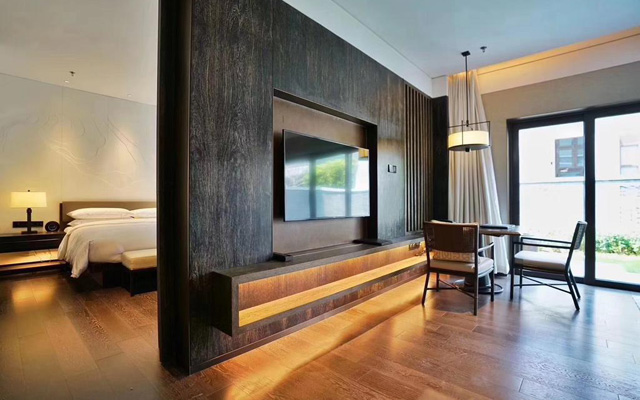
The hotel, designed by Kai Cui, the academician of the Chinese Academy of Engineering, features 188 individual guestrooms and nine complex suites. There are six room categories, from the 45m2 Deluxe to the 98m2 Executive Suites.
JW Marriott Hotel Qufu
Recreational facilities include a 24-hour fitness centre, spa and indoor heated swimming pool. There are also four F&B options on-site: the hotel’s signature restaurant Residence serving Cantonese and Shandong cuisine; the smart casual JW Kitchen with an international menu; the intimate Lounge for afternoon tea and wine; and the Tea Library in the lobby where guests can experience local tea culture guided by an expert tea master.
Event planners may avail the property’s seven multipurpose function spaces, such as the 800m2 Grand Ballroom with a 9m-high ceiling which can be further divided into two, and the 200m2 Function Room which can be further divided into three smaller halls.
To woo more Asian corporate travellers, Taiwan has embarked on a campaign this year that highlights her traditional sites and small towns.
Under this campaign, a total of 30 rural towns have been shortlisted for showcase. These include Miaoli’s Yuanli Township, which is home to grass-woven arts and crafts; Tainan’s Yanshui District for its Beehive Fireworks Festival; Jiaoxi Township in Yilan for its hotspring hotels; and Hualien’s Fenglin, which has been recognised by Cittaslow International as Taiwan’s first Slow City.
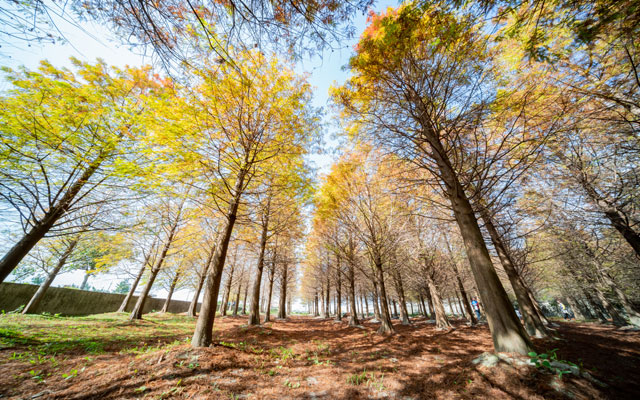
Serene autumn landscape in Miaoli’s Yuanli Township, one of 30 rural towns being promoted by MEET Taiwan for corporate events
Nina Lin, deputy executive director of MEET Taiwan, told TTGmice that as local experiences and “slow travel” take over the leisure space, they are also gaining popularity among business travellers.
“We hope that business travellers coming to Taiwan (for events) can extend their stay and explore our (rural districts). Some of our trade partners provide curated one-day itineraries to event delegates. We hope that this campaign will help visitors experience more of Taiwan’s cultures and local offerings,” said Lin.
The arrival of this campaign is timely, as trade players have observed rising demand for incentive travel and teambuilding trips to destinations beyond Taiwan’s familiar city areas.
Han Chang, representative of inbound tour operator Taiwan Tour, noted that there has been an increase in the number of requests for “relaxing” incentive trips, and these are often held in more rural areas such as Taitung and Hualien in eastern Taiwan.
These groups would engage in activities such as outdoor cycling, visits and interactions with aboriginal communities as well as sticky rice-making to experience the “original culture” of the country, he said.
Although footfalls are being pushed to smaller townships in Taiwan, Chang said visitorship to the capital will not be dented.
He explained that a large portion of corporate groups – especially first- and second-time visitors – still expect to make a stop at Taipei when in the country, as it is a landmark of Taiwan.
“The last day or two could be spent in Taipei, be for shopping or to visit other venues in the capital city,” said Chang.
Taiwan has remained a firm favourite for incentive programmes, particularly among companies from China and South-east Asia.
Lin shared that the number of corporate groups from South-east Asia has “increased ten-fold” since the 2016 launch of the New Southbound Policy, an initiative of the Taiwanese government to enhance cooperation and trade exchanges between Taiwan and 18 countries in South-east Asia, South Asia and Australasia.
When asked about the preferred activities in Taiwan of these markets, Lin said groups generally “demand for programmes with an element of creativity and destinations which can accommodate large groups”.
However, finer differences between China and South-east Asia markets exist.
“For example, the Chinese have certain expectations about Taiwan, and may want to visit famous landmarks like Alishan (National Scenic Area in Southern Taiwan). South-east Asians prefer something fresh and unique, and are more open to trying innovative things like using technology in their teambuilding activities,” Lin said.
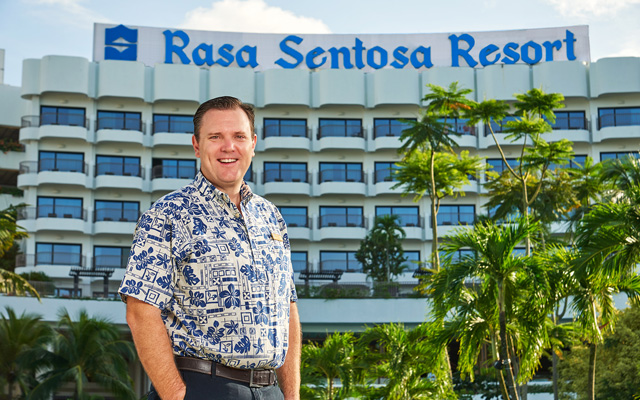
Gavin Weightman has taken the helm of Shangri-La’s Rasa Sentosa Resort & Spa, Singapore as general manager.
The Australian native is a seasoned hotelier who brings over two decades of extensive hospitality experience to the role.
Gavin Weightman
Weightman was most recently general manager of Shangri-La’s Tanjung Aru Resort & Spa, Kota Kinabalu, and previously held roles in Shangri-La hotels and resorts around the world, including Fiji, Australia and Malaysia.
He is supported by Nick Flynn who recently assumed his role as resident manager of Shangri-La’s Rasa Sentosa Resort & Spa, in early 2019.
Flynn was in a similar role at Shangri-La’s Rasa Sayang Resort & Spa, Penang and previously helmed the kitchen, and F&B departments in various hotels in Australia, Abu Dhabi and Doha.
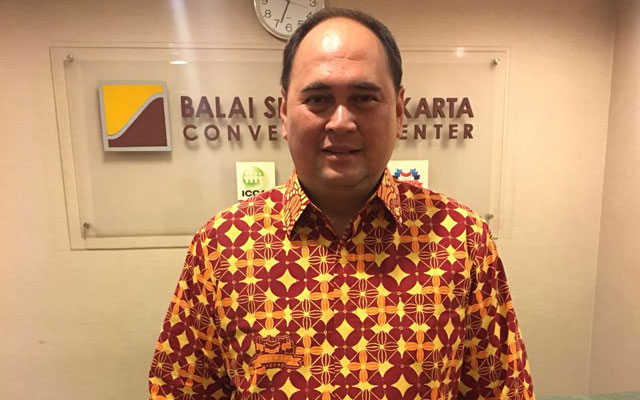
The Indonesia Exhibition Companies Association (IECA) is gearing up for the Indonesia Business Event Forum this July, an event that will be used to enhance the partnership of the association with both government and foreign counterparts as well as develop destinations for business events.
The Forum is slated to take place on July 19 at the Jakarta Convention Center (JCC), and will see 683 IECA members in attendance.
Andreas: aims to foster closer working relationship with stakeholders with the help of data
Hosea Andreas Runkat, chairman of IECA, shared that the forum will touch on the “importance of data related to various exhibitions held by members”.
IECA exhibitions help to develop Indonesia’s tourism sector because they attract foreign tourists – either as a participant or buyer – to the country, said Andreas, but the data has never been documented properly.
Andreas is particularly interested in the number of guests and their expenditure at the exhibitions. As such, the Forum will require participants to record and report such data to the association. IECA will make sense of the information and share it with the public and the government, in hopes of conveying the value of the exhibition sector.
“The data will enable us to formulate strategies to develop MICE destinations, especially those outside Jakarta. With this data, we can also project the number of international arrivals we can attract to the country through upcoming exhibitions,” Andreas elaborated.
As of May 2019, IECA has held 311 exhibitions. For the whole of 2018, there were 381 exhibitions held, up from 366 in 2017.
Andreas is optimistic that the data will strengthen the association’s position during talks with the government. He believes that foreign participation will grow in tandem with government support.
For this reason, IECA has invited local governors and ministries – such as Tourism Ministry, Trade Ministry and National Development Planning Agency (Bappenas) – to attend the Forum.
“We have also invited East Java vice governor Emil Elestianto Dardak and West Java governor Ridwan Kami., as Surabaya and Bandung are some of the destinations prioritised by the tourism ministry to be developed (for business events),” said IECA executive director Wini Yoniton.
Also on the invite list are foreign exhibition associations, with representatives potentially coming in as speakers. They include Singapore Association of Convention & Exhibition Organisers & Suppliers and the China Council for the Promotion of International Trade (CCPIT).
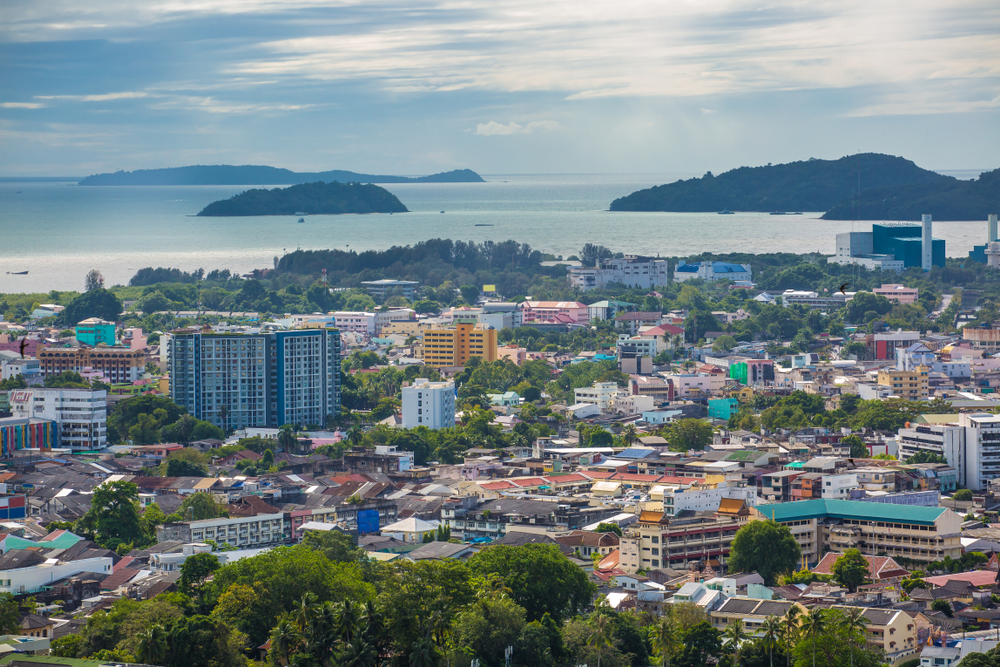
Phuket (pictured) promises to enhance any corporate event with cultural discoveries, shopping trips, CSR activities, sightseeing excursions and offshore adventures
The Thailand Convention & Exhibition Bureau (TCEB) and the Phuket Hotels Association (PHA) have come together to unveil a Business Meets Beach campaign, following the signing of an MoU earlier this year.
The initiative will see the association’s 70 member hotels join forces with TCEB to promote Phuket as a premier MICE destination.
Phuket (pictured) promises to enhance any corporate event with cultural discoveries, shopping trips, CSR activities, sightseeing excursions and offshore adventures
As part of the Business Meets Beach campaign, a new promotion has also been launched. Under the Stay Free initiative, 19 hotels across the island will offer a third night completely free, plus a complimentary cocktail reception.
Running from now until October 31, 2019, this offer is valid for groups of 40 delegates or more. Other terms and conditions apply.
The Business Meets Beach campaign will be promoted through cooperative marketing activities, social media updates and fam trips for the trade and media throughout 2019 and 2020.
Building on the success of destination promotions undertaken by TCEB and the Tourism Authority Thailand (TAT), the overall aim of Phuket Hotels Association’s campaign is to double visitor of the island’s MICE expenditure by 2020, while also maximising the benefits to its members and the Phuket economy.
“With its rare combination of stunning scenery and outstanding indoor and al fresco MICE venues, Phuket has everything that professional planners could wish for. But the island is more than simply a venue for meetings and events; it is a giant canvas on which guests can paint their own stories, themed on Phuket’s rich local culture and heritage. This is what makes our island truly special,” said Anthony Lark, president of the Phuket Hotels Association.
“Phuket is home to many outstanding hotels, each of which has its own distinct selling points for the MICE sector. It is also worth remembering that every meeting delegate is also a potential FIT guest who could return with their own family. So by working together and showcasing Phuket’s many attractions, we can create a prosperous future not only for the MICE sector, but for the island’s wider tourism industry,” he added.
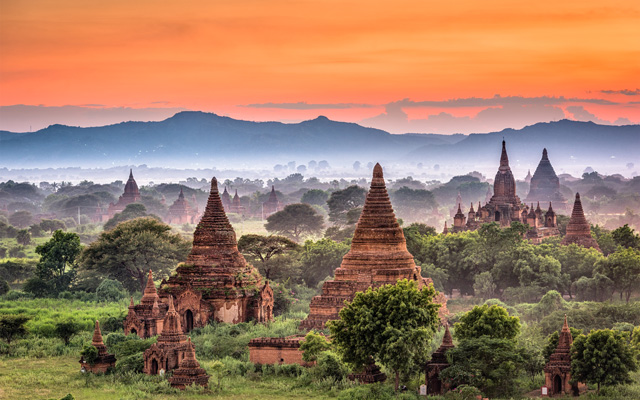
Myanmar’s temple city Bagan awarded UNESCO World Heritage status
Myanmar’s ancient capital of Bagan and India’s fortified city of Jaipur are among the Asian landmarks that are now recognised as UNESCO world heritage site, declared the 43rd session of the UNESCO World Heritage Committee held in Baku, Azerbaijan.
Bagan’s inscription comes nearly a quarter of a century after the temples complex was first nominated for listing, Reuters reported.
Myanmar’s temple city Bagan awarded UNESCO World Heritage status
The decision recognises the heritage significance of the site – which includes more than 3,500 stupas, temples, monasteries and other structures built between the 11th and 13th centuries.
Bagan had first been nominated as a World Heritage Site in 1995, but this was later rejected as the military junta in power then was accused of ignoring experts’ advice on restoration efforts, according to the Reuters article.
Myanmar renewed efforts to list the site since a transition from military rule began in 2011.
The International Council on Monuments and Sites recommended the listing, noting that Myanmar had adopted a new heritage law and had formed plans to reduce the impact of hotels and tourism developments around the temple.
With its successful inscription, Jaipur – also known as the Pink City – is now the second Indian city to be featured on the prestigious list after old Ahmedabad.
Founded in the 18th century by Sawai Jai Singh II, the fortified commercial city Jaipur was built according to a grid plan and was painted uniformly in a distinctive terracotta hue.
Other Asian sites added to the UNESCO world heritage list include the Dutch colonial-era Ombilin coal mining heritage site of Sawahlunto in Indonesia, the Mozu-Furuichi group of ancient mounded tombs in Japan,the Plain of Jars in Laos, and the archeological ruins of Liangzhu city in China.
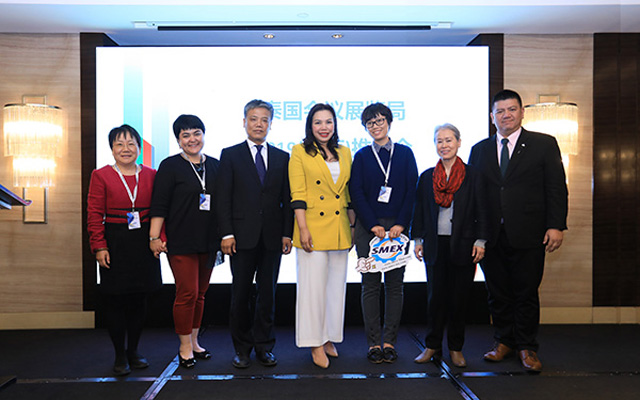
TCEB's Kanokporn Damrongkul (centre), with partners at the China Business Forum
The Thailand Convention and Exhibition Bureau (TCEB) has launched the new 360 Degree Exhibition Success to incentivise exhibition organisers, exhibitors and trade visitors from China.
The new campaign comprises three key elements:
A Bidding Fund Programme element designed to help organisers launch international exhibitions in Thailand, by providing market support and access to industries.
The Exhibiz in Market element is designed to grow new business by giving the national pavilion leader a business platform at exhibitions in Thailand.
The final ASEAN+6 Privilege element assists business missions in bringing trade visitors from ASEAN+6 countries, including China, to Thailand for business meetings during exhibitions held in the Kingdom.
TCEB’s Kanokporn Damrongkul (centre), with partners at the China Business Forum
Kanokporn Damrongkul, TCEB’s director of exhibitions department, said in a statement: “TCEB continues to strengthen our partnership with China and our commitment to promoting sustainable growth of the exhibition industry that benefits both Thailand and the region as a whole. We are optimistic that we can achieve more than 10 per cent growth in terms of exhibitions from China in 2019.”
In 2018, Chinese MICE travellers heading to Thailand grew 40 per cent, making China Thailand’s top source market for the fifth consecutive year.
For exhibitions, China is Thailand’s top source market as well, growing from only 16,000 participants in 2013 to 46,000 participants during 2018, a jump of 187 per cent.
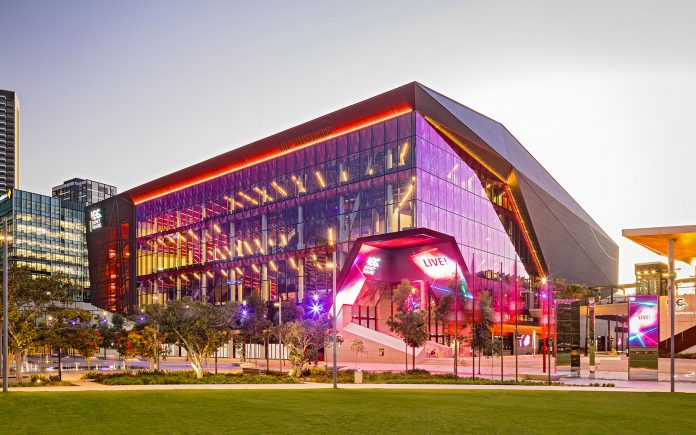
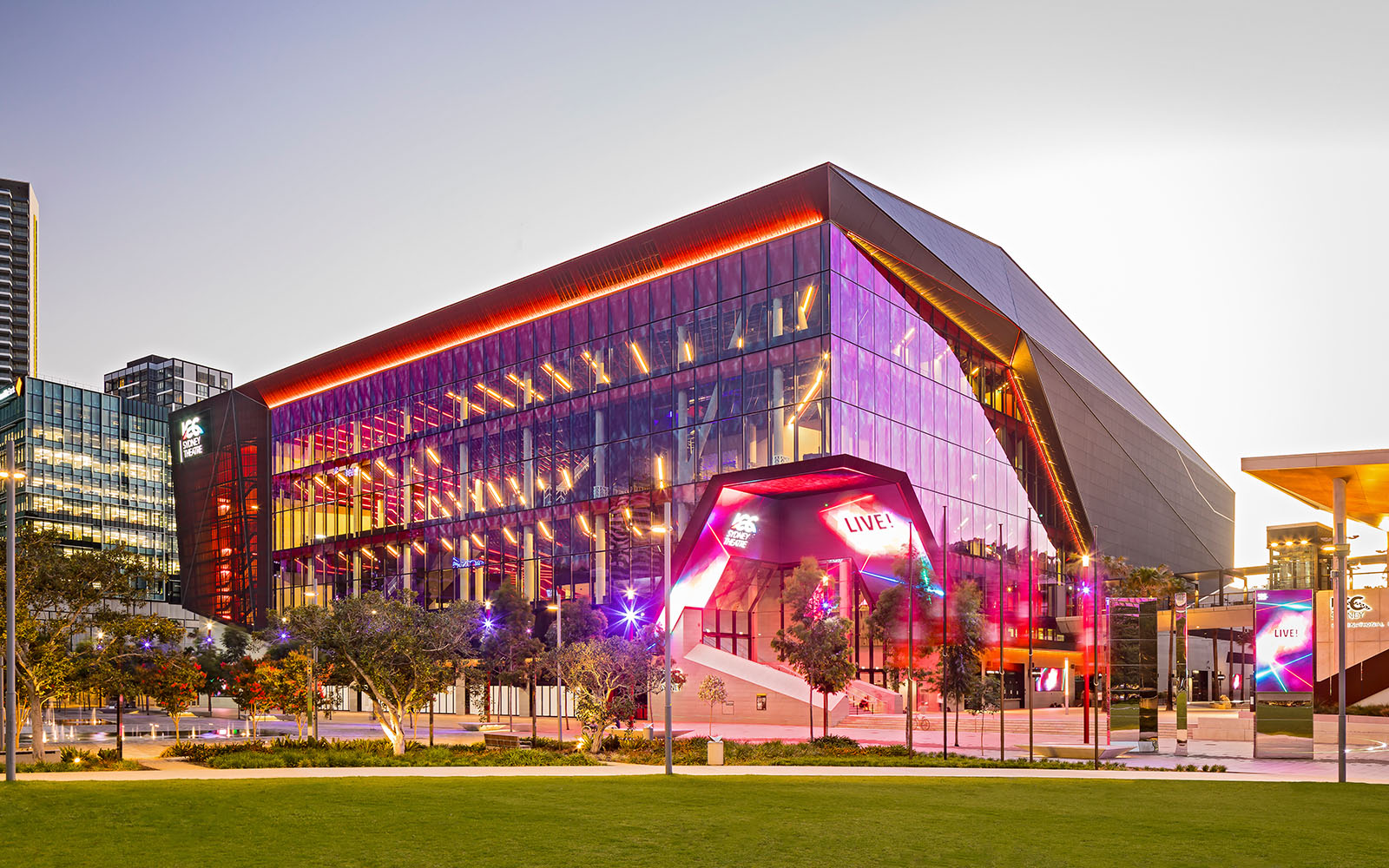
The ICC Sydney Theatre has capacity for some 9,000 guests
First State Super, Australia’s largest industry funds, has secured the naming rights to the ICC Sydney Theatre for a 10-year term since July 8.
The move was announced in a press release, with the new name being confirmed as the First State Super Theatre. There will be no change to the management of the theatre, with the ICC Sydney team still in place as it transitions to a new brand.
The ICC Sydney Theatre has capacity for some 9,000 guests
ICC Sydney chief executive Geoff Donaghy said in a statement: “We are excited to partner with First State Super, an existing equity partner in the ICC Sydney project, to grow and amplify the current and ongoing success of the theatre as one of Sydney’s premier live entertainment venues.”
First State Super provides superannuation, advice and retirement solutions to over 767,000 members around Australia including New South Wales public sector employees and their families.
Just 10 minutes from Phuket International Airport on the serene northern coast, this 178-key, Bill Bensley-designed resort offers delegates a quiet, tropical paradise steeped in Phuket’s tin-mining heritage
The newly-opened Ritz-Carlton, Bangkok anchors the One Bangkok development with cosmopolitan elegance. Featuring the city's largest ballroom and a spectacular new penthouse suite, it delivers exceptional hardware and deeply authentic, soulful service for business and leisure travellers alike
Behind the imposing, Brutalist concrete that defines Zurich’s Oerlikon district lies a surprising secret. While its exterior honours the neighbourhood’s industrial roots, stepping inside Mama Shelter reveals a vibrant, neon-soaked world that is a far cry from its rigid shell