Asia/Singapore Tuesday, 7th April 2026
Page 75

Eco-awareness and unique locales drive MICE interest in Sabah

0
Mount Kinabalu in Sabah; photo by Liau Fung Min, Sabah Tourism Board

Sabah’s business events sector is experiencing a notable upswing, driven by strong government support and promotional efforts, and rising interest from regional and international markets looking for fresh destinations.

Sellers from Sabah interviewed at the inaugural B2B ASEAN Tourism Exchange (ATEX) 2025, held recently in Kota Kinabalu, reported year-on-year growth in business events.

Mount Kinabalu in Sabah; photo by Liau Fung Min, Sabah Tourism Board

Shangri-La Rasa Ria Kota Kinabalu’s sales manager, Noor Mazmiza Latuwoh, told TTGmice that the property had seen an increase in incentives from China, Singapore and Australia, driven by improvements in air connectivity.

Last year, the hotel became the first in Malaysia and within the Shangri-La group to achieve its Event Sustainability Management Systems certification. “This sets us apart as a truly eco-aware MICE venue. For MICE planners and corporations, aligning their events with sustainable venues bolsters their corporate image,” shared Noor.

Avasi Borneo Tours & Travel’s chief operating officer, Alicia Gomes, shared that her company is seeing Malaysian companies from West Malaysia and multinational corporations based in Singapore returning to Sabah for their meetings and incentive programmes – but with a twist.

“Instead of staying in Kota Kinabalu, many groups are now opting for off-the-beaten-path destinations like Kundasang, Tabin Wildlife Reserve, and Danum Valley,” she said.

“These locations offer unique settings where teams can bond while being surrounded by pristine rainforest or mountain landscapes. It’s a refreshing change from the typical city-based meeting format,” she explained.

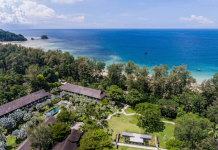
This sentiment is echoed by Mary Chey, sales manager at the 97-key Perkasa Hotel Mt Kinabalu – the only hotel located at the foothills of Mount Kinabalu.

Chey shared that the hotel is increasingly popular for exclusive buyouts by corporate clients from across Asia, particularly those seeking privacy and a more focused environment for seminars, workshops, or leadership retreats.

“The natural surroundings help foster creativity and deeper team engagement,” she said. Additionally, many incentive groups visiting Kundasang for day trips use the property as a lunch stop or short retreat venue, complementing their main programmes in Kota Kinabalu.

Positioned as the only private sector-driven tourism event in Malaysia, ATEX was jointly organised by the ASEAN Tourism Association, Federation of ASEAN Travel Associations, and Malaysian Association of Tour and Travel Agents.

New Zealand’s Medicines Act change draws mixed responses

0
Kang: New Zealand needs to enhance communication and support packages; photo by Adelaine Ng

The New Zealand government’s decision to permit the promotion of locally unapproved pharmaceutical products at medical conferences has drawn mixed reactions from two key voices in the industry.

The amendment to the country’s Medicines Act, due to take effect by year-end, will permit pharmaceutical companies to present new products to medical professionals even before they receive Medsafe approval.

Pickford: Medical Act change has come at an opportune time

The reform could unlock lucrative new opportunities for New Zealand’s business events sector, long constrained by strict regulatory barriers.

Mike Pickford, executive chair of ASN Events, welcomed the move after advocating for the change for more than six years.

“When we have meetings in New Zealand, a lot of Australian sponsors just wouldn’t come because of obstacles to talking about products not registered locally.

“Now, I can go to half a dozen clients and say that their reason for not coming to New Zealand is gone. I’m thrilled about the change, and I think New Zealand is getting increasingly well positioned to capture some really significant meetings that probably haven’t been in this space before,” Pickford told TTGmice.

Kang: New Zealand needs to enhance communication and support packages; photo by Adelaine Ng

Adeline Kang, director of operations Japan, China, and Asia Pacific at MSD International, said that while the development was positive, the real impact in the international medical conferencing sector may be slow to realise due to multi-year bid cycles and existing venue contracts in a highly competitive environment.

“If you want to play in this space, it’s a long game,” she said, calling for New Zealand to be more proactive in communicating the change and offering compelling support packages.

Kang pointed to New Zealand’s challenging geographical distance as being “more down under than Down Under”, and said New Zealand must work closely with airlines, hotels, and key opinion leaders to present a holistic proposition – especially when up against established destinations like Singapore, which she highlighted as a benchmark for its collaborative approach and aggressive support for business events.

Nonetheless, Pickford noted that the Medical Act change has come at an opportune time, as shifting geopolitical dynamics in the US are forcing medical and scientific associations to reassess traditional conference destinations.

“There’s a bit of resistance to actually running the conferences in America, with the Americans withdrawing their funding support for a lot of international disease campaigns,” he explained.

“Some of these are changing destination decisions at very short notice, so there’s some fluidity in the short term. Hopefully this is an issue that will disappear with some time. But right now, all of my clients, whether they’re international or Australian, are doing risk assessments for their meetings and after the Covid experience, which was quite traumatic for some, they are more risk averse than they were before.”

In response, Penelope Ryan, global manager business events at Tourism New Zealand, acknowledged both the scale of the challenge and the opportunities ahead. She told TTGmice at Meetings 2025 in Auckland that the Medical Act change is only the beginning, with the focus now on building awareness and educating prospective event organisers, particularly in key growth markets across Asia.

MICE planners grapple with cost of geopolitical uncertainty

0
From left: Beam Singapore’s Kiat Chua; and Chab Events' Gary Ching speaking during a fireside chat at TIME 2025; photo by Thailand Convention and Exhibition Bureau
  • Geopolitical and economic uncertainty are forcing budget cuts and strategic re-evaluation for business events
  • Business events professionals must shift from execution to consultative partnerships
  • Adaptability, flexibility, and cost management crucial for survival
From left: Beam Singapore’s Kiat Chua; and Chab Events’ Gary Ching speaking during a fireside chat at TIME 2025; photo by TCEB

Geopolitical uncertainty and economic headwinds took centrestage at the recently-concluded Thailand Innovative Meetings Exchange (TIME) 2025, where speakers across multiple sessions unpacked how today’s turbulent global landscape is reshaping the business events industry.

In his keynote Storm Watch: Global Disruptions and the Future of the Thai Service Sector, Andrew Staples, founder and principal at Geopol Asia, laid out the broader context.

“The global economy is slowing. Businesses are focusing on cost control. If they can’t predict tariff rates, they can’t plan – or invest,” he explained, warning that this pervasive ambiguity is leading many companies to delay or scale back on meetings and exhibitions.

As such, Staples urged event professionals to engage more proactively with their clients: “Ask them how geopolitics is impacting their business. They’re concerned about their customers and their bottom lines – work with them to find solutions.”

From execution to consultation
This global uncertainty is shifting how agencies and clients collaborate. During the fireside chat, Being the Regional Office Hub for Multinational Companies – What’s New for Clients?, speaker Gary Ching, event director at Chab Events, highlighted the need for business events providers to move beyond execution and towards consultative partnerships.

“Planners need to prove clear ROI,” he remarked, noting that shifting supply chains and tariffs are driving greater scrutiny on event value while driving a shift towards resilience, networking, and competition.

Ching explained: “This is a very uncertain period, and many clients are cutting down their event budgets. But the truth is, they do have budgets. They just need help planning and understanding the ROI.”

He observed clients pushing back on training events that require travel, and prioritising partner-led activations where there is stronger value alignment and clearer returns.

Buyers tighten spend, but keep expectations high
This cautious spending and strategic prioritisation was also highlighted by Singapore-based buyer Chloe Ng, event manager at Seventy2 Singapore, who noted the challenges of working with budget constraints in the current economic climate.

“The budgets are extremely reduced this year compared to last year, (although) briefs have stayed the same. The latest trips no longer feel like true incentives – they have lost that sense of luxury,” she remarked.

Ching also pointed out that the relationship between agencies and clients has become far more collaborative.

“As event professionals, we need to dig deeper – really understand their business, ask the right questions, and take on more of an advisory role. It’s about guiding them toward events that generate leads and drive revenue, rather than defaulting to internal activities that don’t move the needle,” he stated.

Staying adaptable
When asked how the industry is navigating unpredictability, Canadian buyer John Wee Tom, founder of Area Corporate, shared: “We’re hardwired to respond. There’s no perfect playbook. You just keep your ears to the ground and adjust. Even the best plans can’t anticipate some of what we’re seeing.”

Contracts are also evolving to address this reality, he added. “Just like we adapted contracts for Covid, now we’re adding clauses for political instability, especially in risk-prone destinations.”

Nitin Sachdeva, Thailand Convention and Exhibition Bureau’s India representative, meanwhile emphasised the importance of agility, tech adoption, and cost management. “If you can’t cut your input costs in an era of inflation and oil spikes, you’ll struggle to survive,” he warned.

Reflecting on recent disruptions, Sachdeva said: “We had a great warm-up with Covid. Back then, everything was shut down. Now at least something is always open; we need to stay flexible. If outbound markets collapse, pivot to domestic. Use technology to reduce overheads. This is where creativity and survival intersect.”

He stressed that rising oil and logistics costs will hit events hard in the near future, and companies must revisit core principles. “Cutting input costs isn’t just a strategy – it’s a necessity. We need to remember how to adapt quickly.

New international connections unlock MICE opportunities for Kobe

0
Kobe Airport

Kobe’s business events industry is expected to experience a boost following the launch of international flights to and from the city.

In mid-April 2025, Kobe Airport opened its international terminal, transitioning from a domestic-only facility. This was made possible by the easing of restrictions related to route-sharing agreements with nearby Kansai International and Itami airports.

Kobe Airport

The new routes connect Kobe with Seoul, Shanghai, Nanjing, Taipei, and Taichung. All of these routes will operate daily, except for Taipei, which will have five round trips per week.

Although the flights are classified as charters, tickets are available through airline websites, making the booking experience similar to that of regular scheduled international flights, which are expected to be launched in the lead up to 2030.

Lance Ferguson, assistant manager of Kobe Convention Bureau, told TTGmice that the launch of international flights at Kobe Airport “significantly improves global accessibility”, and “the enhanced connectivity makes it even more practical for overseas delegates and organisers to consider Kobe as a viable destination for business events”.

The development is the latest in a series by Kobe to increase its appeal among business events players. The city’s waterfront has undergone significant redevelopment, with a focus on revitalising the port area as a vibrant cultural and economic hub. The Kobe Port Tower reopened in 2024 after renovation, while multipurpose space Glion Arena Kobe opened this year.

These developments are “part of a larger urban transformation that includes upgraded public spaces, new hotel developments and improved transport infrastructure, which includes the internationalisation of Kobe Airport,” said Ferguson. He added that they make Kobe “a compelling option for planners looking to blend efficient business facilities with an attractive and vibrant city setting”.

Pan Pacific Hotels Group brings events spaces up to date across its Australian portfolio

0
From left: Parkroyal Melbourne Airport’s Victoria Ballroom; and Pan Pacific Perth’s River Grand Ballroom

Recognising the strong growth potential of Australia’s business events industry, Singapore-based Pan Pacific Hotels Group (PPHG) has made event venue upgrades a core part of its asset enhancement initiative (AEI) for Down Under.

PPHG’s AEI for Australia has covered three properties so far – Pan Pacific Perth, Parkroyal Melbourne Airport and Parkroyal Parramatta – costing the company almost A$100 million (US$65.2 million).

From left: Parkroyal Melbourne Airport’s Victoria Ballroom; and Pan Pacific Perth’s River Grand Ballroom

The AEI for Australia mirrors PPHG’s global AEI goal, which is to scale up property hardware to match elevated brand standards and meet evolving customers’ expectations.

Pan Pacific Perth’s 2,500m2 convention floor, said to be the largest in the city, has been upgraded with advanced LED screens and cutting-edge audiovisual technology.

According to PPHG CEO Choe Peng Sum, the LED screens stretch from wall to wall, and are mobile, with the ability to move with the walls as the space is being modified for different configurations.

“We have also invested in the best sound system available and engaged Encore (an Australian audiovisual specialist) to leverage its production expertise,” Choe said, adding that the hotel’s launch party in May thoroughly demonstrated the versatility of its event venues and capability of its event technology.

“The Lord Mayor of Perth City Council was impressed with what our venues and event technology could do,” he recalled.

The function rooms at the 276-key Parkroyal Melbourne Airport and the 286-key Parkroyal Parramatta were also upgraded as part of significant hotel-wide renovations.

Choe said both properties enjoy brisk corporate event business due to their location. Parkroyal Melbourne Airport offers convenience to companies that need to convene with national staff close to the airport, while Parkroyal Parramatta, Sydney is accessible to organisations within the city’s second CBD.

Choe noted that Australia’s business events industry is forecasted to grow at a robust 11.5 per cent from 2024 to 2032, reaching US$42.8 billion. Melbourne and Sydney continue to lead as key hubs for business events, presenting a strong opportunity for PPHG as it expands its offerings to meet the demands of both leisure and business travellers.

“In fact, the world’s business events market is growing, which is why we intend to make every ballroom and events space in all our hotels top-of-the-line through the ongoing global AEI,” remarked Choe.

PPHG’s global AEI sparked off in 2021, as the group took advantage of reduced room occupancy during the pandemic to embark on massive renovations of its properties.

Works first started across PPHG’s existing hotels, resorts, and serviced suites in Singapore and Asia, while new openings were modelled according to PPHG’s vision for “brand version two”.

Choe noted that Pan Pacific London, which opened in September 2021, represents the new Pan Pacific brand, while the Parkroyal Collection Marina Bay, which opened in December 2021, represents the new Parkroyal Collection brand.

Choe expressed great pride in Pan Pacific London for putting the Pan Pacific brand on the world map and in the minds of luxury travellers.

“When we took Pan Pacific London to the city in 2021, we were considered late to the game because every five-star hotel brand was already there. Yet, within five months of opening, the team scored a Forbes Five-Star 2022 award,” he said.

At present, PPHG has renovated and opened 14 Pan Pacific hotels, 10 Parkroyal hotels, and three Parkroyal Collection hotels in accordance to brand version two. The company owns and manages more than 50 properties across Asia-Pacific, North America, Africa and Europe.

FIA and Galaxy Macau forge three-year partnership after successful conference

0
Galaxy Macau and FIA establish a three-year strategic partnership

The Fédération Internationale de l’Automobile (FIA) and Galaxy Macau have announced a three-year strategic partnership, following the successful conclusion of the 2025 FIA Conference and Extraordinary General Assemblies meeting on June 12.

Hosted by the Automobile General Association Macao-China (AAMC) and supported by Galaxy Macau, the event at the state-of-the-art Galaxy International Convention Center (GICC) marked a significant milestone for the city.

Galaxy Macau and FIA establish a three-year strategic partnership

Under the new agreement, Galaxy Macau will serve as an official global partner of the FIA, and will host the FIA Conference in both 2026 and 2027. This expanded alliance builds on the strong debut of the FIA Conference in Macau, which saw 446 delegates from 198 member organisations across 139 countries gather to discuss the future of global motor sport and mobility.

The partnership aligns with the Macao SAR Government’s vision to position Macau as a “City of Sports” and reflects Galaxy Macau’s commitment to enhancing the city’s international sports profile. As a leading integrated resort operator, Galaxy Macau continues to support the SAR government’s “Tourism + MICE” and “Tourism + Sports” strategies by attracting major international events, reinforcing Macau’s status as a global destination.

The recent three-day conference featured discussions on critical industry topics, including safety and sustainability in motor sport and mobility, regional perspectives versus global ambition, and the role of AI and data analytics in the future of mobility. Delegates also had the opportunity to explore Macau’s rich motor sport heritage and immerse themselves in the local culture, gastronomy, and performances, offering a unique blend of tradition and modern innovation.

Photo of the day: SECB and JETRO Singapore ink deal to boost business events

0
From left: JETRO’s Katsunori Nakazawa and Junji Kurokawa; SECB’s Poh Chi Chuan; and Embassy of Singapore (Tokyo)'s Liew Li Lin at the signing ceremony

The Singapore Exhibition and Convention Bureau (SECB) and Japan External Trade Organisation (JETRO) Singapore have signed a three-year Memorandum of Cooperation to catalyse business events growth and create new gateways for economic collaboration between Singapore and Japan.

From left: JETRO’s Katsunori Nakazawa and Junji Kurokawa; SECB’s Poh Chi Chuan; and Embassy of Singapore (Tokyo)’s Liew Li Lin at the signing ceremony

Globally, the business events industry is projected to continue growing at a compound annual growth rate (CAGR) of 7.2 per cent from 2024 to 2032.  The Asia-Pacific (APAC) business events sector is expected to lead this expansion, driven by robust regional economies, rising business travel, and improved infrastructure.

Capitalising on this trend, Singapore continues to build a strong pipeline of business events across advanced manufacturing, financial services, green economy, life sciences and technology. Singapore’s key attributes of innovation, trust and safety, combined with JETRO’s deep connections to Japanese industry leaders, creates powerful synergies and unlocks new opportunities for business growth across the APAC region.

Emirates, Uber take a step closer to seamless journeys with MoU

0

Emirates and Uber have entered a strategic partnership to explore ways to enhance on-ground mobility experience for Emirates customers, while offering Skywards members loyalty benefits when using the Uber platform across select markets within the Emirates network.

Through this partnership, the two companies will work towards introducing several initiatives, including an integrated booking experience that combines Uber Rides Vouchers with flight bookings for easier airport transfers or in-city rides. Additionally, Emirates and Uber will explore offering Uber rides to and from the airport for select Emirates customers, supporting a complete door-to-destination experience.

Uber’s Anabel Diaz Calderon (left) and Emirates’ Adnan Kazim ink an MoU to signal the start of a new partnership

The partnership will explore strategic opportunities to closely collaborate on offering Skywards members in the UAE the opportunity to earn on rides or redeem their miles for Uber app credits or vouchers. Emirates Skywards will also explore ways for members in the UAE to benefit from earning Miles on Uber rides across select markets  in the Emirates network.

To maximise awareness around the rollout of initiatives under the partnership, Emirates and Uber will explore leveraging cross promotional marketing campaigns across the airline’s network.

A city in motion

0

Melbourne is cementing its place as a sustainability trailblazer in business events, with a deliberate focus on environmental and social leadership shaping its forward-looking strategy.

That focus is translating into results. The city’s calendar is filled with high-profile events that prioritise sustainability and align with the United Nations Sustainable Development Goals.

Melbourne skyline at twilight

Among them are the Wind Energy Summit in July, the World Sustainable Built Environment Conference, and the Women Deliver Conference, both scheduled for 2026.

“Our mission extends beyond economic impacts. We are keen to relay the profound social and community benefits that accompany these events,” said Julia Swanson, CEO of the Melbourne Convention Bureau (MCB).

At Melbourne Airport, sustainability is being integrated into core operations, despite the complexity of balancing ambitious targets with daily operations.

“We are the first capital city airport in Australia to commit to net zero for Scope 1 and 2 emissions by 2025. And I’m proud to say we are on track,” said Gigi Yuen, the airport’s head of sustainability and environment.

The airport’s on-site solar farm – already producing 40 megawatts with an additional seven megawatts due this year –is complemented by wind energy to support its embedded renewable network. Other initiatives include investments in electric vehicles and charging infrastructure,  ban on single-use plastics introduced ahead of state mandates, and an organic processing unit that converts food waste into fertiliser.

Meanwhile, the Melbourne Convention and Exhibition Centre (MCEC) recently released its net zero roadmap, with plans to achieve net zero by 2050. The venue has embraced a triple bottom line approach – balancing social, environmental, and economic outcomes in a way that supports client goals, according to chief strategy and governance officer Rohan Astley.

Across the city, a growing list of pioneering suppliers and partners have made sustainability a core operational tenet. MCB partner Dann Event Hire, for example, offers products designed to be reused, repurposed or donated to minimise waste.

Business events with the Royal Botanic Gardens Victoria help preserve natural and cultural legacies, while event management companies like NatureBoss promote a direct relationship between business and the natural environment.

“We know from internal research with our clients that sustainability is a must-have, not a nice-to-have. So we really need to over-index,” Swanson told TTGmice.

Melbourne’s pedestrian-friendly city centre infrastructure and efficient public transport also help reduce event-related carbon emissions. Importantly, sustainability does not necessarily come at a premium. As Swanson noted, many venues already incorporate food recycling and waste minimisation as part of their standard offerings.

“Events in Melbourne are not just about large groups visiting and leaving; they are about creating a powerful force for meaningful impact,” she said.

These values are resonating across the Asia-Pacific market. Melbourne is seeing a “leaps and bounds” resurgence in interest from China, signalling a return of large incentive groups. In April, the city welcomed 16,000 delegates for the Amway China Leadership Seminar – the largest incentive group ever hosted in Australia, surpassing Melbourne’s previous record of 12,000. That single event is expected to generate A$100 million (US$64.2 million) in economic impact.

Interestingly, while total visitation numbers from China were down 23 per cent on pre-pandemic levels, expenditure rose by 65 per cent last year, indicating the return of high-yield leisure travellers and corporate incentive groups.

A laneway in Melbourne’s CBD

Improved connectivity is also fuelling growth. With new direct routes from Hangzhou and Seoul, and a 300 per cent increase in aviation services from India compared to pre-pandemic levels, Melbourne is strengthening its ties with key Asian markets.

“We’re really seeing growth across all of Asia,” said Swanson. “South-east Asia remains a core market with Malaysia, Indonesia, and Singapore always strong performers for us. Some markets, like Vietnam, are also starting to grow. There’s now a new trade investment office in Vietnam and increased flight connections between us, so that is certainly one market to watch.”

Last year was also a significant year for new hotel openings, pushing the number of total rooms to over 26,000 rooms in the city centre, more than any other Australian city.

MCB’s latest update in February 2025 had 114 confirmed events through to 2028, representing A$613 million in projected economic impact and nearly 108,000 delegates.

Cambodia Airways brings fresh optimism to Penang tourism business

0

Cambodia Airways will commence twice weekly direct flights between Phnom Penh and Penang from June 26, becoming the only airline to serve this route. It is expected to boost inbound tourism to Malaysia’s northern region, particularly benefitting Penang and neighbouring states.

Malaysia Inbound Tourism Association (MITA) president, Mint Leong, welcomes the new service, noting that it will significantly improve connectivity between Malaysia’s northern region and Cambodia, opening up fresh opportunities for two-way leisure and business travel.

New direct flights from Phnom Penh will lift leisure, business and medical tourism business in Penang; Penang’s historic Armenian Street pictured

She said: “Penang hospitals will also benefit as it becomes easier for Cambodian patients to seek specialised medical treatment here. Many of our private healthcare facilities here already have a strong reputation for affordability and high-quality care.”

Leong said MITA is eager to collaborate with outbound agents from Cambodia to further stimulate travel demand and promote Malaysia’s northern region as a multifaceted destination.

She added: “We are willing to host fam trips to give them first hand experience of Penang and the northern region’s tourism offerings, thus making it easier for them to develop compelling travel packages.”

In support of the new service, Penang Convention & Exhibition Bureau’s CEO Ashwin Gunasekeran led his team on a courtesy visit to Cambodia Airways headquarters in Phnom Penh on June 17.

Discussions focused on potential marketing collaboration, joint initiatives to raise awareness of the new connection, and opportunities to foster deeper ties between Penang and Cambodia. These efforts are designed to support the long-term viability of the route and encourage stronger two-way engagement.

Reviews

The Ritz-Carlton, Bangkok

The newly-opened Ritz-Carlton, Bangkok anchors the One Bangkok development with cosmopolitan elegance. Featuring the city's largest ballroom and a spectacular new penthouse suite, it delivers exceptional hardware and deeply authentic, soulful service for business and leisure travellers alike

Mama Shelter Zurich

Behind the imposing, Brutalist concrete that defines Zurich’s Oerlikon district lies a surprising secret. While its exterior honours the neighbourhood’s industrial roots, stepping inside Mama Shelter reveals a vibrant, neon-soaked world that is a far cry from its rigid shell

Hyatt Regency Kuala Lumpur at KL Midtown

A polished urban retreat designed for business travellers, Hyatt Regency Kuala Lumpur at KL Midtown combines thoughtful design, seamless service, and exceptional facilities.