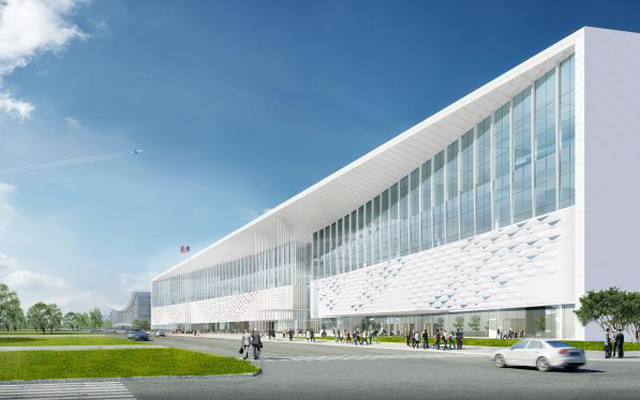
Located in the Beijing Olympic Green Area, the China National Convention Center, Phase 2 (CNCC-II) – one of the key projects in Beijing’s strategic development plan – is on track to open in 2024.
Designed by French architect Christian de Portzamparc, the venue previously served as the main media centre for the Beijing 2022 Winter Olympics, and is undergoing transformation into a flexible events venue.
A rendering of the CNCC-II exterior
CNCC-II features 420,000m2 of floor space and 270,000m2 of meeting and event space, comprising a 7,300m2 divisible plenary hall and 30,000m2 of exhibition floor space. The second floor has over 35,000m2 of function space with 70 meeting rooms in sizes from 100 to 2,000m2. On the top floor (level three), there is over 35,000m2 of function space comprising three banquet halls and two gardens. There are also over 30 VIP lounges spread across the three floors.
CNCC-II is expected to host conferences, forums, banquets, and other commercial events for up to 20,000 maximum, as well as exhibition events for more than 50,000 attendees.
When ready, CNCC-II will have smart venue systems from LED walls to robots that serve meals and undertake cleaning. The centre is also built in accordance with the LEED Platinum and China’s Green Building Evaluation Standard or GBES 3-star, developed by China’s Ministry of Housing and Urban-Rural Development.
The venue is part of a complex that includes two hotels, commercial offices and retail.
“Beijing, as the capital of China, attracts many high-profile events with global influence. The convention centre’s target market includes high-profile intergovernmental meetings, international association meetings, Fortune 500 company meetings, banquets, niche exhibitions and special events,” said Rod Kamleshwaran, pre-opening international consultant of CNCC-II and partner at GainingEdge.
“CNCC-II will rejuvenate Beijing conventions and exhibitions infrastructure boosting the city’s competitiveness. In addition, Chinese thought leaders – the majority of them based in Beijing – bring business and help brand Beijing as a knowledge-based society.”
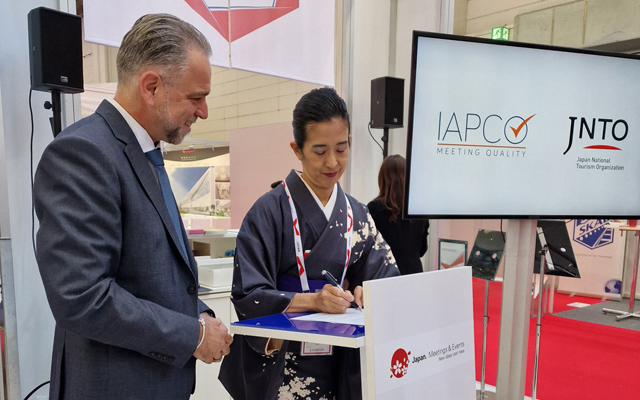
The Japan National Tourism Organization (JNTO) and the International Association of Professional Congress Organisers (IAPCO) have officially signed a destination partnership at IMEX Frankfurt on June 1.
This is Japan’s first such partnership, and IAPCO’s second partnership within Asia.
Inking the partnership at IMEX Frankfurt
JNTO will participate in IAPCO’s network and actively engage with prominent PCOs, providing them with information about Japan’s potential as a destination for international conferences by highlighting the diverse options, facilities, and services of their convention cities.
This is as JNTO aims to make Japan the number one destination in Asia for international conferences by 2030.
Etsuko Kawasaki, executive director of JNTO, said: “The surveys we carried out last fiscal year for our next three-year marketing strategy highlighted the importance of connecting with core PCOs and strengthening Japan’s public relations. JNTO will actively engage with prominent PCOs worldwide through IAPCO’s network. We also plan to provide seminars and invitations for IAPCO members to foster understanding of Japan’s potential as a destination for international conferences.”
“The Asia Pacific region is one of growth potential for our members’ clients, as well as IAPCO. Forming such an important destination partnership with JNTO will ensure our communities and stakeholders can form stronger mutually beneficial relationships well into the future,” Martin Boyle, CEO of IAPCO, added.
Japan is the seventh destination to form this partnership agreement with IAPCO, joining Hamburg, Melbourne, Toronto, Dubai, Hong Kong and Rwanda, and more recently Athens.
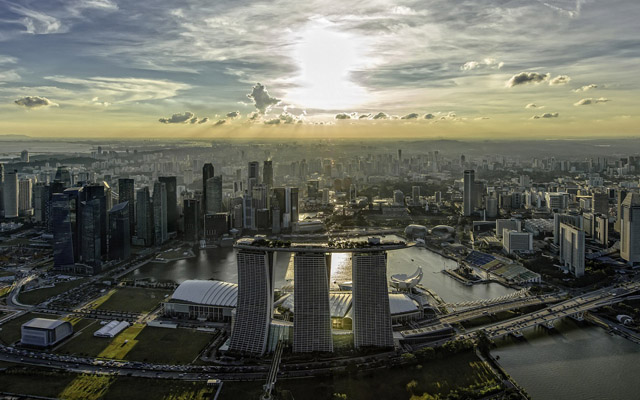
A bird's-eye view of Marina Bay Sands and Singapore's CBD skyline
Marina Bay Sands’ Sands Expo and Convention Centre has become the first venue in Asia to receive the Healthy Venue Gold accreditation for its efforts to incorporate wellness into its suite of business events offerings.
The recognition, awarded by the World Obesity Federation, is granted to venues that integrate wellness into conferences by prioritising healthier eating, movement, and workplace health.
A bird’s-eye view of Marina Bay Sands and Singapore’s CBD skyline
Event organisers and delegates can expect a healthier customer experience at Sands Expo and Convention Centre, including menus with 30 per cent less oil, sugar and salt; and facilities for standing conferences and meetings. Overall event programming can also include fitness and relaxation sessions; and outdoor activities such as SkyPark yoga, cycling and walking around the Marina Bay area.
The accolade comes as Sands Expo is also transforming its banquet service style to incorporate a variety of new hybrid dining experiences at events. Event organisers can customise a mix of à la minute (live) stations alongside a row of self-service buffets. Butler-style buffet, with service team roaming the event grounds with canapes or hors d’oeuvres, can also be incorporated as part the overall F&B service during show days.
Event organisers can also expect to see a rotation of healthier sweet treats to make an appearance daily at Sands Expo. These themed days include Juice Bar Mondays, Acai Bowl Tuesdays, and Kombucha Wednesdays.
“Wellness has become a key agenda in today’s events. The accreditation and the reinvention of Marina Bay Sands’ banquet service is a culmination of the lessons learnt during the pandemic, giving organisers the confidence to revitalise their delegates’ journey with wellness across multiple touchpoints,” said Ong Wee Min, vice president of conventions & exhibitions.
Accor welcomes back Business Travel, Meetings, Conference & Events with a range of enticing offers
Hospitality giant Accor has pushed out a range of meeting offers directed at small and medium enterprises (SMEs).
Through the Accor Business Offer programme, companies without a contract with Accor can subscribe to the programme to avail up to nine per cent savings for business trips.
Accor’s ALL Connect in action
Companies will receive their offer without 24 hours of registration, and benefit from all-year-round savings at Accor’s stable of more than 4,100 hotels worldwide. SMEs will also be able to make bookings via a dedicated Accor Business Travel website, or via the Accor ALL mobile app.
A key benefit of the programme is that businesses do not have to commit to a volume of bookings at one specific hotel. Instead, they can place a minimum of 50 room nights across any of Accor’s hotels per annum to take advantage advantage of the savings.
Meanwhile, Accor’s Choice is Yours offers allows event planners to earn double reward points with ALL – Accor Live Limitless, at over 300 participating Accor hotels in South-east Asia, Japan and South Korea until December 31, 2022. These ALL loyalty points can be redeemed for complimentary hotel stays or to offset the next celebration.
Other benefits include 30 per cent savings on the master bill, no blackout dates to earn points, and points do not expire. Members can also share their points with other members to combine them for redemption on future events or complimentary accommodation.
Previously in April, Accor teamed up with Microsoft to launch ALL CONNECT, a hybrid meetings concept supported by Microsoft Teams.
Last week, Sands China signed a memorandum of understanding (MoU) with Macau Fair & Trade Association (MFTA) on Global Exhibitions Day 2022 event (GED2022) at the Londoner Macao.
Dignitaries at the signing
The Green Development and Carbon Neutrality MoU between Sands China and MFTA calls on both entities to promote and cooperate on the sustainable development of the convention and exhibition industry in Macau. Initiatives include the development of training programmes for the industry that focuses on green education, waste and usage of single-use equipment; reusing; and offsetting the carbon footprint when operating events in Macao.
Under this agreement, Sands China will also promote the upcoming 2022 Macao International Environmental Co-operation Forum in August. Held at The Venetian Macao’s Cotai Expo, the event will also be Macau’s first carbon neutral exhibition.
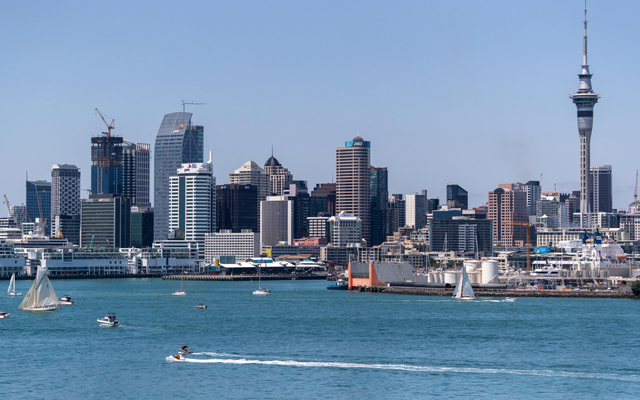
Auckland will welcome 2,500 pest control experts in 2026 as the Federation of Asia Oceania Pest Management Associations (FAOPMA) – Pest Summit Conference is set to meet in New Zealand for the first time.
Slated to be held at the New Zealand International Convention Centre, the annual conference is the largest pest management event in the Asia-Pacific region. The programme will feature discussions international speakers, technical workshops, and an exhibition, plus opportunities to see pest control activity in the field.
Auckland’s (pictured) conference win recognises New Zealand’s environmental protection innovation
It will bring an estimated economic benefit of NZ$6.5 million (US$4.2 million) to New Zealand, boosting the local hotel, hospitality and retail sectors.
Pest Management Association of New Zealand (PMANZ) executive council member Gerwyn Jones said that New Zealand’s Predator-Free 2050 efforts played an integral role in winning the bid.
“New Zealand is seen as one of the leaders of innovation in the pest control/conservation space. We’re seeing technology developed as part of Predator Free 2050 adopted for urban pest management and for the global market. Hosting FAOPMA is a great way to showcase our country and its technological advancements in pest control to the rest of the world.
“Being recognised on the global stage will be massive for PMANZ and the pest control industry in New Zealand. We will have 300 delegates from around the country coming to the conference, learning, collaborating, and building potential research or business partnerships with international leaders in this field.”
PMANZ was supported by Tourism New Zealand’s Business Events team and Auckland Convention Bureau – a division of Auckland Unlimited, to secure the event for New Zealand.
Convention centres in the region – especially those in countries where more freedom has been restored – are looking to the future with renewed optimism, as international business events gradually return.
To tide through the pandemic, these convention centres got creative – large floor spaces were turned into quarantine facilities and vaccination centres, and lifestyle offerings such as attractions and F&B were developed for the domestic market.
Muscling up with tech
The most important step large-scale venues took, were to upskill their staff, and quickly digitalising their services to support virtual events.
Marina Bay Sands (MBS) was one of the first movers in the region. It created its own Hybrid Broadcast Studio – a holographic teleprescence and mixed reality stage – early on in 2020.
MBS’ vice president of sales, Mike Lee, shared: “We embraced technology further and launched the Virtual Meeting Place (VMP) in October 2021, becoming the first venue in the MICE industry to launch such a platform globally.”
VMP allows organisers to scratch-build their virtual venue and replicate real-life event spaces at MBS, and includes multiple functions such as live streaming capabilities, exhibition booths and a content library.
This rapid digitalisation effort is what led to MBS playing host to over 870 events in 2021, amid the pandemic.
This year, several large-scale events have already held shows at MBS, such as the Singapore International Water Week and Asia Pacific Maritime. PCMA Convening Asia Pacific will make its way there come September.
Across Singapore, Constellar Holdings has been running digital and hybrid events at Singapore Expo. One of these studios, ApeX, is Singapore’s largest hybrid studio. It was created as part of Singapore Expo’s upgrading efforts during the pandemic, shared incoming CEO Jean-François Quentin.
The move to beef up event technology has also benefitted ICC Sydney, which delivered over 600 events between March 2020 and March 2022. According to CEO Geoff Donaghy, these events attracted more than 660,000 visitors and hundreds of thousands more online.
Aside from transforming its brick-and-mortar space into hybrid and virtual studios, Alan Pryor, general manager, Kuala Lumpur Convention Centre, told TTGmice that a priority for its survival “was strict compliance, implementation and enforcement of the new SOPs”. These measures boosted confidence among clients and the public in hosting and attending events at the centre, which was also the first venue in Malaysia to obtain the MySafe BE certification.
Te Pae Christchurch opened in December 2021 and has more than 100 events secured for the coming months
Full steam ahead
As social and business conditions improve on the back of better pandemic management, convention centres in key cities are happy to show extremely healthy forward bookings for 2023.
Donaghy is seeing an increase in demand for in-person events.
“ICC Sydney has 300 domestic and international events for the first half of 2022. When looking at the full calendar year, we are working towards delivering another 300 events across all market segments,” he shared.
Australia’s relaxed border controls have helped to stoke interest, and Donaghy expects the number of confirmed events will only continue to increase in 2H2022.
Singapore’s commitment to reopening has not gone unnoticed among show organisers. Jewellery & Gem World and Cosmoprof Asia have chosen to escape the confines of a restrictive Hong Kong, moving their shows to Singapore in September and November respectively.
Two more mega events under the Food&HotelAsia (FHA) platform, FHA-Food & Beverage, the largest international F&B showcase in Asia and FHA-HoReCa, the world’s leading foodservice & hospitality event in Asia, are slated to return to the Singapore Expo in September and October respectively.
Quentin said enquiries have tripled from what Constellar Holdings got at the end of 2021.
“While we’re unlikely to see bookings return to pre-Covid levels for at least another year, we’re also cognisant that the landscape is vastly different now. For example, a few event organisers are rethinking their business models, such as scaling down from having several shows a year to just one or two,” he shared.
There is greater positivity in Kuala Lumpur too. Pryor is confident of achieving the Kuala Lumpur Convention Centre’s sales target as measures have been lifted in Malaysia. Currently, 30 per cent of 117 confirmed events this year are international conventions and exhibitions.
“For 2023, we have secured five conventions and 15 exhibitions, and are looking to lock in 80 more from both segments in the next six months,” he shared.
For Loy Joon How, general manager of Thailand-based IMPACT Exhibition & Convention Centre, this year’s business outlook is “still weak” even as international bookings return for 2023. As the Covid situation continues to improve, Loy expects domestic events to be critical to industry recovery.
Even new-kid-on-the-block October has much to cheer about. General manager Ross Steele said “business is looking good”, and pointed to more than 100 events already on the books for the next six months, including 60 conferences, and a “solid pipeline” for the coming years.
Hurdles remain
It is a new dawn for convention centres in Asia-Pacific, but the road to recovery is still fraught with challenges. Manpower constraints and a hyper-competitive landscape are threatening to dampen venues’ ability to win more events.
Loy observed a critical need for venues to maintain cost effectiveness while balancing the implementation of Covid protocols, standards and practices.
For Quentin, manpower acquisition and retention have been a struggle. The perception that other industries are more stable than the events industry are of no help to recruitment efforts, while rising demand for hospitality professionals is pushing up salary expectations.
Beyond internal challenges, Quentin also shed light on a possible reduction in large-scale shows available for venues to court, as “many consumer show exhibitors are rethinking their participation level” due to supply chain challenges and rise of e-commerce.
Pryor also warned that most venues and destinations would be contending for the same piece of business, resulting in intense competition. As such, the host destination’s openness to international travel would influence the show organiser’s decision.
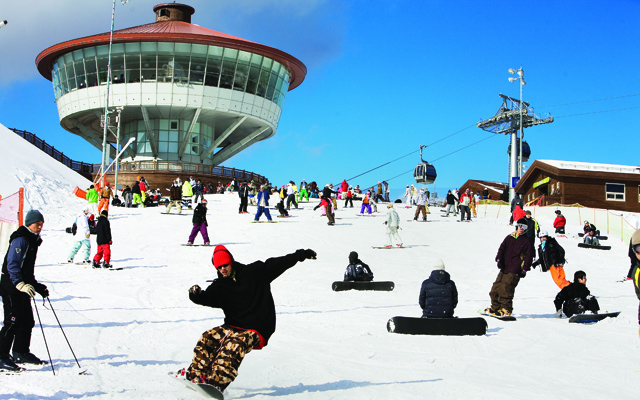
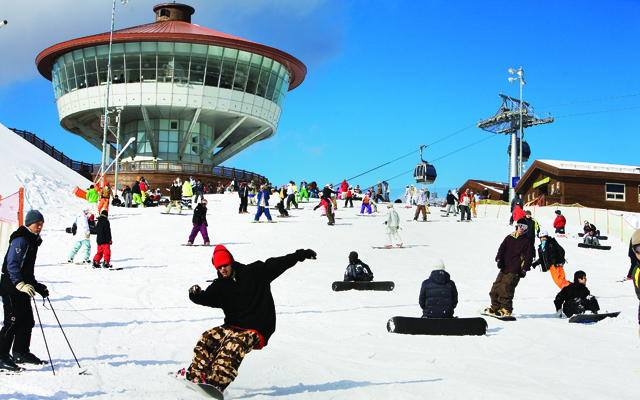
Keeping the Olympic legacy strong Hosted by Gangwon Province, South Korea (Gangwon), Korea Tourism Organization (KTO) and various well-known ski resorts, Gangwon Snow Festa is an annual celebration to commemorate the legacy of PyeongChang 2018 Olympic Winter Games and showcase a uniquely Korean winter wonderland to an international audience.
Festivities revolve around exhilarating winter activities, K-wave-themed experiences, complete with immersive cultural and wellness highlights.
The 2020/2021 edition amid the pandemic saw Gangwon staging its first virtual concert, On:tact K-OST Concert Snow Festa, with a special shoutout to Gangwon 2024 Youth Olympic Games.
Global viewers got to take in the spectacular dreamy snowscapes in the province and savour the wildly-popular K-drama soundtracks online during the much-anticipated worldwide digital campaign.
Sporting Legacy
1 of 3
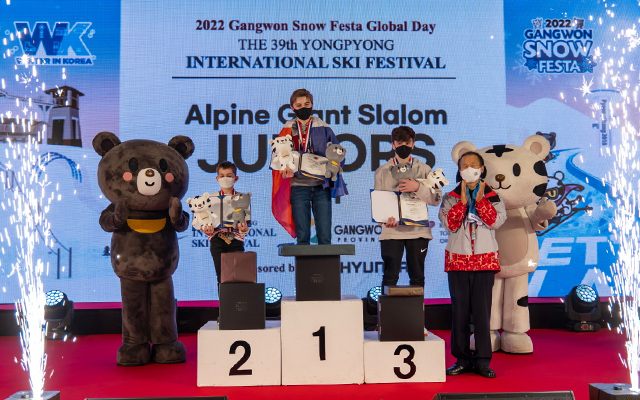
2022 Gangwon Snow Festa Global Day was attended by more than 200 from 30 nations
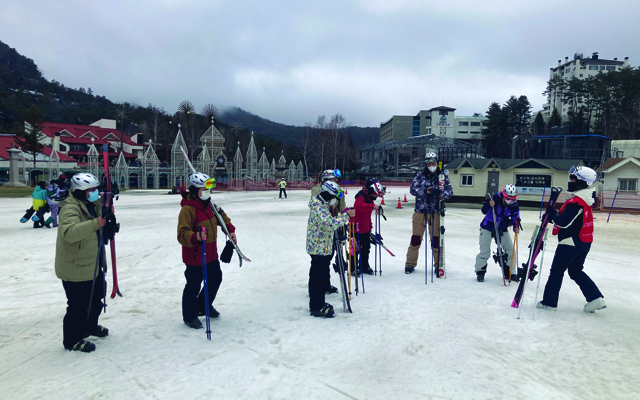
ravel agents, trade partners and media from Singapore dabbled in skiing at the Sing Ski Festival
During the Sing Ski Festival, participants tried one of the games featured in mega hit, Squid Game
In February this year, the province organised the 2022 Gangwon Snow Festa Global Day, in conjunction with the 39th Yongpyong International Ski Festival.
During the winter event attended by more than 200 from 30 nations, the governor alongside 19 ambassadors also expressed their wishes for the success of Gangwon 2024 Youth Olympic Games.
Hot on its heels in March, Gangwon and KTO wasted no time in inviting travel agents, trade partners, as well as media from Singapore to experience Sing Ski Festival, which was specially curated to cater to the vaccinated travel lane between South Korea and Singapore.
Participants got to try their hand at the skiing and wellness offerings, as well as explored the latest attractions. The festival culminated in a gala dinner, complete with an award ceremony for winners of the ski competition, K-drama soundtrack performances and even K-culture games from mega hit, Squid Game.
Kim Jong Woug, director-general, tourism, culture and sports bureau, Gangwon said: “We will proceed more proactively with our marketing efforts in tandem with the recovery of international travel so more tourists will be keen to visit Gangwon, moving forward.”
Leading wellness destination While wellness is not a new trend, novelty can come from unexpected partnerships and itineraries, as the wellness destinations adopt an integrated approach to health and fitness.
Take it from the Slow Pacers, pandemic travellers who are avid about wellness and safety – they seek innovative healing experiences and will bring their desire to live better, healthier and stronger abroad when they travel for both business and leisure.
Gangwon's wellness attractions
1 of 8
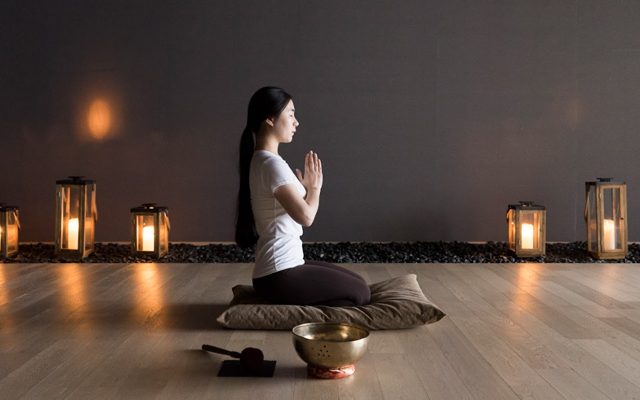
Museum SAN, Wonju, spotlights sound meditation
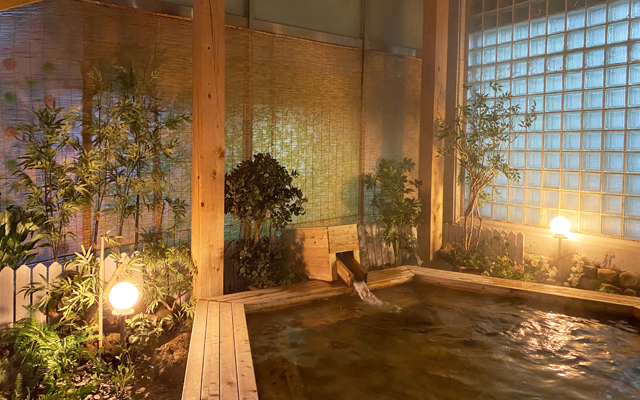
Osaek Greenyard Hotel, Yangyang, features hot springs
Meditation is the focus of Park Roche, Jeongseon
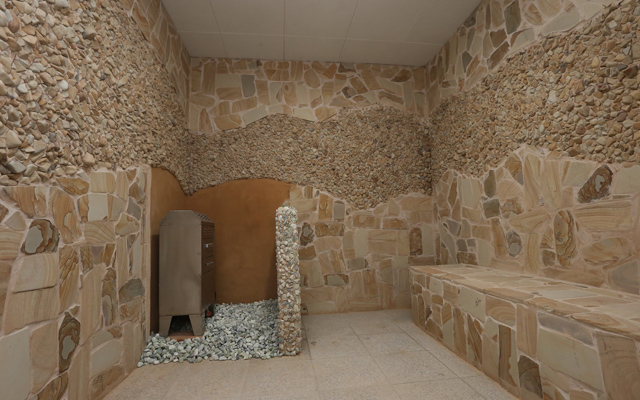
Donghae Mureung Health Forest is well-known for its saunas
The trek routes in Romyzian Garden, Jeongseon are popular
High 1 Resort expanded into a wellness complex, complete with populating its compound with shasta daisies
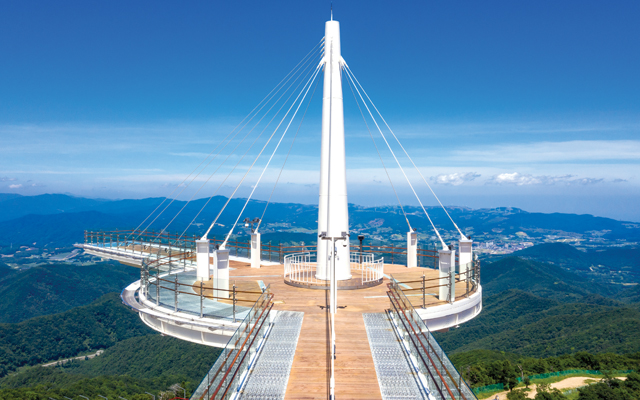
Explore the Skywalk at mona Yongpyong Resort
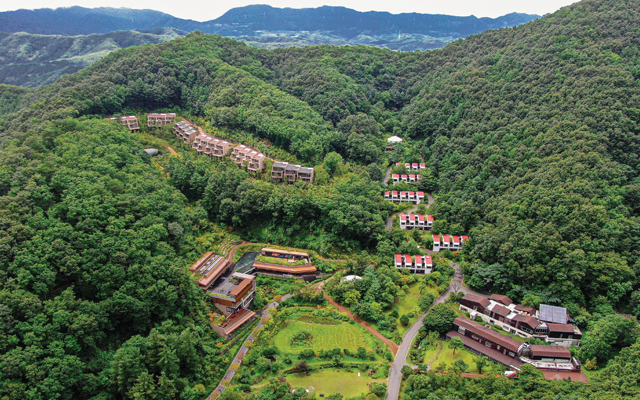
Healience Seonmaeul, Hongcheon, is also known as the Zen Village
The annual well-loved Gangwon Wellness Week, taking place in various wellness destinations across the province, showcases soothing mind-body therapies amidst the awe-inspiring lush greenery of Gangwon.
Health enthusiasts can go on their pursuit of wellness with forest trekking, yoga and fitness-themed classes packed in the event schedules.
With breath-taking forested expanse and pristine streams surrounding the town, Jeongseon stands out and can certainly claim to be a note-worthy healing destination, housing the largest number of wellness attractions.
Weary travellers looking to recharge can also turn to High 1 Resort, after it expanded into a wellness complex. The premium ski retreat offers a special HAO programme comprising Querencia yoga, healing meditation, as well as tea confectionery and flower tea to relieve fatigue and uplift the spirit.
A refreshing trekking experience in the scenic Mt Balwangsan in mona Yongpyong Resort is also another wellness highlight for fitness-loving tourists and locals.
In fact, the picturesque ecosystem of Mt Balwangsan is most ideal for invigorating trails and hikes from spring until early fall. During winter, indoor wellness programmes at the resort centre on meditation yoga, handicraft courses, as well as aroma and nishi therapies.
For more information on destinations and activities in Gangwon, email Dexter Liew, marketing manager, Gangwon Kuala Lumpur Office at gangwon.kl@gmail.com
Langham Hospitality Group has appointed Markus Aklin as vice president – development, Asia Pacific, reporting to CEO Brett Butcher.
A Swiss national, Aklin led development in Asia Pacific for over 10 years for Onyx Hospitality Group. As vice president, development, he successfully executed the market entry strategies into eight regions.
He commenced his career in the region managing operations and pre-opening projects in 2003.
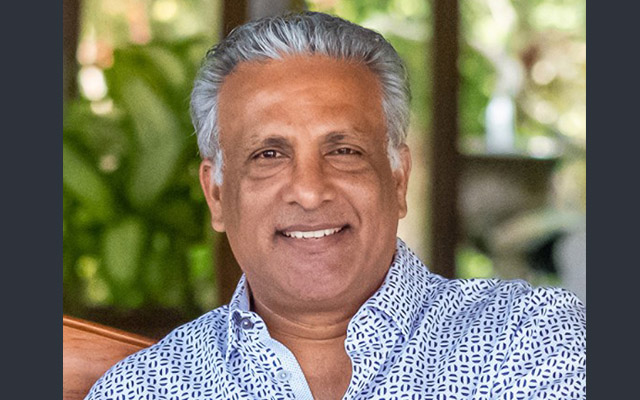
Uday Rao has been appointed as the general manager of Four Seasons Hotel Sydney.
Prior to his Australia move, Rao managed both Four Seasons resorts in Bali.
Rao has been with the Four Seasons family since 1991, where he started in Chicago as an overnight receptionist. He rose through the ranks, transferring to other properties in Tokyo, Singapore, Dallas and the Maldives. Rao then returned to India in 2006 to to open Four Seasons Hotel Mumbai, serving as hotel manager.
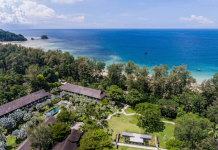
Just 10 minutes from Phuket International Airport on the serene northern coast, this 178-key, Bill Bensley-designed resort offers delegates a quiet, tropical paradise steeped in Phuket’s tin-mining heritage
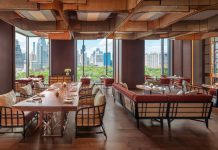
The newly-opened Ritz-Carlton, Bangkok anchors the One Bangkok development with cosmopolitan elegance. Featuring the city's largest ballroom and a spectacular new penthouse suite, it delivers exceptional hardware and deeply authentic, soulful service for business and leisure travellers alike
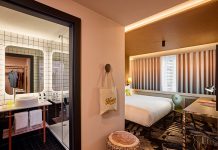
Behind the imposing, Brutalist concrete that defines Zurich’s Oerlikon district lies a surprising secret. While its exterior honours the neighbourhood’s industrial roots, stepping inside Mama Shelter reveals a vibrant, neon-soaked world that is a far cry from its rigid shell














 He commenced his career in the region managing operations and pre-opening projects in 2003.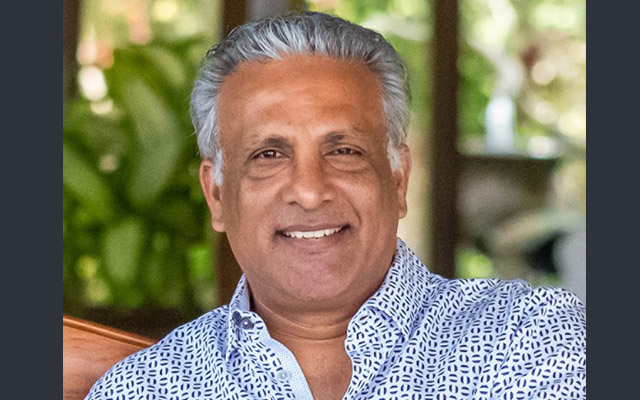
 Rao has been with the Four Seasons family since 1991, where he started in Chicago as an overnight receptionist. He rose through the ranks, transferring to other properties in Tokyo, Singapore, Dallas and the Maldives. Rao then returned to India in 2006 to to open Four Seasons Hotel Mumbai, serving as hotel manager.