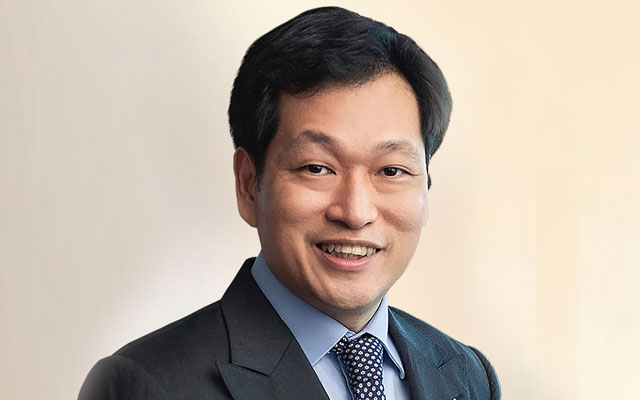
CapitaLand has appointed Kevin Goh as its CEO for lodging.
In his new role, Goh will oversee CapitaLand Group’s lodging business, which is one of the company’s three pillars for sustainable growth, alongside fund management and investment/development.
Goh will concurrently serve as the CEO of the property giant’s wholly owned lodging business unit, The Ascott Limited, a role he has held since 2018.
He is a key member of the senior leadership team responsible for managing and executing the group’s growth strategies.
Having been with the CapitaLand Group since May 2007, Goh has held various leadership positions in Ascott such as COO, managing director of North Asia, and regional general manager for East and South China.
Attendees at the upcoming IT&CM Asia and CTW Asia-Pacific in Bangkok this September can look forward to interactive events led by teambuilding specialist, Asia Ability, the official Experience Partner to the show.
The main event is GO ENGAGE, a gamification of the exhibition experience which transforms the show floor into a giant game board. Every booth or pavilion represents a checkpoint on an online game played by buyers and trade visitors.
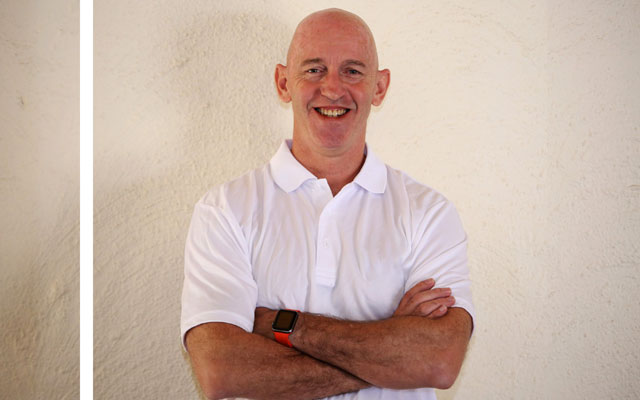
David Fotheringham and the Asia Ability team will deliver two fun projects to encourage buyer-seller interaction at IT&CM Asia and CTW Asia-Pacific 2020
Buyers will need to download the game app onto their smartphones and scan QR codes at various booths to earn points.
David Fotheringham, director and consultant at Asia Ability, said exhibitors can use GO ENGAGE to drive traffic to their booth by offering interesting challenges that grant bonus points.
Attendees will accumulate points for a go at a sure-win lucky draw, and the person with the highest overall points will also walk away with an award.
Throughout the show, attendees can check out the live leader board and photos of fellow game competitors in action at the Asia Ability booth.
In addition, Asia Ability will also be hosting the welcome session on the opening day on September 22 with its unique Knowing Me Knowing You activity.
Fotheringham explained that Knowing Me Knowing You aims to encourage networking among buyers and exhibitors to build common ground and smooth the path of sharing information that will inevitably lead to better business relationships in future.
To play, teams are formed and connections built as participants rush to gather as many business and personal “commodities” with other players in order to earn points for their teams.
Fotheringham shared that the Covid-19 pandemic has necessitated survival by creative means, as live teambuilding programmes grind to a halt.
“They say that necessity is the mother of invention, and the dire necessity of this current crisis has fuelled an outpouring of creativity that our network has never seen the like of. There is a focus on virtual teambuilding for teams currently under home working conditions,” he said.
He revealed that demand for virtual teambuilding is rising in Singapore and Malaysia, especially among the banking, financial, medical and pharmaceutical sectors.
“Faced with uncertainty and the unfamiliar, the need for effective teambuilding to enhance great communication and strong workplace relationships is more important than ever before,” he added.
When the pandemic finally comes to an end, Fotheringham foresees a return to physical teambuilding activities and carefully planned and orchestrated team activities will still have a place.
Companies that value human capital will still want to bring people physically together to connect and build on those “virtual” relationships.
Jakarta’s development is more than ever in the spotlight. The city is fighting to stay competitive in the business events industry, following president Joko Widodo’s decision to move the capital to East Kalimantan come 2024.
Announced in August 2019, the decision may mean that many government events – which contribute significantly to Jakarta’s business events industry – could be shifted to Kalimantan.
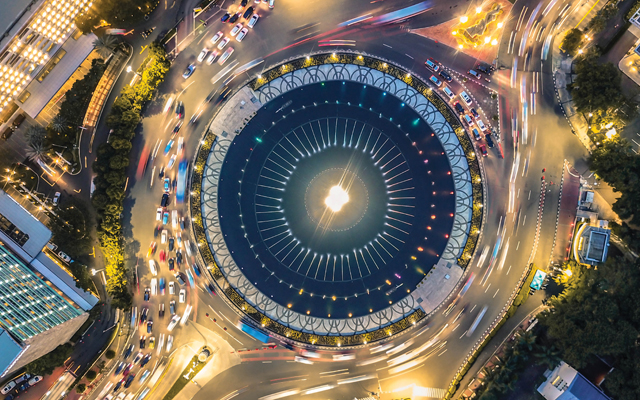
An aerial view of the HoteI Indonesia (HI) roundabout in the heart of metropolitan Jakarta, which is now connected to Lebak Bulus in southern Jakarta by MRT
A month after the president’s announcement, tourism and hotel consulting firm Howarth HTL released a report that attempted to estimate the impact of the move on hotel room night demand (RND) in Jakarta.
One of the scenarios laid out in the report projected a 25 per cent loss in hotel RND from government- and business-related events to Kalimantan. This would mean a loss of 528,000 room nights a year for Jakarta hotels, as well as 1.2 trillion rupiah (US$87.6 million) in annual revenue. Figures were arrived at based on the 2018 performance of the Jakarta hotel industry.
Nevertheless, Cucu Kurnia, head of the Jakarta regional tourism and culture office, remains optimistic about Jakarta’s status as a destination for events.
He asserted that promoting business events in the city remains “the right thing” to do going forward, as the city has all the facilities and amenities, in terms of venues, hotels, transportation links and attractions, as well as “top-notch professionals”.
He reckoned that Jakarta can look to attract meetings, conventions and exhibitions, and less so, groups on incentive programmes.
Getting around
One major challenge for business event organisers in Jakarta is the city’s notorious traffic. The city government has stepped in to address this by introducing more transport links in recent years.
The Jakarta MRT, introduced in 2019, has been lauded by locals and visitors. According to MRT Jakarta, the company overseeing the Jakarta MRT, 24.6 million riders, or about 95,060 riders per day, have taken the train throughout the year, since its official opening on March 24 last year.
Currently, Jakarta MRT serves 13 stations stretching from Lebak Bulus in southern Jakarta to Hotel Indonesia roundabout (Bunderan HI) at the centre of metropolitan Jakarta.
This marks merely a 15.7km stretch of the transportation’s first line, which will eventually extend from Bunderan HI to Kota Tua or old city, then to West Ancol in the north, connecting the northern and southern ends of Jakarta.
Completion of the stretch between Bunderan HI and Kota Tua is slated for end-2024, while the entire line is expected to be completed come 2027.
Meanwhile, the Jakarta Light Rapid Transit (LRT) has officially begun operations since December last year, having held public trials between June and November. The LRT will eventually connect Jakarta with the surrounding Bogor, Depok and Bekasi (known collectively as the Jabodebek) area.
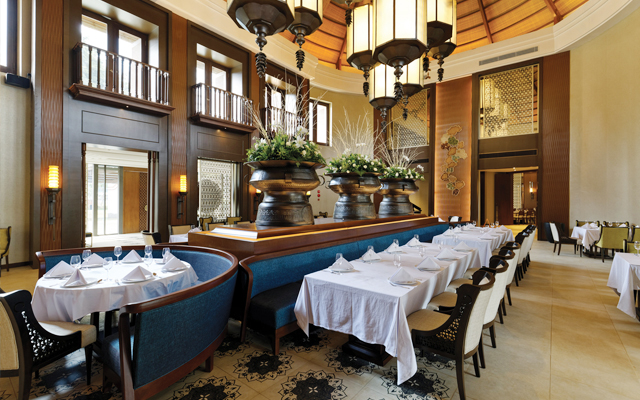
Tiga Dari, one of three dining venues at Hutan Kota by Plataran, which is billed as “a long awaited central park of Jakarta”
Getting integrated
According to Panca Sarungu, chairman of public-private partnership Kuningan MICE Alliance, the scarcity of land in Jakarta and its expensive cost has motivated industry players to build venues in malls, offices or in F&B spaces, as well as set up boutique venues.
One such example in southern Jakarta is The Kasablanka Hall. Located on the third floor of Kota Kasablanka, one of Jakarta’s busiest shopping centres, the venue can seat 2,000 guests. There are also smaller meeting rooms on the same floor as well as a VIP room and a medic room elsewhere in the mall.
The Sopo Del Office Tower project in the CBD of Mega Kuningan – also in southern Jakarta – offers various event venues, a hotel and shops. There are three functions rooms and a grand ballroom, which can accommodate up to 700 guests in theatre-style seating.
New in central Jakarta is Hutan Kota by Plataran, which is billed as “a long-awaited central park of Jakarta”. Besides being home to 3.2ha of lush greenery, the unique venue, which can host a total of 2,000 guests, boasts corporate dining spaces, an open performance deck, a pet playground, and prayer rooms.
Event planners looking for boutique venues in central Jakarta can seek out LAVVA at Plaza Senayan shopping complex. The entertainment space houses a lounge with a standing room of 300 and seating room of 160, as well as a whisky bar and KTV suites.
Going international
As Jakarta continues the push to reinvent itself and improve its business events offerings, it comes as no surprise that some industry players hold a positive view of the city’s future.
Panca, who is also CEO of RajaMICE, an event organiser based in nearby West Java, is optimistic that Jakarta’s future as a business events destination is bright, thanks to facilities and accessibility.
While Jakarta “might lose some of its market”, acknowledged Panca, he reckoned that the city would “continue to attract business events, including big government meetings”.
Having said that, Panca encouraged local players to decrease their reliance on business travel and government events, and move toward attracting regional and even international corporate gatherings.
With this focus on private events, he stressed that it is all the more important for Jakarta to improve its infrastructure and set up a convention bureau that will head up marketing and promotional activities.
In fact, TTGmice understands that the city government has set the gears in motion for such a bureau. A plan to establish the regional Tourism Promotion Board, which will oversee both leisure and business events, is awaiting the approval of Jakarta governor, Anies Baswedan.
Hosea Andreas Runkat, chairman, Indonesia Exhibition Companies Association (IECA), has seen a shift in the regional tourism and culture office’s agenda towards business events. He remarked that the office is “actively opening dialogues with the industry” and are slated to attend related tradeshows after being absent for about five years.
“What we need going forward is for the city government to allot the majority of promotional budget – say 70 per cent – for business events and the rest for leisure, and not the other way around,” emphasised Andreas.
Capital city or not, Jakarta continues to undergo development in terms of transportation, and international hotel brands are still planting its flags in the city.
It seems as though Jakarta’s status as Indonesia’s forefront business events destination is here to stay.
Hygiene and the spread of diseases at mass gatherings will become a major consideration for people attending events in the future
Covid-19 pandemic is placing venue cleanliness higher on planners’ list of key considerations
Enhanced cleaning and sanitising processes will likely stick around post-pandemic
MICE venues and hotels are rethinking event formats to address social interaction concerns as events resume
Hygiene and the spread of diseases at mass gatherings will become a major consideration for people attending events in the future
Health checks and enhanced cleaning procedures imposed by event venues during the Covid-19 outbreak will likely become the new normal when governments lift bans on public gatherings as infections come under better control, opined some operators.
Last week, Hong Kong’s AsiaWorld-Expo (AWE) led the cleanliness charge among MICE venues when it deployed a high-tech disinfection installation and advanced air purification technology in preparation of business resumption.
The CLeanTech disinfection installation and advanced air purification technology can sanitise visitor’s outfits and carry-on items of visitors in 12 seconds, among other features. It is believed that AWE is the world’s first exhibition and event venue to deploy the system.
While venues elsewhere in Asia-Pacific may not yet boast such high-tech cleanliness deployments, they have expressed commitment to maintaining an active clean mode when business resumes.
According to Loy Joon How, general manager of Impact Exhibitions Management, which manages the massive Impact Muang Thong Thani event complex in Bangkok, “comprehensive precautionary and preventative measures” have already been in place since February to “ensure the safety and peace of mind of attendees to our venue”, and these are in compliance with the TIS 22300 MICE Security Management System standard.
Mass public gatherings in Bangkok, and across Thailand, are currently discouraged to curb the spread of the virus, but the Impact team is actively reviewing and adapting its operations to ensure that these measures are able to address “all levels of threats”, said Loy.
“If there is a need, we will definitely explore the deployment of technologies such as cleaning robots, and other effective cleaning solutions available,” he added.
Keeping it up
In China, life is stirring slowly but surely in the business events space as movement restrictions are being lifted in phases.
At Suzhou International Expo Center, which is starting to receive government meetings with no more than 400 delegates, standard precautionary measures are still in place – temperature screening of all venue visitors, the enforcement of a smartphone health code clearance, masks on for all event attendee, and safe distancing – in addition to daily enhanced cleaning.
General manager Wayne Cha said: “There is no increased number of Covid-19 patients in Suzhou.” As such, these measures “are enough” in his city.
When asked if these measures would be here to stay even after the pandemic is over, Cha reckoned that temperature checks may be dropped.
Donaghy: ICC Sydney is ready to deploy even more hygiene measures if necessary
For other venue chiefs, the intense hygiene and disinfection processes now may well be the new normal.
Loy said the pandemic has brought venue cleanliness into sharp relief across the world.
“Clients will now expect higher standards of hygiene and disinfection processes, and we as a venue should rightfully comply in the interest of safety hygiene,” he said, adding that a venue’s hygiene standards have always been a key criteria for clients deciding on which venue to use.
Geoff Donaghy, CEO, ICC Sydney, agreed: “Inevitably there will be an increased scrutiny on venues’ hygiene by clients as we emerge from this pandemic. ICC Sydney is proud to have always maintained highest standards in hygiene to ensure the safety of guests and team members. These – plus any other measures deemed necessary – will be in place when the venue reopens for events.”
Melbourne Convention & Exhibition Centre (MCEC) will also maintain its clean practices when it reopens after June 30, at the end of its voluntary closure.
Leighton Wood, MCEC’s chief operating officer, said the continuation of hygiene procedures is needed “to assure our staff and customers that we are addressing the needs of delegates to meet safely for their next conference or event”.
Like many other convention and exhibition centres in leading business events cities, MCEC’s preventative measures included provision of hand sanitisers at public areas and enhanced cleaning and sterilisation of high traffic areas and surfaces.
Wood said: “We also work closely with commercial cleaning services to ensure thorough cleaning, practice strict adherence to the hygiene and food handling practices as outlined in the Australian Governments Food Standards Code, and have an active incident response team who are meeting regularly and monitoring the situation, who can respond when needed.”
And as the search for a Covid-19 vaccine continues, UFI believes that government measures to contain the outbreak – and with that, compulsory hygiene procedures at public venues and facilities – will continue even as events and travel resume.
UFI told TTGmice that upholding health and hygiene standards at events in the future is a joint responsibility of venues, organisers and service providers, and that UFI members in the exhibitions industry “bear the stamp of quality” and always “put the health of people first, whether that be venue staff, exhibitors, visitors, service providers etc”.
The resource helps members and the convention and exhibition industry at large to address the recent outbreak, providing tips on coping with a rapid facility shutdown ordered by the authorities, managing responses during a suspected virus incident, and communicating during times of crisis, among many others.
While UFI will not say what the critical must-dos are in terms of health safety for attendees and venue cleanliness, the association told TTGmice that both UFI and AIPC will continue to expand the guidelines by “putting together a series of best practice cases, as these become available”.
“It is important that we enable exhibitions to take place as soon as possible (respecting strong hygiene measures) to help boost the economy, by helping SMEs relaunch their businesses,” said the UFI spokesperson.
Clean standards at hotels
In Singapore, hotels are aligned with the National Environment Agency’s SG Clean campaign, which is rolled out across various sectors including schools, government buildings, conference venues, tourist attractions and F&B outlets.
To achieve the SG Clean quality mark, sector stakeholders will need to commit and adhere to sector-specific sanitation and hygiene checklists, covering areas such as management oversight, cleaning methodology, toilet cleanliness, and general public hygiene. Premises will be audited by agencies or appointed third-party assessors.
Hotels expect these enhanced cleaning processes to remain even as life returns to normal.
Cinn Tan, chief sales and marketing officer of Singapore-based Pan Pacific Hotels Group, said the “additional precautionary measures, increased frequency of cleaning, and heightened levels of personal hygiene would be new standards for hotels”.
She told TTGmice that in addition to the usual strict standards of daily sanitising and cleaning, the outbreak has led her team to enhance the frequency of deep cleansing and disinfecting, taking special care of high-touch areas such as doorknobs, lift buttons and handrails.
Accor properties across Singapore are certified SG Clean, which Kerry Healy, vice president sales Asia Pacific, said will reassure guests and make them feel safe to travel again once the pandemic blows over.
The hotel company has also developed its own comprehensive audit process to ensure its hotels are following the highest hygiene and safety standards possible.
Healy said technology could enhance contact tracing, which is in place across Accor hotels.
“Solutions like IDEM Hospitality’s Group Housing solution will allow the hotel to know in real-time what is happening with our group business and allow us to be better prepared as opposed to waiting for rooming lists to arrive. By being prepared, we can better serve our guests and allocate hotel resources to appropriately manage and streamline group guests movements,” said Healy.
She emphasised that health and hygiene procedures are a responsibility of “all departments, from HR to housekeeping, F&B to revenue management”, and that hotels’ hygiene and disinfectant processes will become an even more important criteria among clients following the crisis.
She commented: “Our hotels have always had high cleanliness and hygiene standards but this crisis has allowed us to work with local health authorities to further enhance the group’s existing operating protocols. We will continue these protocols even when the situation has been contained.”
Different interactions
In the initial stages of activity recovery, attendees may still be cautious about social interactions and event formats will need to change to address such concerns.
Loy: the pandemic has brought venue cleanliness into sharp relief across the world
Loy shared that his team is encouraging and helping clients to incorporate social distancing planning for future events, such as modifying seating formats and exhibition floorplans to allow more space between participants.
“We have also re-engineered our F&B menu, offering lunch and coffee break boxes instead of normal buffet lines. We are also working with clients to see how we can help to encourage pre-event registrations instead of on-site registrations,” he revealed.
The same is happening at Accor. Healy shared that her teams and partners are working together “to adapt to the new normal and implement safe distancing measures on meetings and events, rethinking F&B offering, capacity of rooms, etc”.
She said: “We would expect in the next few weeks many of our customers will be amending their RFP questions around hygiene, audience seating standards, etc until proper treatment and available vaccines are in play. Our goal is to create an environment for our clients to safely conduct events in our properties, a new normal in a way.” – Additional reporting by Anne Somanas, Pamela Chow and Adelaine Ng
TCEB is encouraging the local sector to adapt and use virtual platforms for business during this time; Bangkok pictured
The Thailand Convention and Exhibition Bureau (TCEB) has announced a campaign to support the business events industry in response to the disruption caused by Covid-19.
Comprising two projects, the campaign aims to help upskill Thai businesses in conducting digital meetings, enhancing employees’ skills, and upgrading their safety and health standards in venues.
TCEB is encouraging the local sector to adapt and use virtual platforms to do business; Bangkok pictured
Through the Virtual Meeting Space project, TCEB will support entrepreneurs in three areas: hosting webinars for up to 10,000 attendees; conducting exhibitions on O2O platforms; and providing an e-learning platform for entrepreneurs to up-skill or re-skill staff.
Support includes the setting up and management of relevant digital platforms, technical assistance for live-streaming and providing digital means for exhibitors to showcase products, as well as an online payment gateway to secure deals online.
TCEB, in partnership with Southeast Asia Centre (SEAC), has also launched an e-learning platform which will offer six learning courses in areas such as digital skills, project management and entrepreneurship. It is set to benefit some 250 people between May and October this year, who will receive a certificate from TCEB if they complete the course requisites.
Meanwhile, the Simple Ways to Prevent the Spread of Covid-19 in Your Meetings and Events project provides a 30,000-baht (US$9,231) subsidy for venue operators – including hotels – to carry out screening and prevention requirements set by Thailand’s Ministry of Public Health.
TCEB estimates that 216 venues across the country will benefit from the 6.5 million baht project, which will run from April to June 2020.
Besides the two projects, the bureau has also rolled out the TCEB Covid-19 Information Centre to provide information relevant for the business events industry during the pandemic, including recommendations on pandemic response and latest government regulations.
As commercial airlines melt under the pressure of the Covid-19 pandemic, experts assert that effective and innovative use of loyalty programmes, partnerships and client data will be their lifeline.
Speaking at an Aviation Festival Asia webinar last week, independent consultant Nik Laming of Urban Leopard Ventures said: “Loyalty programmes are probably the most valuable asset that airlines have at this moment. It will be a very quick recovery option for revenue.”
Experts call for airlines to innovatively use loyalty programmes to tide them through the pandemic
He explained: “Airlines have a database of highly engaged, valuable people. They have the ability to go to co-brand partners – especially banks – and give them a very good deal to pre-purchase miles to generate cash. It depends on how desperate the airline is, but at this point, nothing is off the table. It’s far more important for airlines to survive.”
New World Loyalty’s airline loyalty consultant Mark Ross-Smith agreed that airline loyalty will “play a big role” in recovery.
With air travel at a standstill, customers are now cashing out their miles through partner redemptions, such as supermarket and F&B gift cards, causing airlines to go into “cash preservation mode”, he described.
Despite this occurrence, it is important for companies to continue reassuring customers.
Ross-Smith said: “The best example is that the CEO would send a communication to reassure members that the airline is maintaining safety and keeping things clean. They should acknowledge the situation so that members feel confident about their miles, health and safety. It’s important to remove the uncertainty or anxiety, especially for elite members.”
However, this measure alone would not be enough to sustain customer loyalty and sentiment, as “members – and people in general – will remember how you treat them during a crisis”, he cautioned.
Instead, he advised airlines to heavily consider perks like extending members’ elite status or incentivising the collection of miles during this time, citing an example of an American airline that is offering 10 times the number of elite miles to its members.
These promotions can also be tweaked based on different markets and their price sensitivity, which may affect how quickly their travel demand will return once travel restrictions ease, said Laming.
He predicted that while business travellers are “highly likely to travel” and practise “very low discretion” to prices, young leisure travellers have shown to be “impulsive” and “highly price-sensitive”; the two main markets that are likely to start travelling first.
Laming concluded: “Airlines should be able to pick the promotions extended to each market to maximise cash yield and get people flying again. We will see a rebooting market that will hopefully reboot loyalty programmes to be bigger and better than before.”
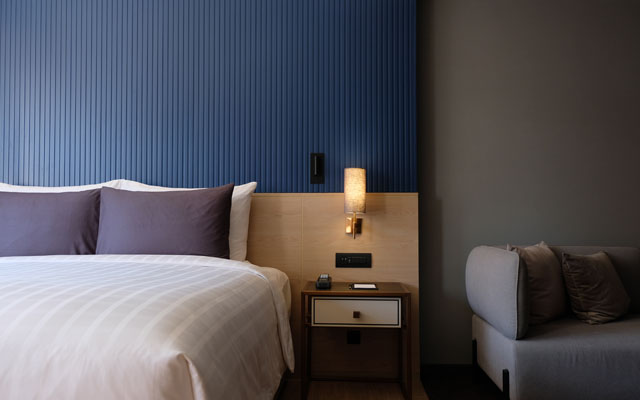
A guestroom within the newly-opened Sidhorn Midtown
The Crown Property Bureau-backed Siam Sindhorn aims to tap into long-stay potential in Bangkok’s city centre with its newest property addition, the Sidhorn Midtown.
The 344-key hotel in Langsuan – which includes 49 serviced residences with a minimum stay of 30 days – remains one of the few hospitality offerings still welcoming visitors in Thailand’s capital to date. And despite launching during Covid-19, the property is confident it can make the most of its circumstances.
A guestroom within the newly-opened Sidhorn Midtown
“Despite the impact of Covid-19 on the global economy, there are still needs for private long-stay accommodations for those on business travels and there is no better time to reach out to them”, said Sidhorn Midtown’s general manager Jee Hoong Tan.
Tan added that demand for long-stays will only increase after the pandemic ends, when consulting firms are brought on board for a period of time to help restructure companies in the wake of Covid-19.
The 49 serviced residences are self-contained and come furnished with fully-equipped kitchenettes, two-in-one washing and drying machine, and an air purifier, which Tan touts as the only hotel and residences in the city to provide one.
Another of the property’s key features is the on-site two-storey 7-Eleven Premium outlet – a first for parent company CP in Thailand – which opened its doors beginning of April and services guests with more upscale grab-and-go options along with room delivery for all products.
Tan described the positioning of the hotel as midscale, “offering five-star service at a four-star pricing” with a “centralised location with very easy access to the city centre”.
The property is also surrounded by greenery, and have both the Silom and Sukhumvit lines within easy reach. Langsuan is also famed for its food, being the birthplace of Gaggan, which has been voted No. 1 in Asia’s 50 Best Restaurants for four years in a row (2014-2018).
And although Siam Sindhorn has investments in other hotels managed by international chains, Sindhorn Midtown illustrates the developer’s new focus on a native brand, with a goal of building a local brand to inspire the next generation. Local F&B collaborations include international award-winning local brand Kad Kakao, while art by local artist Kachama Perez, who works with local hill tribes, graces the lobby.
Spanish hotel group Meliá Hotels International has opened Meliá Koh Samui, its first hotel in Thailand.
The beachfront resort offers 159 rooms and 41 suites, suitable for large business events groups heading to Koh Samui for meetings and teambuildings.
Meliá Koh Samui
1 of 8
Event planners can take advantage of the extensive conference facilities of seven multifunctional rooms including a room with a beach view, a ballroom that can accommodate up to 200 guests and an outdoor pool-side and beachfront function spaces which recently hosted a gala dinner for 500 guests.
During their downtime, guests will also be able to unwind in the two outdoor swimming pools, including a large lagoon pool that loops like a river through the resort’s gardens.
Other amenities include two restaurants, an executive lounge, a beach club and a swim-up bar, the YHI Spa, and a fitness centre. For families of corporate travellers, they can also enjoy access to a kids’ club, outdoor playground, and mini water park.
Melia Koh Samui also houses the Gallery, a not-for-profit social enterprise of art and design gift shops under the aegis of the Asset World Foundation for Charity, which embraces socially responsible practices to contribute to society and communities. The shop will give customers the opportunity to be part of supporting the local communities with all profits contributing to further artistic endeavours, as well as preserving and promoting local culture and areas in need.
This opening is the start of a strategic roll-out of the Meliá brand in Thailand and at least two more hotels will be opened in key destinations in the country, namely INNSiDE by Meliá Bangkok Sukhumvit and Meliá Chiang Mai.
TTG Asia Media is debuting a TTG Conversations webinar series at the end of this month to connect industry peers whose ability to meet and discuss key business issues has been disrupted by the Covid-19 pandemic.
TTG Conversations joins the company’s stable of widely-read and established trade titles as well as at the many knowledge sessions of IT&CM Events and CTW Events that take place several times a year.
Panellists will discuss if virtual events are here to stay even after the pandemic, and how one can take a physical event online
The first webinar will take place on Wednesday, April 29, from 15.00 to 16.00 (GMT +8) with a topic designed for its TTGmice and TTGassociations audience.
The hour-long TTG Conversations: The end of events as we know it? calls on four panelists to debate the value of virtual meetings and determine how extensively companies and event organisers will utilise such event formats as the world recovers from the pandemic, as well as share their learnings in converting physical gatherings to online ones.
The panellists are: Iain Bitran, executive director, The International Society for Professional Innovation Management; Veemal Gungadin, CEO, GlobalSign.In; Joe Ciliberto, global director, sales and marketing, EventsAir, and Cheryl Tan, head of events, TTG Events.
The session will be moderated by Karen Yue, group editor of TTG Asia Media.
Registration for TTG Conversations: The end of events as we know it? is now open. Capacity is limited and registrations are on a first come, first served basis.
TTG Asia Media intends to maintain a flexible frequency for TTG Conversations, with new sessions surfacing every four to six weeks for now to tackle the latest developments and talking points.
There are plans to make TTG Conversations a part of the company’s physical events, facilitating a hybrid model that allows delegates to participate remotely from wherever they are and join in the discussion and conversations live.
From a solutions-offering perspective, TTG Conversations will further sharpen the company’s integrated communication and trade engagement capabilities.
With the continued support of advertisers and sponsors, TTG Asia Media hopes to keep TTG Conversations free for attendees.
Japan National Tourism Organization (JNTO) has appointed Hatsume Nagai as executive director for the Singapore market, effective April 1, 2020.
In her new role, she will be responsible for leading the development and implementation of strategies to promote Japan as a preferred destination among Singaporean leisure and MICE travellers.
Nagai joins JNTO at a time when the global tourism industry is undergoing its biggest crisis yet due to the coronavirus pandemic, and she will be helming the organisation’s recovery efforts for when travel resumes.
Furthermore, Nagai said that the NTO will also be strengthening promotional efforts such that the Singapore market will prioritise Japan as their first travel destination when the situation improves.
Just 10 minutes from Phuket International Airport on the serene northern coast, this 178-key, Bill Bensley-designed resort offers delegates a quiet, tropical paradise steeped in Phuket’s tin-mining heritage
The newly-opened Ritz-Carlton, Bangkok anchors the One Bangkok development with cosmopolitan elegance. Featuring the city's largest ballroom and a spectacular new penthouse suite, it delivers exceptional hardware and deeply authentic, soulful service for business and leisure travellers alike
Behind the imposing, Brutalist concrete that defines Zurich’s Oerlikon district lies a surprising secret. While its exterior honours the neighbourhood’s industrial roots, stepping inside Mama Shelter reveals a vibrant, neon-soaked world that is a far cry from its rigid shell