Japan’s public and private sectors are rapidly expanding premium programming for high-net-worth incentive groups to capitalise on a booming luxury hotel sector.
While the country has seen a post-pandemic influx of high-end accommodation across urban and rural areas, a structural scarcity of luxury inventory leaves substantial room for market growth, according to real estate services firm Savills.
To cater to these affluent arrivals, local organisations are launching hyper-exclusive cultural experiences.
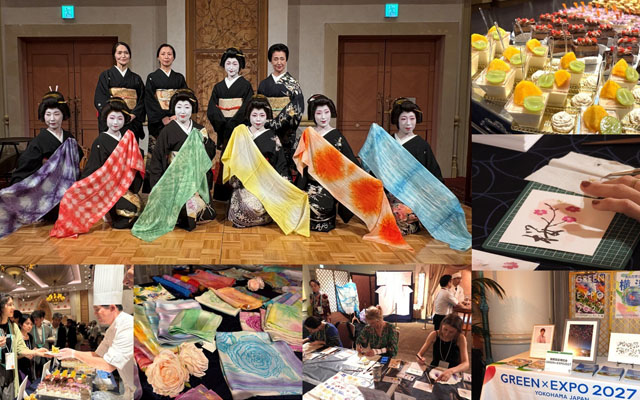
The Yokohama Renaissance Project Council recently debuted the Yokohama Silk Renaissance, an initiative designed for corporate hospitality and VIP incentives. Developed alongside luxury hotels and local artisans, the programme integrates Yokohama’s historic raw silk trade into premium event offerings, including silk-inspired gastronomy, craft workshops, and traditional geisha performances.
High-end transport operators are simultaneously rolling out luxury transit programmes. Tokyu Corporation and JR Central have introduced a multi-day itinerary for The Royal Express cruise train running from Tokyo to Lake Biwa. The premium three-day, four-night journey features guided historical tours, private lake cruises, regional fine dining, and onboard cultural performances.
Meanwhile, Japan’s largest travel agency, JTB, has partnered with Moto Tours Japan to launch high-end motorcycle itineraries utilising Ducati models. Targeting luxury markets in Europe, the US, and Australia, the partnership aims to drive high-spending international travelers into regional Japan through premium, niche sports tourism.