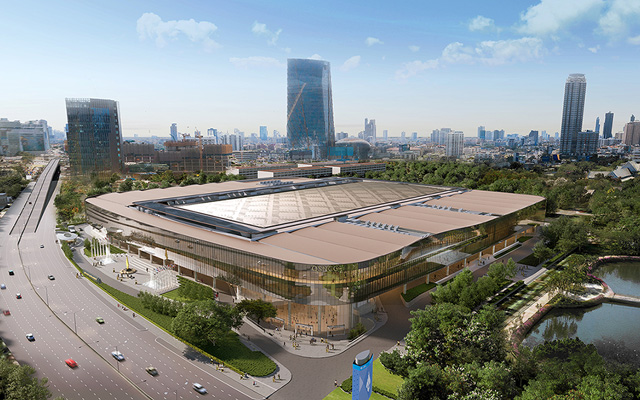
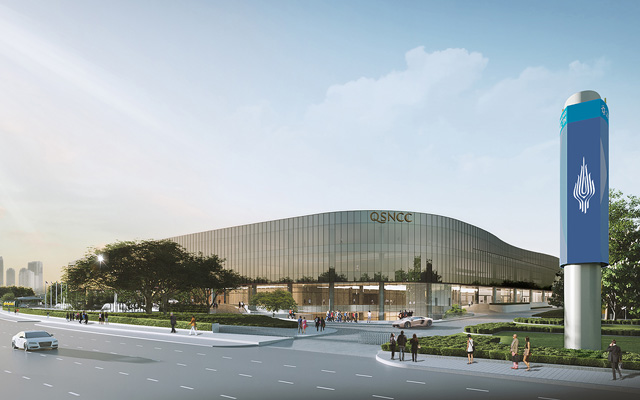
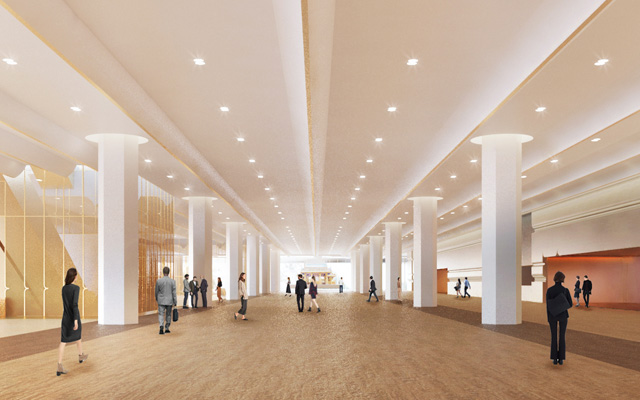
The Queen Sirikit National Convention Center (QSNCC) is slated to reopen in September 2022 after a major revamp, sporting a space that is five times larger than when it closed in 2019.
QSNCC now sports a space that is five times larger than when it closed in 2019, and its daily capacity has been increased to over 100,000 visitors.
Queen Sirikit National Convention Center
1 of 4
There will be a total event space of 78,500m2, comprising two main exhibition halls with over 45,000m2, two large conference halls with nearly 10,000m2, 50 flexible meeting rooms, and an additional retail zone. All function spaces will be fully-equipped with the latest technology.
QSNCC is also accessible via the Metropolitan Rapid Transit (MRT) and will have 2,700 indoor parking spaces.
Panote Sirivadhanabhakdi, director of TCC Assets (Thailand), said in a statement: “We believe that Thailand’s strategic location will benefit our stakeholders – organisers, exhibitors, customers, visitors, etc. – with a highly competitive ecosystem of the supply chain for endless business opportunities, great accessibilities, a good variety of destinations and hospitality services.
“We are confident that these strengths will enable the QSNCC to capture the interests of leading international MICE and event businesses, promoters as well as operators, and to be known as Thailand’s ultimate inspiring world-class event platform for all.”
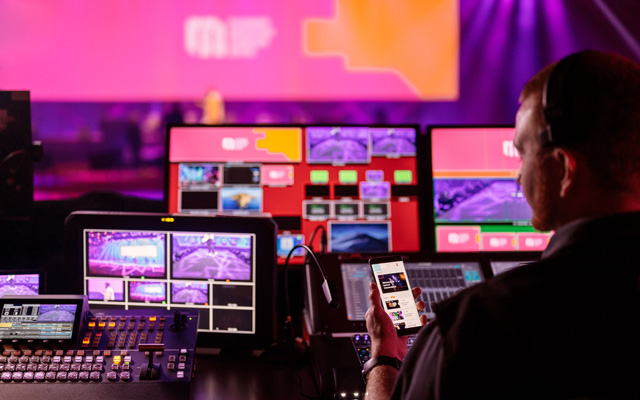
The Melbourne Convention and Exhibition Centre (MCEC) has unveiled a digital events platform that will allow customers to deliver virtual and hybrid events live, online and on-demand.
The new platform includes multi-speaker presentations, keynotes, workshops, virtual breakout spaces, Q&As and networking. The lifespan of the event is also extended, with recordings available post-event.
The work that goes on behind the scenes
MCEC indicates the platform “goes above and beyond anything else available on the market”, with each event assigned a dedicated digital event manager, a team of inhouse techsperts, flexible staging options and ultra-fast secure internet infrastructure to create a unified experience between in-person and online audiences.
Chief executive MCEC Peter King said in a statement: “It has never been more crucial than right now, in the ever-evolving event landscape, to be able to connect and maintain global relationships and we are proud to be able to offer this in a single, combined platform.
“It is no longer realistic for an event to be solely in-person or online and we saw a need for this combined approach without compromising the quality of the delivery, so no matter where people are, they can have the same level of participation in the event.”
From September 1, 2021, Singapore Airlines (SIA) will integrate its corporate travel programmes under the HighFlyer brand.
Currently, the SIA Corporate Travel Programme is aimed at large corporates, while HighFlyer focuses on SMEs. With the integration, new features will be introduced while all benefits currently available in both programmes will be retained in the new HighFlyer.
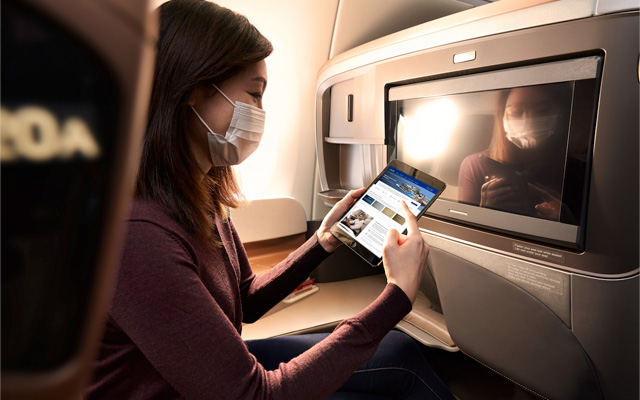
A female passenger in business class
Participating companies will be able to enjoy preferential corporate fares, and earn HighFlyer points, for all eligible travel on both Singapore Airlines and Scoot, the two passenger airlines within the SIA Group.
New features include more eligible booking classes for HighFlyer points accrual on non-corporate discounted flights, as well as rewards for reaching specific milestones in customer spend. SIA will also expand the rewards catalogue for HighFlyer members, introducing more options for members to redeem with HighFlyer points.
Customers will also be given access to a one-stop corporate portal for booking flights, redeeming rewards, and managing their travel. Eligible customers will be able to enjoy priority services on their travel, including priority reservation waitlist and airport standby.
SIA is also planning to introduce new HighFlyer earn and burn options with non-air partners such as hotels and car rental services, which are relevant to business travel needs and support customers beyond the flight journey.
This will give customers more opportunities to earn and use their HighFlyer points. HighFlyer, together with SIA Group’s loyalty programme KrisFlyer, provides rewards to companies, as well as their employees, who travel on SIA and Scoot. For each eligible flight, business travellers with a KrisFlyer membership can earn miles for themselves on top of the HighFlyer points earned by their company.
Companies can also reward their employees by converting HighFlyer points into KrisFlyer miles. To support this, SIA has boosted the conversion rate to one HighFlyer point for one KrisFlyer mile, up from two HighFlyer points for one KrisFlyer mile.
HighFlyer will be available in all countries and have four tiers – HighFlyer, HighFlyer Silver, HighFlyer Gold and HighFlyer Platinum. The basic HighFlyer entry tier will be free to enrol, while the Silver, Gold and Platinum tiers will have an annual minimum spend requirements.
Current SIA Corporate Travel Programme accounts will have their contracts renewed under the new HighFlyer programme, and current HighFlyer accounts will automatically be eligible for the new benefits at the launch.
understanding and mitigating the risks that come with opening up remain critical
Last month, Singapore’s authorities announced a change in the national strategy to managing the Covid-19 pandemic: the Covid-19 virus is showing strong signs of becoming endemic, and we must learn to live with it.
In a state of endemicity, Covid-19 is expected to become much like the common flu – a virus that is ever-present, but with a very low case fatality rate. However, this largely depends on a strong vaccination uptake, which would help to slow down the spread of the disease and lower mortality rates.
Understanding and mitigating the risks that come with opening up remain critical for businesses
As new variants emerge, an “Endemic Model” approach would allow the economy, business activities, and borders to open up even as Covid-19 persists.
The shift towards an “Endemic Model” approach would require three parties to work together – the government, which sets the strategy and regulation; businesses, which provide workplace policy; and the community, which is dependent on individual behaviour.
As businesses transition from pandemic to endemic, a paradigm shift in how workforce health and safety is viewed and managed is critical – and preparation is paramount in building a resilient and empowered workforce.
Transitioning from reactive to proactive
For the better part of this pandemic, businesses have adopted a reactive approach to managing workplace health and safety – which involved constant adapting to changing government guidelines and regulations.
Moving towards an endemic Covid-19 scenario will require proactive strategies to safeguard the entire workforce – be it on-site workers, remote staff or the travelling workforce. This means early planning of processes and policies for various scenarios.
In the months to come, a potential workplace occurrence is that of workers informing their employers of their possible exposure to Covid-19, and being admitted to community care facilities, or staying at home with a Medical Leave for 10 to 14 days.
Employers will need to be flexible with more frequent requests to self-isolate at home, while making provisions to ensure their operations remain business-as-usual. The authorities may also gradually allow more employees to return to on-site work depending on the percentage of the workforce vaccinated.
Close contacts who are vaccinated may not need to self-isolate, but can instead self-monitor with their own Antigen Rapid Test (ART) kits at home.
Safeguarding the travelling workforce
For some organisations, corporate travel retains an indispensable role in business continuity. As countries’ vaccination rates and Covid-19 risk levels differ, organisations should align travel policies with prevailing rules and regulations in destination locations, such as testing and quarantine requirements.
The policies would need to create safe “bubbles” for business travellers throughout their trip. Creating “bubbles”, keeping their travelling employees well-informed of the measures, and providing 24/7 support and assistance will help them to navigate the uncertainties abroad with a greater peace of mind.
It is important to bear in mind that differences in travel requirements between vaccinated and non-vaccinated travellers may arise; where the vaccinated may have shorter quarantine periods than the non-vaccinated. Airlines may also push for policies that favour or encourage travellers to get vaccinated before flying.
A roadmap anchored on education and support
The business roadmap for reopening needs to be crafted with flexibility and empathy – with business and HR leaders responsible for providing communication, reassurance and guidance to employees on the changes in workplace processes and policies.
Internal awareness sessions that leverage verified information from experts are important in helping employees understand that an endemic Covid-19 is not a bad situation, nor is it a step backwards from the past 18 months of efforts to eradicate the virus. Instead, employees need to understand that Covid-19 has to be handled collectively to keep the workplace safe for all.
Lastly, as businesses make this transition, they should be mindful of the impact on their employees’ mental well-being as people adjust differently to the endemic norm. Channels for care should be available; this can involve Employee Assistance programmes which include telehealth programmes and access to mental health professionals or wellness providers. Businesses can also develop mental resilience training programmes for managers and peers to know how to support one another.
Doing our part to live safely with Covid-19
Ultimately, living with an endemic Covid-19 depends on our collective behaviour and actions. Doing our part to practise good personal hygiene and self-isolate when necessary will go a long way in reducing transmission, preventing outbreaks, and minimising business disruptions.
At the same time, when leaders demonstrate care and empathy for the workforce, especially during this transition, it becomes a pivotal opportunity to instil stronger team camaraderie and confidence in the organisation’s response to Covid-19 moving forward.
David Teo is the regional medical director, Asia, at International SOS.
In this role, he oversees International SOS’ 24/7 Assistance Centres across Asia, as well as conducts medical training, medical audits, and evaluation of on-site medical capabilities.
An occupational health specialist registered with Singapore Ministry of Health, Teo possesses experience in medical incident management and develops medical response plans for many organisations ranging from corporates to scholastic institutions.
Prior to joining International SOS, he was working in the Singapore Armed Forces as a military doctor focusing on Disaster and Mass Casualties, and HAZMAT response.
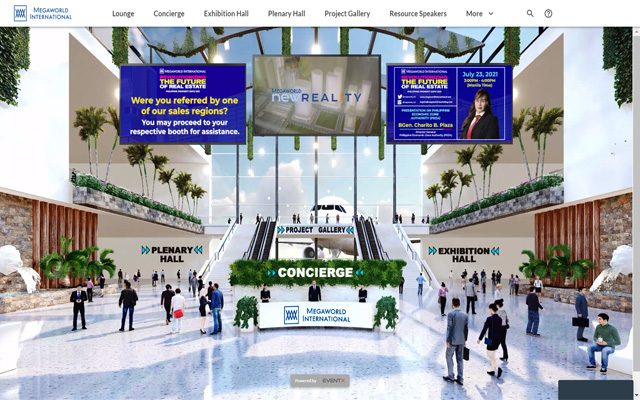
The virtual lobby helped visitors navigate to the Exhibition Hall, Plenary Hall and Project Gallery areas
The virtual lobby helped visitors navigate to the Exhibition Hall, Plenary Hall and Project Gallery areas
Event brief
To showcase Megaworld Corporation’s property investment opportunities in the Philippines during this pandemic, Megaworld International organised the Revolutionizing the Future of Real Estate Philippine Property Expo 2021 as a virtual event.
It catered to both local and foreign investors, and organisers wanted the event to mimic a face-to-face event, and feature components such as Exhibition Hall, Plenary Hall, and Project Gallery.
Global-Link MP, a subsidiary of Pico Group, was tasked to develop a virtual platform optimised for the event’s needs, as well as provide other services like virtual exhibition management, lobby and booth design, and registration.
Event highlights
Participants entered the platform via a virtual lounge whose look mimicked that of a physical venue. From there, they could navigate to the Exhibition Hall, Plenary Hall, and Project Gallery areas.
The Exhibition Hall featured realistic exhibitor booths that were arranged according to geographic clusters to cater to the different needs of potential customers from Asia Pacific, Europe, the Middle East, and North America. Each booth sported an intuitive user interface designed to foster sales opportunities, while the availability of text and voice communication, as well as video calls, ensured a high level of engagement.
Meanwhile, users could attend live talks, forums and seminars at the platform’s Plenary Hall. A concierge was also available to provide organiser information and 360-degree virtual tours of properties managed by Megaworld Corporation.
Challenges
With audiences growing increasingly jaded by the sameness of online events, keeping them interested and engaged was a challenge for the team – a challenge made even greater by the sheer volume of content the platform offered.
The team, therefore, ensured content and features were carefully designed to provide visitors with clarity of function and ease of accessibility. Other features the platform supported were virtual tours, live event simulcast, and video-on-demand.
Livestreaming of the expo’s sessions and seminars would continue for one month, and the platform would also enable users to attend sales roadshows and interact with exhibitors via chat and video call. An additional two days of on-demand streaming enabled the expo to further expand its audience reach.
Event Megaworld International: Revolutionizing the Future of Real Estate Philippine Property Expo 2021 Organiser Megaworld International Date July 19 to August 19, 2021 Attendance 2,050 potential property buyers and industry representatives from 30 countries attended
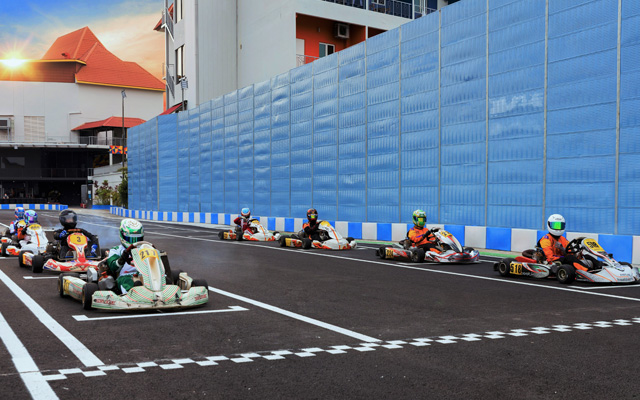
The Karting Arena has opened its second track in Jurong after a full revamp of its 14,200m2 karting facility.
Here, karters will be able to race on a 700-metre-long track with 11 technical turns. There will be ample overtaking opportunities and more room on track, so that 30 go-karts can be racing at any one time, making it suitable for corporate events.
Race against your colleagues
Besides the new track design, a new fleet of renowned BirelArt petroleum-powered go-karts has been made available. Karters can choose their racing experience with speeds of up to 30kmh or 50kmh with a valid drivers’ license.
Corporate events – rates start from S$1,680 (US$1,235) – can be hosted comfortably indoors thanks to an elevated viewing gallery that is good for up to 170 pax. Corporate groups can choose if they would like free and easy karting sessions or compete in a Grand Prix format.
Other event spaces include two air-conditioned lounges, a racer’s lounge on the ground floor for 47 pax and VIP lounge on the second floor for 12 pax in a more intimate setting.
Other amenities include private garage units, a helmet disinfecting station, a race control room, and lockers. The karting arena is also located next to d’Arena, which offers other recreational and sports facilities and several food choices.
Radisson Blu Resort Maldives has appointed Gavin Sanders as General Manager, who brings more than 30 years of extensive experience in all areas of hotel management, operations and sales.
Prior to this move to the Maldives, Sanders was general manager of Radisson Golf and Convention Centre Batam commencing July 2017, his first international assignment.
Sanders embarked on his hospitality journey in 1987 at Radisson Edwardian Vanderbilt Hotel in London. He built his career at Radisson Edwardian Hotel Heathrow from 1989 to 2012, holding various positions until he became general manager. He was then assigned to Radisson Blu Edwardian hotels in New Providence Wharf, Bloomsbury, and Kenilworth.
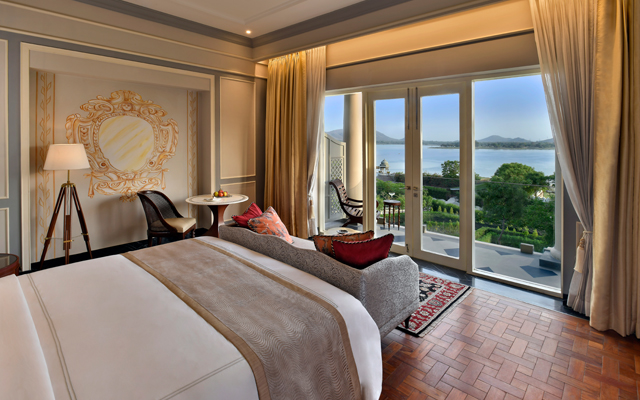
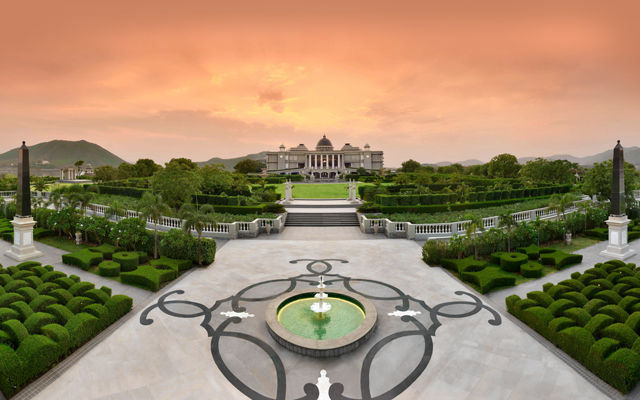
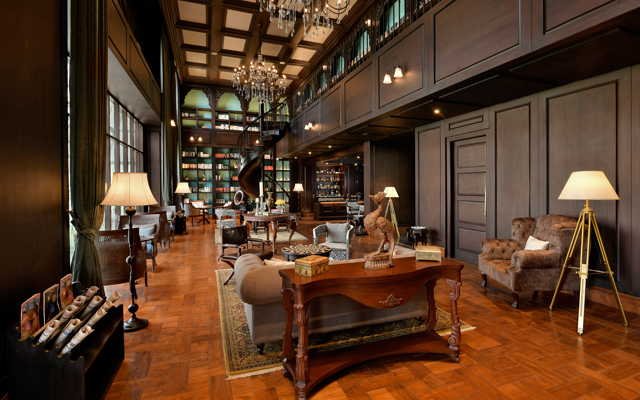
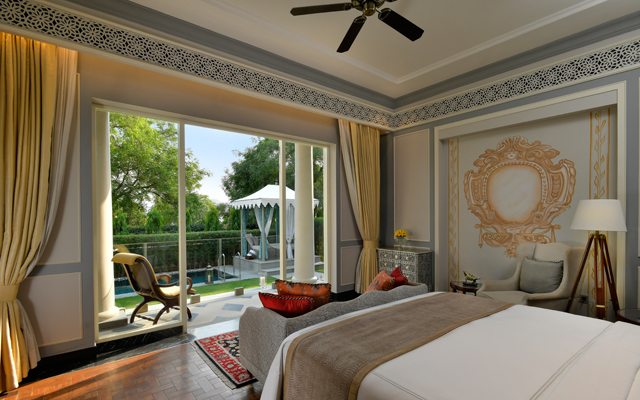
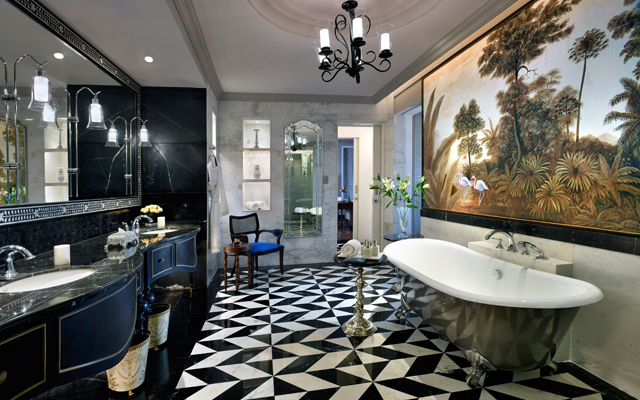
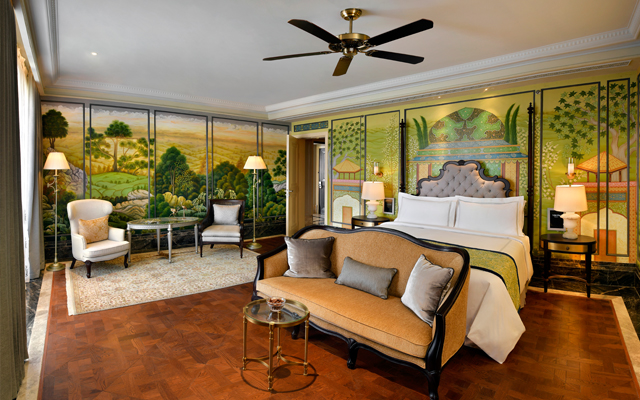
Raffles Udaipur has opened in the Indian city of Udaipur, on a 8.5ha private island in the middle of Udai Sagar lake.
The hotel offers 101 rooms, suites and signature suites, which interweave western cultural references with Rajasthan’s royal heritage and elements of Mughal architecture.
Raffles Udaipur
1 of 6
Exterior
Flamingo Signature Room
Flamingo Signature Room with Pool
Flamingo Signature Room Bathroom
Presidential Suite
Planners may avail the 836m2 Grand Ballroom including its pre-function area, multiple outdoor gathering areas, or the on-site 400-year-old temple to organise memorable events.
F&B options include The Writer’s Bar, Indian speciality restaurant Sawai Kitchen; The Raffles Patisserie with freshly-baked breads and classic French desserts; as well as Harvest, a farm-to-table dining experience with produce foraged from the estate farm, spotlighting the region’s food traditions.
Meanwhile, the iconic Long Bar, a hallmark of the Raffles brand designed with European wood and leather, with engravings by local artisans, offers fine Indian spirits, single malts, local brews from across Rajasthan and the signature Udaipur Sling – the Singapore classic remade with fresh produce from the island and homemade syrups.
Recreational amenities include the Raffles Spa, a fitness centre, and a swimming pool, while activities that can be arranged for guests include guided farm tours, astronomy, yoga and meditation. Culinary enthusiasts can also enjoy a co-cooking experience at Rasoi, the cookery school.
The Malaysia Convention & Exhibition Bureau and the Kuala Lumpur Convention Centre will be co-organising a three-day virtual IAPCO (International Association of Professional Congress Organisers) Edge Seminar from August 25-27, 2021.
The programme will be a mix of lectures and practical workshops, and feature international business events industry leaders who will share real-life experiences and case studies. A wide range of topics will be discussed, such as current trends and state of the industry, conference marketing in a changing world, successful project management, finance and budgeting and much more.
The seminar is another great opportunity for Malaysia’s industry professionals to enrich their knowledge and skillset
It is directed at helping Malaysia’s meetings and events professionals to advance their knowledge and develop more skills to help bring more international events to Malaysia.
Martin Boyle, CEO of IAPCO shared: “(This seminar) is a truly unique collaborative initiative applying a multi-level approach to understanding the needs in the marketplace and designing a long-term programme that builds upon existing knowledge and skillsets while developing enhanced learning and new skills all of which will provide Malaysia with a competitive advantage moving forward.”
The IAPCO EDGE Seminar is the latest initiative in the tri-partite collaboration between MyCEB, the Centre and IAPCO. This follows the IAPCO Continued Professional Development programme, as part of Malaysia Business Events Week in August 2020 and the launch of the unique online education platform, IAPCO WebEDGE in May 2020.
If hotels are rolling over their corporate rates in 2022 during the current RFP season, what are corporate travel managers to do when supplier’s website rates are lower, and whether next year’s hotel programme is based on dynamic or static rates, were some of the questions raised recently at an online hotel forum.
Asian corporate travel managers TTGmice spoke to said there was no one-size-fits-all answer, as the hotel programme strategy has to be based on “corporate need” as companies, industries and countries emerge from the Covid-19 pandemic.
Hotel RFPs will be built differently based on clients’ needs as everyone emerges from the pandemic
Philippa Johns, director of enterprise solutions, Australasia and South-east Asia, HRS, advised “not to lock in fixed rates” which had seen “drops of between 30 and 35 per cent” when she spoke at a recent CTC Masterclass on evolving corporate travel policy.
Looking at the whole hotel programme, Johns said to negotiate for “dynamic rates” and “not LRA” (last room availability).
However, HRS still negotiated “fixed rates” for non-traditional programmes like long-stays, green stays, Covid-19 stays on behalf of corporate clients, Johns added.
Benson Tang, executive director – corporate travel, Informa Markets (IM), said the organiser of global exhibitions was “putting on hold its hotel RFP and will roll over rates for another year”.
As the company’s TMC Egencia is part of Expedia, Tang shared that IM travellers could access its corporate rates, as well as Expedia’s international offers.
Tang noted: “The level of international travel expenditure is still low and our hotel partners, who are very flexible, have agreed that all bookings will be calculated as part of the agreed target.
He noted transient, as well as exhibition attendee targets, are also taken into account during hotel negotiations.
Meanwhile the regional CTM of a new MNC “spin-off”, responsible for 13 countries in Asia, said he was counting on his global team’s support as he had no track record to bring to the negotiating table.
“I’m hopeful. But I’m also bracing for the worse in my negotiations for dynamic and static rates, and to be able to enjoy the lower of the two by convincing our suppliers to play the long game with us,” he commented.
Just 10 minutes from Phuket International Airport on the serene northern coast, this 178-key, Bill Bensley-designed resort offers delegates a quiet, tropical paradise steeped in Phuket’s tin-mining heritage
The newly-opened Ritz-Carlton, Bangkok anchors the One Bangkok development with cosmopolitan elegance. Featuring the city's largest ballroom and a spectacular new penthouse suite, it delivers exceptional hardware and deeply authentic, soulful service for business and leisure travellers alike
Behind the imposing, Brutalist concrete that defines Zurich’s Oerlikon district lies a surprising secret. While its exterior honours the neighbourhood’s industrial roots, stepping inside Mama Shelter reveals a vibrant, neon-soaked world that is a far cry from its rigid shell





 David Teo is the regional medical director, Asia, at International SOS.