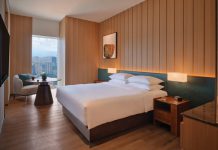
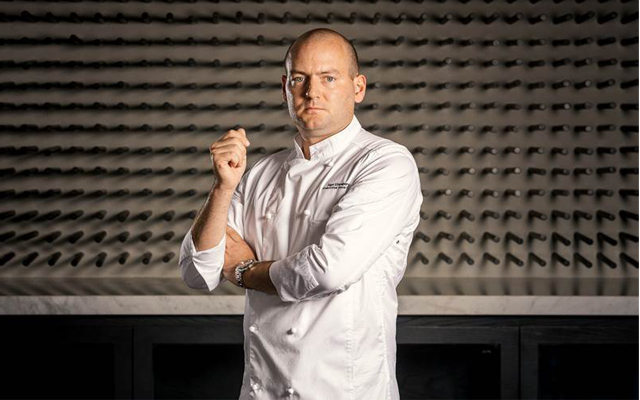
Ingo Stöneberg has joined Alma resort in Vietnam as executive chef, where he will oversee the resort’s 14 dining venues and event needs.
Before joining Alma, the German was the executive sous chef at Emirates Flight Catering in Dubai for four years. At the time, Emirates Flight Catering had a clientele of 120 airlines and airline-hospitality lounges at Dubai International Airport, cooking up some 225,000 meals daily.
Before that, Stöneberg was chef de cuisine at the Hilton Hotel in Abu Dhabi for more than two years, where there were 12 F&B outlets and conferences catering for up to 2,000 people.
Other five-star properties he has worked for include Kempinski Hotel Mall of the Emirates in Dubai, and was part of the pre-opening teams for Jumeirah at Etihad Towers and for Starwood Hotels and Resorts at The Romanos, A Luxury Collection Resort, and The Westin Resort in Costa Navarino, Messinia, Greece.
Travelport recently published it Global Digital Travellers Research. What are some of the interesting findings?
We surveyed 23,000 leisure and business travellers from 20 countries, and found that more millennial business travellers in Asia-Pacific use a mobile device when researching (68%) and booking (67%) a trip than in any other region worldwide. Use is second highest in North America (64% and 55%, respectively) and lowest in Europe (54% and 45%, respectively). One-third (36%) of millennial business travellers here even claim they use mobile devices to both book and pay for ‘every trip’.
The study also revealed, however, that millennial business travellers here have a growing list of pain points with current digital offerings. Around half are frustrated by companies not giving them access to their booking information on all of their mobile devices (53%), not using data to remember their preferences (45%) and not giving them the option of booking everything in one place (48%).
These findings indicate that corporate travel in this region is on the verge of leaving the digital age and entering a ‘post-digital era’ as defined by Accenture. In this post-digital world, digital is simply the price of admission for doing business – it is no longer a differentiation advantage.
Why do you think Asia-Pacific is ahead of North America and Europe in digital usage?
According to McKinsey, China and India account for one-third of the world’s Internet users. The region’s enormous pool of digital consumers supports a flourishing and innovative technology sector.
The superb digital experiences that Asia-Pacific consumers receive elsewhere – particularly from online and offline retailers – mean they expect to receive the same level of digital convenience and an enjoyable experience from travel providers.
It is the strong demand for change that sets Asia-Pacific travellers apart from their peers. Demand in this region is now among the highest worldwide for three types of digital offerings: memorable and engaging digital experiences, technology that makes travel easier to manage, as well as technology that improves personalisation.
For the foreseeable future, we believe the success of companies in the travel industry, as well as the technology companies supporting them, will largely be defined by their ability to effectively act like sophisticated modern retailers.
What can companies do to make business travel more seamless for millennial corporate travellers?
BCD Travel, one of the world’s biggest TMCs, has set a benchmark on providing a seamless travel experience. They defined their digital strategy as providing anytime access to trip information and tools from any connected device – from phones, tablets, PCs to Macs – through their engagement platform TripSource.
During travel disruptions, travellers can be reached by TripSource in close to real time with location-based risk alerts and emergency response check-ins. They can also instantly connect with their travel programme through a connection to DecisionSource, BCD Travel’s proprietary data intelligence and insight platform.
How is Travelport helping to manage the pain points of current digital offerings?
Travelport has been helping agencies apply various emerging technologies to optimise different touchpoints throughout a traveller’s journey. A buzzword in the airline industry today, NDC (New Distribution Capability) is also a technology that can provide flexibility to shoppers.
Travelport is a strong advocate for new ways of unbundling services, selling fares and ancillaries through menu style pricing and tailoring, through Travelport’s Rich Content and Branding solution. This provides new opportunities for agencies to build more direct relationships with their customers.
What does the post-digital era look like to you, and how is Travelport planning to capture this market?
Travellers are increasingly prioritising value over cost, demanding more autonomy over personalisation and using digital solutions to research and manage their trips. These are among the key findings of our Global Digital Traveller Research, which also depict our view of the post-digital world.
In this new era, we are helping travel sellers use digital channels to deliver value in more modern and sophisticated ways. For instance, by analysing consumer data signals from the GDS platform, we are in a unique position to inform and improve the traveller buying journey. From shaping how and when to market and detailing the most relevant content, we can advise on what to do next to increase agencies’ conversions, loyalty and retention and maximise the value of every trip.
UFI members were urged to build on the global exhibition association’s newly-released global framework for hosting exhibitions and trade fairs post-Covid-19, and present their adapted framework to the authorities to lobby for a license from their governments to resume such events.
Drawn up by a task force comprising UFI members, the framework “gives policymakers the criteria they need to confidently support the reopening of exhibitions by adopting these guidelines”, said the association in a press statement.
UFI urges associations to persuade governments to prioritise exhibitions as they are critical to national and global economic recovery
Recommended health and safety measures across all stages of event management were presented across five categories. These comprise ensuring personnel and personal safety, enabling physical distancing, increasing health and safety measures, implementing crowd control, and encouraging adherence to measures.
Suggestions across the various categories include allowing a longer time frame for tear-down, and using technology such as mobile app heatmaps and specially-designed wristbands to track attendees.
In the framework, UFI pointed out the importance of exhibitions in providing small- and medium-sized enterprises with an effective sales channel, which they said would help in economic revival post-Covid-19.
The association also called for exhibitions and trade fairs to be considered separately from mass gatherings so they do not face the same restrictions, as the density of people at business events can be better controlled.
UFI shared that it intends to add to the document by providing examples of best practices worldwide.
To help tourism businesses tide through the downtime amid the Covid-19 pandemic, the Singapore Tourism Board (STB) has developed a new framework featuring new platforms for easier digitisation and potentially faster recovery.
Under the three-step framework coined Learn Test Build, companies can learn to identify gaps and opportunities in their business models through the STB Tech College, as well as a new self-diagnostic tool, the Tourism Transformation Index (TXI).
Quek: the Learn Test Build framework helps companies to identify gaps and opportunities in their business models
TXI provides a holistic gauge of a company’s current state of digital transformation across six areas: leadership and organisation, process and operations, customer, innovation, technology, and data. Businesses can then identify the next steps that they should take to advance their state of transformation. TXI is being launched this quarter.
“TXI is like a company’s annual health check-up in this age of disruption. On STB’s end, this is an important first step that will allow us to identify areas of intervention for our stakeholders,” explained Quek Choon Yang, chief technology officer, STB.
Under the “Test” stage, STB will launch ThreeHouse, a new physical space at its headquarters where companies can collaborate, workshop and prototype new ideas and solutions. If successful, these ideas will be picked by STB to be scaled to a bigger platform. ThreeHouse will be launched in 4Q2020, and co-located with the Singapore Tourism Accelerator, another programme under the “Test” section of the framework.
Finally, the “Build” stage encourages businesses to formulate viable and lasting solutions. Besides information provided on open-sharing platform, the Tourism Information and Services Hub, STB has also opened its tourism data pool, the Singapore Tourism Analytics Network (STAN), to the tourism industry.
Businesses can now access 10 years’ worth of Singapore’s visitor arrival data broken down by market, region, visitor profile and mode of arrival. They will be able to gain consumer insights, create visualisations, analyse datasets and collaborate with other players on data analytics projects.
This platform is essential for businesses to “identify where the pockets of opportunities are once the tourism industry shows signs of recovery”, said Quek, elaborating that “certain sectors and certain source markets will recover quicker than others”.
He continued: “Post-Covid, we expect consumer behaviour and the norms for travel to change for good. Consumers are likely to come out of the pandemic with a heightened sense of hygiene, both personal and environmental.
“Hence, it is important for tourism businesses to build trust with consumers, provide safety for visitors and be able to influence consumer choices. To survive and even thrive in this new normal, businesses need to be armed with the right data, insights and ability to test and scale new products fast.”
STB will soon conduct an industry-wide capability upskilling programme and engage stakeholders, including hotels, attractions, business event companies and travel agencies, on how to adopt STAN and data analytics in their businesses.
Future updates for STAN include enhanced capabilities such as advanced data visualisation and analytics, as well as sandboxes for users to collaborate and co-create data models.
Business events in Australia could take place as early as July according to a three-step recovery plan announced by prime minister, Scott Morrison, last week.
The COVIDSafe Australia plan outlines steps to gradually remove baseline restrictions and reopen the economy. Phase one, in effect this week, will see some businesses and schools reopened, with gatherings of up to 10 people allowed, along with some local and regional travel.
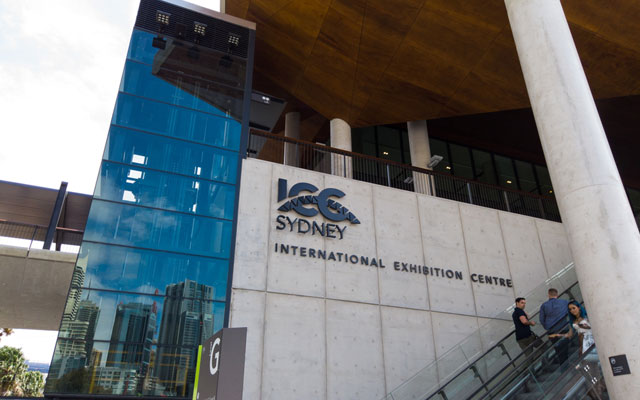
Australia government has distinguished business events from mass gatherings; ICC Sydney pictured
Phase two will see entertainment venues like galleries and cinemas reopen in June and gatherings of up to 20 people allowed. Phase three, described as the ‘new normal’, will come into effect in July and will allow gatherings of up to 100 people. International travel and mass gatherings over 100 people will remain restricted.
Chair of the Business Events Council of Australia (BECA), Vanessa Findlay, praised the announcement, saying the plan will allow industry operators to reactivate sales leads.
“This is a great kickstart to the industry and with gatherings of up to 100 people, many venues will be able to reopen,” she said.
Last month, BECA reported that more than AU$35.7 billion will be lost over the next 12 months, as nearly all business events scheduled for 2020 (96 per cent) have been cancelled or postponed.
BECA has also successfully lobbied the Federal Government to make a distinction between mass gatherings and B2B events such as conferences and exhibitions.
Speaking to TTGmice, Findlay said the body is working to establish new incentive schemes and operational procedures to ensure business events can swiftly and safely return.
“We’ve been working with the government from the very beginning and are now finalising guidelines for hygiene and safety that we hope will provide the confidence, incentive and motivation to rebook and hold events as soon as restrictions are lifted,” she said.
“We’re also working with individual State and Territory jurisdictions to ensure clarity and consistency across the country so that delegates can travel interstate to attend business events.”
BECA’s Covid-19 Business Events Response & Recovery Framework, developed in consultation with the Exhibition & Event Association of Australasia (EEAA) and the Venue Management Association (VMA), will be released in coming weeks, in line with government funding provisions.
“We will continue to work with decision-makers to ensure they understand the mechanisms we have in place to establish Covid-safe environments at business events – which are controlled gatherings, not mass gatherings,” Findlay said.
“If the infection rate continues to fall, we are quietly confident that we will see events return in 2020,” she added.
Similar appeals to distinguish business events from ‘mass gatherings’ have been made by industry associations in New Zealand and Malaysia. In China, the State Council has already issued guidelines to clear the way to restart conferences and exhibitions.
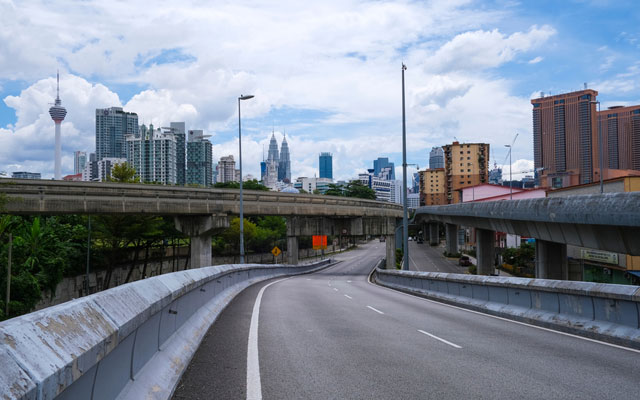
Roads leading into and out of the Malaysian capital devoid of traffic
The Business Events Council Malaysia (BECM) is appealing to the Malaysian government to make a clear distinction between business events and mass gatherings so that the sector can establish a restart date for the sector.
This is as Malaysia has just extended its conditional movement control order (CMCO) for another four weeks until June 9. Currently, under CMCO, conferences and exhibitions are prohibited from taking place.
Roads leading into and out of the Malaysian capital devoid of traffic
Chairman of BECM, Alan Pryor, said in a press release that it was important that the government understood that the business events industry can operate safely under comprehensive Standard Operating Procedures (SOPs).
Malaysia’s business events venues and facilities can offer controlled environments combined with high-quality operational standards to ensure the health and safety of people, which has always been and will continue to be, a primary concern of the business events industry.
The comprehensive SOPs – which have been developed by relevant industry sectors with the support of industry associations – incorporate the use of personal protective equipment (PPE), food safety measures, air quality control, surface cleaning, and physical and social distancing. Based on the SOPs, Malaysian business event venues will also be required to implement a variety of other measures including temperature checks, thermal cameras, hand sanitisers, reduced touchpoints, contactless transactions and daily monitoring systems.
According to Pryor: “The specifics will be further customised for each venue and event, but the primary objective is first and foremost the health and safety of all involved in the planning and execution of events on-site.
“As an industry we are able to run extremely well-organised events tracing every one of our attendees, speakers and exhibitors as well as monitoring, tracking and putting in place a range of measures that can ensure these events comply with government guidelines on hygiene and physical distancing. This level of capability clearly distinguishes the business events industry from mass gatherings where controls and personal space are often limited.”
According to recent reports, Germany’s government has agreed that exhibitions, trade fairs and congresses, are now on the list of activities that are listed as possible and can potentially resume under strict health and safety controlled conditions, rather than being classed as mass gatherings, which currently remain prohibited in the country until the end of August.
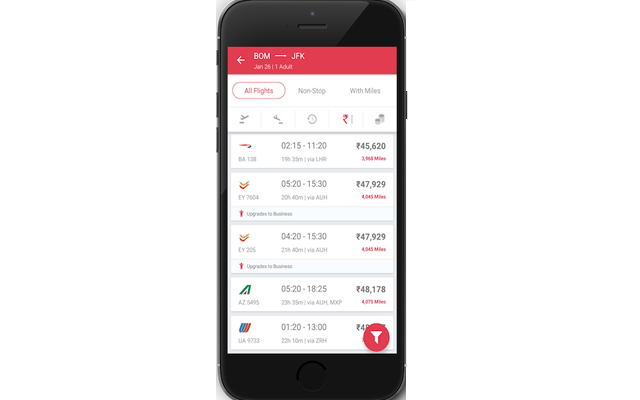
Corporate travel systems reseller Element Travel Technology has partnered with travel technology company Zenmer to take the latter’s latest advanced booking tool to TMCs and corporates across the globe.
Headquartered in India, Zenmer builds booking solutions for TMCs that connect with all GDSs, NDC, direct airline connects and hotel consolidators and aggregators.
This latest product has been developed for corporate travellers that want a leisure experience when using an enterprise corporate booking tool (CBT).
Currently, Zenmer supports business travel for more than 200 corporates, mainly in India. Its platform allows TMCs to self-manage the commercials, suppliers, back-office, and management information while corporates are able to configure the travel policies, approvals, and reporting.
Element will be consulting, advising and providing support for the tool for new and existing TMC clients across the world, especially small- and medium-sized TMCs.
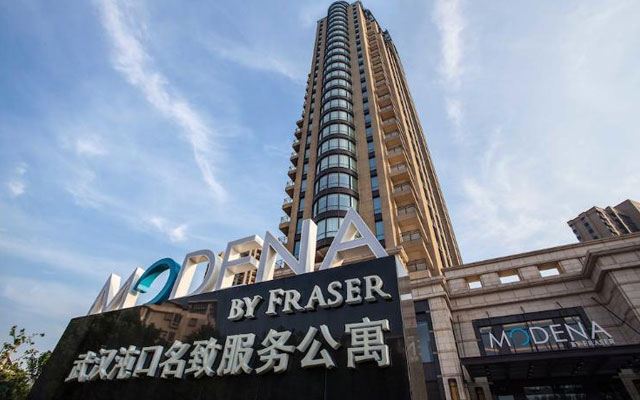
As China and the world looks towards recovery, a long-term change in consumers’ expectations of hospitality service is being anticipated, particularly in the long-stay segment.
Tonya Khong, Frasers Hospitality’s senior vice president, head of regional operations, shared: “We believe guest expectations of what they want from serviced apartments and correspondingly, their service standards, will also be raised.
“Being flexible will also be a gamechanger for the industry, as the pandemic has compelled all players to revisit the way they structure their cancellation and postponement policies. Moving forward, consumers and guests will expect brands to commit to a certain level of flexibility.”
Frasers Hospitality has adopted a global policy allowing unconditional cancellation and postponement of all reservations, as well as reduced its Fraser World’s membership criteria. The group will soon launch a global campaign “to give back to the community”, revealed Khong.
“We are starting to see some light at the end of the tunnel, especially in places like Australia, China, South Korea and some parts of Europe. We are preparing ourselves for the upturn and recovery phase and look forward to welcoming all guests with open arms again,” she said.
Chew Hang Song, country general manager China, Frasers Hospitality, shared how Frasers properties in the country is supoorting its residents and staff to help them tide through the pandemic.
“Our staff go the extra mile to support guest needs around the clock. For example, some families with children needed help with buying groceries to cook in the apartment, so our staff offered to make the trip so that parents could look after their children.”
There is also a calendar of activities, such as cooking challenges and fitness exercise videos online, as well as celebrates special events like Easter for younger guests to have fun indoors.
Chew added that the company has “started to see some green shoots of recovery that is slowly picking up in the domestic business travel market”, and has been in close contact with its corporate customers throughout the outbreak.
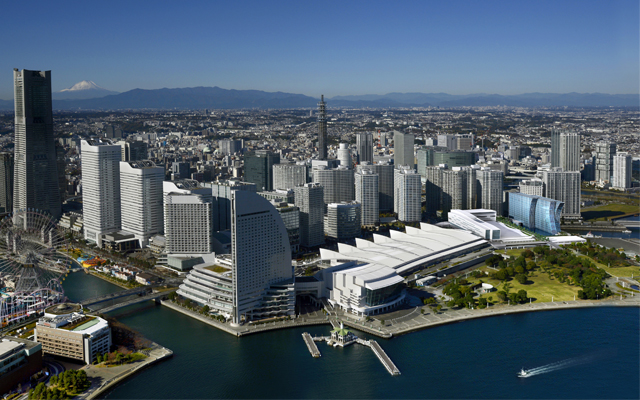
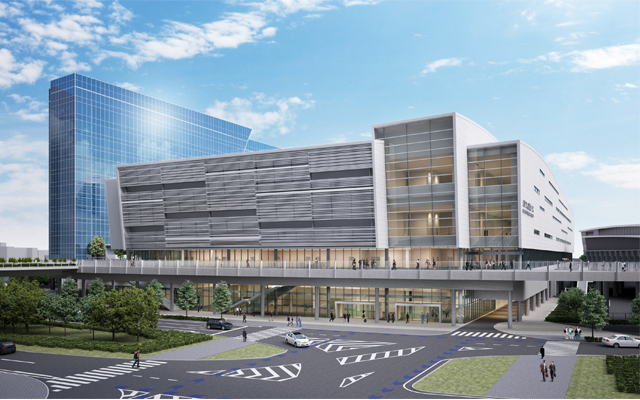
Pacifico Yokohama North, the latest addition to the Pacifico Yokohama convention complex in the port city of Yokohama, Japan, opened at the end of last month.
The highlight of the new wing is its 6,337m2 multipurpose hall. Organisers looking to host large-scale events would be pleased to know that the hall, said to be the one of the largest in the country, can host 5,948 pax in theatre-style or 3,600 pax in classroom-style.
Pacifico Yokohama North
1 of 4
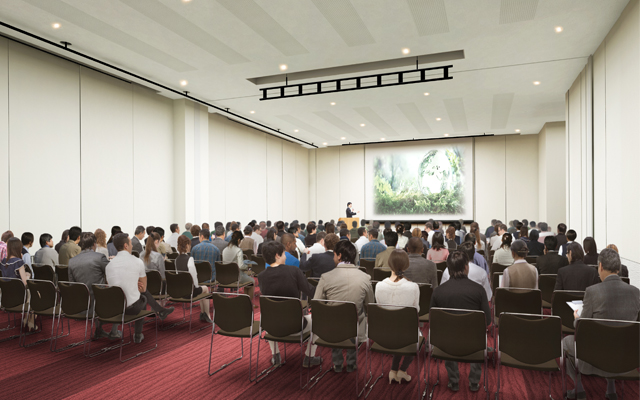
Also part of Pacifico Yokohama North are 42 meeting rooms, which can house between 56 and 240 pax in a theatre-seating plan.
Catering can be arranged with the 594-key InterContinental Yokohama Grand – conveniently housed within the complex – and the nearby, 603-key Yokohama Royal Park Hotel.
Not only do the properties have the resources and expertise to host banquets for a sizeable number of guests, the two hotels are able to cater according to delegates’ needs, such as religious dietary requirements.
Planners can also make full use of the Pacifico Yokohama complex’s other facilities to host large-scale business events. The new North addition is directly connected to the 1,350m2, multipurpose Annex Hall, as well as the 20,000m2, column-free Exhibition Hall, through an outdoor pedestrian deck. The Annex Hall can also be used to host closing ceremonies for up to 1,300 pax.
Located adjacent to the Exhibition Hall is the three-storey National Convention Hall, which boasts more than 5,000 seats and an eight-language simultaneous interpreting system, providing yet another sizeable venue for consideration.
Also housed within the complex is a conference centre, which features a 1,004-seater main hall and 50 meeting rooms, four of which can be combined to seat more than 1,300 pax in theatre-style.
Between conference sessions, delegates can head to restaurants serving dishes from a wide range of cuisines, including Italian, modern Chinese, as well as Yokohama-style French fare, located across various venues within the complex.
A short drive from Pacifico Yokohama will also bring delegates to the city’s celebrated attractions, including the historic Yokohama Red Brick Warehouses, from which delegates can enjoy the scenery of Yokohama Bay, as well as the Cup Noodles Museum.
Both the Exhibition and Event Association of Australasia (EEAA) and the Conventions & Incentives New Zealand (CINZ) are urging their respective governments to give a clear timeline for the resumption of business events, and to expedite the restart of the business events sector.
They cite the positive economic impact of the sector, its potential contribution toward business recovery, and the substantial lead-time needed to successfully organise such events as some of the reasons.
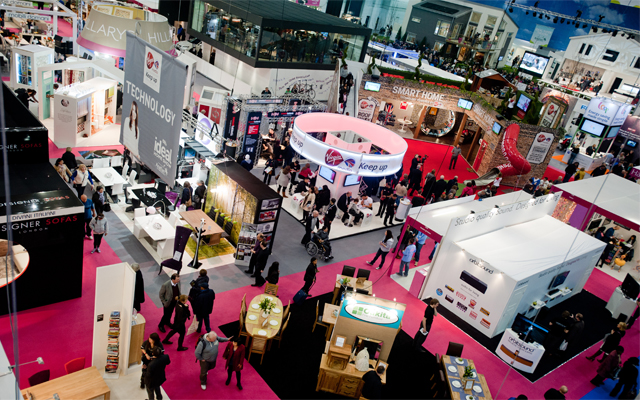
The associations indicate that crowds at tradeshows can be better controlled
In separate press statements, both associations asked governments at central and state levels to make a distinction between business-to-business events and other mass gatherings – such as sporting events – highlighting that the former can operate under stringent health and safety controls.
Claudia Sagripanti, CEO, EEAA said in a statement that organisers are able to, for instance, trace the movement of each visitor, delegate, exhibitor and speaker, as well as implement and monitor the effectiveness of health and safe distancing measures that comply with authorities’ stipulations.
To provide policymakers with the confidence to restart events, the EEAA said it is coming up with health and safety guidelines for business events, in conjunction with other major Australian industry associations – such as the Business Council of Australia (BECA) and Venue Management Association.
Similarly over in New Zealand, CINZ has collaborated with Event Venues Association of New Zealand (EVANZ) to develop a set of guidelines to ensure the health and safety of stakeholders at business events, said Lisa Hopkins, chief executive, CINZ. These guidelines are set to be distributed after undergoing review by the Ministry of Health, New Zealand.
Hopkins expressed confidence that the sector can safely manage indoor business events of up to 500 (pax). While the New Zealand Cabinet will meet today (May 11) to discuss whether to ease restrictions and move to Covid-19 Alert Level 2, moving one tier down on the alert system will only allow for gatherings of up to 100 participants, well below the 500 put forth by Hopkins.
The CINZ, however, is looking for restrictions to be lifted for business events even at Alert Level 2.
Over in Australia, the EEAA and BECA did not give a specific number of attendees they hoped the central government would allow as anti-Covid-19 measures are eased.
Nevertheless, business events would undoubtedly require greater lifting of restrictions then the three-step plan outlined by the Australian Cabinet on May 8, which plans to ease restrictions in three phases. Even when step three is implemented, gatherings of just up to 100 people will be allowed.
To further their appeal, the EEAA sought to remind the government of the potential economic benefits that would arise with the reopening of the sector.
According to Sagripanti, the business events sector contributed more than A$35 billion (US$22.8 billion) to the Australian economy in 2019, and employed over 229,000 workers last year. She also suggested an August restart date, as the “last quarter of 2020 is vital to recovery.”
“All we ask is (for policymakers) not to confuse a business event with a mass gathering. One is structured, controlled and managed, the other can be the complete opposite,” said Hopkins.
“We want the government to understand that we take the health and safety of attendees and staff very seriously, and after all the great work which has been done by New Zealanders, we don’t want to move backwards,” she added.
The newly-opened Ritz-Carlton, Bangkok anchors the One Bangkok development with cosmopolitan elegance. Featuring the city's largest ballroom and a spectacular new penthouse suite, it delivers exceptional hardware and deeply authentic, soulful service for business and leisure travellers alike
Behind the imposing, Brutalist concrete that defines Zurich’s Oerlikon district lies a surprising secret. While its exterior honours the neighbourhood’s industrial roots, stepping inside Mama Shelter reveals a vibrant, neon-soaked world that is a far cry from its rigid shell
A polished urban retreat designed for business travellers, Hyatt Regency Kuala Lumpur at KL Midtown combines thoughtful design, seamless service, and exceptional facilities.



 The study also revealed, however, that millennial business travellers here have a growing list of pain points with current digital offerings. Around half are frustrated by companies not giving them access to their booking information on all of their mobile devices (53%), not using data to remember their preferences (45%) and not giving them the option of booking everything in one place (48%).