Asia/Singapore Friday, 29th May 2026
Page 7

Balancing fiscal discipline and business value in South-east Asia

0
Regional businesses are increasingly prioritising total trip value and intelligent automation to navigate high costs while safeguarding employee well-being

In much of South-east Asia, business travel once signalled seniority, with cabin class and perks largely dictated by hierarchy.

As the region’s digital economy accelerates and a younger, more mobile workforce steps into leadership, those norms are changing. Leaders are increasingly focused on enabling employees to travel comfortably and productively, regardless of job title.
Regional businesses are increasingly prioritising total trip value and intelligent automation to navigate high costs while safeguarding employee well-being

For finance and travel management professionals, this shift creates a familiar tension: controlling spend in high-cost regional hubs while protecting traveller well-being and business performance. The aim is no longer simply cost reduction, but instead disciplined value management. This is where policy, data, and automation work together to optimise the end-to-end trip and the outcomes it enables.

The ASEAN shift: High expectations and operational realities
Data points to a clear shift in traveller expectations across the region. SAP Concur data shows premium tickets accounted for 11.3 per cent of all airfare bookings in Concur Travel in 2025, up from 10.3 per cent in 2019 a steady rise even as many organisations tightened travel budgets.

Employees increasingly view legroom, priority services, and a better onboard environment not as perks, but as enablers of productivity especially on dense regional schedules. Many employers are widening access to premium options to support well-being, reduce fatigue, and compete for talent, particularly as organisations adopt flatter structures.

The cost implications are material: SAP Concur data shows the global average booking cost for a premium international ticket reached US$4,049 in 2025, up from US$3,905 in 2019. That makes policy design and compliance tooling as important as supplier strategy.

At the same time, South-east Asia demands operational flexibility. In SAP Concur’s 2026 SEA Business Travel Pulse Survey, 51 per cent of regional travel decision-makers cited managing last-minute changes and cancellations as their primary challenge ahead of high costs (38.6 per cent). For finance teams, that’s a signal to invest in repeatable, controlled processes for disruption, exceptions, and duty of care, rather than relying on manual workarounds.

Five strategic frameworks for South-east Asian travel management
To navigate this high-cost, high-growth environment, organisations should adopt the following strategic frameworks.

#1: Optimise for total trip value, not just the lowest fare: Budget control remains a priority for 66.7 per cent of travel managers, but the cheapest option can cost more if it drives fatigue, delays, or lost working time. Set policy and approvals around optimal itineraries that balance price, timing, and traveller readiness. Where premium is warranted, define criteria by trip impact (e.g., flight duration, recovery time between legs, or customer-facing engagements) rather than job title alone. Regional decision-makers also show a preference for AI that recommends itineraries based on both preference and policy (57.5 per cent) over AI focused only on cost savings (32.7 per cent).

#2: Institutionalise flexibility as a core capability:
Flexibility in bookings and cancellations is a top three priority for 59.5 per cent of travel managers in the region. With 51 per cent identifying manual handling of plan changes as a key failure point, organisations must automate changes, re-booking, and traveller communications, as well as define clear guardrails for exceptions (who can approve, what thresholds apply, and what is logged). This shifts disruption management from reactive firefighting to consistent, auditable operations.

#3: Treat personalisation as productivity infrastructure:
In South-east Asia, personalisation is increasingly an efficiency lever, not an executive luxury. Over half (52.9 per cent) of regional organisations rate hyper-personalisation as very important, reflecting expectations for relevant options that reduce search time and improve booking completion. Done well, personalisation supports guided purchasing by steering travellers towards compliant choices without adding friction.

#4: Connect travel data to HR and finance for end-to-end visibility: Travel cannot operate in a silo. With 58 per cent of regional decision-makers calling out integration with HR and finance as a key requirement, connect booking, itinerary, and expense data to enterprise systems. This enables consistent policy application, faster reconciliation, and stronger controls across the full journey lifecycle, from pre-trip approval through to expense validation and reporting.

#5: Automate routine decisions to reduce workload and decision fatigue: Reducing manual work is a top expectation for AI among 56.9 per cent of respondents. Use intelligent automation for approvals, policy checks, itinerary changes, and traveller updates. This frees travel teams to focus on governance and supplier strategy. For finance, pair automation with forecasting to model the impact of policy thresholds (e.g., when premium is allowed) before changes go live, then monitor variance and compliance over time.

Travel is an investment in human capital
In South-east Asia’s dynamic business landscape, a rigid, cost-only approach to travel is no longer sustainable. By moving from basic booking tools to intelligent, automated systems, organisations can navigate regional complexity while improving compliance, reducing manual effort, and supporting the people who deliver results.

Ultimately, travel is an investment in human capital and performance. As such, success should be measured not only by savings achieved, but by outcomes enabled with a well-rested, high-performing workforce.

For travel and finance leaders, the opportunity now is to modernise programmes that balance fiscal discipline with traveller experience, so that every trip supports both the traveller and the enterprise.


Brett Wheeldon is a seasoned enterprise software leader currently serving as the vice president of solutions consulting for APAC at SAP Concur.

Based in Australia, he has spent over 15 years with the organisation, where he plays a pivotal role in driving digital transformation across the Asia-Pacific region by leveraging AI, automation, and analytics to optimise travel and expense management.
IAAPA Expo Asia 2026 sets stage for regional growth

0
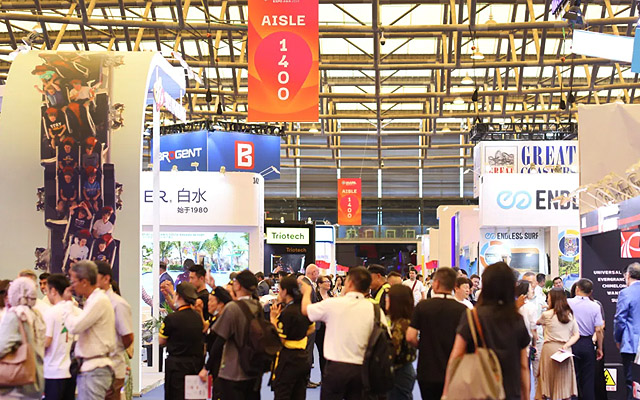
IAAPA Expo 2025; photo by IAAPA

IAAPA Expo Asia 2026 is set to return to the Hong Kong Convention and Exhibition Centre from June 9 to 12, bringing together over 300 exhibitors and thousands of global attractions professionals to explore the future of the region’s multi-billion dollar industry.

As the premier trade event for theme parks, integrated resorts, and family entertainment centers, this year’s expo focuses heavily on operational innovation and talent development.

IAAPA Expo 2025; photo by IAAPA

A key addition to the show floor is the Connections Hub, a dedicated space designed for peer-to-peer learning where operators can discuss real-world solutions for regional challenges in a collaborative setting.

The 2026 edition also marks a significant milestone for the IAAPA Foundation, which will debut its first Asia-Pacific scholarship programme. In partnership with Hong Kong Metropolitan University, the initiative will award students for excellence in projects focused on sustainability and guest experience. The winning group will be announced on the final day of the expo in a ceremony attended by university and association leadership.

The event’s education component features over 20 sessions led by industry experts, covering critical trends such as artificial intelligence integration, workforce development, and revenue optimisation.

Beyond the convention walls, IAAPA’s signature EDUTours will provide behind-the-scenes access to major landmarks in the destinationHong Kong’s major landmarks, including Ocean Park Hong Kong and the new Kai Tak Sports Park. Attendees can also join an optional post-tour to the Qingyuan Chimelong International Forest Resort in Mainland China to study large-scale integrated resort development.

Networking remains a focal point, highlighted by an opening reception at Hong Kong Disneyland Resort. The evening event will grant delegates exclusive access to the World of Frozen, allowing industry peers to connect within one of the region’s most high-profile themed expansions.

Dusit International targets MICE growth with new Maldives event complex

0
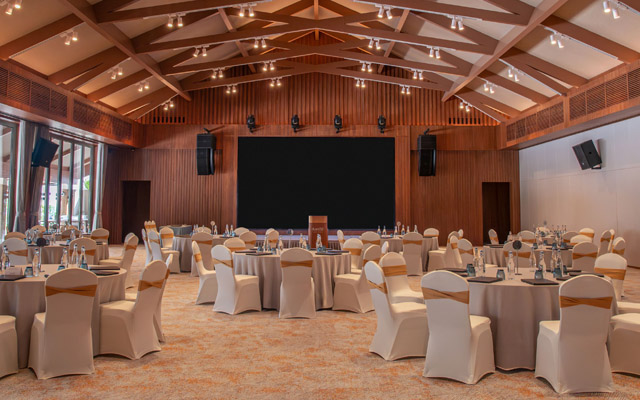
Feydhoo Hall’s interior

Dusit Hotels and Resorts has introduced Feydhoo Hall at dusitD2 Feydhoo Maldives, a new multipurpose venue.

The centrepiece of the development is a 390m2 multifunctional space capable of hosting up to 300 guests in a theatre-style configuration or 240 for banquets.

Feydhoo Hall’s interior

To facilitate dynamic event programming, the resort also offers several outdoor and intimate spaces, including a 1,000m2 event lawn for galas of up to 400 people, a 110m2 Veranda Terrace for networking, and the 55m2 Ekugai Meeting Room tailored for executive workshops.

Located just seven minutes by speedboat from Velana International Airport, the resort features 127 contemporary villas across seven categories, most equipped with private plunge pools.

Supporting its business events infrastructure is a comprehensive all-inclusive offering that includes the signature Namm Spa, a multi-court sports center, and four dining concepts ranging from Mediterranean beach club flavours at Midi to modern Thai cuisine at Soi.

Jack Weatherby-Fell takes on venue manager role at The Cutaway

0

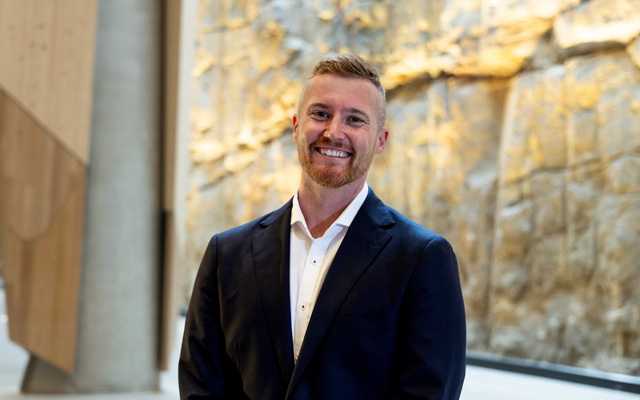
International Convention Centre Sydney (ICC Sydney), managed by Legends Global, has appointed Jack Weatherby-Fell as venue manager, The Cutaway.

Jack Weatherby-Fell

Weatherby-Fell will oversee day-to-day operations and client experience at The Cutaway, working closely with partners, community and the ICC Sydney team to deliver events. He will be supported by ICC Sydney’s general manager – operations, Lynell Peck, and recently appointed AV manager of The Cutaway, Ricky Joseph.

His most recent role was head of events at the Perth Convention and Exhibition Centre, where he led the planning of large-scale event operations and delivered high profile exhibitions, conferences and corporate events.

Thailand forges triple-helix alliance to tackle MICE talent shortage and drive grassroots growth

0
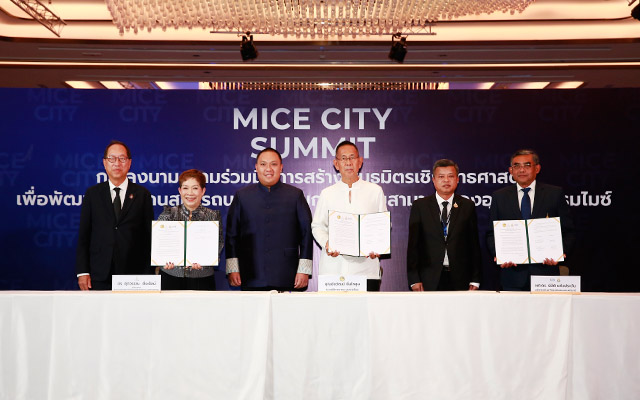
The MICE City Summit marked its 10th edition with a landmark agreement; photo by TCEB

At the 10th MICE City Summit, the Thailand Convention and Exhibition Bureau (TCEB) united government, academia, and vocational education in a landmark partnership to tackle Asia-Pacific’s workforce shortages and drive sustainable growth in secondary cities.

Signed on April 28, 2026, the Memorandums of Understanding align TCEB and Prince of Songkla University (PSU) with the Ministry of Interior and Office of the Vocational Education Commission (OVEC). The partnership aims to establish a City Data Intelligence ecosystem and develop high-performance human capital, shifting Thailand’s business events strategy from focusing solely on business events to driving long-term urban development.

The MICE City Summit marked its 10th edition with a landmark agreement; photo by TCEB

Supawan Teerarat, president of TCEB, noted: “This collaboration across policy, operations, and education reinforces the foundation of Thailand’s MICE ecosystem. It reflects our commitment to expanding MICE from Business Events to Development Events – delivering high-value impact and strengthening Thailand’s credibility in the global market.”

“This collaboration will build on past successes, turning concepts into practice, particularly regarding sustainable city development systems. This is a core focus for city administrators and those overseeing local areas. When local administrators have a vision and understand the potential of their cities, they can enhance capabilities,” she stated.

To support this, the alliance will develop structured programmes to clarify goals and joint efforts across all provinces nationwide.

A major facet of the agreement involves the Ministry of Interior, the principal body overseeing Thailand’s nationwide urban administration. The Ministry plans to utilise the business events industry to distribute wealth, empower local entrepreneurs, and elevate local governance. The partnership will focus on developing “high-performance city managers” equipped with deep socio-cultural understanding and backed by intelligent data systems that enable real-time policy decisions.

Chaiwat Chuenkosum, deputy permanent secretary of the Ministry of Interior, explained: “If MICE City development is not fully integrated, we won’t fully realise its potential. MICE Cities require various factors – from infrastructure to local businesses. When the city is ready, and evaluations show a high-quality MICE City, the city itself improves, which aligns with our core mission of developing our cities.”

This knowledge will be embedded into the Ministry of Interior’s training programmes for district chiefs, provincial governors, and local administration executives to build a resilient and developed nation.

To address the business events talent shortage, TCEB, PSU, and OVEC are leveraging the Songkhla Model – a successful “Living Lab” that made Songkhla Thailand’s top sustainable MICE city for three years. This partnership integrates vocational education with industry insights to transform educators into innovation leaders capable of rapidly developing a high-performance workforce.

PSU’s president Niwat Keawpradub highlighted that these achievements have yielded innovations like a Credit Bank system, noting the curriculum will move beyond classroom learning to “practical application, joint learning, and real-world development”.

He stated that the goal is “to create a network of collaboration to elevate city development through MICE”, ensuring visitors experience a shared picture.

Niwat concluded: “We are not merely teaching – we are building an ecosystem to develop high-performance MICE city leaders who can think, act, and deliver effectively.”

Malaysia targets food waste with new sourcing guide

0
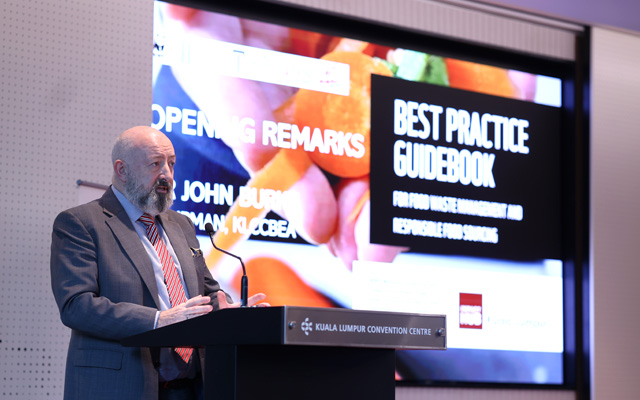
Burke addressing industry stakeholders at the launch

Malaysia has launched its first food waste management and responsible sourcing guidebook, positioning sustainability as a core strategy for its business events and hospitality sectors.

Titled Best Practices on Waste Management and Responsible Sourcing Guidebook, the resource was developed over three years by the Kuala Lumpur Convention Centre Business Events Alliance together with WWF-Malaysia, Taylor’s University and UCSI University.

Burke addressing industry stakeholders at the launch

The guidebook emphasises responsible food sourcing, using seafood as a case study to demonstrate how procurement impacts ecosystems. It offers practical frameworks for evaluating suppliers and embedding sustainability into purchasing policies.

Additionally, the resource tackles food waste using local case studies and a Behavior-Centred Design approach –merging behavioural science with design thinking to identify root causes and implement scalable solutions.

Taylor’s University is integrating the guidebook into hospitality modules, with UCSI University set to follow, aligning industry standards with talent development.

John Burke, general manager of Kuala Lumpur Convention Centre, said: “These two challenges of what we waste, and where we source, are deeply connected. This is not simply an environmental issue. It is an operational issue, a sourcing issue, and ultimately, a responsibility issue for our industry.”

Malaysia generates approximately 16,688 tonnes of food waste daily, with nearly 60 per cent considered avoidable. At the same time, unsustainable sourcing practices are placing increasing pressure on natural resources.

Sophia Lim, CEO and executive director of WWF-Malaysia, said: “Food waste accounts for an estimated eight to 10 per cent of global greenhouse gas emissions thus making it a serious climate and environmental challenge.

“How we source food has direct implications on biodiversity, marine ecosystems and resource security. This guidebook equips both industry practitioners and future talent with the knowledge and practical tools needed to drive meaningful change.

This collaboration represents the systemic, multi-sector approach needed to move the needle on Malaysia’s sustainable food systems as the country works toward its 2030 United Nationals Sustainable Development Goal of halving food waste, she added.

Aloft Jakarta Kebon Jeruk levels up with new Grand Ballroom

0
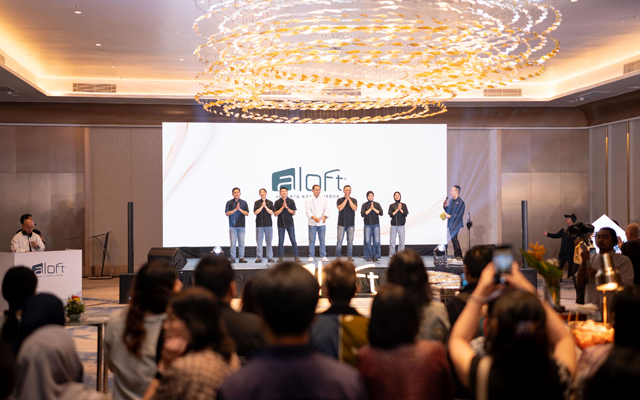
Aloft Jakarta Kebon Jeruk’s Grand Ballroom

Aloft Jakarta Kebon Jeruk officially opened its Grand Ballroom on April 10, 2026, completing the full suite of meeting facilities available since the hotel’s November 2025 opening.

Located on the third floor, the 530m2 Grand Ballroom features a five-metre ceiling height and can accommodate up to 654 guests. It is equipped with a built-in screen and projector, a professional-grade Hardwell Turbo Voice 15 Pro sound system, bandwidth of up to 100 Mbps, and a power supply of 10,000 watts, with the option to expand to 20,000 watts for larger productions.

Aloft Jakarta Kebon Jeruk’s Grand Ballroom

The ballroom is part of a meeting ecosystem with a dedicated drop-off gate that includes a Junior Ballroom with a 284-seat capacity, five meeting rooms ranging from 32 to 120 seats, a VIP room, and two private dining rooms. Additionally, an expansive 508m2 pre-function is designed to maximise comfort and engagement.

Calvine Vorry, director of sales and marketing of Aloft Jakarta Kebon Jeruk, said: “The pre-function area is bathed in natural daylight, creating an open, comfortable, and interactive atmosphere. This space is ideal for coffee breaks, exhibitions, and vibrant networking sessions.”

Highlighting the importance of business events to the hotel’s strategy, Calvine noted: “We see the MICE segment in West Jakarta continuing to show positive growth, particularly from the corporate, technology, and government sectors.”

Since opening, the hotel has hosted a variety of events, from corporate meetings and gala dinners to brand activations. In April, the property hosted an automotive sales conference for 220 guests, alongside a product launch and a medical conference for 150 delegates each. This momentum continues into May with a scheduled banking and financial training session for 120 participants.

Corporate travel shifts toward meaningful and employee-centric policies

0
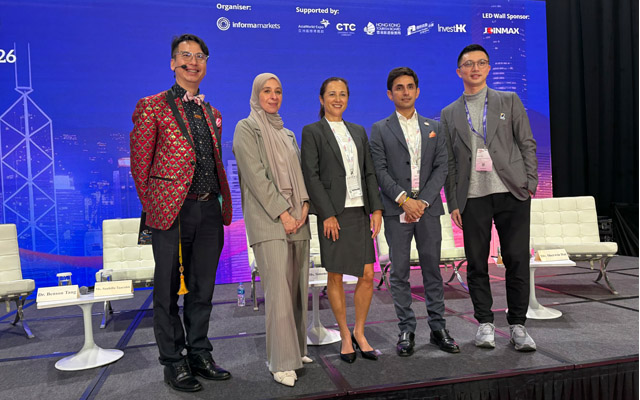
From left: Corporate Travel Community’s Benson Tang; Al-Futtaim’s Souhilla Taarabit; ex-Toyota Finance Australia’s Simone Gibbs; KPMG’s Rahul Marwah; and Trip.Biz’s Sherwin Dai; photo by Prudence Lui

Corporate travel is shifting away from a pure cost-saving model toward a strategy that prioritises employee well-being and modernised Duty of Care standards.

At a forum held during Connect Marketplace 2026 in Hong Kong, industry leaders discussed how travel policies are being redesigned to balance corporate financial goals with the necessity of supporting and protecting the traveller.

From left: Corporate Travel Community’s Benson Tang; Al-Futtaim’s Souhilla Taarabit; ex-Toyota Finance Australia’s Simone Gibbs; KPMG’s Rahul Marwah; and Trip.Biz’s Sherwin Dai; photo by Prudence Lui

Rahul Marwah, sourcing & procurement advisory director at KPMG, noted that modern negotiations now prioritise necessity and due diligence over raw savings.

“Instead of making three separate trips, staff can combine multiple destinations into a single journey. This approach not only optimises costs but also ensures staff are well-rested, rather than trading well-being for business,” he explained.

Marwah added that KPMG now allows business class for flights over five hours regardless of seniority, noting that embedding ESG and social elements into policy is becoming essential.

Finding the right balance between company objectives and employee needs is crucial, added Souhilla Taarabit, group head of corporate travel services at Al-Futtaim.

Following regional instability in the Middle East, Al-Futtaim revised its policies to focus on “meaningful travel”. Taarabit emphasised that the best approach is to understand how a trip supports company outcomes.

“We revised our policy and introduced more parameters around meaningful travel. It is vital for employees to feel that we are taking care of them,” she said.

Flexibility has also become a priority, as noted by Simone Gibbs, former procurement lead at Toyota Finance Australia. She stressed the importance of maintaining flexible travel policies in light of ongoing disruptions and rising fuel surcharges.

“Since the pandemic, knowing where your people are at any time is really important for Duty of Care,” Gibbs highlighted. While many TMCs provide tracking portals, she suggested the “next level” involves paid services like International SOS, which can deploy people on the ground to provide direct assistance during a crisis.

Sherwin Dai, general manager for Greater China & North Asia at Trip.Biz, argued that more organisations are viewing travel programmes as a talent acquisition strategy.

He cited a global tech client that allows its 100,000 staff to book premium economy for any flight over four hours, sharing that the company saw a two per cent increase in the retention rate..

“From their perspective, it was well-spent money. More companies are realising that a strong, employee-centric policy is a way to attract and retain talent,” Dai stated.

Opinions remain divided on where travel management should sit within a corporate structure. At Al-Futtaim, the function is placed under Human Resources. Taarabit explained that this creates the most value for a diverse workforce: “The most vital step is to make sure employees understand we want them to feel good.”

However, Gibbs argued that while her former travel policy was owned by HR, it was not always managed effectively. She suggested that the best model involves operations and procurement working together.

“Procurement puts the agreements in place, but you need someone operationally to manage that supplier and gather traveller feedback,” she noted. Ultimately, she concluded that the ideal approach differs based on each company’s needs.

Thaifex – Anuga Asia 2026 set for record-breaking expansion in Bangkok

0
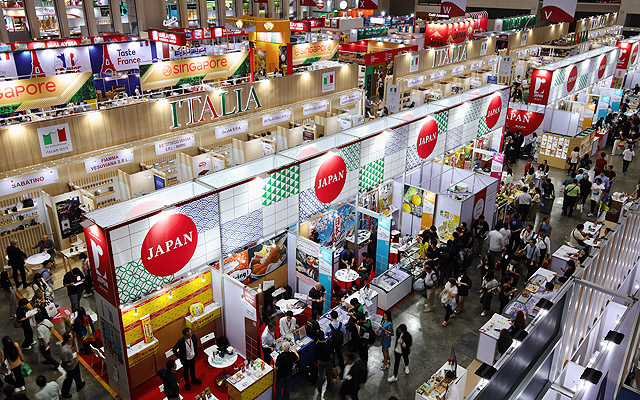
Thaifex - Anuga Asia 2025; photo by Koelnmesse

Thaifex – Anuga Asia 2026 is set to be the largest in the event’s history, returning to Bangkok’s IMPACT Muang Thong Thani from May 26 to 30.

The tradeshow has expanded to 12 halls covering over 140,000m2, reflecting a critical period for the F&B industry where supply chain adjustments and sourcing speed have become paramount. This year’s edition expects to host over 3,300 exhibitors from 60 countries, drawing an estimated 88,000 trade visitors from around the world.

Thaifex – Anuga Asia 2025; photo by Koelnmesse

A major addition to the 2026 programme is the debut of PLX Asia, the region’s first dedicated B2B platform for private label and contract manufacturing. This initiative addresses a strategic shift in South-east Asia where retailers are increasingly using private labels to drive growth. The platform will launch with an industry leadership summit on May 29, laying the groundwork for a full-scale trade exhibition in 2027 that will span food, beauty, and household categories.

Innovation remains a central focus, particularly within the newly integrated Hall 4. This zone features the New-to-Market Street, showcasing products launched within the last year, and the Future Food Experience+, a conference covering high-tech advancements like precision fermentation and AI in retail. Visitors can also participate in interactive events such as the Alternative Protein Flavour & Taste Contest, where they can vote on the best emerging plant-based products.

The event also marks a significant diplomatic and commercial milestone with the European Union joining as the Official Partner Region. An EU Pavilion will highlight European standards of authenticity and sustainability, providing buyers a streamlined way to access high-quality European supply within the larger sourcing environment.

According to event organisers Koelnmesse, this consolidation of nine specialised trade shows into one venue is designed to help businesses close deals faster and navigate a rapidly evolving global market.

Phuket’s storied Coolies Club sets a new standard for boutique events

0
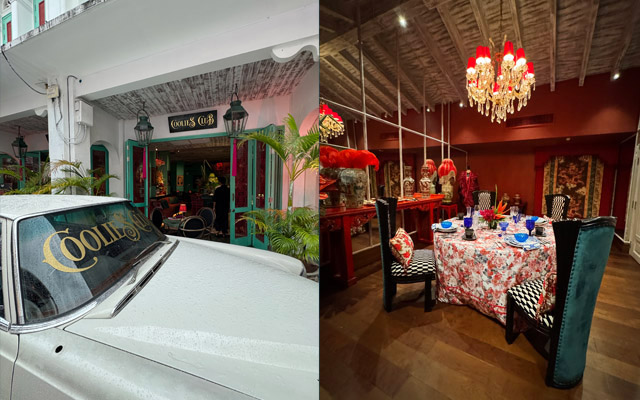
From left: Entrance to Coolies Club; private dining room on the second floor

Located on Soi Romanee in Old Phuket Town – once the epicentre of the island’s 19th-century tin mining red-light district – Coolies Club is the latest project from Krystal Prakaikaew Na-Ranong, the co-owner and managing director of The Slate Phuket.

Designed by acclaimed architect Bill Bensley, the venue pays homage to the area’s history of opium dens and miners’ hedonistic pleasures with a design palette of turquoise, jade green, and antique red.

From left: Entrance to Coolies Club; private dining room on the second floor

For event planners looking for an intimate, high-impact setting, the venue offers two distinct levels. The ground floor provides a sophisticated sit-down format for up to 40 guests, surrounded by ornate Chinese fretwork and vintage furnishings. For more exclusive gatherings, the private room upstairs accommodates 32 pax, offering an atmospheric Opium Den dining experience.

The culinary programme follows a zero-waste kitchen concept, focusing on sustainability without compromising on creativity. A standout example is the lemongrass tuna wraps, which cleverly utilise portions of the fish that cannot be served as whole fillets, ensuring every ingredient is maximised.

The menu is further defined by rustic, fire-smoked techniques – think seared Black Angus hanger steak with rosemary and garlic butter, and smoked spaghetti alla bottarga – that reference the traditional cooking methods used by tin miners.

Entertainment is also a core component of the Coolies Club experience. While the venue hosts a signature singing cabaret every Saturday night, capturing the exotic elegance of a bygone time, these performers are also available for private hire. Planners can book the cabaret troupe to bring a sense of theatrical flair and historical nostalgia to corporate dinners or private celebrations.

Reviews

The Slate Phuket

Just 10 minutes from Phuket International Airport on the serene northern coast, this 178-key, Bill Bensley-designed resort offers delegates a quiet, tropical paradise steeped in Phuket’s tin-mining heritage

The Ritz-Carlton, Bangkok

The newly-opened Ritz-Carlton, Bangkok anchors the One Bangkok development with cosmopolitan elegance. Featuring the city's largest ballroom and a spectacular new penthouse suite, it delivers exceptional hardware and deeply authentic, soulful service for business and leisure travellers alike

Mama Shelter Zurich

Behind the imposing, Brutalist concrete that defines Zurich’s Oerlikon district lies a surprising secret. While its exterior honours the neighbourhood’s industrial roots, stepping inside Mama Shelter reveals a vibrant, neon-soaked world that is a far cry from its rigid shell